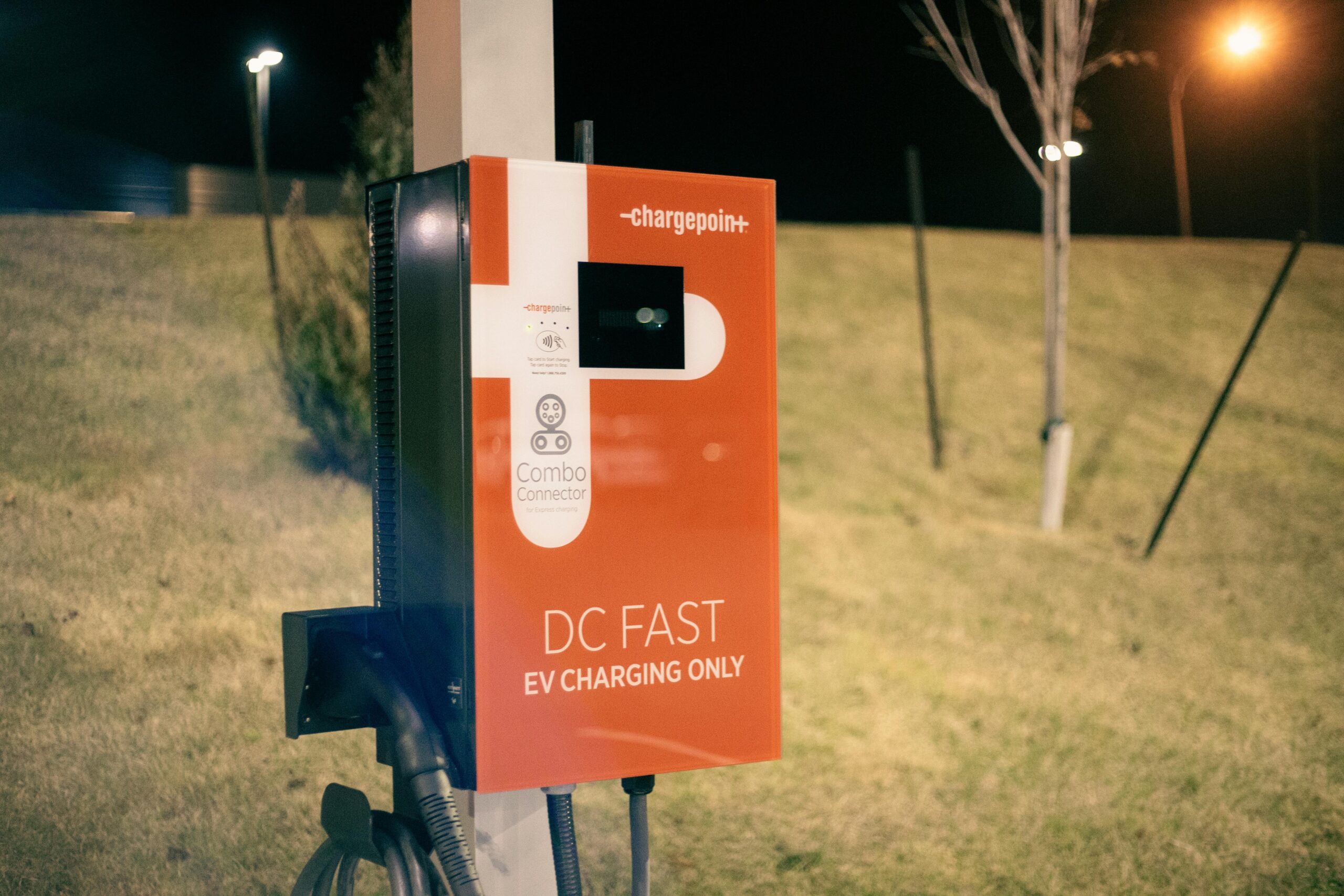
Cities worldwide are embracing innovative policy frameworks that transform urban landscapes into sustainable, resilient, and livable environments for future generations.

The urgent need for sustainable urban transformation has never been more pressing. With over 55% of the global population currently residing in cities—a figure projected to reach 68% by 2050—urban areas have become the epicenters of both environmental challenges and groundbreaking solutions. The convergence of climate change, resource scarcity, and rapid urbanization demands a fundamental reimagining of how we design, govern, and inhabit our cities.
This transformation isn’t happening by accident. Progressive governments, urban planners, and policymakers are crafting sophisticated policy frameworks that integrate environmental sustainability with economic vitality and social equity. These frameworks represent a departure from traditional urban planning approaches, embracing holistic strategies that address the interconnected nature of urban systems.
🌍 The Foundation of Sustainable Urban Policy
Effective sustainable urban policy frameworks rest on several fundamental principles that guide their development and implementation. These principles recognize that cities are complex, dynamic systems requiring integrated approaches rather than isolated interventions.
At the core of these frameworks lies the concept of circular economy principles applied to urban contexts. Rather than the traditional linear model of resource consumption, sustainable cities are adopting circular approaches where waste becomes a resource, buildings are designed for adaptability and deconstruction, and material flows are carefully managed to minimize environmental impact.
The integration of nature-based solutions represents another critical foundation. Green infrastructure, urban forests, permeable surfaces, and ecological corridors are no longer viewed as aesthetic additions but as essential components of urban functionality. These elements provide multiple benefits: carbon sequestration, temperature regulation, stormwater management, biodiversity conservation, and improved mental health outcomes for residents.
Multi-Level Governance and Stakeholder Engagement
Successful policy frameworks acknowledge that sustainable transformation cannot be imposed from above. They require collaboration across governmental levels—from international commitments to neighborhood-scale initiatives—and meaningful engagement with diverse stakeholders including businesses, civil society organizations, academic institutions, and residents themselves.
This participatory approach ensures that policies reflect local contexts, cultural values, and community priorities while remaining aligned with broader sustainability objectives. Cities like Barcelona, Copenhagen, and Melbourne have demonstrated how co-creation processes can generate both innovative solutions and strong public support for transformative changes.
🏗️ Innovative Policy Instruments Reshaping Urban Landscapes
The toolbox of policy instruments available to urban decision-makers has expanded significantly in recent years. Traditional regulatory approaches are now complemented by economic incentives, information-based strategies, and voluntary frameworks that together create powerful momentum for change.
Regulatory Frameworks with Teeth
Progressive building codes and zoning regulations are establishing new baselines for urban development. Cities like Vancouver and San Francisco have mandated net-zero energy standards for new construction, while others require green roofs, solar installations, or minimum urban greening ratios.
These regulations extend beyond individual buildings to shape entire districts. Mixed-use zoning policies reduce transportation needs by bringing residential, commercial, and recreational spaces into closer proximity. Transit-oriented development regulations concentrate density around public transportation nodes, making sustainable mobility the default choice rather than a difficult alternative.
Economic Mechanisms Driving Green Investment
Financial incentives and disincentives are proving remarkably effective at accelerating sustainable transformation. Carbon pricing mechanisms, whether through taxation or cap-and-trade systems, internalize environmental costs and redirect investment toward cleaner alternatives.
Green bonds have emerged as powerful financing vehicles for sustainable infrastructure projects. Cities like Johannesburg, Paris, and Tokyo have successfully issued municipal green bonds that fund renewable energy installations, energy efficiency retrofits, sustainable transportation systems, and climate adaptation measures.
Tax increment financing districts channel property value increases resulting from public investments back into further sustainable improvements, creating virtuous cycles of neighborhood enhancement. Property tax rebates for green building certifications, energy efficiency upgrades, or rainwater harvesting systems make sustainable choices financially attractive for property owners.
🚇 Revolutionizing Urban Mobility Systems
Transportation represents one of the largest contributors to urban carbon emissions and air pollution. Innovative policy frameworks are fundamentally restructuring how people and goods move through cities, prioritizing sustainable modes while making driving less convenient and necessary.
Complete streets policies ensure that road design accommodates pedestrians, cyclists, public transit users, and motorists equitably rather than prioritizing automobile throughput above all else. Cities implementing these policies have seen dramatic increases in active transportation and corresponding improvements in public health, local business vitality, and community cohesion.
The Public Transit Renaissance
Forward-thinking cities are investing heavily in expanded, electrified public transportation networks. Bus rapid transit systems provide metro-level capacity at fraction of the cost, while modern tramways and light rail lines are reshaping urban development patterns along their corridors.
Policy frameworks support these investments through dedicated funding mechanisms, transit-oriented development incentives, and integrated fare systems that make multi-modal journeys seamless. Real-time information systems and mobile applications enhance user experience, making public transit competitive with private vehicle convenience.
Micromobility Integration and Active Transportation
Protected bicycle infrastructure networks are expanding rapidly in cities worldwide. Protected bike lanes, cycle highways, and comprehensive bikeway networks transform cycling from a niche activity into mainstream transportation. Complementary policies include secure bike parking, bike-share systems, and integration with public transit.
E-scooters and e-bikes have emerged as important components of urban mobility ecosystems. Thoughtful regulatory frameworks balance innovation with safety and equity concerns, establishing operational standards, parking requirements, and equitable distribution mandates while allowing these services to fill critical first-mile and last-mile gaps.
⚡ Energy Transition and Smart Grid Integration
Decarbonizing urban energy systems requires comprehensive policy frameworks that address generation, distribution, storage, and consumption. Cities are becoming both energy producers and managers rather than passive consumers of centrally generated power.
Renewable energy mandates require utilities to source increasing percentages of electricity from wind, solar, and other clean sources. Community choice aggregation programs allow municipalities to procure renewable energy on behalf of residents, often achieving better rates and cleaner portfolios than incumbent utilities.
Distributed Energy Resources and Urban Resilience
Policies encouraging distributed generation—rooftop solar, community solar gardens, small-scale wind installations—are transforming urban energy landscapes. Feed-in tariffs, net metering rules, and virtual power plant frameworks enable buildings to become active participants in energy systems rather than passive consumers.
Battery storage integration policies address renewable energy’s intermittency challenge while enhancing grid resilience. Time-of-use pricing and demand response programs incentivize consumption patterns aligned with renewable generation profiles, reducing peak demand stress and infrastructure requirements.
District energy systems that provide heating and cooling through efficient centralized plants are gaining renewed attention. Modern systems incorporate waste heat recovery, seasonal thermal storage, and integration with renewable sources, dramatically reducing energy consumption compared to building-level systems.
💧 Water-Sensitive Urban Design and Management
Climate change is intensifying both water scarcity and flooding risks in cities worldwide. Innovative policy frameworks are promoting water-sensitive urban design that manages this precious resource more sustainably while enhancing urban livability.
Green stormwater infrastructure requirements mandate that developments manage rainwater on-site through bioswales, rain gardens, permeable pavements, and constructed wetlands. These systems reduce flooding, improve water quality, recharge groundwater, and create attractive urban amenities.
Circular Water Systems and Conservation
Progressive water pricing structures implement increasing block rates that charge higher prices for excessive consumption, encouraging conservation while keeping essential water affordable. Greywater recycling regulations allow treated wastewater from sinks and showers to irrigate landscapes, reducing both potable water demand and wastewater discharge.
Rainwater harvesting incentives and requirements capture precipitation for non-potable uses, reducing pressure on centralized water supply systems. Some cities mandate rainwater collection systems for new developments above certain sizes, effectively creating distributed water storage networks.
🌳 Urban Greening and Biodiversity Integration
Recognizing the multiple benefits of urban nature, policy frameworks are mandating and incentivizing green space creation and ecological integration throughout urban fabrics. Urban forest strategies establish canopy coverage targets and protection mechanisms for existing trees while requiring replacement planting for removals.
Green factor regulations, pioneered in Berlin and adopted globally, require developments to achieve minimum scores calculated based on various greening elements weighted by their ecological value. This flexible approach allows developers to choose among rooftop gardens, vertical greenery, permeable surfaces, and other elements while ensuring meaningful ecological outcomes.
Biodiversity-Positive Development Standards
Cutting-edge frameworks require new developments to demonstrate net positive biodiversity outcomes. This approach, moving beyond “do no harm” to “leave things better,” involves careful baseline assessments, impact mitigation, and enhancement measures that increase habitat quality and connectivity.
Ecological corridor policies protect and enhance movement pathways for urban wildlife, recognizing cities as parts of larger ecological networks rather than isolated islands. These green links also provide recreational trails, improve microclimate regulation, and enhance urban resilience.
📊 Data-Driven Decision Making and Smart City Technologies
Modern policy frameworks leverage digital technologies and data analytics to enhance urban sustainability. Smart city platforms integrate data from sensors, satellites, and administrative systems to provide real-time insights into urban conditions and enable evidence-based policy adjustments.
Environmental monitoring networks track air quality, noise levels, temperature variations, and other parameters, identifying problem areas and evaluating intervention effectiveness. Open data policies make this information publicly accessible, empowering residents and researchers while ensuring transparency and accountability.
Digital Tools for Citizen Engagement
Digital platforms facilitate participatory planning processes, allowing broader and more inclusive community input. Virtual town halls, interactive mapping applications, and crowdsourcing tools complement traditional engagement methods, reaching populations often underrepresented in conventional processes.
Performance dashboards publicly track progress toward sustainability targets, maintaining political momentum and public accountability. These tools visualize complex data, making urban sustainability tangible and comprehensible for diverse audiences.
🤝 Equity and Just Transition Considerations
The most sophisticated policy frameworks recognize that sustainable urban transformation must be equitable to be legitimate and durable. Environmental justice principles ensure that sustainability benefits and burdens are distributed fairly rather than reinforcing existing inequalities.
Affordable housing integration policies prevent green gentrification by requiring or incentivizing affordable units within sustainably developed neighborhoods. Community benefit agreements ensure that major sustainability investments provide tangible benefits—jobs, services, amenities—to existing residents rather than primarily attracting new, wealthier populations.
Workforce Development and Economic Opportunity
Just transition frameworks recognize that decarbonization will disrupt existing industries and employment patterns. Proactive policies provide retraining programs, apprenticeships, and workforce development initiatives that prepare workers for green economy jobs in renewable energy installation, building retrofitting, sustainable transportation, and related fields.
Local hiring requirements and community workforce agreements ensure that sustainability investments create employment opportunities for neighborhood residents rather than exclusively benefiting workers from elsewhere. Social procurement policies prioritize contractors demonstrating strong environmental and social performance.
🌐 Learning Networks and Policy Diffusion
Urban sustainability innovation increasingly occurs through international networks that facilitate knowledge exchange and collaborative problem-solving. Organizations like C40 Cities, ICLEI, and the Urban Land Institute connect cities worldwide, enabling rapid policy diffusion and adaptation.
Cities learn from each other’s successes and failures, adapting proven approaches to local contexts rather than reinventing solutions. This horizontal learning accelerates innovation and builds political confidence for ambitious action, as policymakers can point to peer cities that have successfully implemented similar measures.
🚀 Emerging Frontiers and Future Directions
As sustainable urban transformation advances, policy frameworks continue evolving to address emerging challenges and opportunities. Climate adaptation policies are gaining equal prominence with mitigation measures, recognizing that significant climate impacts are already locked in regardless of emission reduction success.
Circular economy policies are becoming more comprehensive and ambitious, addressing material flows across sectors and establishing extended producer responsibility schemes that hold manufacturers accountable for product end-of-life management. Right-to-repair regulations and design-for-disassembly standards challenge planned obsolescence and resource waste.
Autonomous vehicle policies are being carefully crafted to ensure this transformative technology supports rather than undermines sustainability objectives. Progressive frameworks prioritize shared autonomous electric vehicles integrated with public transit rather than allowing autonomous cars to increase sprawl, vehicle miles traveled, and energy consumption.

🎯 Measuring Success and Adaptive Management
Effective policy frameworks include robust monitoring and evaluation systems that track progress toward defined objectives. Comprehensive indicator sets measure environmental outcomes—emissions reductions, air quality improvements, green space expansion—alongside economic vitality and social equity metrics.
Adaptive management approaches recognize that complex urban systems generate unexpected outcomes and that policies must evolve based on observed results. Regular review cycles, stakeholder feedback mechanisms, and willingness to adjust course when interventions underperform distinguish mature policy frameworks from rigid regulatory structures.
The transformation toward sustainable cities represents one of the defining challenges and opportunities of our time. The innovative policy frameworks described here demonstrate that this transformation is achievable through thoughtful governance combining regulatory clarity, economic incentives, technological innovation, and authentic community engagement.
Cities pioneering these approaches are not only reducing environmental impacts but also becoming more livable, resilient, equitable, and economically vibrant. They prove that sustainability and quality of life are complementary rather than competing objectives. As these policy innovations diffuse globally and continue evolving, they offer genuine hope that we can build greener futures where both people and planet thrive. The blueprints exist; the challenge now is scaling and accelerating implementation with the urgency our interconnected environmental, social, and economic crises demand.