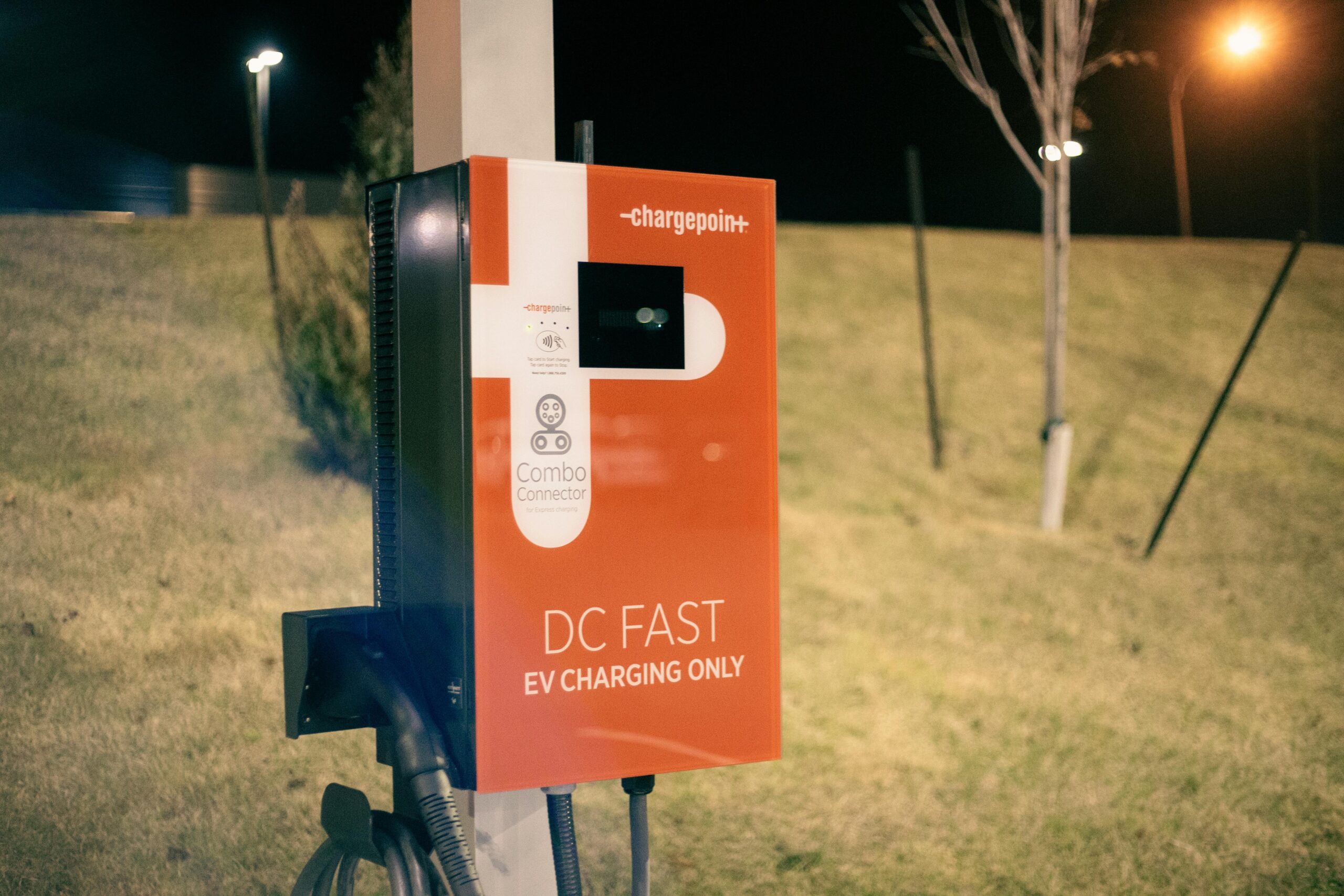
The future of mobility depends on our ability to design transportation systems that prioritize human safety while embracing innovation and technological advancement.

🚀 The New Era of Mobility: Where Safety Meets Innovation
We stand at a pivotal moment in transportation history. The way we move from place to place is undergoing a dramatic transformation, driven by technological breakthroughs, environmental concerns, and an urgent need for safer travel options. Traditional mobility systems, while functional, have accumulated decades of safety challenges that demand immediate attention and innovative solutions.
Modern mobility design isn’t just about getting from point A to point B anymore. It’s about creating interconnected ecosystems where vehicles, infrastructure, pedestrians, and cyclists coexist harmoniously. The statistics speak volumes: road traffic injuries remain a leading cause of death globally, with approximately 1.35 million people losing their lives annually. This stark reality underscores why safety must be embedded in every layer of mobility system design.
The revolution in movement isn’t coming—it’s already here. Autonomous vehicles, smart infrastructure, connected transportation networks, and data-driven safety systems are reshaping our understanding of what mobility can and should be. However, technology alone isn’t the answer. The real transformation happens when we intentionally architect these systems with safety as the foundational principle rather than an afterthought.
🛡️ Understanding the Safety-First Design Philosophy
Designing mobility systems with safety at the core requires a fundamental shift in mindset. Instead of adding safety features to existing systems, we must build entire frameworks around preventing harm. This approach, known as “Safe System” or “Vision Zero,” acknowledges that humans make mistakes and that systems should be forgiving of those errors.
The safety-first philosophy operates on several key principles:
- Human vulnerability is the design standard—systems should protect the most fragile road users
- Shared responsibility across designers, policymakers, manufacturers, and users
- Redundancy in safety mechanisms to prevent single points of failure
- Proactive hazard identification rather than reactive problem-solving
- Continuous improvement through data collection and analysis
This paradigm recognizes that perfect human behavior is unrealistic. People will occasionally speed, become distracted, or make poor judgments. Rather than simply penalizing these behaviors, safety-centered design creates environments where such mistakes don’t result in fatalities or serious injuries.
🚗 Technological Pillars Supporting Safer Mobility
The technological revolution provides unprecedented tools for enhancing transportation safety. These innovations work best when integrated holistically rather than implemented in isolation.
Advanced Driver Assistance Systems (ADAS)
Modern vehicles increasingly feature sophisticated assistance systems that act as co-pilots. Automatic emergency braking, lane departure warnings, blind spot detection, and adaptive cruise control represent just the beginning. These systems use sensors, cameras, and artificial intelligence to monitor the environment constantly, intervening when they detect potential dangers.
The evolution toward fully autonomous vehicles promises even greater safety improvements. Self-driving technology doesn’t get tired, distracted, or impaired—common factors in human-caused accidents. However, the transition period presents unique challenges as autonomous and human-driven vehicles share roadways.
Connected Vehicle Technology
Vehicle-to-Vehicle (V2V) and Vehicle-to-Infrastructure (V2I) communication creates a network where transportation elements constantly exchange information. A car can “know” about an approaching emergency vehicle, receive warnings about icy conditions ahead, or learn that the traffic signal is about to change—all before the driver can perceive these situations.
This connectivity extends beyond individual safety to optimize entire traffic systems, reducing congestion and thereby decreasing accident opportunities. Connected mobility systems can reroute traffic away from incidents, adjust signal timing dynamically, and provide real-time safety alerts to all network participants.
Artificial Intelligence and Predictive Analytics
AI transforms vast amounts of transportation data into actionable safety insights. Machine learning algorithms identify patterns in accident data, predict high-risk scenarios, and suggest preventive interventions. Cities can use predictive analytics to determine where infrastructure improvements will yield the greatest safety benefits.
These systems continuously learn and improve, becoming more effective over time. As they process more data about driver behavior, traffic patterns, and accident circumstances, their ability to prevent future incidents increases exponentially.
🏙️ Infrastructure: The Foundation of Safe Movement
Technology in vehicles represents only half the safety equation. The physical environment where movement occurs plays an equally critical role. Smart infrastructure design can prevent accidents before they happen.
Complete Streets and Multimodal Safety
Traditional road design prioritized vehicle throughput over safety. Modern complete streets accommodate all users—drivers, cyclists, pedestrians, and public transit passengers—with dedicated, protected spaces for each mode. Physical separation between different traffic types dramatically reduces conflict points where accidents occur.
Elements like protected bike lanes, pedestrian refuge islands, raised crosswalks, and traffic calming measures create environments where speed naturally decreases and visibility improves. These design features work passively, not requiring active compliance or enforcement to be effective.
Intelligent Traffic Management Systems
Smart traffic signals adapt to real-time conditions rather than following fixed patterns. These systems prioritize emergency vehicles, extend crossing times for slower pedestrians, and optimize flow to minimize sudden stops and starts that increase accident risk.
Variable speed limits that adjust based on weather, traffic density, or time of day keep vehicles moving at appropriate speeds for current conditions. Digital signage provides warnings about hazards ahead, giving drivers more time to react safely.
Lighting and Visibility Enhancements
Proper illumination transforms safety, yet it’s often overlooked. LED street lighting provides better visibility while consuming less energy. Adaptive lighting systems brighten when they detect pedestrians or cyclists, ensuring vulnerable road users remain visible to drivers.
Reflective materials, clearly marked lanes, and high-contrast pavement markings help drivers navigate safely even in poor weather conditions. These simple interventions yield substantial safety improvements at relatively low cost.
📊 Data-Driven Decision Making in Mobility Safety
The digital age provides unprecedented access to mobility data, enabling evidence-based safety improvements. However, collecting data is only valuable when it translates into action.
| Data Source | Safety Application | Impact |
|---|---|---|
| Vehicle Telematics | Identifying dangerous driving patterns | Targeted driver training and intervention |
| Traffic Cameras | Monitoring high-incident locations | Infrastructure improvements at problem spots |
| Smartphone GPS Data | Understanding pedestrian movement patterns | Optimized crosswalk placement and timing |
| Crash Reports | Analyzing accident causation factors | Policy changes and design modifications |
| Weather Systems | Correlating conditions with accident rates | Proactive warnings and route adjustments |
Advanced analytics platforms integrate these diverse data streams, creating comprehensive pictures of mobility patterns and safety risks. Cities that embrace data-driven approaches can target resources where they’ll have maximum impact, rather than making improvements based on assumptions or limited information.
Privacy considerations must balance against safety benefits. Effective mobility data systems anonymize individual information while preserving the collective insights that drive safety improvements. Transparent data governance ensures public trust while enabling the analysis necessary for safer systems.
🌍 The Human Element: Culture, Behavior, and Education
Even the most sophisticated technology and infrastructure cannot overcome unsafe behaviors and attitudes. Cultivating a safety culture represents perhaps the greatest challenge in revolutionizing mobility.
Shifting Transportation Culture
In many societies, risky driving behaviors carry social acceptance or even admiration. Changing these deep-rooted cultural attitudes requires sustained effort across multiple fronts. Public awareness campaigns, when designed effectively, can reshape perceptions about what constitutes responsible road use.
Social norming strategies leverage peer influence, highlighting that safe behaviors are actually the norm rather than the exception. When people understand that most drivers don’t speed excessively or text while driving, they’re more likely to conform to these safer patterns.
Comprehensive Safety Education
Driver education must evolve beyond basic vehicle operation to encompass defensive driving, hazard perception, and understanding of system vulnerabilities. Starting safety education early—before individuals begin driving—builds foundational attitudes that persist throughout life.
Education shouldn’t target only drivers. Pedestrians and cyclists benefit from understanding how to use infrastructure safely and how to remain visible to other road users. Comprehensive mobility education creates informed participants who contribute to overall system safety.
Enforcement with Intelligence
Automated enforcement technologies—speed cameras, red-light cameras, and similar systems—provide consistent consequences for dangerous behaviors without requiring extensive police resources. When combined with educational messaging rather than purely punitive approaches, these tools modify behavior effectively.
However, enforcement must be perceived as fair and consistent to maintain public support. Transparency about enforcement locations and methodologies, along with equitable application across all communities, ensures these safety tools retain legitimacy.
♿ Inclusive Design: Safety for All Abilities and Ages
Truly revolutionary mobility systems accommodate everyone, regardless of age, physical ability, or cognitive function. Universal design principles ensure that safety isn’t a privilege but a right extended to all community members.
Elderly pedestrians require longer crossing times at intersections. Children lack the judgment and visibility of adults. People with mobility impairments need accessible infrastructure. Individuals with visual or hearing impairments require multi-sensory communication systems. Designing for these diverse needs creates systems that work better for everyone.
Accessible design often drives innovation that benefits all users. Curb cuts, originally designed for wheelchair users, prove valuable for people with strollers, luggage, or bicycles. Audio crossing signals help visually impaired pedestrians but also assist anyone who might be distracted or looking away at the critical moment.
🔮 Emerging Mobility Models and Safety Implications
The future of transportation includes models barely imaginable a decade ago. Each brings unique safety considerations that must be addressed proactively.
Micro-Mobility Revolution
Electric scooters, bikes, and similar devices have exploded in popularity, creating new safety challenges. These vehicles occupy an ambiguous space—faster than pedestrians but more vulnerable than cars. Dedicated infrastructure, clear regulations, and user education are essential for integrating micro-mobility safely into transportation ecosystems.
Mobility as a Service (MaaS)
Integrated platforms that combine multiple transportation modes into seamless journeys can enhance safety by encouraging optimal mode choice for different circumstances. MaaS systems can guide users away from personal vehicle use during high-risk conditions, suggesting safer alternatives like public transit.
Urban Air Mobility
As flying taxis and delivery drones move from concept to reality, entirely new safety frameworks must be developed. Three-dimensional traffic management, fail-safe landing protocols, and separation from traditional aircraft present unprecedented challenges requiring innovative solutions.
💡 Building Momentum: From Vision to Implementation
Revolutionizing mobility systems requires coordinated action across multiple stakeholders. Governments must provide regulatory frameworks and funding. Technology companies need to prioritize safety in innovation. Urban planners must design with all users in mind. Manufacturers should exceed minimum safety standards. And individuals must commit to responsible behavior.
Success stories from cities worldwide demonstrate what’s possible. Oslo achieved zero pedestrian and cyclist deaths in 2019 through comprehensive infrastructure improvements and traffic reduction measures. Tokyo’s investment in advanced public transit created one of the world’s safest transportation systems. These examples prove that safe mobility at scale isn’t just aspirational—it’s achievable.
The pathway forward requires sustained commitment, adequate investment, and willingness to prioritize safety over convenience or speed. Short-term costs yield long-term benefits measured in lives saved, injuries prevented, and communities made whole. The economic case is compelling: every dollar invested in traffic safety returns multiple dollars in avoided medical costs, productivity losses, and property damage.
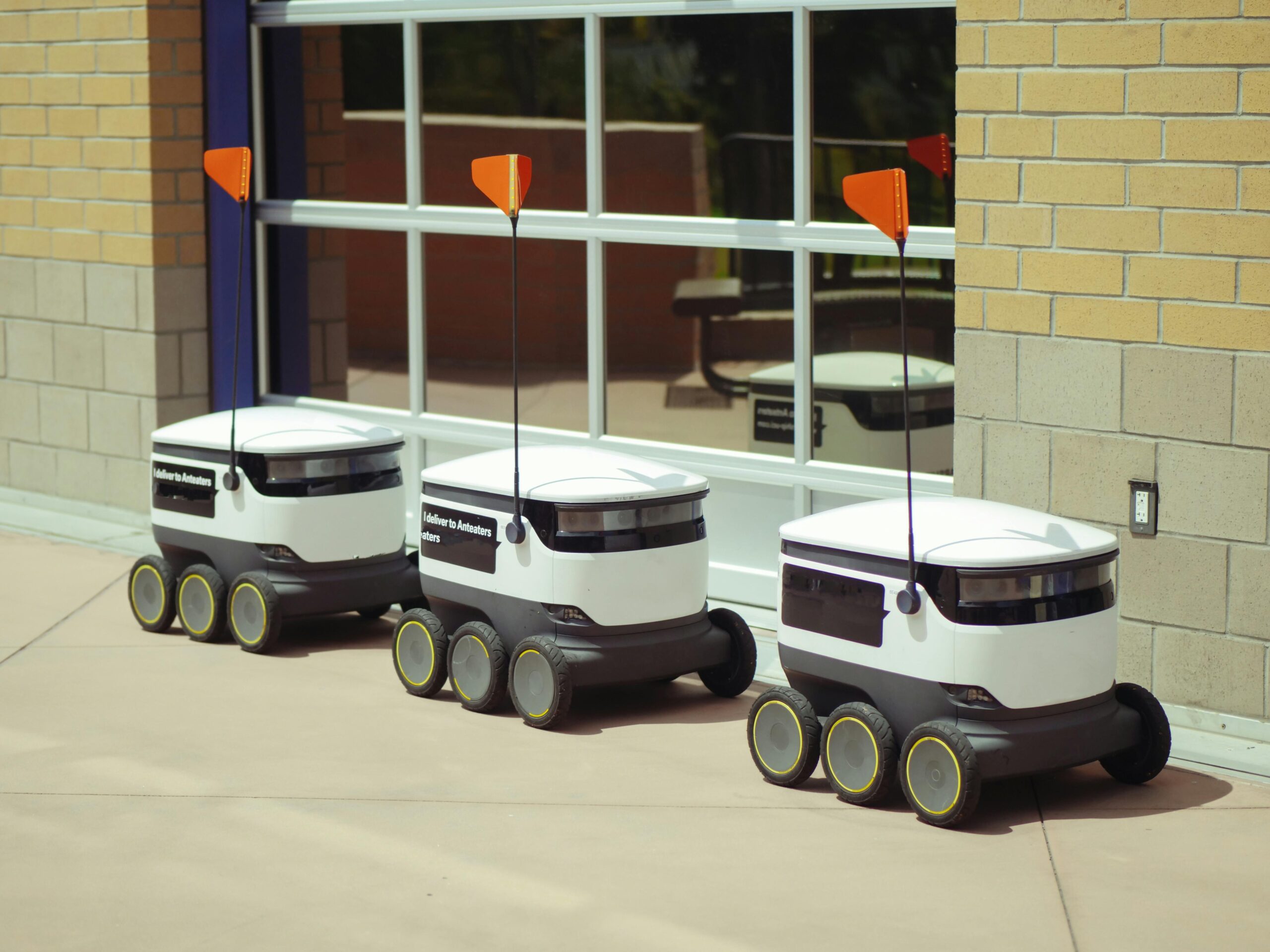
🎯 Charting the Course Toward Truly Safe Mobility
The revolution in movement represents one of the most important transformations of our time. As we design mobility systems for the future, we have an unprecedented opportunity to embed safety so deeply that it becomes inseparable from the concept of movement itself.
This vision requires abandoning outdated assumptions that accidents are inevitable or that safety comes at the expense of efficiency. Modern technology, thoughtful design, and commitment to human well-being enable us to create transportation systems where serious harm becomes rare rather than routine.
The journey toward this future won’t be instantaneous or without challenges. Legacy infrastructure must be updated. New technologies require refinement. Cultural attitudes need evolution. But every step toward safety-centered mobility design moves us closer to a future where everyone can move freely without fear, where transportation connects rather than endangers communities, and where innovation serves humanity’s most fundamental need—to arrive safely at our destinations.
The revolution in movement isn’t just about how we travel—it’s about valuing human life enough to ensure our mobility systems reflect that priority. By designing with safety at the core, we’re not just preventing accidents; we’re building the foundation for a more secure, connected, and humane future. The technology exists, the knowledge is available, and the need is urgent. What remains is the collective will to make safe mobility not just a goal, but our reality. 🚦