The future of urban living depends on our ability to reimagine transportation systems that prioritize sustainability, connectivity, and community well-being over conventional car-centric models.

As cities worldwide grapple with congestion, pollution, and climate change, the intersection of sustainable transportation and smart development has emerged as a critical pathway toward creating livable, resilient communities. The transformation from fossil fuel dependency to clean mobility solutions represents more than an environmental imperative—it’s a fundamental reimagining of how we design, navigate, and experience our urban spaces.
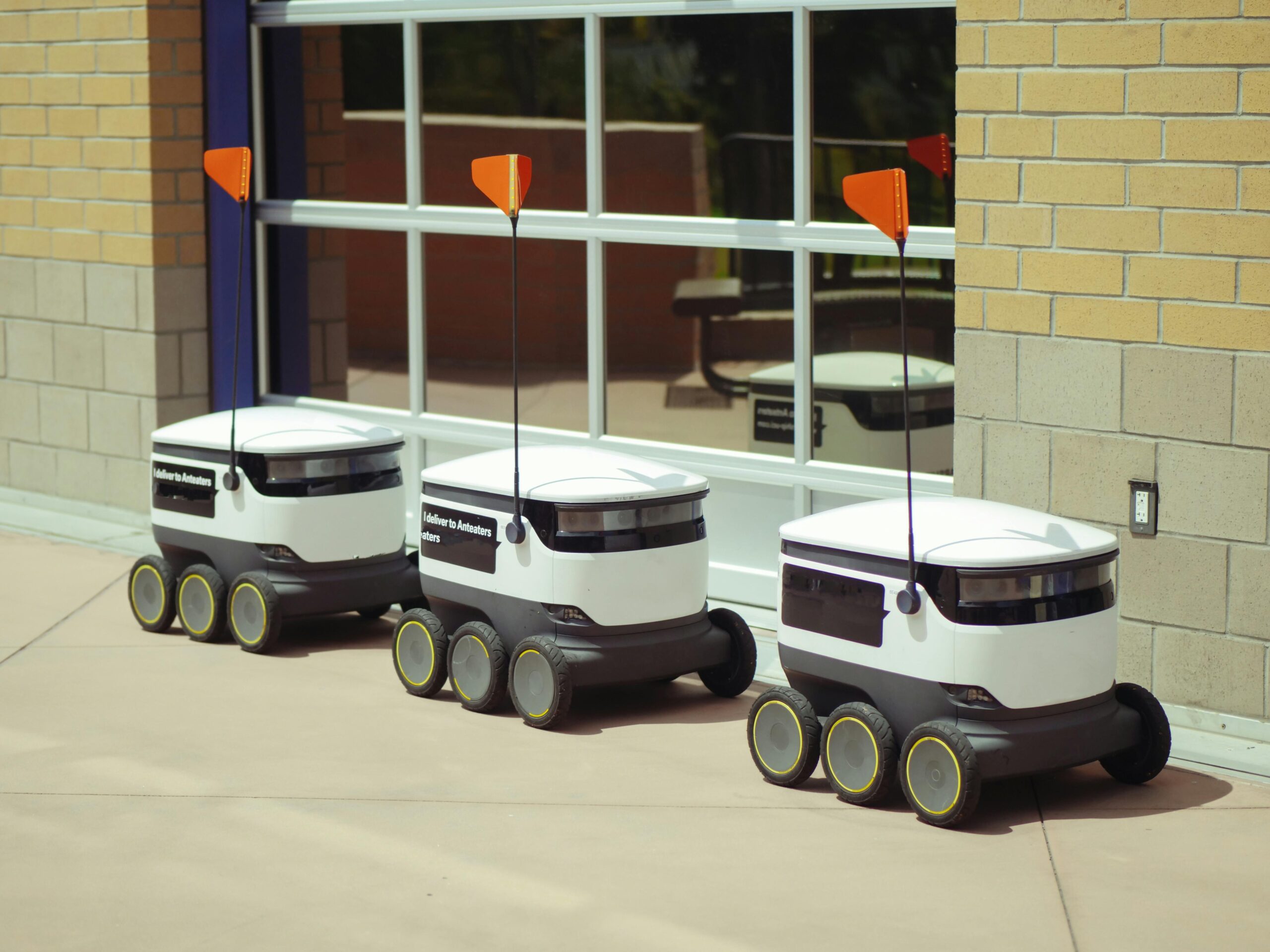
Today’s transportation challenges demand innovative solutions that integrate technology, policy, and community engagement. From electric vehicles and autonomous transit to bike-sharing networks and pedestrian-friendly infrastructure, the tools for change are increasingly accessible. However, success requires coordinated efforts across multiple sectors, bridging the gap between visionary planning and practical implementation.
🌍 The Environmental Imperative: Why Sustainable Transportation Matters Now
Transportation accounts for approximately 24% of global CO2 emissions, making it one of the largest contributors to climate change. In many developed nations, this percentage climbs even higher, with personal vehicles representing the majority of transportation-related emissions. The urgency of addressing this sector cannot be overstated as we race against time to limit global temperature increases.
Beyond carbon emissions, traditional transportation systems generate significant air pollution that affects public health. Particulate matter, nitrogen oxides, and volatile organic compounds from vehicle exhaust contribute to respiratory diseases, cardiovascular problems, and premature deaths in urban populations. The World Health Organization estimates that air pollution causes approximately seven million premature deaths annually worldwide.
Sustainable transportation offers a pathway to dramatically reduce these impacts while improving quality of life. Electric vehicles produce zero direct emissions, while public transit, cycling, and walking infrastructure reduce the overall number of vehicles on roads. These shifts don’t just benefit the environment—they create healthier, more vibrant communities where people can thrive.
🚗 Electric Mobility: Revolutionizing Personal Transportation
The electric vehicle revolution has accelerated dramatically in recent years, transforming from a niche market to mainstream adoption. Major automakers have committed billions to electrification, with many pledging to phase out internal combustion engines entirely within the next two decades. This transition represents the most significant shift in automotive technology since the industry’s inception.
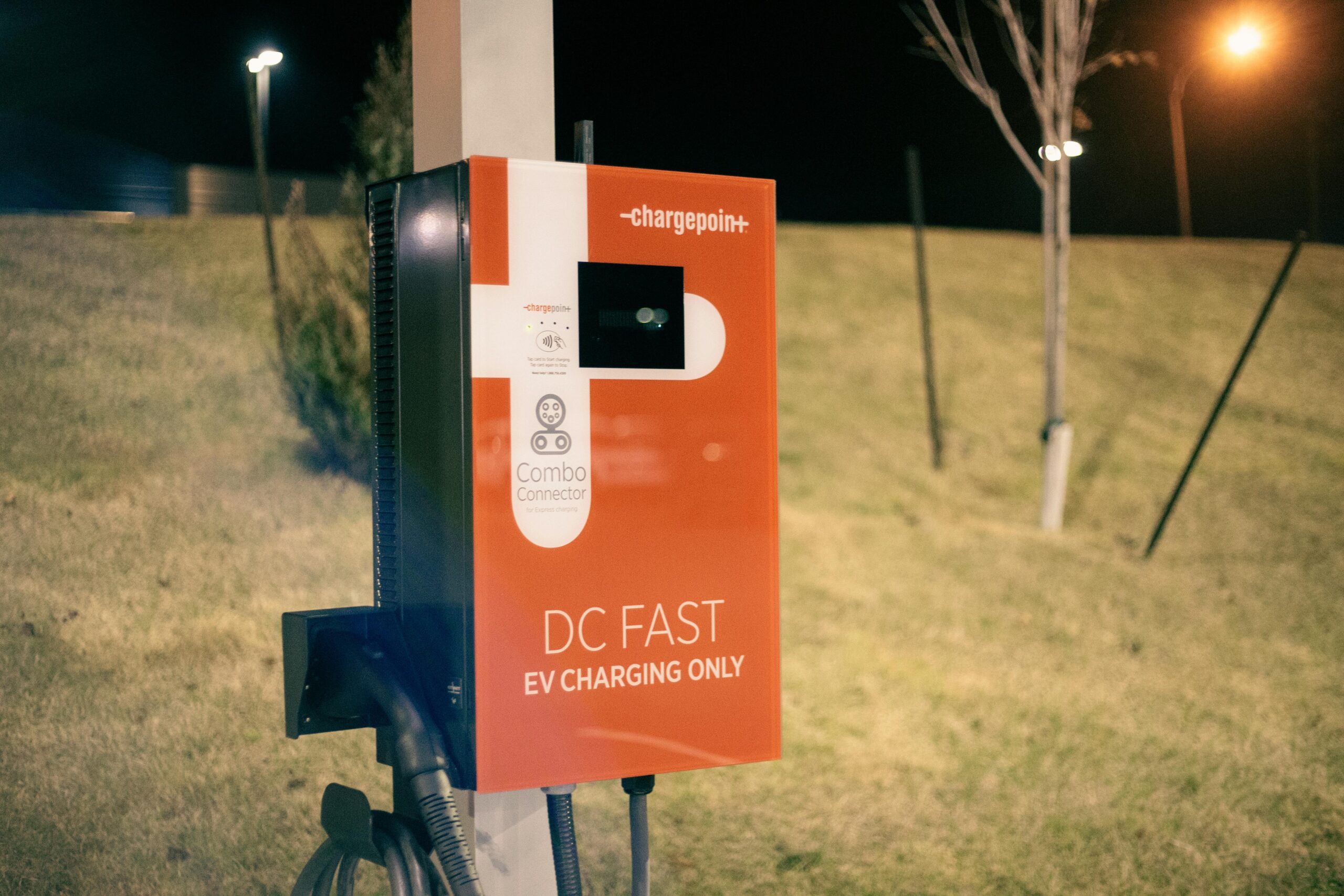
Battery technology improvements have addressed many early concerns about electric vehicles. Modern EVs offer ranges exceeding 300 miles on a single charge, with some models surpassing 400 miles. Charging infrastructure continues expanding globally, with fast-charging stations capable of replenishing batteries to 80% capacity in under 30 minutes. These advancements have eliminated range anxiety for most urban and suburban drivers.
The economic case for electric vehicles strengthens continuously. While upfront costs remain higher than comparable gasoline vehicles, total cost of ownership often favors EVs due to lower fuel and maintenance expenses. Governments worldwide offer incentives including tax credits, rebates, and preferential parking to accelerate adoption. As production scales and battery costs decline, price parity with conventional vehicles approaches rapidly.
Charging Infrastructure: Building the Foundation for Electric Mobility
Robust charging infrastructure forms the backbone of successful electric vehicle adoption. Cities must strategically deploy charging stations in residential areas, workplaces, commercial districts, and along major corridors. Public-private partnerships have proven effective in accelerating this buildout, combining government planning with private sector investment and operational expertise.
Smart charging systems optimize energy use by scheduling charging during off-peak hours when electricity demand and costs are lower. These systems can integrate with renewable energy sources, ensuring EVs charge using clean power. Vehicle-to-grid technology enables bidirectional energy flow, allowing EVs to store excess renewable energy and discharge it back to the grid during peak demand periods.
🚌 Public Transit Innovation: Moving People, Not Just Cars
Efficient public transportation remains the cornerstone of sustainable urban mobility. Modern transit systems leverage technology to enhance reliability, comfort, and convenience, making them competitive alternatives to private vehicles. Cities that prioritize public transit investment see reduced congestion, improved air quality, and enhanced social equity through affordable mobility access.
Bus rapid transit (BRT) systems deliver subway-level service at a fraction of the cost. Dedicated lanes, priority signaling, and level boarding platforms enable buses to move quickly and reliably through urban corridors. Cities like Bogotá, Curitiba, and Istanbul have demonstrated BRT’s transformative potential, moving millions of passengers daily with efficiency rivaling rail systems.
Light rail and metro systems provide high-capacity solutions for dense urban corridors. While requiring substantial upfront investment, rail transit offers long-term benefits including reduced road maintenance costs, lower per-passenger emissions, and transit-oriented development opportunities. Modern systems incorporate accessibility features, real-time information displays, and contactless payment systems that enhance user experience.
Mobility-as-a-Service: Integrating Transportation Options
Mobility-as-a-Service (MaaS) platforms integrate multiple transportation modes into seamless, user-friendly applications. These platforms allow users to plan, book, and pay for journeys combining public transit, bike-sharing, car-sharing, and ride-hailing services. By simplifying multimodal travel, MaaS reduces reliance on private vehicles and optimizes transportation network efficiency.
Successful MaaS implementation requires cooperation among transit agencies, private operators, and technology providers. Open data standards enable interoperability, while unified payment systems eliminate friction in switching between modes. Cities like Helsinki, Vienna, and Singapore have pioneered MaaS integration, demonstrating how digital platforms can transform urban mobility patterns.
🚴 Active Transportation: Pedaling and Walking Toward Sustainability
Cycling and walking infrastructure represents the most sustainable and health-promoting form of urban transportation. Protected bike lanes, pedestrian zones, and greenways create safe, attractive environments for active travel. Cities investing in active transportation infrastructure see increased cycling and walking rates, improved public health outcomes, and enhanced urban livability.
Copenhagen, Amsterdam, and Utrecht demonstrate the transformative potential of comprehensive cycling infrastructure. These cities have prioritized bicycle networks that connect residential neighborhoods with employment centers, schools, and commercial districts. Grade-separated crossings, bicycle highways, and extensive parking facilities make cycling the natural choice for short and medium-distance trips.
E-bikes have expanded cycling’s potential by making longer distances and hillier terrain accessible to broader populations. Electric assist reduces physical barriers for older adults, people with disabilities, and those concerned about arriving sweaty at destinations. E-bike adoption has surged globally, with many users replacing car trips rather than traditional bicycle rides, magnifying environmental benefits.
Micro-Mobility Solutions: Last-Mile Connectivity
Shared micro-mobility services including bike-sharing and e-scooter rentals address last-mile connectivity challenges that often deter public transit use. These services bridge gaps between transit stations and final destinations, making car-free travel practical for more people. Properly regulated and integrated with transit systems, micro-mobility significantly enhances overall network efficiency.
Dockless systems using smartphone apps have democratized access to shared micro-mobility. Users can locate, unlock, and pay for vehicles seamlessly, with GPS tracking ensuring accountability. However, cities must implement thoughtful regulations addressing parking, speed limits, and service areas to prevent sidewalk clutter and safety concerns that have plagued some implementations.
🏙️ Smart Urban Planning: Designing Communities for Sustainable Mobility
Transportation sustainability ultimately depends on urban form and land use patterns. Compact, mixed-use development reduces trip distances and makes walking, cycling, and transit viable for daily needs. Traditional car-dependent suburban sprawl increases vehicle miles traveled, emissions, and infrastructure costs while limiting transportation choices.
Transit-oriented development concentrates housing, employment, and amenities around high-quality transit stations. This approach creates walkable neighborhoods where residents can meet most needs without cars. Studies consistently show TOD residents drive significantly less than suburban counterparts, even when controlling for demographics and preferences. Smart growth policies that encourage TOD deliver environmental and social benefits.
Complete streets design ensures transportation infrastructure serves all users safely and comfortably. Wide sidewalks, protected bike lanes, transit lanes, and accessible crossings create environments where people of all ages and abilities can travel confidently. Retrofitting existing streets and designing new corridors with complete streets principles transforms automobile-dominated spaces into vibrant community assets.
The 15-Minute City: Reimagining Urban Accessibility
The 15-minute city concept envisions neighborhoods where residents can access daily necessities within a 15-minute walk or bike ride. This model reduces transportation demand, strengthens local economies, and enhances community connections. Paris, Melbourne, and Portland have embraced 15-minute city principles, implementing policies that encourage local services and discourage car dependency.
Achieving 15-minute accessibility requires coordinated land use and zoning reforms. Restrictive single-use zoning that separates residential, commercial, and institutional uses must evolve toward mixed-use approaches. Eliminating minimum parking requirements, allowing diverse housing types, and streamlining approvals for neighborhood-serving businesses enable the development patterns that make 15-minute neighborhoods possible.
📱 Technology Enablers: Data, AI, and Connectivity
Digital technology and data analytics revolutionize transportation planning and operations. Real-time traffic monitoring, predictive analytics, and adaptive signal control optimize network performance. Transportation agencies leverage big data to identify bottlenecks, prioritize investments, and evaluate policy interventions with unprecedented precision.
Artificial intelligence enhances public transit operations through demand prediction, route optimization, and maintenance scheduling. Machine learning algorithms analyze ridership patterns to adjust service frequencies and capacities dynamically. Predictive maintenance systems identify mechanical issues before failures occur, improving reliability while reducing costs.
Connected vehicle technology enables vehicles to communicate with infrastructure and each other, enhancing safety and efficiency. Vehicle-to-everything (V2X) systems warn drivers of hazards, optimize traffic flow, and support autonomous vehicle operations. As connectivity becomes ubiquitous, transportation networks will function more as integrated systems than collections of independent vehicles.
Autonomous Vehicles: Promise and Caution
Autonomous vehicles promise to transform transportation through improved safety, increased capacity, and enhanced accessibility for non-drivers. Self-driving technology could reduce the 94% of crashes caused by human error, saving thousands of lives annually. Shared autonomous vehicles might reduce parking demand, freeing urban land for productive uses.
However, autonomous vehicles also pose risks if deployed without careful planning. Cheap, convenient autonomous rides could increase total vehicle miles traveled, worsening congestion and sprawl. Cities must proactively regulate autonomous vehicles, ensuring they complement rather than undermine public transit and active transportation. Policies prioritizing shared autonomous vehicles over private ownership will determine whether this technology supports or sabotages sustainability goals.
💡 Policy Frameworks: Enabling Sustainable Transportation Transitions
Successful transportation transformation requires supportive policy frameworks at local, regional, and national levels. Carbon pricing mechanisms internalize environmental costs, creating economic incentives for cleaner transportation choices. Congestion pricing reduces traffic in urban cores while generating revenue for transit improvements. These market-based approaches efficiently encourage behavioral shifts.
Regulatory standards drive vehicle efficiency and emissions reductions. Fuel economy requirements, zero-emission vehicle mandates, and low-emission zones compel manufacturers to innovate while accelerating fleet turnover. California’s Advanced Clean Cars program has influenced national and international standards, demonstrating how ambitious regional policies can catalyze broader change.
Investment prioritization fundamentally shapes transportation systems. Governments must redirect funding from highway expansion toward transit, cycling infrastructure, and pedestrian improvements. Rebalancing transportation budgets aligns investments with sustainability goals while addressing historical inequities in infrastructure distribution. Performance-based funding that rewards emissions reductions and multimodal access ensures accountability.
🤝 Community Engagement: Building Inclusive Transportation Systems
Sustainable transportation planning must center community voices, particularly from historically marginalized populations who often bear disproportionate burdens from transportation pollution and inadequate service. Meaningful engagement goes beyond token consultation, incorporating diverse perspectives into decision-making processes and ensuring projects address community-identified priorities.
Equity considerations should guide transportation investments and policies. Low-income communities often have limited transportation options, face longer commutes, and spend higher percentages of income on mobility. Prioritizing transit service improvements, affordable fares, and safe walking and cycling infrastructure in underserved neighborhoods addresses these disparities while advancing sustainability.
Public education campaigns raise awareness about sustainable transportation benefits and available options. Many people underestimate alternatives to driving due to outdated perceptions or lack of information. Targeted outreach, employer incentives, and trial programs encourage experimentation with new modes, often revealing that sustainable options meet needs more effectively than assumed.
🌟 Success Stories: Cities Leading the Transportation Revolution
Copenhagen’s transformation into a cycling capital demonstrates sustained commitment’s power. Over 60% of residents commute by bicycle daily, supported by 400 kilometers of dedicated cycle tracks. The city continues innovating with bicycle highways, cargo bike infrastructure, and winter maintenance that keeps cyclists moving year-round. This success stems from decades of consistent policy prioritizing active transportation.
Shenzhen, China electrified its entire 16,000-bus fleet, becoming the first major city to achieve 100% electric public transit. This massive undertaking eliminated significant diesel emissions while demonstrating electric bus technology’s viability at scale. Shenzhen’s experience provides a roadmap for other cities considering fleet electrification, proving technical and operational feasibility.
Oslo combines multiple sustainable transportation strategies in an integrated approach. The city has implemented congestion pricing, removed city center parking, invested heavily in cycling infrastructure, and achieved high electric vehicle adoption rates. These complementary policies reinforce each other, creating a comprehensive system that makes sustainable choices convenient and driving progressively less attractive.

🚀 Accelerating Progress: The Path Forward
The transition to sustainable, connected transportation systems represents one of the defining challenges and opportunities of our time. While obstacles remain—from political resistance to infrastructure costs—the tools, knowledge, and examples exist to drive meaningful change. Success requires bold leadership, sustained investment, and recognition that transportation transformation is inseparable from broader urban sustainability efforts.
Collaboration across sectors and scales accelerates progress. National governments must provide funding, standards, and policy frameworks. Regional bodies coordinate transportation planning across municipal boundaries. Local governments implement infrastructure projects and land use reforms. Private companies innovate technologies and services. Communities advocate for priorities and hold leaders accountable. No single actor can achieve transformation alone.
The climate crisis timeline demands urgency. Transportation sector emissions must decline rapidly to meet Paris Agreement targets and limit catastrophic warming. Every year of delay locks in decades of emissions from long-lived infrastructure and vehicles. Yet urgency must balance with thoughtful implementation that centers equity, listens to communities, and builds enduring systems rather than quick fixes.
Ultimately, sustainable transportation is about more than vehicles and infrastructure—it’s about creating communities where people flourish. Streets designed for people rather than cars become public spaces fostering connection and vitality. Clean air improves health outcomes and quality of life. Transportation options empower mobility regardless of income or ability. These benefits extend far beyond emissions reductions, enriching daily life while addressing climate change.
The future of transportation is being written now through the decisions we make and the systems we build. By embracing innovation, prioritizing sustainability, and designing for human needs rather than automobile convenience, we can create transportation networks that serve both people and planet. The journey toward greener, connected communities requires vision, commitment, and collective action—but the destination promises cities worth inhabiting for generations to come.