Urban centers worldwide face mounting pressures from population growth, climate change, and resource scarcity, demanding innovative approaches to build cities that thrive sustainably.

The unprecedented pace of urbanization has transformed our planet into an increasingly metropolitan world. Today, more than half of humanity lives in cities, and this proportion is projected to reach nearly 70% by 2050. This massive demographic shift presents both extraordinary opportunities and formidable challenges for urban planners, policymakers, and communities alike. Building stronger cities isn’t merely about constructing taller buildings or wider roads—it’s about creating resilient, sustainable ecosystems where people, nature, and infrastructure coexist harmoniously.
The concept of urban resilience has evolved significantly over recent decades. Initially focused primarily on disaster preparedness, resilient urban development now encompasses economic adaptability, social cohesion, environmental sustainability, and institutional flexibility. Cities must prepare not only for sudden shocks like earthquakes or floods but also for gradual stresses such as climate change, demographic shifts, and economic transformations.
🏗️ Foundations of Resilient Urban Infrastructure
Strong cities begin with robust infrastructure that can withstand both predictable challenges and unexpected crises. Traditional infrastructure planning often operated in silos, with transportation, water, energy, and communication systems developed independently. Modern resilient design recognizes the interconnected nature of urban systems and prioritizes integrated approaches that enhance overall city functionality.
Smart infrastructure leverages technology to optimize resource use and improve service delivery. Sensors embedded throughout cities collect real-time data on traffic patterns, air quality, energy consumption, and infrastructure health. This information enables proactive maintenance, reduces waste, and helps cities respond swiftly to emerging problems before they escalate into crises.
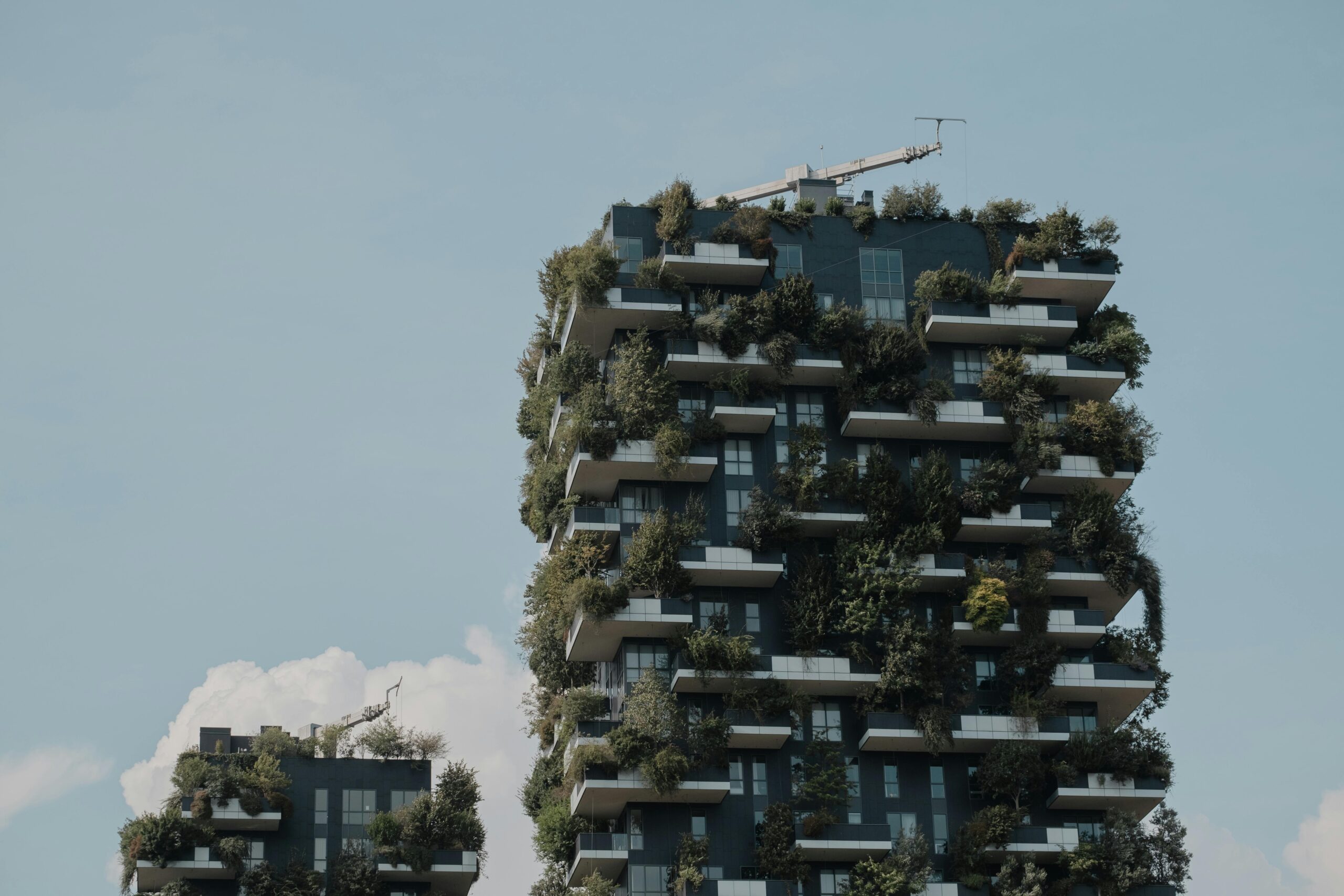
Green infrastructure represents another critical component of resilient cities. Parks, green roofs, bioswales, and urban forests provide multiple benefits: they absorb stormwater runoff, reduce urban heat islands, improve air quality, and enhance residents’ mental health. Cities like Singapore and Copenhagen have demonstrated that integrating nature into the urban fabric isn’t a luxury but a necessity for long-term sustainability.
Building Adaptive Transportation Networks
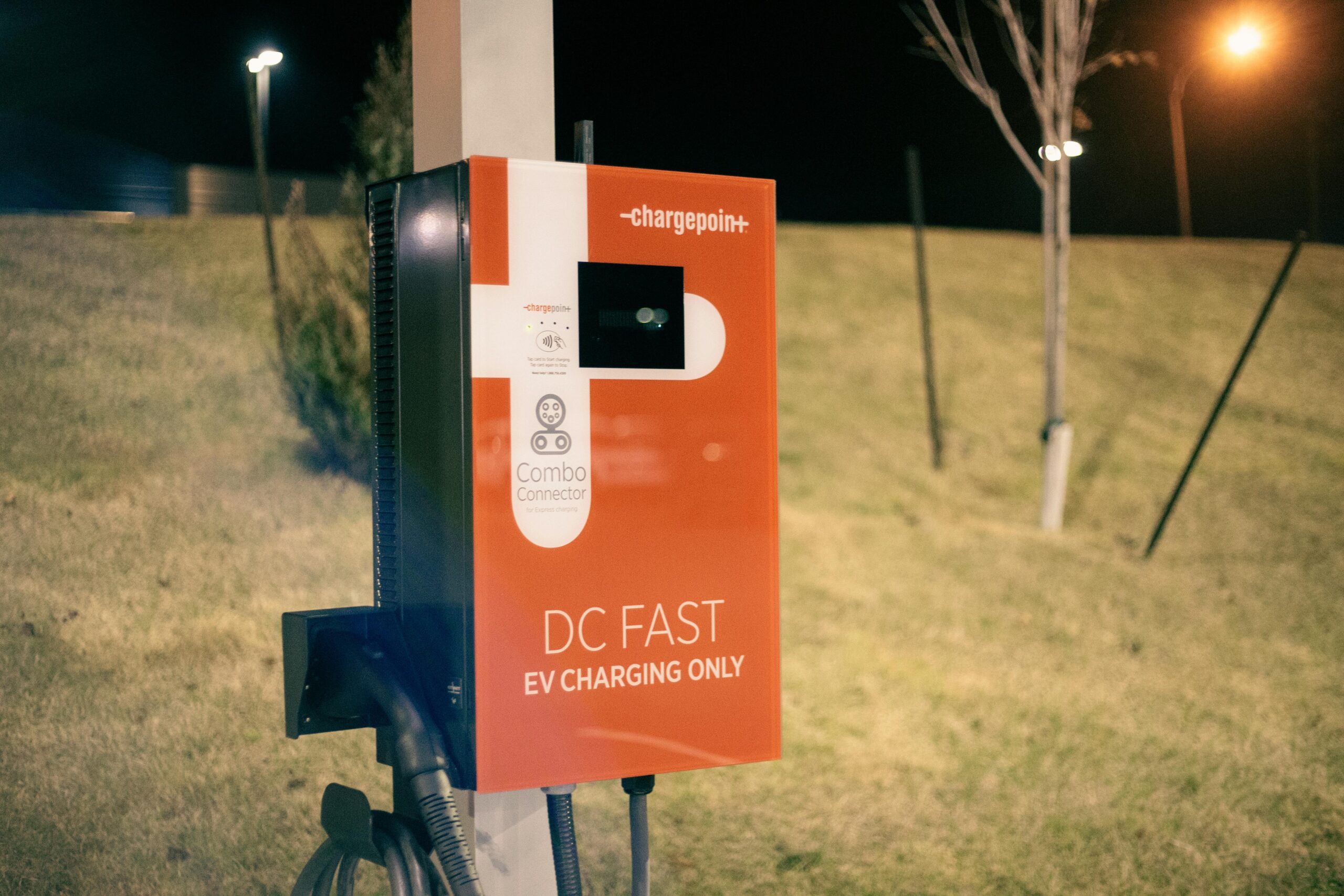
Transportation systems profoundly shape urban development patterns and quality of life. Resilient cities prioritize diverse, interconnected mobility options that reduce dependence on private automobiles. This includes expanding public transit networks, creating protected bicycle lanes, developing walkable neighborhoods, and embracing emerging technologies like electric vehicles and shared mobility services.
Transit-oriented development concentrates housing, employment, and services around public transportation hubs, reducing commute times and environmental impacts while fostering vibrant, mixed-use communities. Cities such as Tokyo, Zurich, and Bogotá have successfully implemented this model, demonstrating that efficient public transportation can be the backbone of sustainable urban growth.
🌱 Environmental Sustainability as Urban Strategy
Climate change poses existential threats to cities worldwide, from rising sea levels affecting coastal metropolises to extreme heat endangering inland urban populations. Sustainable urban development requires cities to simultaneously reduce their environmental footprints while adapting to unavoidable climate impacts.
Energy efficiency and renewable energy adoption are paramount. Buildings account for approximately 40% of global energy consumption and a significant portion of greenhouse gas emissions. Implementing stringent building codes, retrofitting existing structures, and transitioning to renewable energy sources can dramatically reduce cities’ carbon footprints. Cities like Freiburg, Germany, and Burlington, Vermont, have achieved remarkable progress toward carbon neutrality through comprehensive energy strategies.
Water management represents another critical sustainability challenge. Many cities face water scarcity, while others struggle with flooding and water quality issues. Integrated water resource management combines conservation, rainwater harvesting, wastewater treatment and reuse, and natural drainage systems. Melbourne’s response to the Millennium Drought and Singapore’s comprehensive water strategy demonstrate how forward-thinking policies can ensure water security even in resource-constrained environments.
Circular Economy Principles in Urban Context
Linear “take-make-dispose” economic models generate unsustainable waste streams and resource depletion. Circular economy approaches redesign systems to eliminate waste, keeping materials in productive use for as long as possible. Cities can implement circular principles through:
- Comprehensive recycling and composting programs that divert organic and inorganic waste from landfills
- Industrial symbiosis initiatives where one company’s waste becomes another’s raw material
- Sharing economy platforms that maximize utilization of underused assets like vehicles, tools, and spaces
- Design standards requiring products to be repairable, upgradable, and eventually recyclable
- Local food systems that reduce transportation emissions and reconnect urban residents with agriculture
Amsterdam has emerged as a global leader in circular urban economy, with ambitious plans to become fully circular by 2050. The city’s initiatives span construction, food systems, consumer goods, and organic waste streams, creating new economic opportunities while dramatically reducing environmental impacts.
💼 Economic Resilience and Inclusive Growth
Economic vitality provides cities with resources to invest in infrastructure, services, and resilience measures. However, sustainable urban development demands inclusive economic growth that benefits all residents, not just privileged segments of the population.
Economic diversification reduces vulnerability to industry-specific downturns. Cities overly dependent on single industries—whether manufacturing, finance, or natural resources—face catastrophic consequences when those sectors decline. Fostering diverse economic ecosystems with multiple thriving sectors, from technology and creative industries to healthcare and education, creates stability and adaptability.
Supporting small and medium enterprises, particularly local businesses, strengthens economic resilience while retaining wealth within communities. When residents shop locally, money circulates through the local economy multiple times, multiplying its beneficial impacts. Cities can support local business through procurement policies, technical assistance programs, and business-friendly regulations that don’t favor large corporations exclusively.
Workforce Development for Future Economies
Technological change constantly reshapes labor markets, with automation and artificial intelligence displacing some jobs while creating new opportunities. Resilient cities invest heavily in education and workforce development, ensuring residents possess skills demanded by evolving economies.
This includes strengthening STEM education, promoting vocational training in emerging fields, facilitating lifelong learning opportunities, and ensuring equitable access to quality education regardless of socioeconomic background. Partnership between educational institutions, businesses, and government creates pathways from education to employment, reducing structural unemployment and underemployment.
🤝 Social Cohesion and Community Empowerment
Physical infrastructure and economic prosperity alone don’t create truly resilient cities. Social capital—the networks, relationships, and trust binding communities together—determines how effectively cities weather crises and pursue collective goals.
Inclusive planning processes that genuinely engage diverse community voices lead to better outcomes and stronger social cohesion. When residents participate meaningfully in decisions affecting their neighborhoods, they develop ownership and investment in outcomes. Participatory budgeting, community visioning exercises, and co-design processes can democratize urban development, though they require authentic commitment rather than tokenistic consultation.
Affordable housing represents perhaps the most pressing social challenge facing cities globally. Skyrocketing housing costs displace long-term residents, fracture communities, increase homelessness, and force workers into lengthy commutes that strain transportation systems and reduce quality of life. Vienna’s social housing model, which provides high-quality affordable homes to broad segments of the population, demonstrates that housing affordability is achievable with political will and appropriate policies.
Creating Equitable Public Spaces
Public spaces—parks, plazas, libraries, community centers—serve as the living rooms of cities, providing venues for recreation, social interaction, cultural expression, and civic engagement. High-quality public spaces accessible to all residents strengthen community bonds and promote social inclusion.
However, public space development must consciously address equity. Historically, marginalized neighborhoods often receive fewer and lower-quality public amenities. Equitable distribution of parks, playgrounds, and community facilities ensures that all residents, regardless of income or neighborhood, enjoy access to urban amenities that enhance quality of life.
📊 Governance and Institutional Capacity
Effective urban governance coordinates complex systems involving multiple stakeholders, jurisdictions, and interests. Resilient cities require capable institutions with clear mandates, adequate resources, technical expertise, and accountability mechanisms.
| Governance Principle | Implementation Strategy | Expected Outcome |
|---|---|---|
| Transparency | Open data initiatives and public reporting | Increased trust and accountability |
| Collaboration | Cross-departmental teams and regional partnerships | Coordinated solutions to complex challenges |
| Adaptability | Flexible regulations and iterative planning | Responsive policies that evolve with circumstances |
| Evidence-based decision making | Data collection, analysis, and monitoring | Effective interventions informed by results |
Metropolitan governance presents particular challenges since urban regions often span multiple jurisdictions with fragmented authority. Regional coordination mechanisms—whether formal metropolitan governments or voluntary cooperation frameworks—enable collective action on issues like transportation, environmental protection, and economic development that transcend municipal boundaries.
Financing Sustainable Urban Development
Ambitious urban transformation requires substantial financial resources. Traditional funding sources—property taxes, user fees, and intergovernmental transfers—often prove insufficient for necessary investments in resilience and sustainability.
Innovative financing mechanisms can unlock additional resources. Green bonds earmarked for environmental projects have grown dramatically, attracting investors seeking both financial returns and positive impacts. Value capture mechanisms recover portions of increased property values resulting from public investments, ensuring that communities benefit from infrastructure improvements. Public-private partnerships, when structured appropriately with strong public oversight, can leverage private capital and expertise for public benefit.
🌍 Learning from Global Urban Innovation
Cities worldwide are experimenting with innovative approaches to resilience and sustainability, creating a rich repository of lessons and best practices. While local context always matters, successful strategies can often be adapted across different settings.
Medellín, Colombia, transformed from one of the world’s most dangerous cities into a model of inclusive urban innovation through investments in public transportation connecting marginalized hillside neighborhoods, library parks providing community resources in underserved areas, and participatory governance engaging residents in urban improvement.
Copenhagen’s comprehensive climate adaptation plan addresses projected increases in extreme rainfall through a combination of green infrastructure, underground storage, and redesigned public spaces that serve multiple functions—attractive during normal conditions and capable of managing stormwater during extreme events.
Kigali, Rwanda, has emerged as one of Africa’s cleanest, most efficiently managed cities through strict environmental regulations, effective waste management, and participatory community cleaning initiatives that engage residents in maintaining urban quality.
🔮 Embracing Technological Innovation Responsibly
Technology offers powerful tools for enhancing urban resilience and sustainability, from artificial intelligence optimizing energy grids to blockchain enabling peer-to-peer renewable energy trading. However, technological solutionism—the belief that technology alone can solve complex social problems—oversimplifies urban challenges.
Smart city technologies must be implemented thoughtfully, with attention to privacy, equity, and democratic governance. Data collection and algorithmic decision-making raise important questions about surveillance, discrimination, and accountability. Cities should ensure that technological systems serve public interests, protect individual rights, and don’t exacerbate existing inequalities.
Digital inclusion represents a critical equity concern as cities increasingly deliver services and opportunities through digital channels. Ensuring all residents have access to affordable internet, digital devices, and digital literacy skills prevents technological advancement from leaving vulnerable populations behind.
🚀 Pathways Forward for Urban Transformation
Building stronger cities through resilient growth and sustainable development isn’t achieved through single interventions but through sustained, coordinated efforts across multiple domains. Success requires vision, commitment, collaboration, and adaptability.
Cities must develop comprehensive resilience strategies that integrate infrastructure, environmental sustainability, economic development, social equity, and governance. These strategies should set clear goals, identify priorities, allocate responsibilities, and establish monitoring mechanisms to track progress and enable course corrections.
Implementation demands multi-stakeholder collaboration involving government at all levels, private sector entities, civil society organizations, academic institutions, and community groups. Each stakeholder brings unique resources, perspectives, and capabilities. Effective partnerships leverage these diverse strengths toward shared objectives.
Urban transformation unfolds over decades, requiring patience and persistence alongside urgency. Quick wins that demonstrate progress and build momentum complement long-term structural changes that fundamentally reshape urban systems. Celebrating successes, learning from setbacks, and maintaining commitment through leadership changes and shifting political winds determine whether ambitious visions become realities.
The cities we build today will shape human civilization for generations. Climate change, technological disruption, demographic shifts, and evolving social expectations create unprecedented challenges. Yet these same forces present extraordinary opportunities to reimagine urban life, creating cities that are not only stronger and more resilient but also more equitable, sustainable, and enriching for all who call them home. The strategies and principles outlined here provide a roadmap for that essential transformation, but success ultimately depends on collective will, sustained commitment, and bold action from urban leaders and citizens worldwide.