Cities worldwide face mounting climate threats, from extreme heat to flooding. Innovative adaptation strategies are transforming urban spaces into resilient ecosystems capable of weathering environmental challenges.

🌆 The Urgent Need for Climate-Resilient Urban Infrastructure
Urban centers house more than half of the global population, and this figure continues to climb. As climate change accelerates, cities bear the brunt of environmental disruptions—rising temperatures, unpredictable precipitation patterns, and intensifying natural disasters. The vulnerability of metropolitan areas stems from their concentration of people, infrastructure, and economic activity, making climate adaptation not just an environmental imperative but an economic and social necessity.
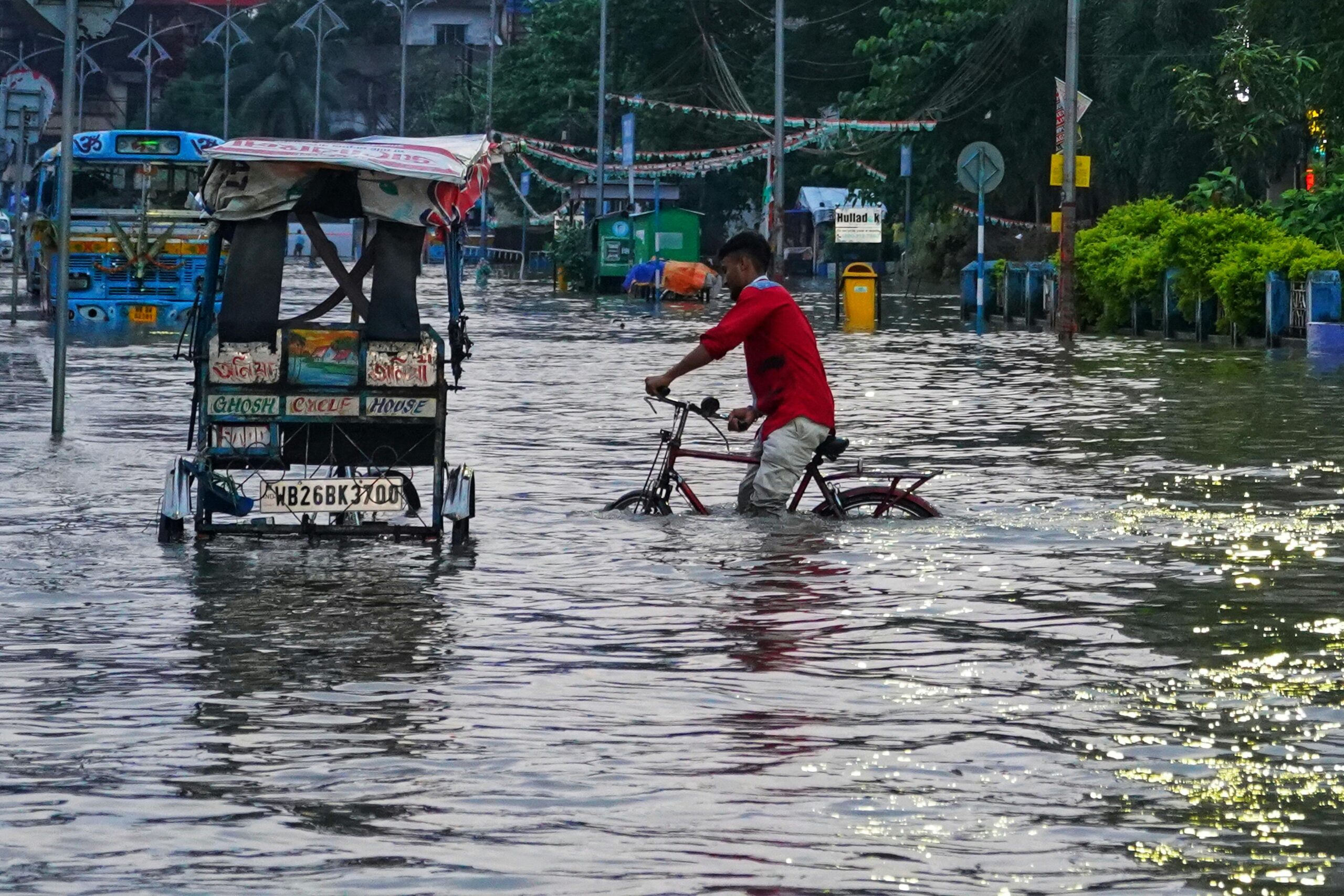
Traditional urban planning models, designed for stable climate conditions, are proving inadequate. Cities like Miami face regular flooding even on sunny days due to sea-level rise, while Delhi experiences life-threatening heat waves that paralyze daily activities. These realities demand a fundamental reimagining of how we build, manage, and inhabit urban spaces.
The financial costs of inaction are staggering. Natural disasters in urban areas cause billions in damages annually, disrupting supply chains, destroying homes, and displacing vulnerable communities. Beyond immediate damages, chronic climate stresses reduce productivity, increase health expenditures, and diminish quality of life. Investment in resilience, though substantial, pales in comparison to the mounting costs of climate-related disasters.
Nature-Based Solutions: Green Infrastructure as Climate Defense
Forward-thinking cities are embracing nature-based solutions that work with natural processes rather than against them. Green infrastructure represents a paradigm shift from grey concrete solutions to living systems that provide multiple benefits while addressing climate challenges.
Urban forests and tree canopy programs have emerged as powerful tools for temperature regulation. Trees provide shade, reduce surface temperatures through evapotranspiration, and absorb carbon dioxide. Singapore’s commitment to becoming a “city in a garden” demonstrates this approach at scale, with vertical gardens adorning buildings and comprehensive tree coverage throughout public spaces. Studies show that strategic tree placement can reduce local temperatures by up to 8 degrees Celsius.
Green roofs and walls transform sterile building surfaces into living ecosystems. These installations insulate buildings, reducing energy consumption for heating and cooling while managing stormwater runoff. Copenhagen has mandated green roofs on new buildings, creating a network of elevated gardens that absorb rainwater during the city’s increasingly intense precipitation events.
Wetlands and Bioswales: Natural Water Management Systems
Constructed wetlands and bioswales manage water flows while filtering pollutants and creating habitat for urban wildlife. These features slow water movement during storms, allowing gradual infiltration rather than overwhelming drainage systems. Philadelphia’s Green City, Clean Waters program has installed thousands of rain gardens and bioswales, managing over 9 billion gallons of stormwater annually while beautifying neighborhoods.
Urban wetland restoration reconnects cities with their natural hydrology. Cities built on drained wetlands, like much of the Netherlands, are reintroducing water features that accommodate flooding while providing recreational spaces. These “room for the river” projects demonstrate that adaptation can enhance rather than compromise urban livability.
Smart Technology Powering Adaptive Urban Systems 📱
Digital technology enables cities to monitor, predict, and respond to climate threats with unprecedented precision. Smart city platforms integrate data from thousands of sensors, creating real-time awareness of urban conditions and enabling proactive management.
Early warning systems leverage artificial intelligence to predict extreme weather events and trigger automated responses. Barcelona’s smart water management system uses sensors throughout its network to detect leaks, optimize pressure, and redirect flows during storms, reducing water waste by 25% while preventing flood damage.
Climate monitoring networks provide granular data on urban microclimates. Heat maps identify vulnerability hotspots where elderly populations face disproportionate risks during heat waves. This information guides targeted interventions like cooling centers, street-level misting systems, and community outreach programs.
Digital Twins: Virtual Cities for Climate Planning
Digital twin technology creates virtual replicas of cities, allowing planners to simulate climate scenarios and test adaptation strategies before implementing them. Singapore’s Virtual Singapore platform models everything from wind patterns between buildings to flood propagation during extreme rainfall events. Planners can evaluate the effectiveness of proposed interventions, optimizing investments for maximum resilience benefit.
These virtual environments incorporate climate projections decades into the future, enabling long-term planning that accounts for changing conditions. Infrastructure investments, which typically last 50-100 years, can be designed for the climate cities will experience rather than historical conditions.
🏗️ Reimagining Building Design for Climate Extremes
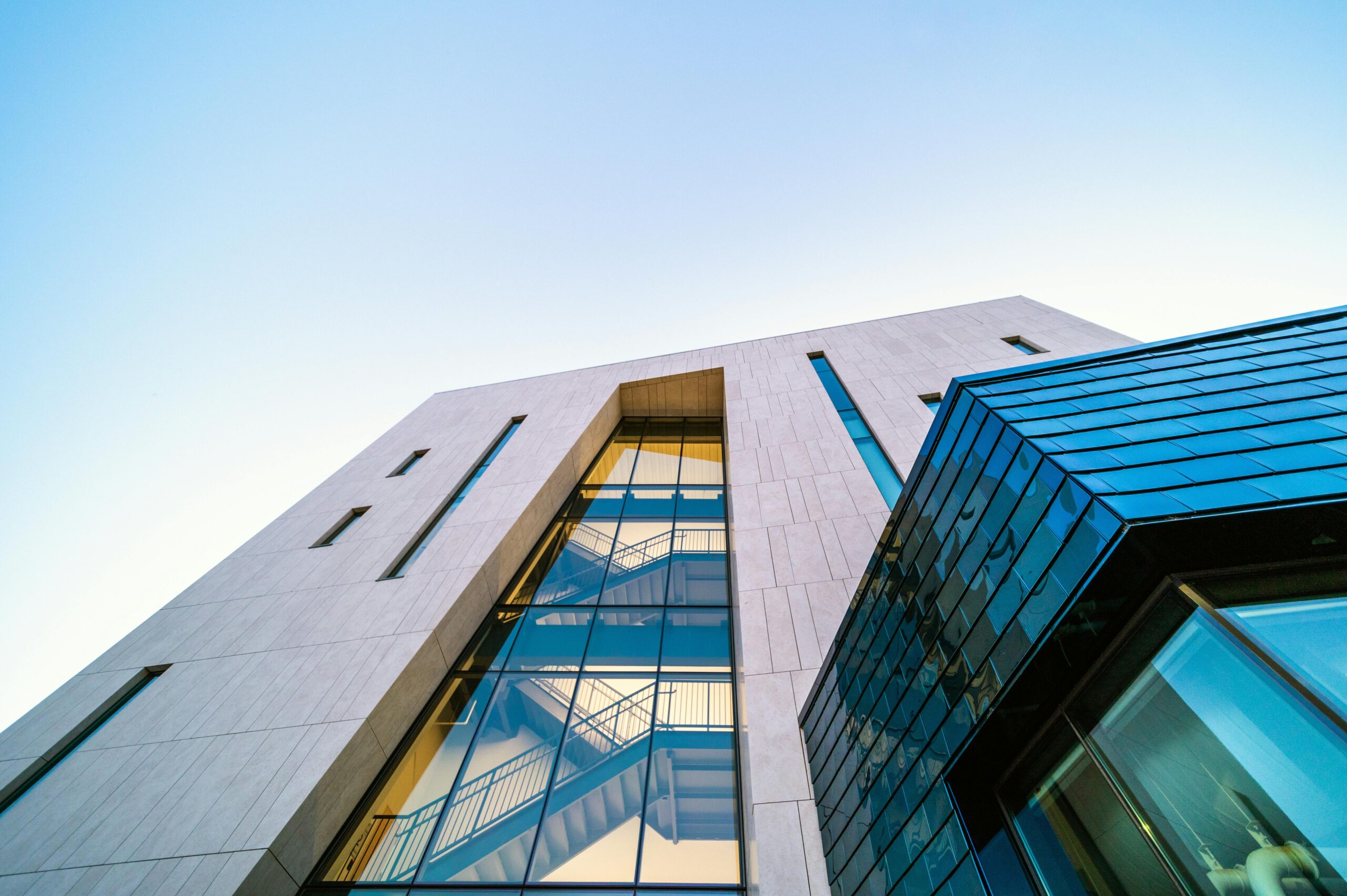
Architecture and construction practices are evolving to address climate realities. Buildings account for significant energy consumption and greenhouse gas emissions while housing populations increasingly exposed to climate hazards. Climate-adaptive design addresses both mitigation and adaptation simultaneously.
Passive cooling strategies reduce reliance on energy-intensive air conditioning. Traditional architectural wisdom from hot climates—thick walls, small windows, natural ventilation, and reflective surfaces—is being rediscovered and enhanced with modern materials. Buildings in hot regions increasingly feature wind catchers, solar chimneys, and phase-change materials that absorb heat during the day and release it at night.
Flood-resistant construction elevates living spaces above projected flood levels and uses water-resistant materials for lower levels. In flood-prone regions, amphibious housing rises with water levels, floating on foundations that remain anchored while accommodating vertical movement. The Netherlands pioneered these designs, which are now spreading to riverine and coastal cities globally.
Materials Innovation for Extreme Conditions
Advanced materials enhance building resilience while reducing environmental impact. Ultra-high-performance concrete withstands extreme temperatures and weather events while requiring less material. Cool roofing materials reflect solar radiation, reducing building heat absorption and the urban heat island effect.
Biomaterials offer sustainable alternatives to carbon-intensive concrete and steel. Mass timber construction sequesters carbon while providing excellent structural performance. Mycelium-based insulation and hempcrete offer natural temperature regulation with minimal environmental footprint.
Water Security in an Era of Extremes 💧
Climate change disrupts water availability, creating simultaneous risks of shortage and excess. Cities must manage both drought and flooding, often in the same location during different seasons. Integrated water management approaches address this paradox through storage, efficiency, and alternative sources.
Rainwater harvesting captures precipitation for non-potable uses like irrigation, toilet flushing, and industrial processes. Melbourne’s mandatory rainwater tanks for new homes collectively store millions of liters, reducing demand on municipal supplies while preventing stormwater runoff. Commercial buildings with sophisticated rainwater systems achieve near water independence for non-drinking purposes.
Wastewater recycling transforms sewage into resources. Advanced treatment produces water suitable for everything from agriculture to drinking. Singapore’s NEWater program recycles wastewater to high-grade purity, now supplying 40% of the city-state’s water needs. This closed-loop approach insulates cities from climate-driven water scarcity.
Desalination and Alternative Water Sources
Coastal cities increasingly turn to desalination, though energy requirements remain significant. Solar-powered desalination plants reduce carbon footprints while providing climate-proof water supplies. Perth, Australia, relies on desalination for nearly half its water, ensuring supply despite declining rainfall.
Atmospheric water generation extracts moisture from air, providing localized water production even in arid conditions. While currently limited in scale, this technology offers promise for distributed water security, particularly in water-stressed regions with high humidity.
🚇 Climate-Resilient Transportation Networks
Transportation infrastructure faces multiple climate threats—flooding inundates tunnels and roads, heat buckles rails and softens asphalt, and extreme weather disrupts services. Resilient transport systems incorporate redundancy, weatherproofing, and modal diversity.
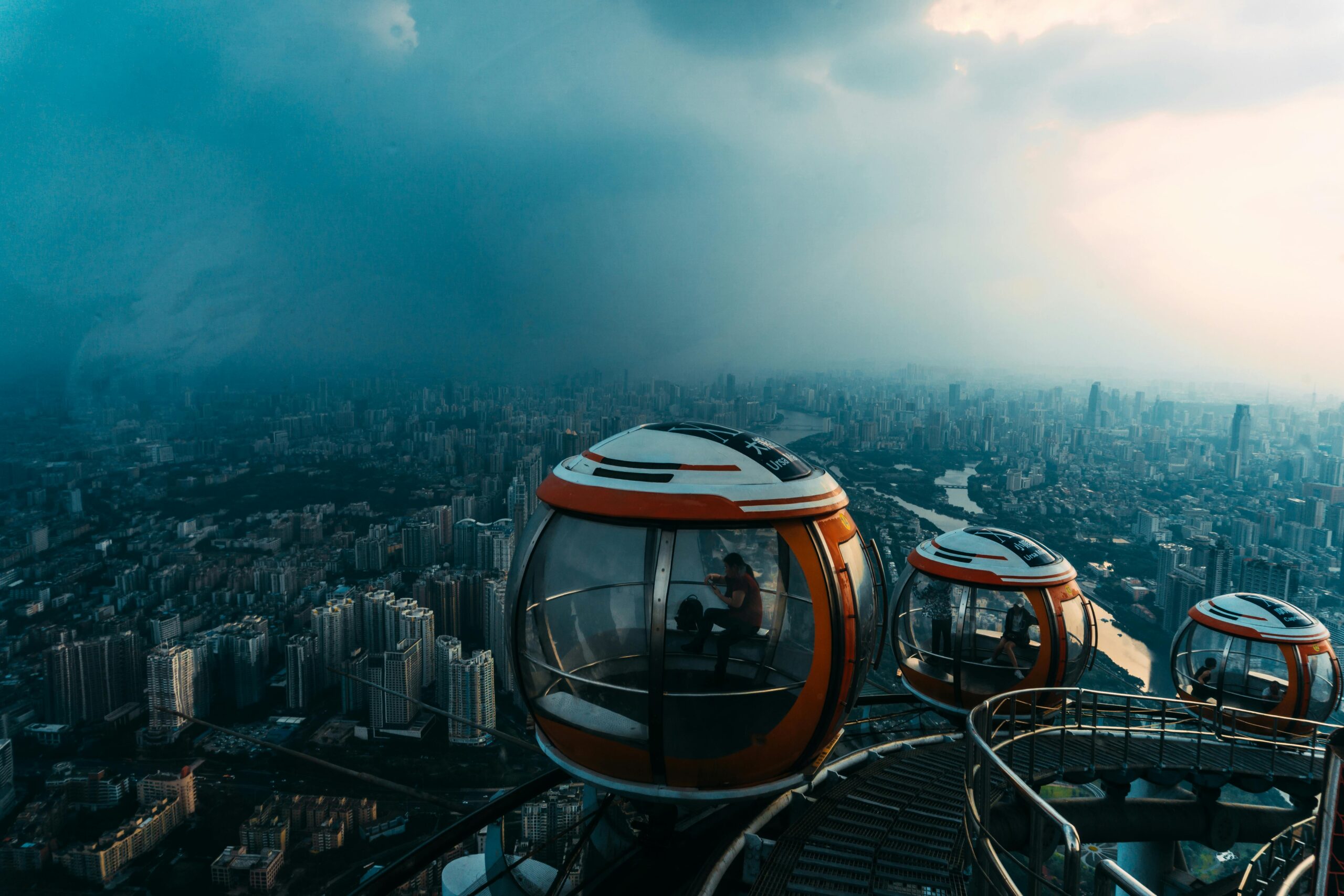
Elevated transit systems avoid flood risks while reducing surface congestion. Cable cars and gondolas, traditionally associated with mountainous terrain, are appearing in flat urban areas as flood-proof, energy-efficient transport options. La Paz, Bolivia’s extensive urban cable car network demonstrates this approach at scale, moving millions of passengers above traffic and topographic challenges.
Active transportation infrastructure—walking and cycling networks—provides resilient, zero-emission mobility. Protected bike lanes and pedestrian zones reduce heat exposure through shade structures and water features. Copenhagen’s cycling superhighways prioritize bicycle traffic, with weather-protected routes enabling year-round use regardless of conditions.
Electric and Shared Mobility Solutions
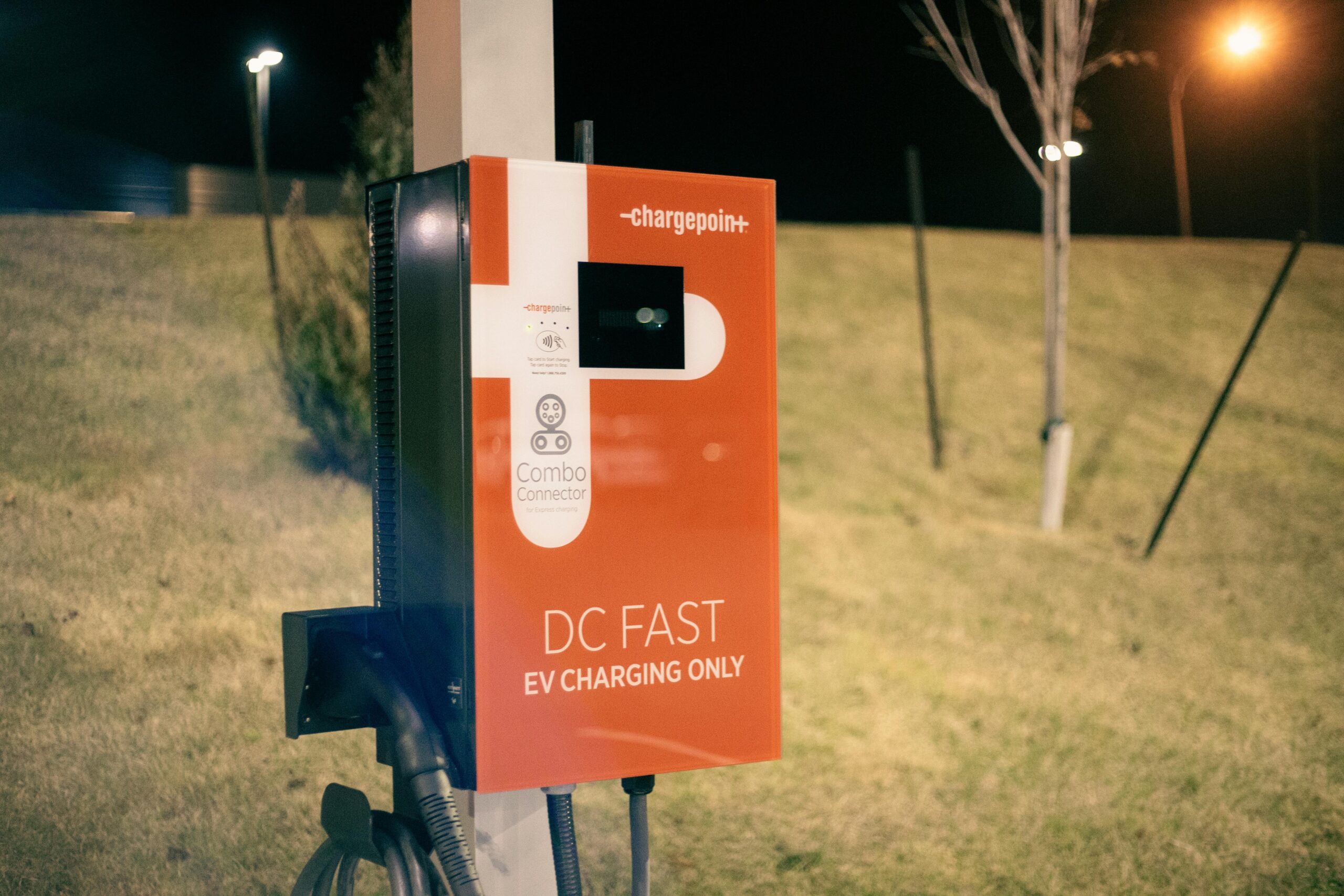
Electrification reduces transport emissions while improving local air quality. Electric bus fleets, increasingly common in Chinese cities, eliminate diesel pollution while reducing noise. When powered by renewable energy, electric transport becomes a zero-carbon mobility solution.
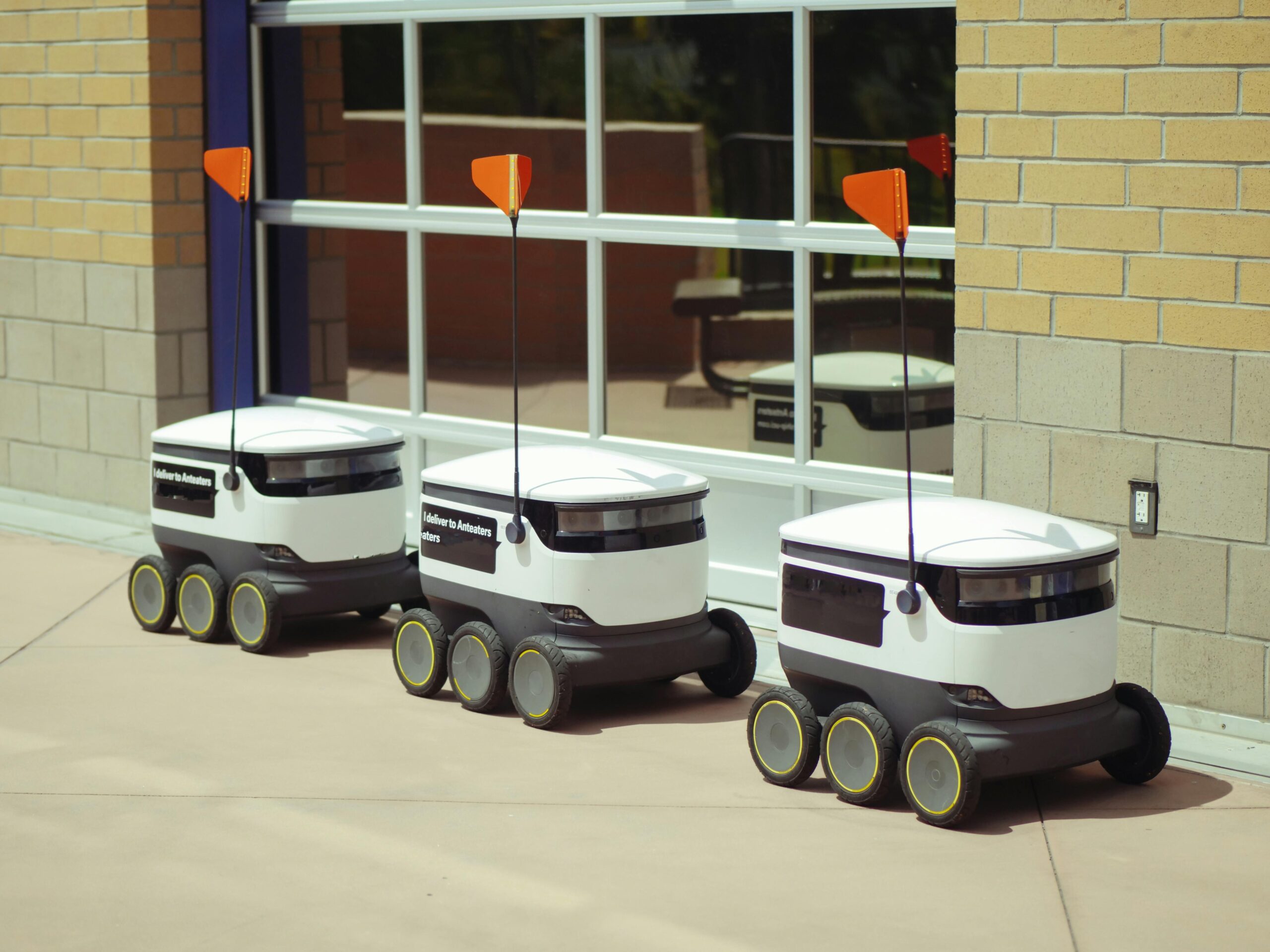
Shared mobility services reduce vehicle numbers while maintaining accessibility. Car-sharing, bike-sharing, and ride-pooling decrease the total vehicle fleet needed to serve urban populations. Integration of these services through mobility-as-a-service platforms creates seamless, efficient transport without private vehicle ownership.
Community-Led Resilience and Social Adaptation 🤝
Technical solutions alone cannot create resilient cities. Community engagement, social cohesion, and inclusive planning ensure that adaptation strategies serve all residents, particularly the most vulnerable. Climate impacts disproportionately affect low-income communities, making equity central to effective adaptation.
Community-based adaptation programs empower residents to identify local vulnerabilities and design contextually appropriate solutions. In Medellín, Colombia, formerly marginalized hillside communities participated in creating green corridors that reduce heat, manage water, and provide recreational spaces. This participatory approach ensures interventions address real needs while building social capital.
Climate education and awareness programs prepare populations for changing conditions. Heat action plans teach residents to recognize heat stress symptoms and access cooling resources. Flood preparedness drills familiarize communities with evacuation routes and emergency procedures, reducing panic and casualties during actual events.
Supporting Vulnerable Populations
Adaptation strategies must explicitly address differential vulnerabilities. Elderly populations, children, people with disabilities, and those with limited resources face heightened climate risks. Targeted programs like wellness checks during heat waves, accessible cooling centers, and subsidized weatherproofing for low-income housing protect those least able to adapt independently.
Cultural considerations ensure adaptation respects diverse community needs. Cooling centers that welcome community gathering align with collectivist cultures better than individual home-based solutions. Multi-language warning systems reach immigrant populations, ensuring inclusive emergency communication.
🌍 Financing Urban Climate Adaptation
Implementing resilience strategies requires substantial investment, challenging cities already facing budgetary constraints. Innovative financing mechanisms mobilize resources from diverse sources, making ambitious adaptation achievable.
Green bonds raise capital specifically for environmental projects. Cities issue bonds purchased by investors seeking sustainable investments, providing upfront funding for resilience infrastructure. The interest paid to bondholders is offset by long-term savings from avoided climate damages and improved efficiency.
Public-private partnerships leverage private sector expertise and capital for public benefit. Private companies design, build, and sometimes operate resilience infrastructure, recovering investments through long-term contracts with municipalities. This approach accelerates implementation while sharing risk between sectors.
Climate Insurance and Risk Transfer
Parametric insurance provides rapid payouts when predefined climate triggers occur, enabling quick recovery without lengthy claims processes. When flood waters exceed certain levels or temperatures surpass thresholds, automatic payments fund emergency response and rebuilding efforts.
Regional risk pools spread climate costs across multiple jurisdictions, preventing any single disaster from overwhelming local resources. Caribbean countries collectively insure against hurricanes, ensuring funds are available when catastrophe strikes individual islands.
Policy Frameworks Enabling Urban Transformation 📋
Effective adaptation requires supportive policy environments that mandate, incentivize, and facilitate resilience investments. Multi-level governance—from international agreements to local ordinances—creates frameworks for coordinated action.
Building codes and zoning regulations embed resilience into standard practice. Requirements for flood-proof construction in vulnerable areas, mandatory green space percentages in developments, and energy efficiency standards ensure new construction contributes to rather than undermines urban resilience.
Climate action plans provide roadmaps for comprehensive adaptation. Cities like Melbourne and Rotterdam have developed detailed strategies identifying vulnerabilities, prioritizing interventions, assigning responsibilities, and establishing timelines. These plans coordinate action across government departments and align public and private sector efforts.
International Cooperation and Knowledge Exchange
Cities face similar climate challenges regardless of national boundaries, making international cooperation valuable. Networks like C40 Cities facilitate knowledge exchange, allowing cities to learn from peers’ successes and failures. A flood management innovation in Jakarta can inform strategies in Lagos or Manila, accelerating global adaptation.
Technical assistance programs transfer expertise from experienced to emerging cities. Established resilience practitioners provide guidance on planning processes, technology selection, and implementation strategies, building local capacity for sustained adaptation efforts.
Measuring Progress: Indicators and Accountability ✅
Effective adaptation requires monitoring progress and adjusting strategies based on results. Resilience indicators quantify vulnerability reduction and adaptation effectiveness, enabling evidence-based decision-making.
Metrics track both physical changes and outcome improvements. Physical indicators include hectares of green space added, kilometers of flood defenses constructed, or buildings retrofitted for energy efficiency. Outcome metrics measure actual resilience improvements: reduced heat-related mortality, decreased flood damage costs, or improved water security.
Regular assessments evaluate whether adaptation efforts achieve intended goals. Climate vulnerability assessments repeated every few years identify persistent gaps and emerging risks, informing strategy adjustments. This adaptive management approach ensures cities continuously improve resilience rather than assuming initial efforts suffice.
Looking Forward: The Resilient City of Tomorrow 🔮
The convergence of climate adaptation strategies creates urban environments fundamentally different from today’s cities. Future resilient cities will be greener, more technologically integrated, socially inclusive, and environmentally harmonious. Buildings will function as ecosystems, streets will manage water naturally, and communities will actively participate in maintaining resilience.
These cities won’t simply withstand climate change—they’ll thrive because of adaptation measures that simultaneously address environmental, social, and economic objectives. Parks that manage flooding also provide recreation and improve health. Energy-efficient buildings reduce emissions while lowering utility costs. Transit improvements decrease congestion while cutting air pollution.
The transformation is already underway. Cities pioneering these approaches demonstrate that climate resilience and urban quality of life are mutually reinforcing rather than competing priorities. As climate pressures intensify, the imperative for adaptation grows stronger, but so does the collective knowledge, technological capability, and political will to build cities capable of flourishing regardless of climatic conditions.
Urban climate adaptation represents one of humanity’s greatest challenges and opportunities. The strategies being deployed today will determine whether cities become climate casualties or resilient anchors of sustainable civilization. Every green roof installed, every sensor deployed, every community engaged, and every policy enacted contributes to this monumental undertaking. The resilient cities rising today are not just adapting to climate change—they’re pioneering a new urban paradigm that could define how billions live throughout this century and beyond.