Urban transportation stands at a pivotal crossroads, where cutting-edge technology meets sustainability demands, promising to transform how millions navigate cities worldwide.

The daily commute has long been a source of frustration for urban dwellers everywhere. Traffic congestion, pollution, overcrowded public transit, and wasted time have plagued cities for decades. Yet we’re now witnessing an unprecedented wave of innovation that promises to fundamentally reshape urban mobility. From autonomous vehicles and electric transit systems to smart infrastructure and mobility-as-a-service platforms, tomorrow’s commute looks radically different from today’s reality.
This transformation isn’t merely about faster transportation—it’s about reimagining entire urban ecosystems. Cities worldwide are embracing bold visions that prioritize sustainability, accessibility, and efficiency. The innovations emerging today will determine whether our urban centers become more livable or succumb to gridlock and environmental degradation. Understanding these revolutionary changes helps us prepare for a future that’s arriving faster than most imagine.
🚗 The Autonomous Revolution Driving Urban Mobility
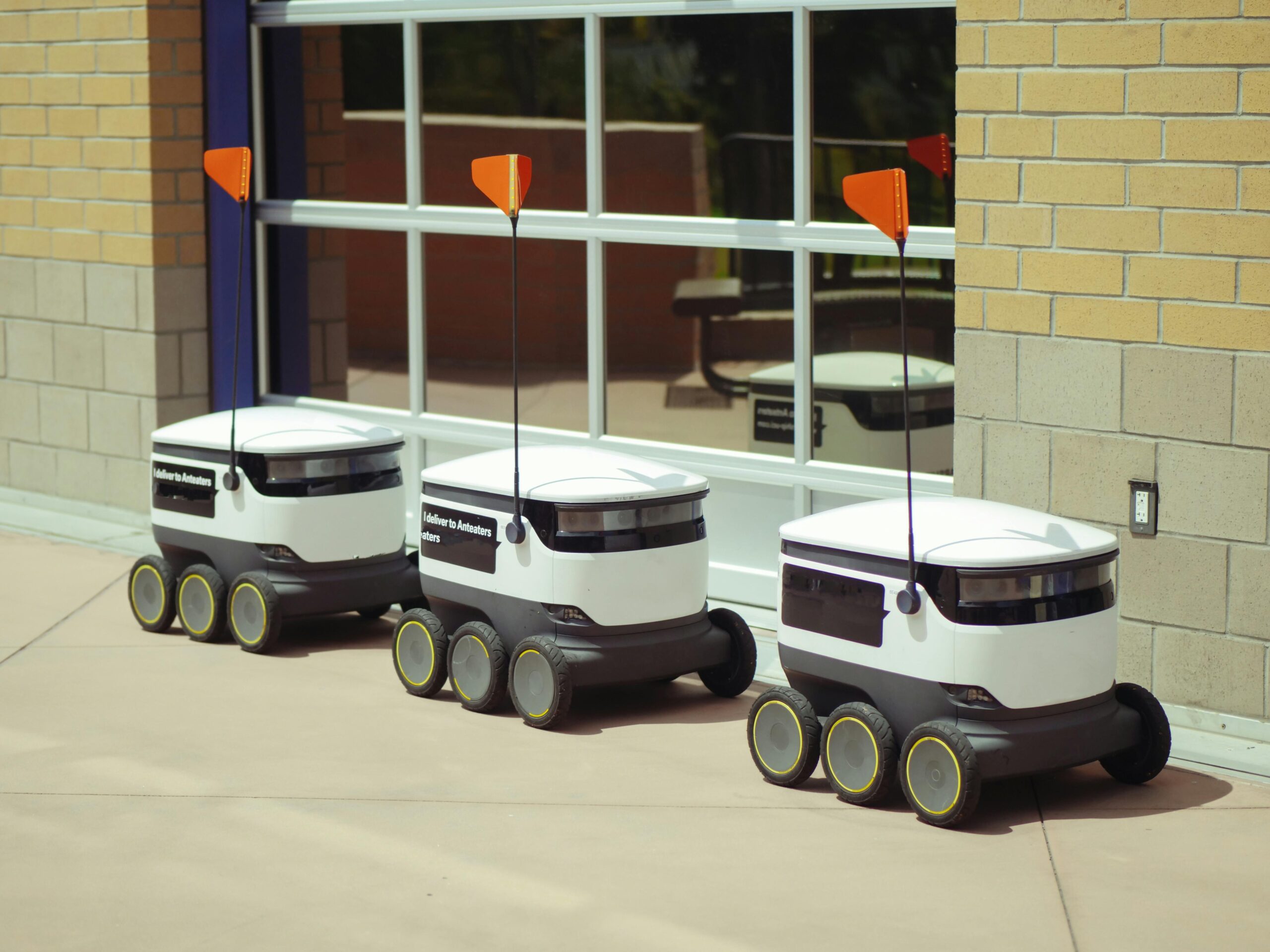
Self-driving vehicles represent perhaps the most dramatic shift in transportation since the automobile’s invention. These intelligent machines promise to eliminate human error—responsible for approximately 94% of traffic accidents—while dramatically improving traffic flow and reducing congestion. Major technology companies and automakers have invested billions in developing autonomous systems that can navigate complex urban environments safely.
The implications extend far beyond safety improvements. Autonomous vehicles could revolutionize parking, as self-driving cars won’t need prime urban real estate for storage. They can drop passengers at destinations and park themselves in peripheral locations, freeing valuable city space for parks, housing, or commercial development. This spatial reorganization alone could transform urban landscapes significantly.
Ride-sharing services are positioned to benefit enormously from autonomous technology. Removing driver costs could make shared mobility significantly more affordable, potentially reducing private car ownership in urban areas. Companies are already piloting autonomous taxi services in cities like San Francisco, Phoenix, and Singapore, gathering crucial data that will inform broader deployments.
However, significant challenges remain. Regulatory frameworks struggle to keep pace with technological advancement. Questions about liability in accidents, data privacy, cybersecurity, and employment impacts for professional drivers require thoughtful resolution. The transition period, where autonomous and human-driven vehicles share roads, presents unique coordination challenges that cities must address proactively.
⚡ Electric Transportation Powering Sustainable Cities
The electrification of transportation represents a cornerstone of sustainable urban development. Electric vehicles (EVs) produce zero direct emissions, dramatically improving air quality in densely populated areas. As electricity grids increasingly incorporate renewable energy sources, the carbon footprint of electric transportation continues shrinking, creating a virtuous cycle toward sustainability.
Public transit systems worldwide are transitioning to electric buses, which operate more quietly and cleanly than diesel counterparts. Cities like Shenzhen, China have already converted their entire bus fleet to electric power, demonstrating the feasibility of large-scale electrification. European cities including Amsterdam, London, and Paris have set ambitious targets for transitioning public transportation to zero-emission vehicles.
Electric micromobility options—e-scooters, e-bikes, and electric skateboards—have exploded in popularity, offering flexible last-mile solutions. These devices fill crucial gaps in transportation networks, connecting users from transit hubs to final destinations. Their lightweight nature and minimal infrastructure requirements make them particularly attractive for rapidly implementing new mobility options.
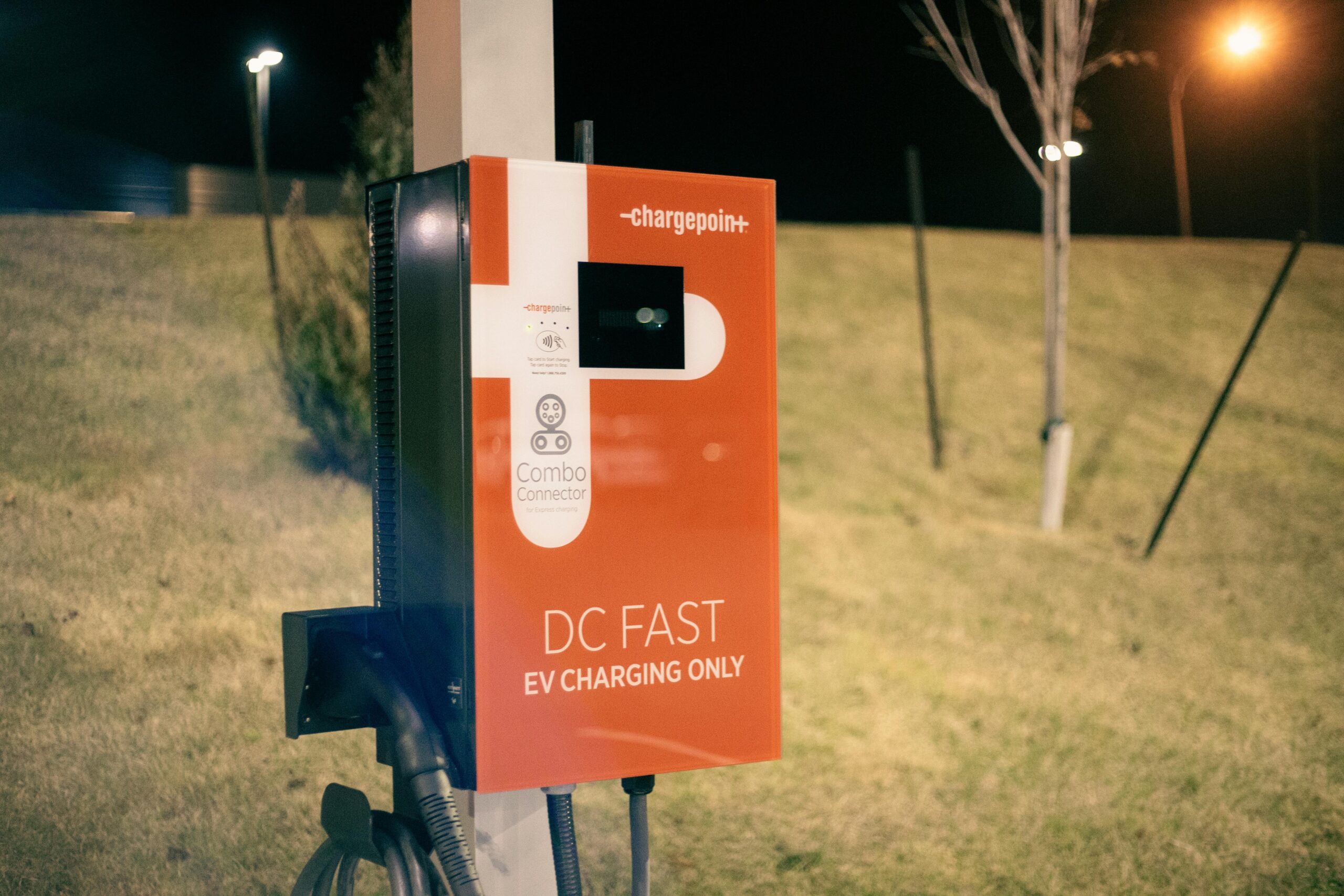
Charging infrastructure development remains critical for widespread EV adoption. Cities are installing charging stations in public parking areas, residential complexes, and commercial districts. Innovative solutions like wireless charging roads and battery-swapping stations are being tested to address range anxiety and reduce charging times. The integration of smart charging systems that optimize electricity usage during off-peak hours further enhances grid efficiency.
🏙️ Smart Infrastructure Creating Connected Transportation Networks
Intelligent transportation systems leverage sensors, cameras, and data analytics to optimize traffic flow in real-time. Smart traffic lights adjust timing based on actual traffic conditions rather than fixed schedules, reducing congestion and emissions. These systems can prioritize emergency vehicles, public transit, and high-occupancy vehicles, improving overall network efficiency.
Vehicle-to-infrastructure (V2I) communication enables cars to receive real-time information about road conditions, traffic patterns, and potential hazards. This connectivity allows drivers—whether human or autonomous—to make better-informed decisions, reducing accidents and improving journey times. As 5G networks expand, the speed and reliability of these communications will dramatically improve.
Digital twin technology creates virtual replicas of transportation networks, allowing planners to simulate changes before implementing them physically. These sophisticated models help cities test new configurations, predict bottlenecks, and optimize resource allocation. By understanding how modifications impact the entire system, cities can make more effective infrastructure investments.
Parking management systems use sensors and mobile applications to guide drivers to available spaces, reducing the time spent circling for parking—which accounts for approximately 30% of urban traffic in some areas. Dynamic pricing adjusts parking costs based on demand, encouraging turnover in high-demand areas while directing traffic to underutilized spaces.
🚇 Mobility-as-a-Service Transforming Transportation Consumption
Mobility-as-a-Service (MaaS) platforms integrate various transportation options into unified digital services. Users can plan, book, and pay for multi-modal journeys through single applications, seamlessly combining public transit, ride-sharing, bike-sharing, and other options. This integration makes car-free living more practical and convenient, potentially reducing private vehicle ownership.
Subscription models offer unlimited access to transportation networks for fixed monthly fees, similar to streaming services for entertainment. These arrangements provide predictable costs while encouraging users to choose the most appropriate transportation mode for each journey rather than defaulting to personal vehicles. Cities partnering with MaaS providers can better manage demand across their transportation networks.
Data generated by MaaS platforms provides valuable insights into travel patterns, helping cities identify underserved areas and optimize service provision. This information-driven approach enables more responsive and equitable transportation planning, ensuring that mobility improvements benefit all residents, not just affluent neighborhoods.
The success of MaaS depends on collaboration between public authorities, private operators, and technology providers. Establishing common standards for data sharing, payment processing, and service integration requires coordination that transcends traditional competitive boundaries. Cities that successfully foster this collaboration will enjoy significant advantages in mobility innovation.
🚄 Hyperloop and High-Speed Systems Redefining Distance
Hyperloop technology promises to transport passengers at speeds exceeding 700 mph through low-pressure tubes, dramatically reducing travel times between cities. Several companies are developing hyperloop systems, with test tracks operating in various locations. If successfully implemented at scale, hyperloop could make long-distance commuting viable, expanding metropolitan labor markets and housing options.
High-speed rail networks continue expanding globally, offering sustainable alternatives to short-haul flights and long-distance driving. Countries like Japan, France, and China have demonstrated that efficient rail systems can compete effectively with air travel for journeys under 500 miles. Investment in high-speed rail infrastructure creates construction jobs while establishing long-term transportation assets.
Magnetic levitation (maglev) trains eliminate friction between vehicles and tracks, enabling smoother rides and higher speeds. Japan’s maglev technology has achieved speeds over 370 mph in testing, with commercial service planned for the Tokyo-Nagoya route. These systems require specialized infrastructure but offer remarkable efficiency once operational.
Urban air mobility represents another frontier, with companies developing electric vertical takeoff and landing (eVTOL) aircraft for short urban flights. These vehicles could provide rapid point-to-point transportation, bypassing ground congestion entirely. While regulatory and infrastructure challenges are substantial, prototype testing continues advancing, bringing aerial urban transit closer to reality.
♿ Inclusive Design Ensuring Mobility for Everyone
Revolutionary transportation systems must serve all residents, including elderly individuals, people with disabilities, and economically disadvantaged communities. Universal design principles ensure that innovations enhance accessibility rather than creating new barriers. Autonomous vehicles could provide unprecedented independence for individuals unable to drive, while smartphone-based services must accommodate users without advanced digital literacy.
Equitable access requires addressing affordability concerns. Innovative financing models, subsidized services for low-income residents, and public-private partnerships can help ensure that transportation improvements don’t exacerbate social inequalities. Cities must actively design for inclusion rather than assuming that market forces will naturally provide equitable outcomes.
Physical infrastructure improvements—including wheelchair-accessible stations, audio-visual information systems, and tactile guidance—remain essential even as technology advances. The most sophisticated digital services fail if physical environments prevent access. Comprehensive accessibility requires attention to both virtual and physical dimensions of transportation systems.
🌱 Environmental Sustainability as Transportation’s North Star
Transportation accounts for approximately 24% of global carbon dioxide emissions, making it essential to climate change mitigation strategies. Future urban transportation must dramatically reduce environmental impacts while accommodating growing populations. The convergence of electrification, shared mobility, and active transportation offers pathways toward sustainable urban mobility.
Encouraging walking and cycling through dedicated infrastructure creates healthier, more livable cities while eliminating emissions entirely for short trips. Protected bike lanes, pedestrian zones, and traffic-calming measures make active transportation safer and more attractive. Cities like Copenhagen and Amsterdam demonstrate that prioritizing human-powered mobility doesn’t sacrifice economic vitality—quite the opposite.
Green infrastructure integration—including tree-lined streets, permeable pavements, and bioswales—addresses stormwater management while improving urban microclimates. Transportation planning that considers ecological impacts holistically creates multiple benefits beyond mobility itself, contributing to urban resilience and quality of life.
Circular economy principles applied to transportation mean designing for longevity, repairability, and recyclability. As vehicle fleets modernize, ensuring that materials are recovered and reused minimizes environmental impacts. Battery recycling programs for electric vehicles will become increasingly important as first-generation EVs reach end-of-life.
📊 Data-Driven Decision Making Optimizing Urban Movement
Big data analytics enables unprecedented understanding of transportation patterns, revealing insights that inform better planning decisions. Anonymized location data from smartphones, transit cards, and connected vehicles creates comprehensive pictures of how people actually move through cities. This evidence-based approach replaces assumptions with empirical observations.
Predictive analytics forecast future transportation demand, allowing proactive capacity adjustments rather than reactive responses to congestion. Machine learning algorithms identify patterns that human analysts might miss, suggesting optimization opportunities across complex transportation networks. Cities that effectively harness data gain significant advantages in service efficiency and user satisfaction.
Privacy protections must accompany data collection, ensuring that surveillance doesn’t accompany mobility improvements. Transparent policies about data usage, robust security measures, and meaningful user consent establish trust while enabling beneficial analytics. Striking appropriate balances between utility and privacy remains an ongoing challenge requiring public dialogue and thoughtful regulation.
🤝 Public-Private Partnerships Accelerating Innovation
Transforming urban transportation requires resources and expertise beyond government capacity alone. Strategic partnerships between public authorities and private companies combine public sector planning power with private innovation and capital. These collaborations can accelerate deployment while ensuring that public interests—equity, accessibility, sustainability—remain central priorities.
Successful partnerships require clear frameworks defining responsibilities, risk allocation, and benefit sharing. Learning from both successful and failed examples helps refine approaches. Transparency about partnership terms builds public trust and enables democratic oversight of arrangements that affect public goods like transportation infrastructure.
Start-ups and established companies both contribute to transportation innovation, bringing different strengths. Procurement processes that encourage diverse participation ensure that breakthrough ideas aren’t overlooked due to organizational scale. Pilot programs allow cities to test innovations with limited risk before broader commitments.
🔮 Emerging Technologies Reshaping Tomorrow’s Possibilities
Artificial intelligence continues advancing rapidly, promising increasingly sophisticated transportation management systems. AI can optimize multi-modal networks in ways impossible for human operators, coordinating thousands of variables simultaneously. As capabilities grow, AI could enable transportation systems that adapt dynamically to changing conditions with minimal human intervention.
Blockchain technology offers potential solutions for secure, transparent record-keeping in transportation systems. Smart contracts could automate payments across multiple service providers, while distributed ledgers might track vehicle maintenance histories or verify autonomous vehicle decisions in accident investigations. Practical applications are emerging from experimental stages.
Augmented reality interfaces could transform how users interact with transportation systems, overlaying digital information onto physical environments. Navigation becomes more intuitive when directions appear in real-world views, while maintenance workers could access equipment information through AR displays, improving efficiency and reducing errors.
The convergence of multiple technologies creates possibilities exceeding the sum of individual innovations. Electric autonomous vehicles operating within smart infrastructure, coordinated through AI systems and accessed via MaaS platforms represent fundamentally different transportation paradigms. This systemic transformation requires holistic thinking rather than isolated technology adoption.
🌍 Global Examples Lighting Pathways Forward
Cities worldwide are pioneering innovative approaches worth studying and adapting. Singapore’s comprehensive smart mobility strategy integrates road pricing, public transit optimization, and autonomous vehicle testing within cohesive planning frameworks. Their data-driven approach and willingness to experiment provide valuable lessons for other cities.
Barcelona’s superblock concept reclaims street space from vehicles, creating pedestrian-friendly zones that improve quality of life while maintaining accessibility. This urban design innovation demonstrates that revolutionary change doesn’t always require high technology—sometimes bold reimagination of existing infrastructure suffices.
Helsinki’s commitment to making car ownership unnecessary by 2025 through MaaS development showcases ambitious vision translated into concrete actions. Their Whim application integrates transportation options seamlessly, demonstrating practical MaaS implementation. While achieving complete car-free living remains challenging, their progress offers inspiration and practical insights.

💡 Actionable Steps Toward Transportation Revolution
Individuals can support transportation transformation by embracing multi-modal travel, using public transit when feasible, and advocating for sustainable infrastructure investments. Personal choices aggregate into collective impact, signaling demand that influences planning priorities and private investment decisions. Early adopters of new mobility options help refine services and demonstrate viability.
Policymakers must establish regulatory frameworks that encourage innovation while protecting public interests. This includes updating codes that inadvertently obstruct new mobility options, establishing clear safety standards for emerging technologies, and investing in foundational infrastructure like charging networks and dedicated transit lanes. Courageous leadership accepts calculated risks in pursuit of breakthrough improvements.
Businesses have opportunities to innovate across transportation value chains—from vehicle manufacturing and infrastructure development to software platforms and service delivery. Sustainable business models that align profitability with social and environmental benefits will thrive as transportation priorities shift. Companies that recognize this alignment early gain competitive advantages.
Urban transportation transformation represents one of the defining challenges and opportunities of our era. The innovations emerging today will determine whether cities become more livable, sustainable, and equitable, or whether they buckle under mounting pressures. Success requires coordinated efforts across technology development, policy reform, infrastructure investment, and cultural change. The future of urban mobility isn’t predetermined—it’s being actively shaped by decisions and actions taken now. By embracing bold visions while maintaining focus on fundamental values like accessibility, sustainability, and human wellbeing, we can revolutionize tomorrow’s commute in ways that genuinely improve lives and communities. The journey has begun, and the destination promises to be extraordinary.