Urban mobility is undergoing a profound transformation, driven by technology and the need for sustainable, efficient travel solutions that reshape how people move through cities.

🚀 The Dawn of a New Transportation Era
Cities worldwide are experiencing unprecedented growth, with urban populations expected to reach 68% of the global total by 2050. This rapid urbanization brings significant challenges: traffic congestion, air pollution, inadequate public transportation, and inefficient use of resources. Traditional transportation models are struggling to keep pace with these demands, creating an urgent need for innovative solutions.
Mobility-as-a-Service, commonly known as MaaS, represents a paradigm shift in how we conceptualize urban transportation. Rather than viewing transportation through the lens of vehicle ownership or isolated transit options, MaaS integrates various transportation services into a single, accessible platform. This revolutionary approach transforms mobility from a product you own into a service you access on demand.
The concept merges public transportation, ride-sharing, bike-sharing, car-sharing, taxi services, and even micro-mobility options like e-scooters into one seamless ecosystem. Users can plan, book, and pay for multiple types of transportation services through a single digital interface, typically a smartphone application. This integration fundamentally changes the relationship between people and transportation.
🌟 Understanding the MaaS Ecosystem
At its core, Mobility-as-a-Service operates on several foundational principles that distinguish it from traditional transportation models. The first principle is integration—bringing together diverse transportation modes under one digital umbrella. Instead of downloading separate apps for buses, trains, bike-sharing, and ride-hailing services, users access everything through one platform.
The second principle involves personalization. Advanced algorithms analyze user preferences, travel patterns, and real-time conditions to suggest optimal routes. Whether someone prioritizes speed, cost, environmental impact, or convenience, the system adapts recommendations accordingly. This customization ensures that each journey is tailored to individual needs and circumstances.
Payment simplification represents the third cornerstone. Rather than managing multiple payment methods across various services, MaaS platforms offer unified billing. Users might purchase monthly subscriptions that include unlimited access to certain services or pay-as-you-go options that calculate costs across all transportation modes used during a journey.
The Technology Behind the Revolution
Sophisticated technology infrastructure powers these integrated mobility solutions. Real-time data collection from GPS systems, traffic sensors, weather stations, and user inputs creates a comprehensive picture of urban mobility patterns. Machine learning algorithms process this information to predict demand, optimize routes, and manage resources efficiently.
Application programming interfaces (APIs) enable different transportation providers to connect their systems with MaaS platforms. This interoperability is crucial—it allows buses, trains, shared bicycles, and ride-sharing services to communicate within a unified framework. The technical challenge lies in standardizing data formats and ensuring seamless information exchange across diverse systems.
Cloud computing provides the scalable infrastructure necessary to handle millions of simultaneous transactions, route calculations, and data processing operations. As cities grow and more users adopt MaaS solutions, cloud architecture ensures systems remain responsive and reliable without requiring massive local infrastructure investments.
🌍 Environmental Impact and Sustainability Benefits
The environmental advantages of Mobility-as-a-Service extend far beyond simply reducing the number of cars on roads. By optimizing transportation networks and encouraging multimodal travel, MaaS significantly decreases carbon emissions. Studies indicate that cities implementing comprehensive MaaS solutions experience 15-30% reductions in private vehicle usage, directly translating to lower greenhouse gas emissions.
Shared mobility options inherently promote resource efficiency. A single shared vehicle can replace multiple privately owned cars, reducing the environmental costs associated with manufacturing, maintaining, and eventually disposing of vehicles. When combined with electric vehicle adoption within shared fleets, the environmental benefits multiply exponentially.
MaaS platforms naturally encourage the use of active transportation modes like walking and cycling by integrating them into journey planning. When people see that combining a bike ride with a short bus trip offers a faster, cheaper, or more convenient option than driving, behavioral patterns shift. This integration promotes healthier lifestyles while reducing urban pollution and congestion.
Urban Space Reclamation
Reduced reliance on private vehicles creates opportunities to reimagine urban spaces. Parking lots and garages—which currently consume approximately 30% of urban land in many cities—can be transformed into parks, housing, commercial spaces, or community centers. This reclamation of space improves quality of life and increases property values in previously car-dominated areas.
💡 Economic Implications for Cities and Citizens
From an individual perspective, MaaS offers substantial financial advantages. Car ownership involves significant costs: purchase price, insurance, maintenance, fuel, parking fees, and depreciation. Studies suggest that average car ownership costs range from $8,000 to $12,000 annually. MaaS subscriptions typically cost a fraction of this amount while providing greater flexibility and eliminating ownership burdens.
For cities, implementing MaaS infrastructure generates economic benefits through multiple channels. Reduced traffic congestion improves productivity—economists estimate that traffic jams cost major cities billions annually in lost time and fuel. More efficient transportation networks facilitate commerce, enable workforce mobility, and make cities more attractive to businesses and talent.
The MaaS sector itself creates employment opportunities across technology development, data analysis, customer service, vehicle maintenance, and urban planning. As the industry matures, entirely new job categories emerge, from mobility consultants to integration specialists who help cities optimize their transportation ecosystems.
Addressing Equity and Accessibility
Well-designed MaaS solutions can dramatically improve transportation equity. Low-income individuals often face mobility poverty—limited access to affordable, reliable transportation that restricts employment opportunities and social participation. By offering flexible payment options, connecting underserved neighborhoods, and reducing overall transportation costs, MaaS can democratize urban mobility.
Accessibility features for elderly citizens and people with disabilities represent crucial considerations. MaaS platforms should provide comprehensive information about wheelchair accessibility, audio guidance systems, and door-to-door services for those who need them. Universal design principles ensure that transportation revolution benefits everyone, not just tech-savvy, able-bodied users.
🔧 Real-World Implementation Success Stories
Helsinki, Finland pioneered comprehensive MaaS implementation with the Whim application, launched in 2016. This platform integrates public transportation, taxis, car-sharing, and bike-sharing into subscription packages ranging from pay-per-trip options to unlimited monthly plans. Early data showed significant increases in public transportation usage and substantial reductions in private car trips among subscribers.
Singapore’s approach demonstrates how governments can orchestrate MaaS development. The city-state developed an open data platform allowing private companies to build applications using real-time transportation data. This strategy fostered innovation while maintaining public oversight of critical infrastructure. The result is a competitive marketplace of MaaS solutions tailored to different user segments.
Los Angeles, despite its car-centric reputation, has made remarkable progress through the LA Metro Micro program. This on-demand shuttle service connects neighborhoods with limited public transportation to major transit hubs. By filling gaps in the existing network rather than attempting wholesale replacement, the program demonstrates pragmatic MaaS implementation in challenging environments.
Lessons from Early Adopters
Successful implementations share common characteristics. Strong public-private partnerships enable cities to leverage private sector innovation while ensuring services meet public interest goals. Regulatory frameworks that encourage competition while maintaining service standards create healthy ecosystems where multiple providers can thrive.
User-centric design proves essential. Platforms must be intuitive enough for occasional users while offering advanced features for daily commuters. Continuous feedback collection and iterative improvements ensure systems evolve based on actual usage patterns rather than theoretical assumptions.
🚧 Overcoming Implementation Challenges
Despite its promise, MaaS faces significant obstacles. Technical integration challenges top the list—connecting legacy public transportation systems with modern digital platforms requires substantial investment and technical expertise. Many cities operate transportation infrastructure that predates digital technology, necessitating expensive upgrades or workarounds.
Regulatory frameworks often lag behind technological capabilities. Existing transportation regulations typically address specific modes in isolation rather than integrated multimodal services. Cities must develop new governance models that balance innovation encouragement with consumer protection, safety standards, and fair competition.
Data privacy concerns require careful attention. MaaS platforms collect extensive information about user movements, preferences, and behaviors. Establishing robust data protection protocols, transparent privacy policies, and user consent mechanisms is essential for building trust and ensuring ethical operation.
Business Model Sustainability
Many MaaS platforms struggle to achieve profitability. Integrating multiple service providers while maintaining affordable user prices creates thin margins. Some platforms have relied on venture capital funding without clear paths to financial sustainability. Successful long-term models likely involve combinations of user subscriptions, advertising revenue, data monetization (with appropriate privacy protections), and public subsidies for social benefit services.
🔮 Future Developments and Emerging Trends
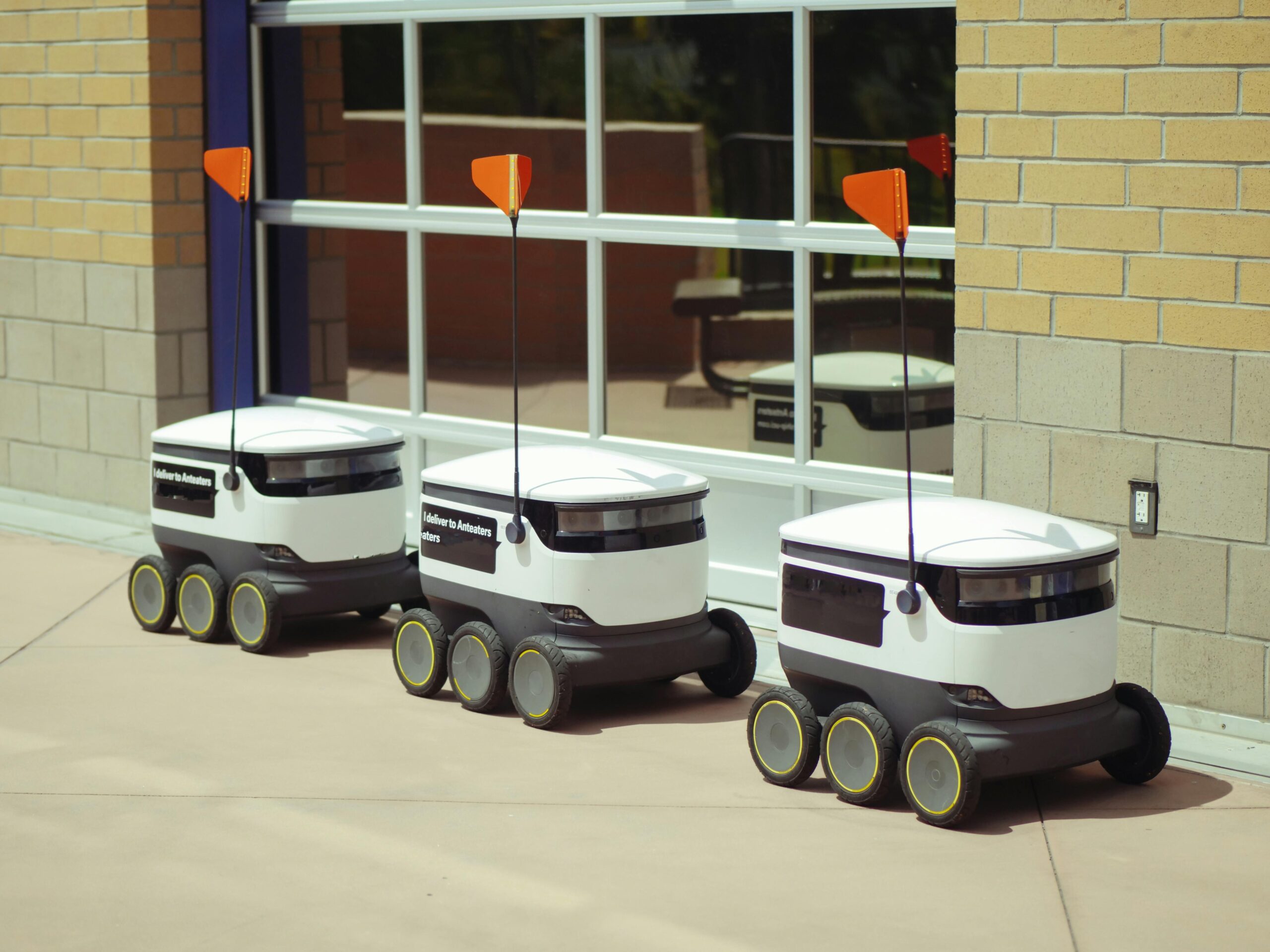
Autonomous vehicles will profoundly impact MaaS ecosystems. Self-driving cars, buses, and shuttles promise to reduce operational costs, increase service frequency, and extend coverage to currently underserved areas. When combined with MaaS platforms’ optimization capabilities, autonomous fleets could provide personalized, efficient transportation at unprecedented scale.
Artificial intelligence continues advancing, enabling more sophisticated predictive capabilities. Future systems might anticipate user needs before explicit requests—suggesting departure times based on calendar appointments, automatically rerouting around anticipated delays, or proactively offering alternatives when preferred services experience disruptions.
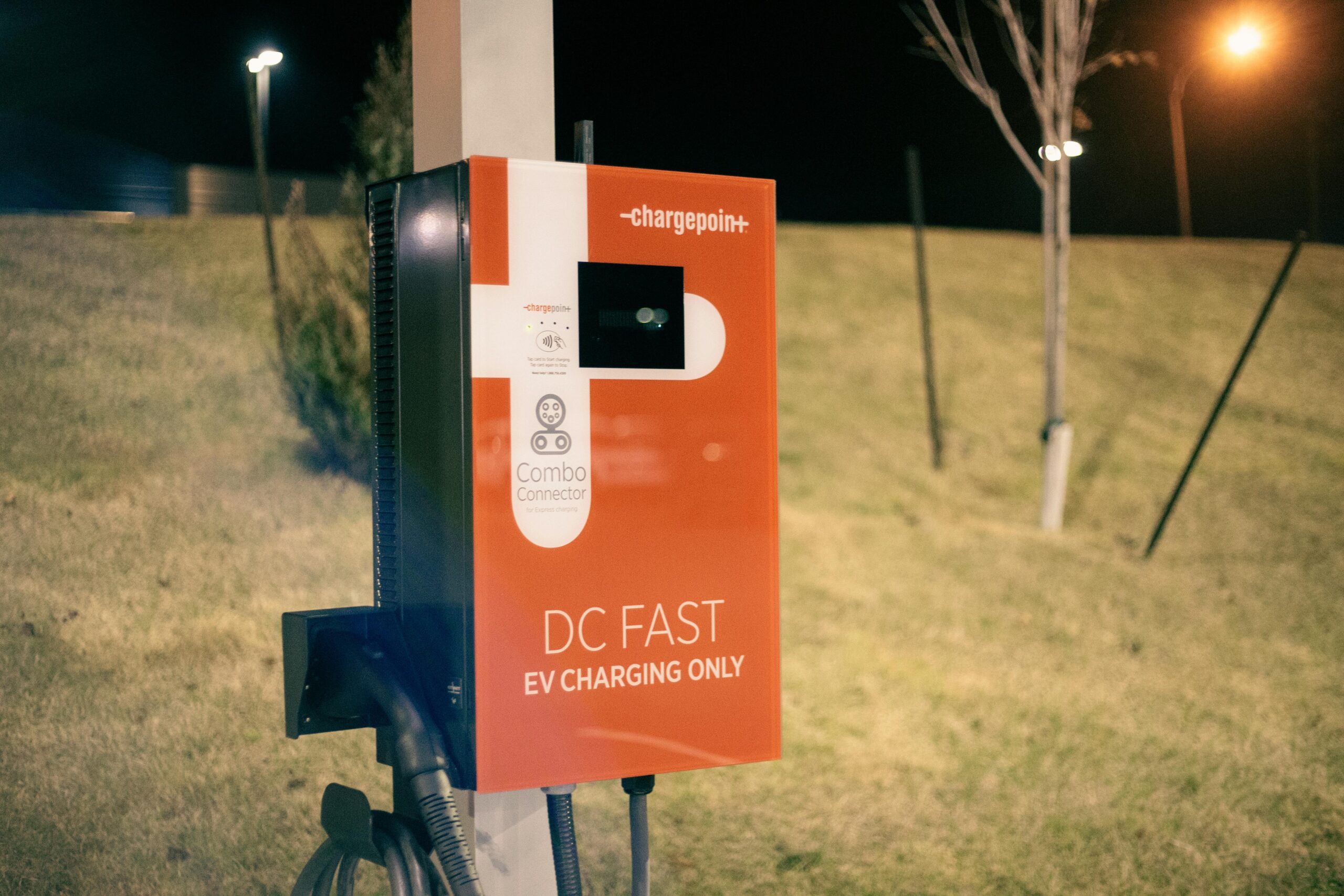
Integration with smart city infrastructure creates synergies that amplify benefits. Traffic signals that prioritize buses carrying MaaS users, parking systems that dynamically adjust prices to optimize space utilization, and energy grids that coordinate electric vehicle charging with renewable energy availability all represent future possibilities.
The Role of Micro-Mobility
E-scooters, e-bikes, and other lightweight electric vehicles increasingly complement traditional transportation modes. Their integration into MaaS platforms solves first-mile and last-mile challenges—connecting users’ homes with public transportation hubs. As battery technology improves and cities develop appropriate infrastructure, micro-mobility options will become even more central to urban transportation ecosystems.
🎯 Strategic Recommendations for Stakeholders
City governments should prioritize developing comprehensive mobility strategies that extend beyond individual projects. This involves creating regulatory sandboxes where innovative services can be tested, establishing data standards that facilitate integration, and making long-term infrastructure investments that support multimodal transportation.
Transportation providers must embrace open platforms and data sharing, recognizing that integration benefits all participants through network effects. While competition remains important, cooperation on technical standards and user experience elements creates a rising tide that lifts all boats.
Technology companies developing MaaS platforms should focus on user experience, reliability, and accessibility. The most sophisticated algorithms mean nothing if people find platforms confusing or unreliable. Building trust through consistent performance and transparent operations ultimately determines adoption rates.
Citizens can accelerate the transition by experimenting with integrated mobility services, providing feedback to improve systems, and advocating for policies that support sustainable transportation. Individual choices collectively shape urban mobility futures—each person who chooses shared services over private vehicles contributes to systemic transformation.

🌈 Reimagining Urban Life Through Mobility Innovation
Mobility-as-a-Service represents more than technological innovation—it embodies a fundamental reimagining of urban life. By transforming transportation from ownership to access, from isolated modes to integrated networks, and from rigid schedules to flexible options, MaaS addresses many challenges that have plagued cities for decades.
The journey toward fully realized MaaS ecosystems continues, with obstacles to overcome and refinements to make. However, the direction is clear and the benefits compelling. Cities that embrace this transformation position themselves as desirable places to live, work, and innovate. They attract talent, reduce environmental impact, and improve quality of life for all residents.
The future of urban transportation is not about flying cars or hyperloops—it’s about intelligent integration of existing and emerging technologies into seamless, sustainable systems that serve everyone. Mobility-as-a-Service unlocks this future, one journey at a time, revolutionizing how we move through the cities we call home.