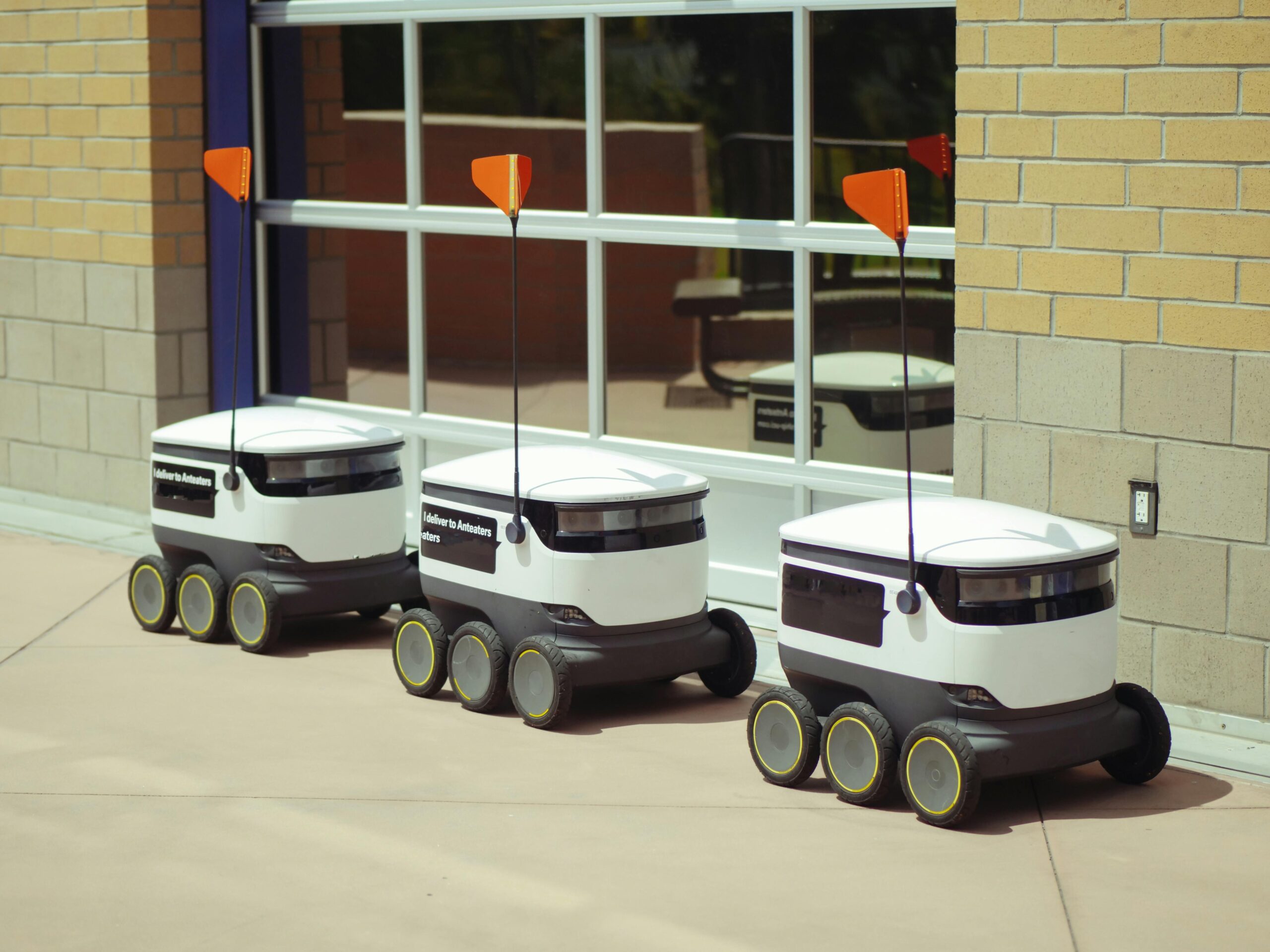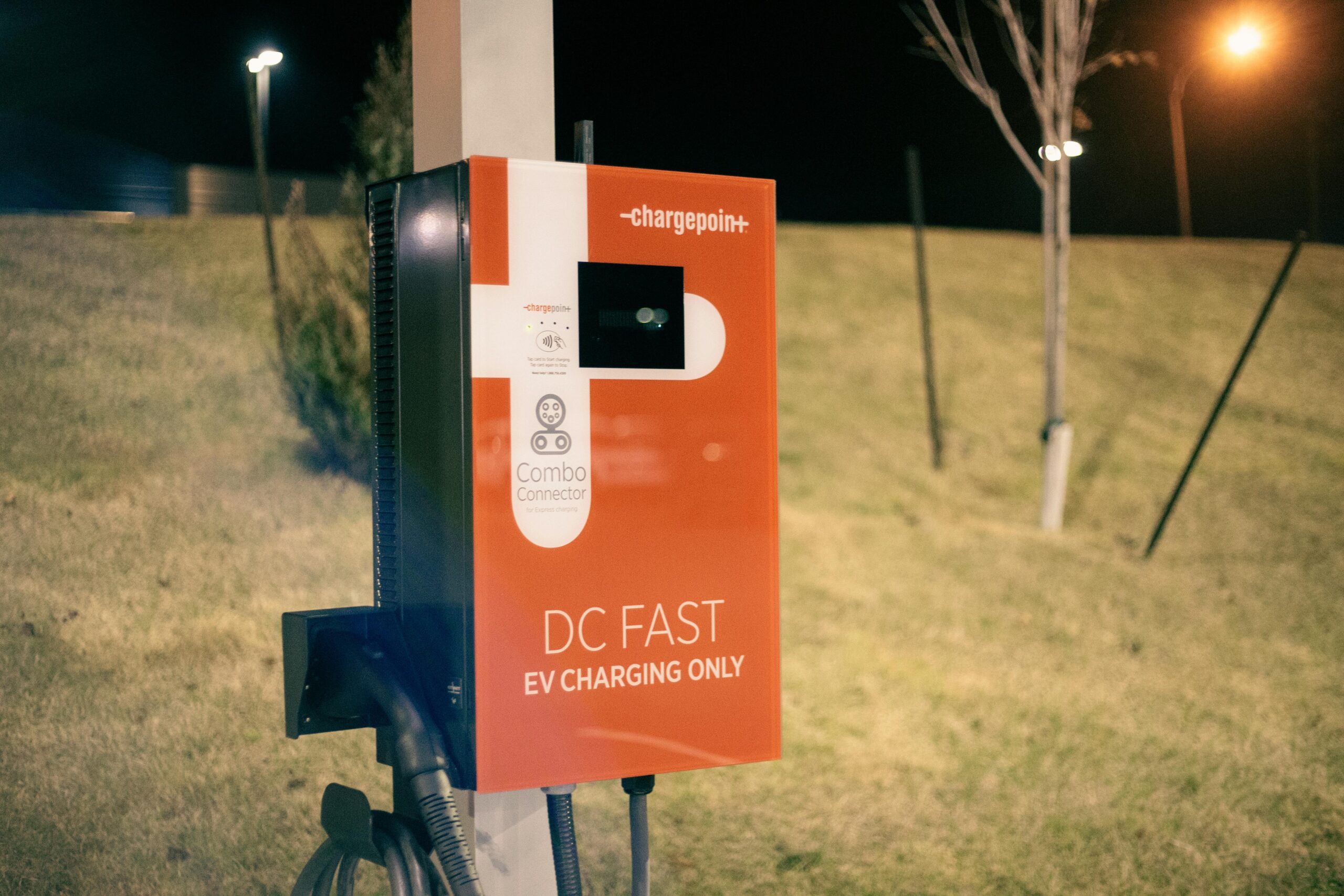
Urban mobility is experiencing a profound transformation as cities worldwide embrace shared transportation systems, paving the way for smarter, more sustainable communities.

🌍 The Urban Mobility Crisis and the Rise of Shared Solutions
Modern cities face unprecedented challenges in managing transportation. Traffic congestion costs the global economy billions annually, while vehicle emissions contribute significantly to air pollution and climate change. Traditional car ownership models are proving unsustainable as urban populations swell and infrastructure struggles to keep pace.
Shared mobility systems have emerged as a practical response to these challenges. From bike-sharing and e-scooters to ride-hailing and car-sharing services, these innovative solutions are reshaping how people navigate urban landscapes. The integration of multiple transportation modes into cohesive networks represents not just technological advancement, but a fundamental shift in how we conceptualize urban travel.
The concept of Mobility-as-a-Service (MaaS) encapsulates this revolution. Rather than owning vehicles, users access transportation through digital platforms that seamlessly connect various modes. This approach reduces personal vehicle dependency, optimizes existing infrastructure, and creates more livable urban environments.
🚴 The Building Blocks: Understanding Shared Mobility Components
Successful integration begins with understanding the diverse components that comprise modern shared mobility ecosystems. Each element serves specific needs and demographics, creating a comprehensive transportation tapestry when properly coordinated.
Micromobility Solutions Transform First and Last Mile
Bike-sharing and e-scooter networks have revolutionized short-distance travel. These micromobility options excel at solving the “first and last mile” problem—the gap between mass transit stations and final destinations. Cities like Paris, Copenhagen, and Amsterdam have demonstrated how strategic deployment of shared bikes can reduce car trips while improving public health outcomes.
Electric scooters have expanded accessibility further, offering speed and convenience for slightly longer distances. However, their success depends on proper regulation, designated parking zones, and rider education. When integrated with transit apps and payment systems, micromobility becomes a natural extension of the public transportation network.
Ride-Hailing and Car-Sharing Fill Different Niches
Ride-hailing services have transformed personal transportation by making professional drivers accessible through smartphone apps. While initially seen as competition for taxis, these platforms now complement public transit by providing flexible options during off-peak hours or in underserved areas.
Car-sharing programs offer another dimension, allowing users to access vehicles for specific trips without ownership burdens. Round-trip and one-way models serve different purposes—the former ideal for planned excursions, the latter for spontaneous urban mobility. Electric vehicle integration into these fleets accelerates the transition to zero-emission transportation.
Public Transit: The Backbone of Integrated Systems
Despite technological innovations, traditional public transit remains fundamental to sustainable urban mobility. Buses, trains, trams, and subways move masses efficiently, and their modernization through digitalization creates synergy with shared mobility services. Real-time tracking, digital ticketing, and predictive maintenance enhance reliability and user experience.
🔗 The Power of Integration: Creating Seamless Travel Experiences
True revolution occurs when disparate mobility services function as a unified system. Integration manifests across technological, operational, and policy dimensions, each essential for creating frictionless urban travel.
Digital Platforms Unite Fragmented Services
Mobility aggregation apps serve as central hubs where users plan, book, and pay for multimodal journeys. These platforms compare routes across transportation modes, considering factors like cost, time, environmental impact, and personal preferences. The best implementations provide door-to-door journey planning that adapts dynamically to disruptions.
Application programming interfaces (APIs) enable data sharing between service providers, municipalities, and platform operators. Open data standards ensure interoperability, allowing users to transition smoothly between bikes, buses, and ride-shares without multiple apps or payment methods. Cities like Helsinki and Singapore exemplify this approach, offering comprehensive MaaS platforms that have measurably reduced private car usage.
Payment Integration Removes Friction
Unified payment systems eliminate one of the most significant barriers to multimodal travel. Account-based ticketing and mobile wallets allow users to pay once for journeys spanning multiple services and operators. Subscription models further simplify access, offering monthly mobility bundles similar to telecommunications plans.
This financial integration also enables innovative pricing strategies. Dynamic pricing can manage demand across the network, while social equity programs ensure affordable access for all residents. Transportation wallets that combine public and private funding streams help subsidize sustainable choices.
🌱 Environmental Benefits: Quantifying the Green Impact
The environmental case for integrated shared mobility rests on compelling evidence. Studies consistently demonstrate that optimized multimodal systems reduce emissions, energy consumption, and urban sprawl compared to car-dependent infrastructure.
Reducing Carbon Footprint Through Optimization
Shared vehicles inherently operate more efficiently than private cars. Higher utilization rates mean fewer total vehicles needed to meet transportation demand. When paired with electric propulsion and renewable energy, emissions drop dramatically. Research from European cities implementing comprehensive MaaS shows reductions in transportation-related CO2 emissions ranging from 15% to 30%.
Reduced parking demand creates additional environmental benefits. Reclaiming parking spaces for green infrastructure, housing, or public amenities improves urban livability while mitigating heat island effects. Copenhagen has converted former parking lots into parks and bike lanes, demonstrating the spatial dividend of reduced car dependency.
Modal Shift: Encouraging Sustainable Choices
Integration nudges users toward greener options by making them convenient and visible. When journey planning apps display carbon footprints alongside travel times and costs, many users choose lower-impact options. Gamification elements—badges, rewards, carbon tracking—further incentivize sustainable behavior.
The most successful systems don’t simply add options but strategically design infrastructure and incentives to prioritize walking, cycling, and transit over single-occupancy vehicles. Protected bike lanes, bus rapid transit corridors, and pedestrian zones create networks where sustainable choices are also the fastest and most pleasant.
📊 Smart Cities: Data-Driven Optimization for Better Outcomes
The digitalization of mobility generates vast quantities of data that, when properly analyzed, enable continuous system improvement. Smart cities leverage this information to optimize operations, predict demand, and adapt services to changing needs.
Predictive Analytics Shape Service Deployment
Machine learning algorithms process historical and real-time data to forecast transportation demand patterns. Transit agencies adjust schedules and routes based on these predictions, while shared mobility operators reposition vehicles to match anticipated needs. This dynamic responsiveness maximizes efficiency while minimizing waste.
Predictive maintenance systems monitor vehicle health, scheduling repairs before failures occur. This approach reduces downtime, extends asset lifespans, and improves safety. For electric fleets, smart charging algorithms balance grid demands with operational requirements, supporting renewable energy integration.
Real-Time Adaptation Improves Reliability
Dynamic routing responds instantly to incidents, weather, or special events. When disruptions occur, integrated systems automatically suggest alternatives and reroute affected travelers. This resilience maintains service quality even under stress, building user confidence in shared mobility reliability.
Traffic management systems increasingly coordinate with mobility platforms, optimizing signal timing for buses and creating dynamic lanes that adapt to current demand. Vehicle-to-infrastructure communication promises even tighter integration as autonomous vehicles enter shared fleets.
🏛️ Policy and Governance: Creating Enabling Frameworks
Technology alone cannot revolutionize urban mobility—supportive policies and governance structures are equally essential. Progressive cities recognize their role as conveners, regulators, and sometimes operators within mobility ecosystems.
Regulatory Innovation Balances Multiple Objectives
Effective mobility regulation protects public interests while fostering innovation. This balance requires updated frameworks that address data privacy, safety standards, labor rights, accessibility, and environmental performance. Cities like Amsterdam and Montreal have developed comprehensive mobility charters that establish clear expectations for all operators.
Licensing and permitting systems should reward positive outcomes—emission reductions, equitable service distribution, data sharing—rather than simply controlling market entry. Performance-based regulations create incentives for operators to serve broader community goals beyond profit maximization.
Public-Private Partnerships Drive Innovation
The most successful integrated mobility systems emerge from collaboration between governments, private companies, and community organizations. Each brings essential capabilities: public agencies provide infrastructure and regulatory legitimacy; private operators contribute technological agility and capital; communities ensure services meet real needs.
These partnerships work best with clear agreements on data governance, service standards, and public benefit requirements. Cities increasingly demand data sharing as a condition of operating permits, using this information to guide infrastructure investments and identify underserved areas.
🚀 Emerging Technologies: The Next Frontier of Integration
Tomorrow’s integrated mobility systems will incorporate technologies currently in development or early deployment. Autonomous vehicles, urban air mobility, and advanced AI promise to further transform how cities move people.
Autonomous Vehicles: Opportunity and Challenge
Self-driving vehicles could dramatically reduce transportation costs while improving safety and efficiency. In shared configurations, autonomous fleets might provide on-demand transit at scales impossible with human drivers. However, realizing these benefits requires careful planning to avoid increased congestion or sprawl.
Integration is crucial—autonomous vehicles must function as components of multimodal networks rather than simply replacing human-driven cars. Dedicated lanes, optimized dispatching algorithms, and coordination with other transit modes will determine whether this technology enhances or undermines sustainable mobility goals.
Urban Air Mobility and Hyperloop: Expanding Dimensions
Electric vertical takeoff and landing aircraft (eVTOLs) represent potential new mobility layers for cities. While still nascent, these systems could connect urban centers with suburbs or airports, complementing ground-based networks. Integration challenges include airspace management, vertiport locations, and ensuring equitable access rather than creating elite-only services.
High-speed ground transportation innovations like hyperloop could revolutionize intercity travel, with integration implications for urban terminals and connecting services. Successful deployment requires planning urban mobility systems that efficiently feed these high-capacity arteries.
💡 Equity and Accessibility: Mobility Justice in Smart Cities
A truly revolutionary mobility system serves all residents equitably, regardless of income, ability, age, or location. Integration must actively address rather than perpetuate existing transportation inequities.
Universal Design Principles Ensure Inclusion
Accessible design benefits everyone, not just people with disabilities. Vehicles with level boarding, clear audio and visual information, and intuitive interfaces serve aging populations, parents with strollers, and occasional users alongside those with permanent disabilities. Digital platforms must offer multiple languages, screen reader compatibility, and alternatives for those without smartphones.
Physical infrastructure supporting shared mobility requires similar attention. Bike lanes should accommodate adaptive cycles; loading zones must remain clear and accessible; information displays should be positioned and designed for visibility across user capabilities.
Affordability Programs Prevent Mobility Poverty
Pricing structures can exclude low-income residents from shared mobility benefits. Cities and operators are experimenting with various solutions: discounted passes for qualifying residents, integration with existing social benefit programs, cash payment options for the unbanked, and service requirements in underserved neighborhoods.
The concept of mobility budgets—providing residents with credits for sustainable transportation rather than parking subsidies—shows promise for equitable access. These programs recognize mobility as essential infrastructure deserving public investment comparable to roads or water systems.
🎯 Implementation Roadmap: Building Integrated Systems Step by Step
Cities seeking to revolutionize urban travel through mobility integration can follow proven implementation strategies, adapted to local contexts and priorities.
Assessment and Planning Foundation
Successful implementation begins with comprehensive assessment of current mobility patterns, infrastructure, regulatory frameworks, and community needs. Engaging diverse stakeholders—residents, businesses, operators, advocacy groups—ensures plans reflect genuine priorities rather than assumptions.
Setting clear objectives with measurable targets creates accountability. Goals might include specific reductions in vehicle miles traveled, emissions targets, transit ridership increases, or equity metrics. These objectives should guide subsequent decisions about technologies, partnerships, and policies.
Phased Deployment and Continuous Improvement
Rather than attempting comprehensive transformation overnight, phased approaches allow testing, learning, and adaptation. Pilot programs in specific districts provide valuable insights before citywide expansion. Quick wins build political support and public confidence for more ambitious changes.
Establishing feedback mechanisms ensures systems evolve based on actual user experiences. Regular data analysis, community surveys, and adaptive management processes enable continuous improvement. The most successful cities treat mobility integration as ongoing processes rather than completed projects.

🌟 Transforming Urban Life Beyond Transportation
The ultimate promise of integrated shared mobility extends beyond moving people efficiently. These systems catalyze broader urban transformations that enhance quality of life, strengthen communities, and support sustainable development.
Reduced traffic congestion reclaims time for productive or leisure activities. Improved air quality yields measurable public health benefits, reducing respiratory diseases and healthcare costs. Streets designed for people rather than cars become vibrant public spaces that foster social interaction and economic activity.
The spatial efficiency of shared mobility enables more compact, walkable urban development. This density supports diverse local businesses, reduces infrastructure costs, and preserves natural areas from sprawl. Economic benefits accrue to residents who spend less on transportation while accessing expanded opportunities.
As climate urgency intensifies, cities that successfully integrate shared mobility demonstrate feasible pathways to decarbonization. Their experiences provide models for others while proving that sustainable transportation need not sacrifice convenience or economic vitality. The revolution in urban travel is simultaneously a revolution in urban possibility—creating cities that are cleaner, more accessible, economically dynamic, and fundamentally more livable for all residents.
The journey toward seamlessly integrated shared mobility requires vision, investment, and sustained commitment from all stakeholders. Yet cities worldwide are proving that this transformation is not only possible but already underway, reshaping urban landscapes and daily life for millions. The smarter, greener future of urban travel is being built today, one integrated system at a time.