Urban freight logistics is undergoing a radical transformation, driven by technology, sustainability goals, and the urgent need for efficient delivery systems in increasingly congested cities.

🚚 The Urban Freight Challenge: Understanding Today’s Delivery Dilemma
Cities worldwide are grappling with unprecedented challenges in urban freight management. The explosive growth of e-commerce, combined with rising consumer expectations for same-day or next-day delivery, has created a perfect storm of logistical complexity. Streets designed decades ago now struggle to accommodate the relentless flow of delivery vehicles, from massive trucks to nimble cargo bikes, all competing for limited road space and parking zones.
The environmental impact of traditional urban freight operations cannot be overstated. Delivery vehicles contribute significantly to urban air pollution, greenhouse gas emissions, and noise pollution. Studies indicate that freight transport accounts for approximately 25% of transport-related CO2 emissions in urban areas, despite representing only 15% of total vehicle kilometers traveled. This disproportionate impact stems from inefficient routing, empty return trips, and the predominance of diesel-powered vehicles in commercial fleets.
Congestion costs cities billions annually in lost productivity, wasted fuel, and delayed deliveries. The “last mile” of delivery—the final leg from distribution center to customer—represents nearly 53% of total shipping costs while being the least efficient segment of the supply chain. This inefficiency creates a cascading effect: more delivery attempts mean more vehicles on the road, which increases congestion, which further reduces delivery efficiency.
🌟 Smart Logistics Technologies Reshaping Urban Delivery
Artificial intelligence and machine learning have emerged as game-changers in urban freight optimization. Advanced algorithms now analyze millions of data points—traffic patterns, weather conditions, delivery windows, vehicle capacities, and customer preferences—to create optimal routing solutions that would be impossible for human planners to calculate manually. These systems continuously learn and adapt, becoming more efficient with each delivery cycle.
Real-time tracking and visibility platforms have revolutionized transparency in the supply chain. Customers, retailers, and logistics providers can now monitor shipments with pinpoint accuracy, receiving updates on estimated arrival times that adjust dynamically based on current conditions. This visibility reduces failed delivery attempts, allows for better customer communication, and enables proactive problem-solving when delays occur.
Internet of Things (IoT) sensors embedded in vehicles, packages, and infrastructure create a connected ecosystem that generates valuable operational intelligence. Temperature-sensitive goods can be monitored continuously, vehicle maintenance needs can be predicted before breakdowns occur, and loading dock availability can be communicated in real-time to approaching drivers. This connectivity eliminates guesswork and enables data-driven decision-making at every level.
Autonomous Vehicles and Robotics: The Next Frontier
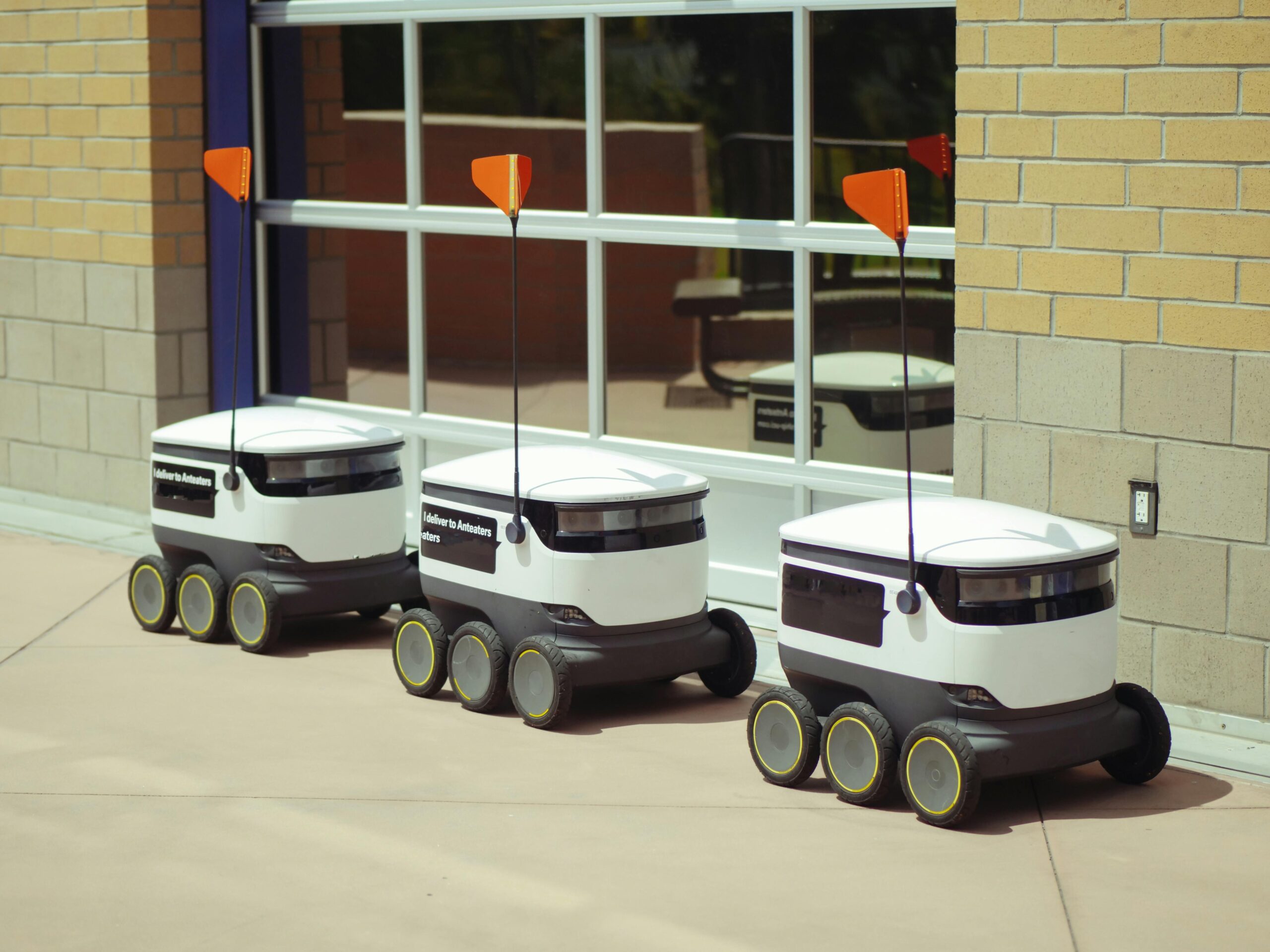
Self-driving delivery vehicles are transitioning from science fiction to operational reality. Companies are deploying autonomous sidewalk robots for small package deliveries, testing autonomous vans for larger loads, and exploring drone delivery for time-sensitive shipments to hard-to-reach locations. While regulatory frameworks are still evolving, pilot programs in cities from San Francisco to Singapore demonstrate the viability of autonomous freight solutions.
Warehouse automation complements road-based innovations by accelerating the sorting, packing, and loading processes. Robotic systems can process orders 24/7 with remarkable accuracy, reducing the time packages spend in facilities and enabling faster dispatch to their final destinations. This automation doesn’t necessarily eliminate jobs but transforms them, shifting human workers toward supervisory roles and complex problem-solving tasks that machines cannot yet handle.
♻️ Green Solutions: Making Urban Freight Sustainable
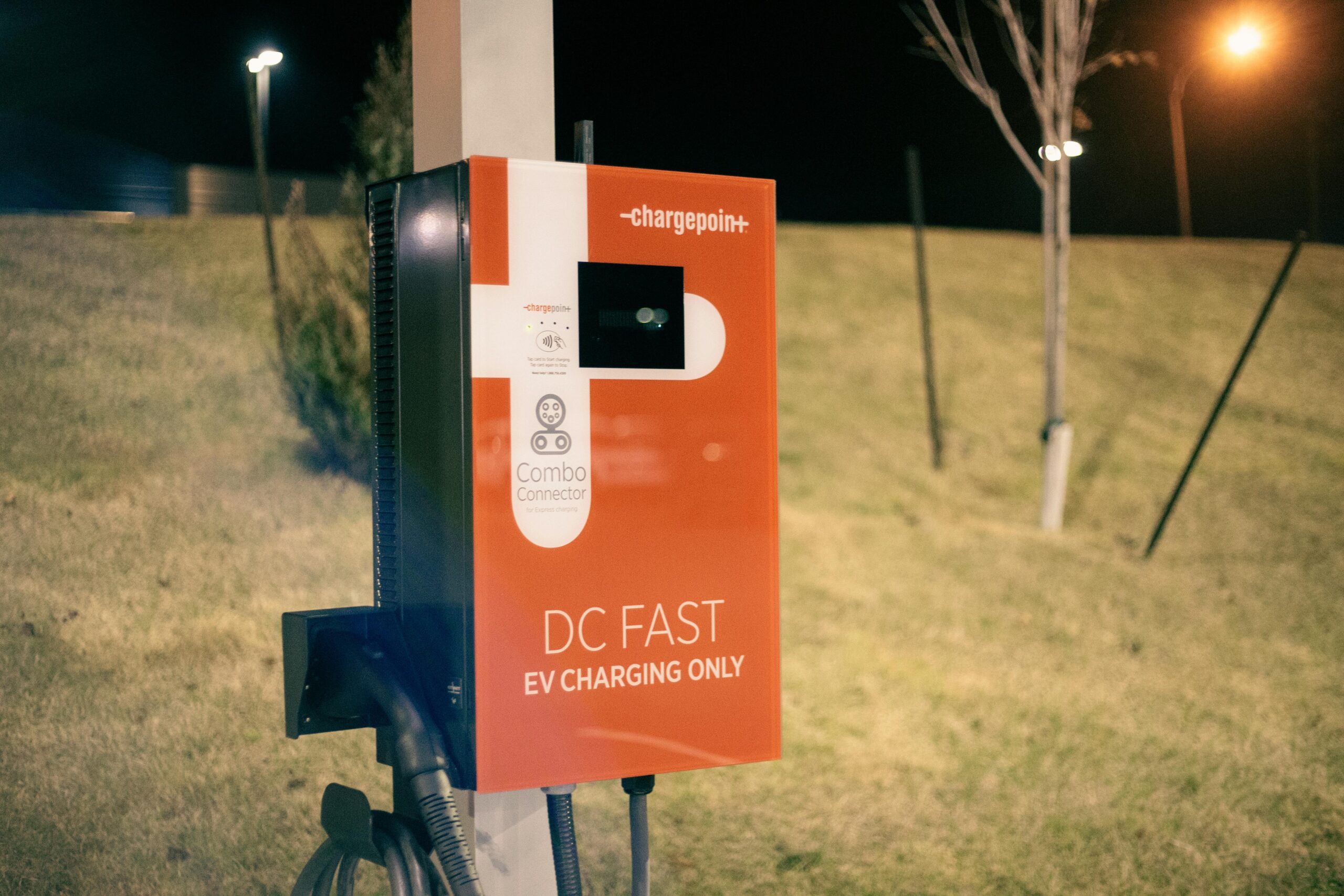
Electric vehicles represent the most immediate and impactful step toward sustainable urban freight. The total cost of ownership for electric delivery vans has reached parity with diesel equivalents in many markets, thanks to lower fuel costs, reduced maintenance requirements, and government incentives. Major logistics companies have committed to electrifying their fleets, with some targeting 100% electric urban delivery by 2030.
Cargo bikes and e-cargo trikes offer an elegant solution for dense urban cores where larger vehicles struggle to navigate narrow streets and find parking. These nimble vehicles can carry surprising loads—up to 200 kilograms in some models—while producing zero emissions and causing minimal traffic disruption. European cities have embraced cargo bikes enthusiastically, with operators reporting that they can complete urban deliveries faster than vans during peak traffic hours.
Consolidated delivery systems reduce the total number of vehicles on the road by combining shipments from multiple retailers into single delivery runs. Urban consolidation centers located on city peripheries receive goods from various suppliers, sort them by delivery zone, and dispatch consolidated loads on optimized routes. This approach can reduce delivery vehicle movements by up to 70% in participating areas.
Alternative Fuel Technologies Gaining Momentum
Hydrogen fuel cell vehicles offer extended range and rapid refueling compared to battery electric alternatives, making them suitable for longer urban freight routes and heavier payloads. While hydrogen infrastructure remains limited, pilot programs are expanding in cities committed to diversifying their zero-emission vehicle options. The technology shows particular promise for medium and heavy-duty urban freight applications.
Biofuels and renewable diesel provide transitional solutions for existing fleet infrastructure, offering significant emission reductions without requiring wholesale vehicle replacement. These drop-in fuels allow operators to reduce their carbon footprint immediately while planning longer-term transitions to fully electric or hydrogen-powered fleets.
📍 Micro-Fulfillment Centers: Bringing Warehouses to Customers
The concept of massive suburban distribution centers is being challenged by micro-fulfillment facilities strategically located within urban neighborhoods. These compact, highly automated warehouses—sometimes occupying spaces no larger than a convenience store—stock high-demand items close to where customers live and work. This proximity dramatically reduces last-mile distances, enabling faster deliveries with smaller, cleaner vehicles.
Dark stores and virtual fulfillment centers repurpose underutilized retail spaces into delivery-only facilities. Former department stores, closed supermarkets, and vacant shopping mall units find new life as urban logistics hubs. This adaptive reuse breathes economic life into struggling commercial districts while providing the strategic positioning that modern logistics demands.
Integration with existing retail infrastructure creates hybrid models where traditional stores double as fulfillment centers. Customers can choose between in-store shopping, curbside pickup, or home delivery, all sourced from the same local inventory. This omnichannel approach maximizes asset utilization and provides flexibility that pure-play online or offline models cannot match.
🤝 Collaborative Platforms: Sharing Resources for Greater Efficiency
Digital freight matching platforms connect shippers with carriers in real-time, filling empty cargo space and reducing wasteful empty return trips. Similar to ride-sharing apps but for freight, these platforms use sophisticated algorithms to match available cargo with available capacity, creating opportunities that benefit both shippers (through lower costs) and carriers (through better asset utilization).
Crowdsourced delivery models leverage the spare capacity of ordinary citizens traveling through cities for work or personal reasons. These gig-economy approaches can efficiently handle small packages and time-sensitive deliveries, though they raise important questions about labor practices, insurance coverage, and service reliability that the industry continues to address.
Shared infrastructure initiatives pool resources among multiple operators to reduce redundancy and maximize efficiency. Joint delivery lockers, shared urban consolidation centers, and cooperative loading zones allow competitors to collaborate on infrastructure while competing on service quality and price. These arrangements require regulatory support and careful antitrust considerations but offer substantial public benefits.
Building Trust Through Blockchain and Transparency
Blockchain technology is being explored for creating immutable records of freight movements, particularly valuable for high-value goods, pharmaceuticals, and products requiring provenance verification. The distributed ledger approach provides transparency without compromising competitive information, allowing multiple parties to verify transactions without relying on a central authority.
🏙️ Policy and Infrastructure: Creating Supportive Urban Environments
Progressive urban planning recognizes freight logistics as a critical public service deserving dedicated infrastructure. Cities are designating delivery-only zones with time-restricted access, creating off-street loading facilities, and designing new developments with freight considerations built in from the start. These physical changes support more efficient operations and reduce conflicts between freight vehicles and other road users.
Low-emission zones and congestion pricing schemes provide economic incentives for cleaner, more efficient freight operations. By charging higher fees for polluting vehicles during peak hours, cities encourage logistics operators to invest in cleaner fleets, optimize delivery timing, and consolidate shipments. Revenue from these programs often funds public transit improvements and cycling infrastructure, creating a virtuous cycle of urban mobility enhancement.
Regulatory sandboxes allow innovative freight solutions to be tested under controlled conditions before full-scale deployment. These experimental zones enable cities and companies to evaluate new technologies like autonomous vehicles, drone deliveries, or novel cargo bike designs without immediately exposing the entire urban population to untested approaches. Lessons learned inform permanent regulations that balance innovation with safety and equity.
📊 Measuring Success: Key Performance Indicators for Smart Urban Freight
Quantifying the impact of smart logistics initiatives requires comprehensive metrics that capture multiple dimensions of performance. Traditional measures like delivery speed and cost remain important, but modern frameworks incorporate environmental, social, and resilience factors.
- Carbon intensity per delivery: Tracking greenhouse gas emissions normalized by package volume or weight
- Vehicle utilization rates: Measuring cargo space efficiency and reducing empty running
- First-attempt delivery success: Reducing failed deliveries that require additional trips
- Traffic impact metrics: Assessing contribution to congestion through vehicle hours and route optimization
- Air quality improvements: Monitoring local pollutant concentrations in delivery-intensive areas
- Noise pollution levels: Particularly important for nighttime delivery operations
- Economic efficiency: Cost per delivery and overall logistics productivity
- Service reliability: On-time delivery rates and customer satisfaction scores
Leading logistics companies publish sustainability reports with ambitious targets and regular progress updates, holding themselves accountable to stakeholders. This transparency drives continuous improvement and allows customers to make informed choices about which delivery services align with their values.
🌍 Global Innovations: Learning from Cities Leading the Change
Amsterdam has pioneered zero-emission freight zones in its historic city center, where only electric or human-powered vehicles can make deliveries during daytime hours. The policy, supported by charging infrastructure and financial incentives, has dramatically improved air quality while maintaining commercial vitality. Other Dutch cities have adopted similar approaches, creating a national movement toward cleaner urban logistics.
Singapore leverages its compact geography and advanced technology infrastructure to test cutting-edge solutions. The city-state serves as a living laboratory for autonomous delivery robots, smart lockers integrated with public transit stations, and data-driven traffic management systems that prioritize freight during off-peak hours. Government-industry partnerships accelerate innovation while ensuring public benefits.
Copenhagen’s extensive cycling infrastructure has enabled a thriving cargo bike delivery sector that handles a significant portion of urban freight. The city estimates that cargo bikes could replace up to 50% of current motorized delivery trips, demonstrating that what works for personal mobility can scale to commercial applications with appropriate infrastructure support.
Tokyo’s sophisticated approach to micro-consolidation and precise delivery timing reflects cultural values of efficiency and consideration for others. The city’s logistics operators achieve remarkable performance through meticulous planning, advanced route optimization, and collaboration among stakeholders. The result is a freight system that moves enormous volumes through dense urban space with minimal disruption.
🚀 Preparing for the Future: Trends Shaping Tomorrow’s Urban Freight
The convergence of multiple technologies promises transformational changes in coming years. Autonomous electric vehicles operating from AI-managed micro-fulfillment centers, coordinated through blockchain-verified platforms, represent the integration of innovations discussed throughout this article. This convergence will create freight systems more efficient, sustainable, and customer-responsive than anything possible with individual technologies alone.
Vertical logistics—using drones, robotic elevators, and even urban cable car systems for freight—may alleviate street-level congestion by moving goods through three-dimensional space. Several cities are piloting aerial delivery corridors and exploring underground freight tunnels, reconceptualizing urban space to accommodate growing logistics demands without sacrificing livability.
Circular economy principles will increasingly influence urban freight design, with logistics networks optimized for reverse flows of packaging, returns, and materials for recycling or refurbishment. Smart logistics systems that excel at outbound delivery will be expected to manage inbound flows with equal efficiency, supporting sustainability goals that extend beyond emissions reduction to comprehensive resource management.
💡 The Path Forward: Collaboration, Innovation, and Commitment
Revolutionizing urban freight requires coordinated action from multiple stakeholders. Technology companies provide the tools, but logistics operators must implement them effectively. City governments create enabling policy environments, while customers drive demand through their purchasing choices and delivery preferences. Academic institutions contribute research and workforce development, while industry associations facilitate knowledge sharing and standards development.
Investment in smart logistics infrastructure pays dividends across multiple domains: economic competitiveness through efficient supply chains, environmental protection through reduced emissions, social equity through improved air quality in disadvantaged neighborhoods, and urban livability through less congested, quieter streets. These benefits justify public investment alongside private sector innovation.
The transformation of urban freight from a necessary nuisance to a showcase of efficiency and sustainability is within reach. Cities that embrace smart logistics today position themselves as attractive locations for businesses and residents alike, while those that delay face compounding challenges of congestion, pollution, and declining quality of life. The technologies, business models, and policy frameworks exist—what remains is the commitment to deploy them at scale.
The future of urban freight is not predetermined but shaped by choices made today. By investing in smarter logistics, supporting innovative solutions, and demanding better performance from freight systems, we can create cities that accommodate the convenience of modern commerce without sacrificing the air quality, tranquility, and accessibility that make urban life desirable. The revolution in urban freight is underway—the question is not whether cities will transform their logistics systems, but how quickly and thoroughly they will embrace the possibilities before them.