Transportation networks shape our cities, economies, and environment. Building stronger connections today means creating resilient, sustainable infrastructure that serves future generations while addressing current climate and mobility challenges. 🌍

The Foundation of Modern Connectivity
Transportation networks form the backbone of modern civilization, connecting people, goods, and opportunities across vast distances. These intricate systems encompass roads, railways, airports, seaports, and increasingly, digital infrastructure that coordinates movement. As global populations grow and urbanization accelerates, the pressure on these networks intensifies, demanding innovative approaches to infrastructure development.
Traditional transportation planning focused primarily on capacity expansion—building more roads, adding lanes, and increasing throughput. However, this approach often led to induced demand, where new capacity quickly filled with traffic, creating a cycle of congestion and expansion. Today’s transportation professionals recognize that building stronger connections requires a fundamental shift in thinking, prioritizing efficiency, sustainability, and resilience over simple expansion.
The concept of resilience in transportation networks has gained prominence following numerous disruptions—from natural disasters to global pandemics. A resilient network doesn’t just recover from shocks; it adapts, learns, and emerges stronger. This requires redundancy, flexibility, and diverse transportation options that can accommodate changing conditions and user needs.
Sustainable Transportation: Beyond Environmental Rhetoric
Sustainability in transportation extends beyond reducing emissions, though that remains a critical priority. A truly sustainable transportation network balances environmental protection, economic viability, and social equity. It considers the full lifecycle of infrastructure, from material extraction and construction to operation, maintenance, and eventual decommissioning.
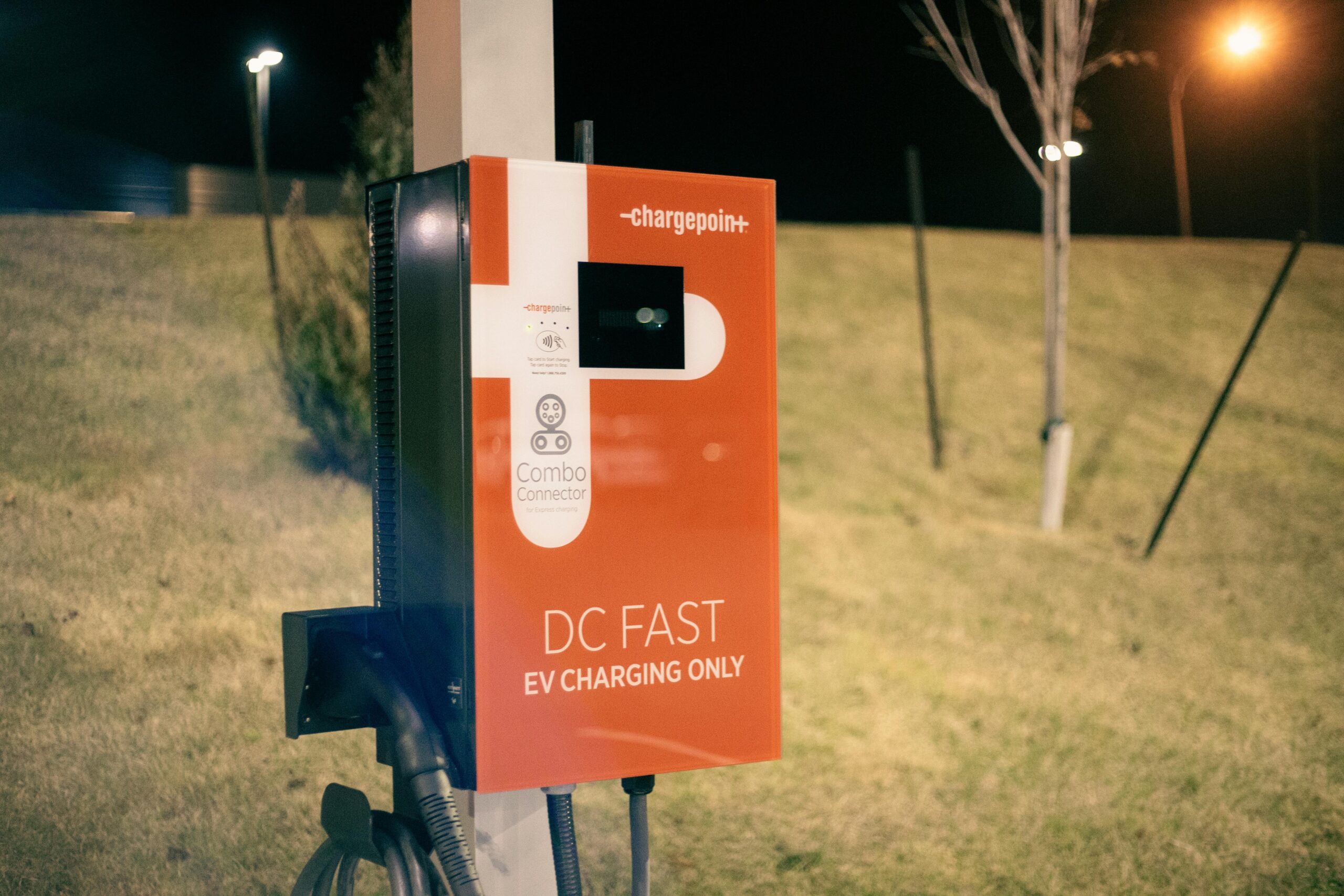
Transportation accounts for approximately 24% of global CO2 emissions, with road vehicles contributing the largest share. Addressing this requires a multi-pronged strategy that includes electrification, alternative fuels, modal shifts, and reduced travel demand through smart urban planning. Electric vehicles represent a significant opportunity, but their impact depends on the electricity grid’s carbon intensity and the sustainability of battery production.
Public transportation systems offer superior energy efficiency per passenger-mile compared to private vehicles. Investing in high-quality public transit—fast, frequent, comfortable, and accessible—encourages modal shift and reduces overall transportation emissions. Cities like Copenhagen, Amsterdam, and Singapore demonstrate how prioritizing sustainable transportation modes creates livable, economically vibrant urban environments.
Active Transportation Infrastructure 🚴♀️
Walking and cycling infrastructure represents the most sustainable transportation option, producing zero emissions while promoting public health. Protected bike lanes, pedestrian zones, and complete streets that accommodate all users safely transform urban mobility patterns. These investments yield multiple benefits: reduced congestion, improved air quality, healthier populations, and more vibrant street life.
Cities worldwide are reimagining street space allocation, reclaiming areas previously dominated by cars for pedestrians and cyclists. Paris’s transformation under Mayor Anne Hidalgo exemplifies this approach, creating hundreds of kilometers of cycling infrastructure and reducing car traffic in the city center. Barcelona’s “superblocks” program closes residential streets to through traffic, creating pedestrian-priority zones that reduce pollution and increase community cohesion.
Technology Revolutionizing Transportation Networks
Digital technologies are fundamentally transforming how transportation networks function, monitored, and optimized. Intelligent Transportation Systems (ITS) use sensors, cameras, and data analytics to manage traffic flow, reduce congestion, and improve safety. Real-time information systems help travelers make informed decisions about routes, modes, and timing, distributing demand more efficiently across the network.
Mobility-as-a-Service (MaaS) platforms integrate various transportation modes into a single accessible service, allowing users to plan, book, and pay for multimodal journeys through one interface. This approach reduces reliance on private vehicle ownership while maximizing the utility of existing transportation infrastructure. Successful MaaS implementation requires collaboration between public agencies and private operators, sharing data and coordinating services to provide seamless user experiences.
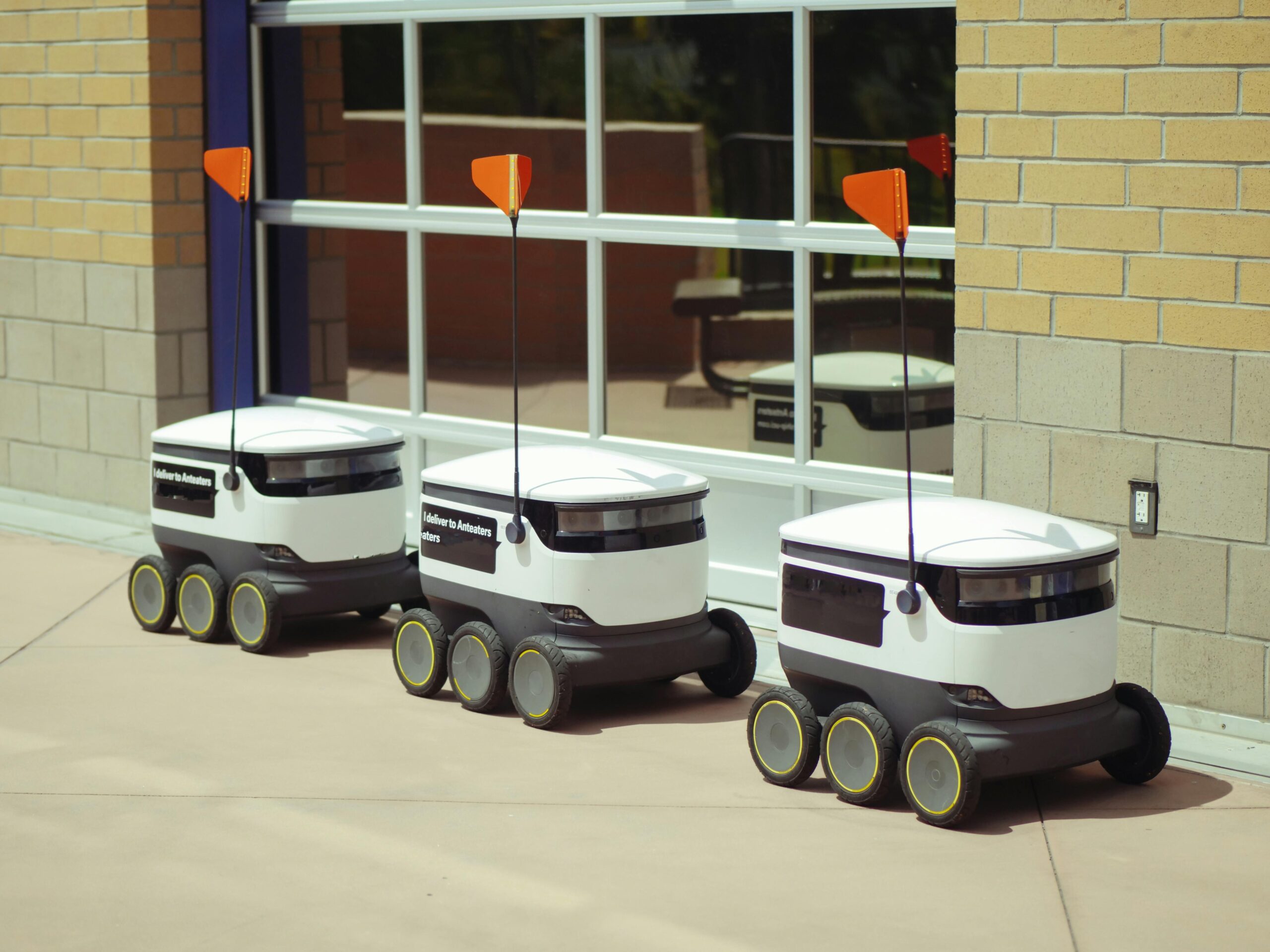
Autonomous vehicle technology promises to reshape transportation networks profoundly, though the timeline and ultimate impact remain uncertain. Potential benefits include improved safety through reduced human error, increased road capacity through vehicle platooning, and enhanced mobility for those unable to drive. However, autonomous vehicles could also increase vehicle miles traveled and urban sprawl if not carefully managed through policy interventions.
Data-Driven Decision Making 📊
Big data analytics enable transportation planners to understand travel patterns, predict demand, and optimize network performance with unprecedented precision. Mobile phone data, GPS tracking, transit smart cards, and connected vehicle data provide insights into how people actually move through cities, revealing gaps in service and opportunities for improvement.
Predictive analytics help agencies anticipate maintenance needs before failures occur, extending infrastructure lifespan and reducing costly emergency repairs. Machine learning algorithms optimize traffic signal timing dynamically, adapting to real-time conditions rather than following fixed schedules. These technologies make existing infrastructure work smarter, extracting more value from previous investments before committing to expensive expansions.
Resilience Through Redundancy and Diversity
Building resilient transportation networks requires planning for disruption. Natural disasters, infrastructure failures, cyber attacks, and public health emergencies can paralyze transportation systems, with cascading economic and social consequences. Resilience comes from network redundancy—multiple routes and modes connecting key destinations—and operational flexibility to adapt when primary systems fail.
Climate change increases transportation infrastructure vulnerability through more frequent extreme weather events, rising sea levels, and temperature extremes that exceed design specifications. Coastal transportation assets face particular risk from storm surge and gradual inundation. Adaptation strategies include elevating critical infrastructure, improving drainage systems, using heat-resistant materials, and creating buffer zones between infrastructure and vulnerable areas.
Diversifying transportation options enhances resilience by ensuring that disruptions to one mode don’t completely isolate communities. A city with robust public transit, cycling infrastructure, ride-sharing services, and road networks can better absorb shocks than one dependent solely on private automobiles. This diversity also supports equity by providing options for people with different abilities, incomes, and preferences.
Financing Sustainable Infrastructure Transformation
Transforming transportation networks requires substantial investment, challenging given competing budget priorities and political resistance to new taxes. Traditional financing mechanisms—fuel taxes, tolls, and general revenues—face pressures from electric vehicle adoption reducing gas tax revenues and public opposition to increased fees.
Innovative financing approaches are emerging to bridge the investment gap. Value capture mechanisms tax the property value increases that result from transportation improvements, directing that revenue back to infrastructure investment. Green bonds specifically fund sustainable projects, attracting environmentally conscious investors. Public-private partnerships can leverage private capital, though they require careful structuring to protect public interests.
Pricing mechanisms that reflect transportation’s true costs—including congestion, pollution, and infrastructure wear—can generate revenue while encouraging efficient use. Congestion pricing in cities like London and Stockholm has reduced traffic while funding transit improvements. Road user charges based on vehicle miles traveled offer a more equitable alternative to fuel taxes, though privacy concerns require careful policy design.
The Economic Case for Investment 💰
While transportation infrastructure requires significant upfront investment, the economic returns substantially exceed costs when projects are well-designed. Improved transportation access expands labor markets, reduces business logistics costs, and enables agglomeration economies where firms benefit from proximity to workers, suppliers, and customers.
The economic costs of underinvestment are substantial: traffic congestion costs the U.S. economy alone nearly $200 billion annually in lost productivity. Infrastructure failures disrupt supply chains and commerce. Poor air quality from transportation emissions creates healthcare costs and reduces workforce productivity. These considerations make sustainable transportation investment not just environmentally responsible but economically rational.
Equity and Access in Transportation Planning
Transportation networks shape opportunity access—employment, education, healthcare, and social connections. Poorly designed systems can reinforce inequality, isolating low-income communities and limiting economic mobility. Transportation justice requires centering equity in planning processes, ensuring that investments serve disadvantaged communities, not just affluent areas.
Historical transportation decisions often deliberately divided communities and displaced residents, particularly communities of color. Urban freeways frequently cut through minority neighborhoods, creating physical barriers and exposing residents to pollution and noise. Addressing these legacies requires more than avoiding future harm; it demands proactive investment in underserved areas and meaningful community engagement in decision-making.
Affordable transportation access is essential for economic participation. When low-income households spend excessive portions of their income on transportation, it constrains other opportunities and perpetuates poverty. Subsidized transit fares, affordable housing near transit, and job centers accessible without car ownership all contribute to transportation equity.
Regional Coordination and Integrated Planning
Transportation networks don’t respect political boundaries, yet planning often occurs within fragmented jurisdictions with conflicting priorities. Regional coordination enables more efficient network design, avoiding redundancy while ensuring connectivity. Metropolitan planning organizations bring together municipalities, counties, and states to coordinate transportation investment and land use planning.
Integrated planning connects transportation decisions with land use, housing, economic development, and environmental protection. Transit-oriented development concentrates housing and jobs near high-quality transit, reducing driving necessity while supporting transit ridership. This integration creates positive feedback loops: transit investment supports dense development, which generates ridership that justifies service improvements.
Cross-sector coordination extends beyond traditional transportation agencies. Telecommunications infrastructure supports remote work, reducing travel demand. Energy policy affects transportation through fuel choices and electricity grid characteristics. Healthcare systems depend on transportation access. Recognizing these connections enables more holistic solutions that address multiple objectives simultaneously.
Learning from Global Best Practices 🌐
Countries and cities worldwide offer valuable lessons for building stronger transportation connections. Japan’s rail network demonstrates how high-speed intercity rail can compete with air travel while connecting regions efficiently. The Netherlands shows how investing in cycling infrastructure transforms mobility patterns and improves quality of life. Singapore’s integrated approach combining road pricing, transit investment, and land use planning creates a functional multimodal system despite limited space.
Curitiba, Brazil, pioneered bus rapid transit (BRT) as a cost-effective alternative to rail, inspiring similar systems globally. BRT systems provide rail-like service—dedicated lanes, level boarding, pre-payment—at a fraction of the cost, making high-quality transit accessible to cities with limited resources. When properly implemented, BRT can move as many passengers as light rail while maintaining operational flexibility.
Scandinavia’s approach to winter cycling demonstrates that climate need not prevent active transportation; infrastructure design and maintenance matter more than weather. Protected bike lanes with priority snow clearing enable year-round cycling, even in harsh winter conditions. This challenges assumptions that certain climates necessitate car dependence.
The Path Forward: Integrated Action
Transforming transportation networks for resilience and sustainability requires coordinated action across multiple dimensions. Technical solutions—electric vehicles, smart infrastructure, efficient design—are necessary but insufficient without supportive policies, adequate funding, and political will. Success demands sustained commitment beyond typical political cycles, requiring broad coalitions supporting long-term vision over short-term convenience.
Community engagement must move beyond token consultation to genuine co-creation, incorporating diverse perspectives and local knowledge into planning processes. Those most affected by transportation decisions—including residents of frontline communities, people with disabilities, and low-income households—deserve meaningful influence over outcomes, not just opportunities to comment on predetermined plans.
Education and communication help build public support for necessary changes. Many sustainable transportation policies face initial resistance from those unfamiliar with alternatives to car-centric systems. Demonstrating benefits through pilot projects, sharing success stories, and providing opportunities to experience alternatives can shift perceptions and build constituencies for change.

Creating Legacy Infrastructure for Tomorrow
The transportation infrastructure we build today will serve communities for decades, shaping development patterns, environmental outcomes, and social equity long into the future. This reality demands careful consideration of long-term impacts, not just immediate political or economic pressures. Climate resilience, adaptability to technological change, and flexibility to accommodate evolving needs should guide infrastructure decisions.
Building stronger connections means more than physical infrastructure—it requires institutional capacity, skilled workforce development, and sustained maintenance commitment. Infrastructure deteriorates without proper maintenance, yet maintenance often receives lower priority than new construction despite superior returns on investment. Establishing dedicated funding for maintenance and asset management protects previous infrastructure investments.
The transformation of transportation networks represents both challenge and opportunity. The climate crisis and growing inequality demand urgent action, yet the same forces create openings for fundamental change. By embracing innovation, prioritizing sustainability and equity, and building truly resilient systems, we can create transportation networks that serve as foundations for prosperous, livable, sustainable communities for generations to come. 🚀
The journey toward stronger, more sustainable transportation connections requires persistence, collaboration, and vision. No single technology, policy, or project will solve all challenges—progress comes through accumulated improvements, each building on previous success. Starting now, with commitment to learning, adapting, and continuous improvement, cities and regions can transform their transportation systems into assets that enhance quality of life while protecting the planet for future generations.