The autonomous vehicle revolution is no longer a distant dream—it’s unfolding on our roads today, demanding unprecedented levels of innovation and reliability.

🚗 The Dawn of a New Transportation Era
Autonomous vehicles represent one of the most transformative technological shifts in modern history. As we stand at the crossroads of innovation and implementation, the automotive industry faces a critical challenge: ensuring that autonomous vehicle systems are truly ready for widespread adoption. This readiness encompasses not just technological sophistication, but also safety protocols, regulatory compliance, infrastructure adaptation, and public trust.
The journey toward full vehicle autonomy requires a multifaceted approach that balances cutting-edge innovation with unwavering reliability. Today’s autonomous vehicle developers are navigating complex terrain that includes artificial intelligence, sensor technology, cybersecurity, and human-machine interaction—all while maintaining the highest safety standards ever demanded of transportation systems.
Understanding the Levels of Vehicle Autonomy
Before diving deeper into system readiness, it’s essential to understand the framework that defines autonomous driving. The Society of Automotive Engineers (SAE) has established six levels of driving automation, from Level 0 (no automation) to Level 5 (full automation). This classification system provides a common language for discussing autonomous vehicle capabilities and requirements.
Level 2 and Level 3 systems, which include advanced driver assistance features, are already commercially available in many vehicles today. However, the transition to Level 4 and Level 5—where vehicles can operate without human intervention in most or all conditions—presents exponentially greater challenges. These higher levels demand system readiness that goes far beyond current capabilities.
The Critical Components of System Readiness
Achieving true system readiness for autonomous vehicles requires the integration of multiple technological domains. Sensor fusion technology must seamlessly combine data from cameras, lidar, radar, and ultrasonic sensors to create a comprehensive understanding of the vehicle’s environment. This perception system must function reliably in all weather conditions, lighting scenarios, and traffic situations.
The decision-making algorithms that process this sensory information represent another critical component. These artificial intelligence systems must be capable of making split-second decisions that prioritize safety while maintaining smooth, efficient operation. Machine learning models require extensive training on diverse datasets that represent every conceivable driving scenario.
⚡ Innovation Driving Autonomous Technology Forward
Innovation in autonomous vehicle technology is occurring across multiple fronts simultaneously. Advanced neural networks are becoming more sophisticated at recognizing objects, predicting behavior, and planning optimal trajectories. Companies are developing more powerful and efficient computing platforms that can process massive amounts of data in real-time while consuming minimal power.
Sensor technology continues to evolve rapidly, with new generations of lidar systems offering greater range, resolution, and reliability at decreasing costs. Camera systems now incorporate artificial intelligence directly into the sensor, enabling faster processing and more intelligent data prioritization. These innovations are making autonomous systems more capable and more affordable.
The Role of Simulation and Testing
One of the most significant innovations in autonomous vehicle development is the use of sophisticated simulation environments. These virtual testing grounds allow developers to expose their systems to billions of miles of driving scenarios without putting anyone at risk. Simulation platforms can create rare but critical edge cases—situations that might occur only once in millions of real-world miles.
However, simulation alone cannot guarantee system readiness. Real-world testing remains essential for validating performance and uncovering unexpected challenges. The most successful autonomous vehicle programs employ a comprehensive testing strategy that combines simulation, closed-course testing, and carefully monitored public road trials.
🛡️ Reliability: The Non-Negotiable Foundation
While innovation captures headlines and imagination, reliability forms the bedrock upon which autonomous vehicle acceptance will be built. For autonomous systems to gain public trust and regulatory approval, they must demonstrate reliability that exceeds human drivers by a significant margin. This means not just avoiding accidents, but operating predictably and safely across millions of miles and countless scenarios.
Reliability engineering for autonomous vehicles involves redundancy at every critical level. Sensors must have backup systems that can take over if primary sensors fail. Computing platforms require redundant processors and power supplies. Communication systems need multiple pathways to ensure connectivity even in challenging environments. This approach to failsafe design significantly increases system complexity but is essential for safety-critical applications.
Cybersecurity as a Reliability Imperative
As vehicles become more connected and automated, cybersecurity transforms from a convenience concern to a life-safety issue. Autonomous vehicles must be protected against potential attacks that could compromise their operation or data integrity. This requires multiple layers of security, from encrypted communications to intrusion detection systems and secure boot processes.
The automotive industry is adopting security-by-design principles, integrating protection measures from the earliest stages of development rather than adding them as afterthoughts. Regular security updates and the ability to patch vulnerabilities quickly are becoming standard requirements for autonomous vehicle systems.
Infrastructure: The Often-Overlooked Enabler
Autonomous vehicle system readiness extends beyond the vehicles themselves to the infrastructure they navigate. Smart infrastructure that can communicate with vehicles, providing information about traffic conditions, hazards, and optimal routing, enhances the capabilities of autonomous systems significantly. Connected intersections, digital road signs, and high-definition mapping all contribute to safer and more efficient autonomous operation.
Many regions are beginning to invest in infrastructure upgrades specifically designed to support autonomous vehicles. This includes improving road markings that are more easily detected by machine vision systems, installing dedicated communication networks, and creating special lanes or zones where autonomous vehicles can operate with reduced complexity.
The 5G Revolution and Vehicle Connectivity
The deployment of 5G networks represents a game-changing development for autonomous vehicles. The low latency and high bandwidth of 5G enable vehicle-to-everything (V2X) communication that can dramatically enhance safety and efficiency. Vehicles can share information about road conditions, hazards, and intentions with each other and with infrastructure in real-time, creating a cooperative driving environment.
This connectivity allows autonomous vehicles to “see” beyond their own sensor range, receiving warnings about situations developing around blind corners or several vehicles ahead. Such capabilities could enable more confident decision-making and smoother traffic flow, particularly in complex urban environments.
🎯 Regulatory Frameworks and Standards Development
The regulatory landscape for autonomous vehicles continues to evolve rapidly as governments worldwide grapple with how to ensure safety while fostering innovation. Different jurisdictions are taking varied approaches, from prescriptive regulations that specify technical requirements to performance-based frameworks that focus on outcomes rather than specific technologies.
International standards organizations are working to create harmonized standards for autonomous vehicle systems, covering everything from cybersecurity to functional safety to data recording requirements. These standards provide manufacturers with clear targets and give regulators tools for assessing system readiness. However, the pace of technological change often outstrips the standards development process, creating ongoing tension between innovation and regulation.
Validation and Certification Challenges
One of the most significant challenges facing the autonomous vehicle industry is demonstrating system safety to the satisfaction of regulators and the public. Traditional vehicle testing protocols are insufficient for validating artificial intelligence-based systems that learn and adapt. New approaches to safety validation are emerging, including scenario-based testing, statistical modeling of safety performance, and ongoing monitoring of deployed systems.
Some experts argue that autonomous vehicles will never be able to prove they are safe before deployment, and that a monitored, gradual rollout with continuous improvement represents the only viable path forward. This approach requires robust data collection and analysis capabilities, as well as mechanisms for quickly addressing any issues that emerge in deployed systems.
The Human Factor in Autonomous Systems
Despite the “autonomous” label, humans remain central to these systems—as passengers, as other road users, and as system monitors during development and early deployment. Understanding human psychology and behavior is crucial for designing systems that people will trust and use appropriately. This includes creating intuitive interfaces that clearly communicate what the vehicle is doing and what it expects from human occupants.
The handoff between automated and manual driving modes presents particular challenges, especially at SAE Levels 2 and 3 where humans are expected to remain ready to take control. Research shows that humans are poor at maintaining vigilance during long periods of monitoring, yet current regulations often require driver attention even when systems are operating autonomously. Solving this human factors challenge is essential for safe deployment of intermediate automation levels.
Public Perception and Trust Building
Public acceptance represents a critical component of autonomous vehicle system readiness that goes beyond pure technology. High-profile accidents involving autonomous or semi-autonomous vehicles receive intense media coverage and can significantly impact public perception, regardless of statistical safety comparisons with human drivers. Building trust requires transparency about system capabilities and limitations, consistent safety performance, and visible benefits that make the technology attractive to potential users.
Education initiatives that help the public understand how autonomous systems work and what to expect from them can facilitate acceptance. Demonstrating tangible benefits—such as improved mobility for elderly or disabled individuals, reduced traffic congestion, or lower transportation costs—helps build a positive narrative around the technology.
💼 Business Models and Economic Readiness
System readiness isn’t purely technical—it also encompasses economic viability and sustainable business models. The enormous investment required to develop autonomous vehicle systems must eventually generate returns, whether through vehicle sales, mobility services, or efficiency gains. Different companies are pursuing varied strategies, from selling autonomous features in personal vehicles to deploying autonomous taxi and delivery services.
The economics of autonomous vehicles could fundamentally reshape the transportation industry. Reduced labor costs for commercial vehicles, improved fuel efficiency through optimized driving, and higher vehicle utilization rates all promise significant economic benefits. However, these must be balanced against the substantial costs of sensors, computing hardware, development, and ongoing system maintenance and updates.
🌍 Environmental and Social Implications
Autonomous vehicles have the potential to deliver significant environmental benefits through optimized driving patterns, reduced congestion, and facilitating the transition to electric vehicles. Coordinated autonomous vehicle fleets could dramatically improve traffic flow, reducing the stop-and-go driving that wastes fuel and increases emissions. The ability to precisely control vehicle spacing and speed could improve highway capacity without new construction.
However, autonomous vehicles also pose risks of increased vehicle miles traveled if the convenience of self-driving encourages more trips or longer commutes. Careful policy design will be necessary to ensure that autonomous vehicles contribute to sustainability goals rather than undermining them. Integration with public transportation systems and encouraging shared autonomous vehicle services rather than private ownership could help maximize environmental benefits.
The Path Forward: Integration and Collaboration
Achieving true autonomous vehicle system readiness requires unprecedented collaboration across industries and disciplines. Automotive manufacturers, technology companies, infrastructure providers, regulators, and researchers must work together to solve the multifaceted challenges involved. Open standards and data sharing—while protecting proprietary innovations and privacy—can accelerate progress and improve safety across the industry.
The next decade will be critical for autonomous vehicle development. Systems will continue improving through accumulated experience and technological advances. Regulatory frameworks will mature as governments gain confidence in validation methodologies. Infrastructure will gradually adapt to better support autonomous operation. And public acceptance will grow as people experience the benefits of increasingly capable systems.
Emerging Applications Beyond Passenger Vehicles
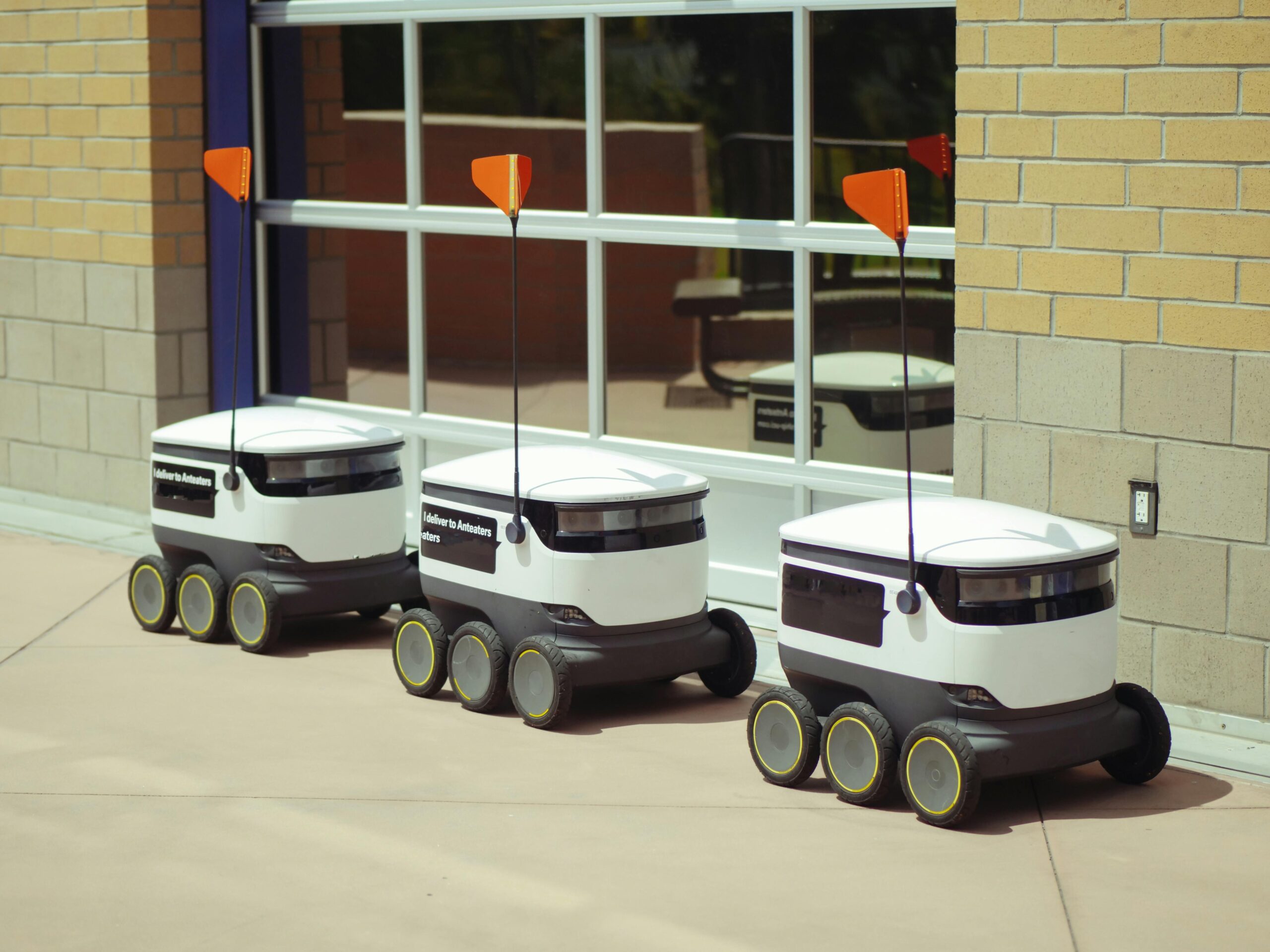
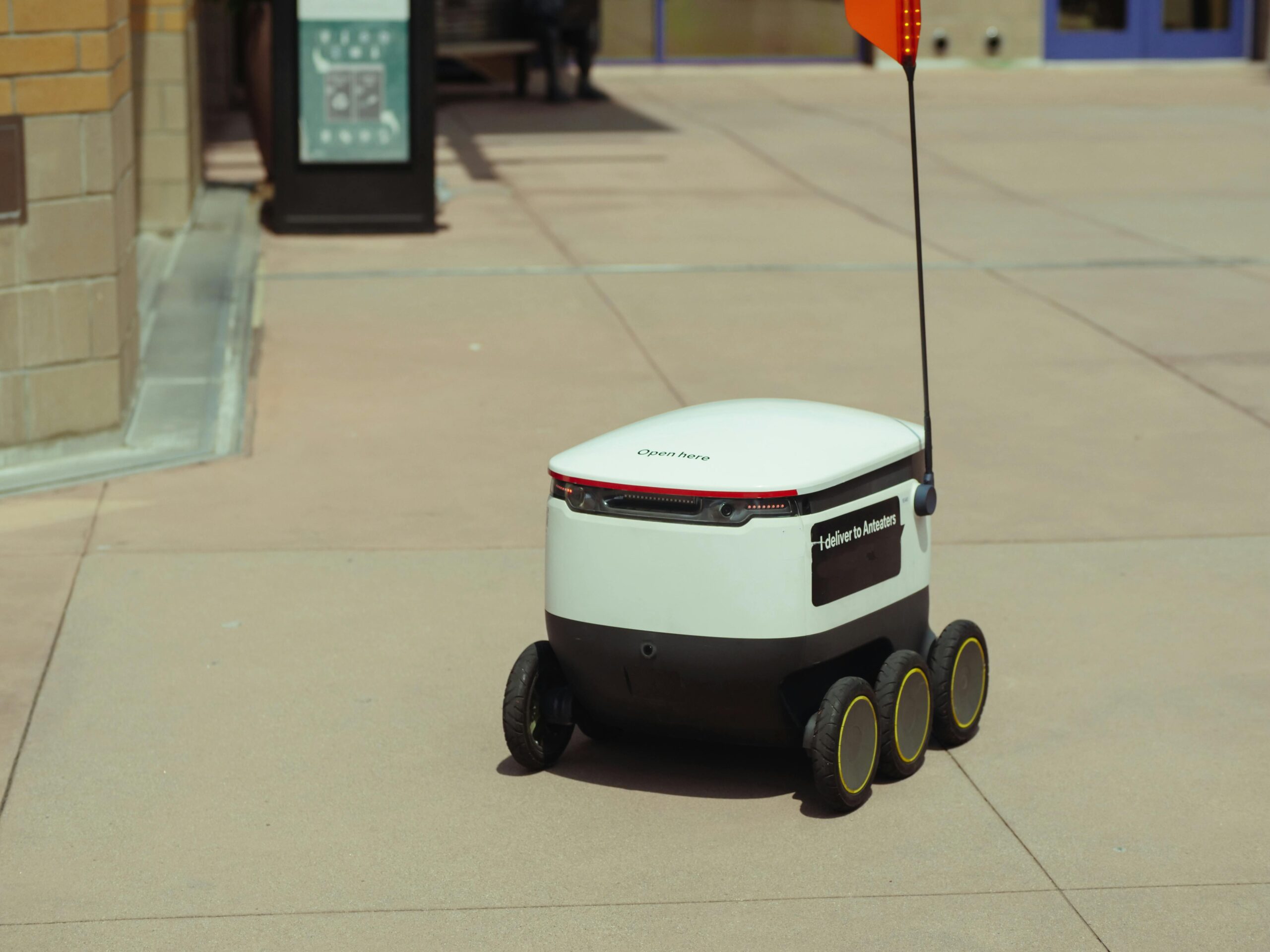
While passenger cars receive most attention, autonomous technology is advancing rapidly in other applications where the operating environment is more controlled. Autonomous shuttles operating on fixed routes, autonomous delivery vehicles in limited areas, and autonomous trucks on highways represent near-term opportunities where system readiness requirements may be achieved sooner than for fully autonomous passenger cars in all environments.
These specialized applications allow developers to gain real-world experience while operating within defined boundaries that reduce complexity. Lessons learned from these deployments inform development of more general-purpose autonomous systems, creating a stepping-stone approach to full autonomy.
🔮 Looking Ahead: The Autonomous Future Takes Shape
The question is no longer whether autonomous vehicles will become reality, but when and how the transition will unfold. System readiness—combining innovation with reliability—represents the critical enabler that will determine the pace and success of this transformation. As technologies mature, regulations evolve, and infrastructure adapts, the barriers to widespread deployment continue to fall.
The autonomous vehicle future promises safer roads, more efficient transportation, enhanced mobility for all, and fundamentally transformed urban landscapes. Achieving this future requires sustained commitment to both pushing the boundaries of innovation and ensuring that every system deployed meets the highest standards of reliability and safety. The road ahead is challenging, but the destination—a transportation system that is safer, cleaner, and more accessible than ever before—makes the journey worthwhile.
Success will require patience, persistence, and a willingness to learn from both successes and setbacks. The companies, researchers, and policymakers who maintain focus on genuine system readiness—rather than rushing to deployment—will ultimately build the foundation for sustainable autonomous vehicle adoption that transforms transportation for generations to come.