Urban mobility is undergoing a dramatic transformation as connected platforms merge technology, sustainability, and user convenience to redefine how we navigate cities worldwide.

🚀 The Dawn of Integrated Urban Mobility Ecosystems
The future of city transportation isn’t about individual solutions working in isolation—it’s about seamless integration. Connected urban mobility platforms are emerging as the central nervous system of modern cities, orchestrating everything from public transit and ride-sharing to bike rentals and micro-mobility options through unified digital interfaces.
These revolutionary platforms leverage real-time data, artificial intelligence, and sophisticated algorithms to create frictionless travel experiences. Commuters no longer need to juggle multiple apps, payment systems, or transportation modes. Instead, they access comprehensive mobility solutions that adapt to their preferences, schedules, and environmental considerations.
The transformation extends beyond mere convenience. Cities implementing connected mobility platforms report significant reductions in traffic congestion, lower carbon emissions, and improved accessibility for residents across all demographics. This shift represents nothing less than a fundamental reimagining of urban life itself.
🌐 Technology Pillars Powering the Revolution
Connected urban mobility platforms rest on several technological foundations that make seamless city travel possible. Understanding these core components reveals how the revolution is actually happening on our streets.
Artificial Intelligence and Predictive Analytics
Machine learning algorithms analyze vast datasets encompassing traffic patterns, weather conditions, special events, and historical usage to predict demand and optimize routing. These systems learn continuously, becoming more accurate and efficient with each journey completed across the network.
AI-powered platforms can anticipate congestion before it occurs, suggesting alternative routes or transportation modes. They balance supply and demand dynamically, ensuring vehicles are positioned where they’re needed most, reducing wait times and improving overall system efficiency.
Internet of Things (IoT) Integration
Smart sensors embedded throughout urban infrastructure communicate constantly with mobility platforms. Traffic lights, parking meters, bus stops, and vehicles themselves generate streams of data that feed into centralized systems, creating a living map of city movement.
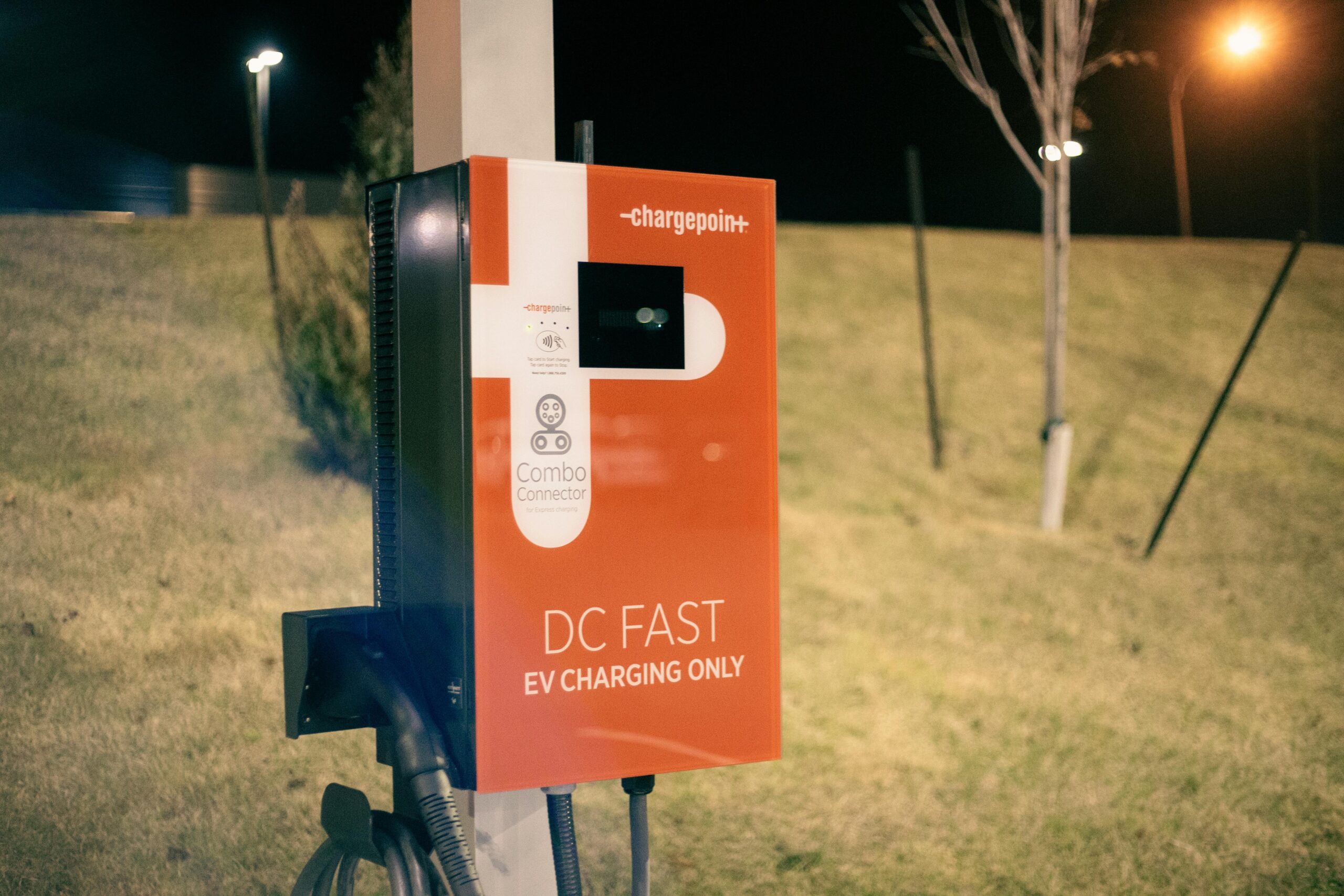
This connectivity enables unprecedented coordination. Traffic signals can adjust timing based on real-time congestion, electric vehicle charging stations can reserve capacity for incoming cars, and maintenance teams receive alerts about infrastructure issues before they impact travelers.
Blockchain and Secure Transactions
Distributed ledger technology ensures secure, transparent transactions across multiple service providers. Users can pay for different transportation modes through a single account, with blockchain handling the complex backend settlements between companies, municipalities, and service operators.
This technological approach eliminates payment friction while maintaining privacy and security standards that users demand in an increasingly connected world.
🚇 Multimodal Integration: The Heart of Seamless Travel
The true power of connected mobility platforms lies in their ability to blend diverse transportation options into cohesive journeys. Multimodal integration transforms fragmented systems into unified experiences that prioritize the traveler’s needs above institutional boundaries.
Modern platforms allow users to plan trips that seamlessly combine walking, cycling, metro rides, bus connections, and ride-sharing—all within a single app interface. The system calculates optimal combinations based on factors like travel time, cost, environmental impact, and personal preferences.
Consider a typical journey: a commuter walks to a bike-sharing station, cycles to a metro stop, takes the subway across town, and completes the last mile via electric scooter. The mobility platform coordinates each segment, ensuring smooth transitions and handling all payments automatically through integrated digital wallets.
This integration extends to real-time adjustments. If a metro delay occurs, the platform instantly recalculates the route, perhaps suggesting an express bus or ride-share alternative to maintain the arrival time. The system even reserves the alternative transportation, eliminating the stress of last-minute changes.
♻️ Sustainability Driving Urban Transformation
Environmental concerns aren’t just features of connected mobility platforms—they’re fundamental design principles shaping the entire revolution. Cities worldwide recognize that sustainable transportation is essential for livability, public health, and climate action.
Connected platforms actively promote low-emission options by making them more convenient and economical than traditional alternatives. Carbon footprint tracking built into journey planning helps users make informed choices, while gamification elements reward sustainable behavior with discounts or priority access.
Electric vehicle integration represents another critical sustainability dimension. Platforms coordinate EV charging infrastructure, optimizing grid load while ensuring vehicles remain available when needed. Smart charging schedules leverage renewable energy peaks, further reducing environmental impact.
Shared mobility inherently reduces the number of vehicles required to serve a population. When coordinated through intelligent platforms, car-sharing, ride-pooling, and micro-transit services can replace private vehicle ownership for many urban residents, dramatically decreasing resource consumption and emissions.
📱 User Experience: Simplicity Meets Sophistication
Behind the technological complexity lies an obsessive focus on user experience. The most successful connected mobility platforms achieve what seems paradoxical—sophisticated functionality presented through beautifully simple interfaces.
Single-tap journey planning eliminates the need for users to understand underlying complexity. The platform handles route optimization, mode selection, booking, and payment while presenting straightforward options ranked by relevance to the user’s stated priorities.
Personalization engines learn individual preferences over time. The system remembers that you prefer window seats, avoid crowded buses, or always choose bike routes through parks. These learned preferences automatically influence future recommendations without requiring explicit configuration.
Accessibility features ensure connected mobility serves everyone, regardless of physical abilities, digital literacy, or economic status. Voice interfaces, visual aids, step-free route options, and subsidized access programs make urban mobility truly universal.
🏙️ Smart Cities: Infrastructure Meets Innovation
Connected mobility platforms don’t exist in isolation—they’re integral components of broader smart city initiatives transforming urban environments. The relationship between digital platforms and physical infrastructure creates powerful synergies that benefit residents, businesses, and municipal governments.
Cities investing in connected infrastructure see dramatic improvements in traffic flow management. Adaptive traffic signals respond to real-time conditions rather than fixed schedules, reducing unnecessary stopping and accelerating overall travel times. These systems prioritize emergency vehicles, public transit, and high-occupancy vehicles automatically.
Smart parking solutions eliminate the frustrating circling for spaces that contributes significantly to urban congestion. Platforms direct drivers to available spots, enable contactless payment, and can even reserve spaces during booking, streamlining the entire parking experience.
Data generated by mobility platforms provides cities with unprecedented insights into how residents actually move through urban spaces. This information drives better infrastructure planning, from bike lane placement to public transit route optimization, ensuring investments address real needs rather than assumptions.
🔐 Privacy, Security, and Trust in Connected Systems
As mobility platforms collect and process vast amounts of personal data, privacy and security concerns naturally arise. Building trust requires transparent policies, robust protections, and genuine respect for user autonomy.
Leading platforms implement privacy-by-design principles, collecting only essential data and anonymizing information whenever possible. Users maintain control over what they share, with granular permissions allowing different levels of data access for various features.
Encryption protects data in transit and at rest, while regular security audits identify vulnerabilities before they can be exploited. Multi-factor authentication, biometric verification, and fraud detection systems safeguard accounts and transactions.
Transparency about data usage builds trust. Clear explanations of how information improves services, combined with easy opt-out options, respect user agency while enabling platform functionality. This balanced approach recognizes privacy as a fundamental right rather than an obstacle to innovation.
💼 Economic Implications and Business Models
The connected mobility revolution creates new economic opportunities while disrupting established industries. Understanding these dynamics helps stakeholders navigate the transformation and maximize benefits.
Platform business models vary widely, from subscription services offering unlimited access to pay-per-use systems charging for individual journeys. Hybrid approaches combine base subscriptions with usage-based fees, balancing predictable revenue with flexible pricing.
Public-private partnerships increasingly fund and operate connected mobility systems. Municipalities recognize that private expertise accelerates deployment while public involvement ensures equitable access and alignment with community goals. These collaborations blend commercial efficiency with social responsibility.
The economic impact extends beyond transportation providers. Local businesses benefit from improved accessibility, while reduced congestion and emissions create public health savings that offset infrastructure investments. Real estate values often increase near well-connected mobility hubs, generating additional tax revenue.
🌍 Global Perspectives on Urban Mobility Innovation
Different cities worldwide approach connected mobility with unique priorities reflecting local cultures, challenges, and opportunities. Examining these varied implementations reveals valuable lessons and inspiring innovations.
Singapore’s comprehensive approach integrates all public and private transportation into unified platforms backed by extensive sensor networks. The city-state uses dynamic pricing to manage demand, encouraging off-peak travel and distributing traffic more evenly throughout the day.
Helsinki pursues a “mobility as a service” vision where residents access all transportation through subscription plans replacing car ownership. The model treats mobility like a utility, with tiered service levels meeting different needs and budgets.
Barcelona combines connected mobility with superblock urban design, creating car-free zones where walking, cycling, and micro-mobility dominate. The integration of digital platforms with physical space redesign demonstrates how technology and urbanism complement each other.
Developing cities face different challenges but often leapfrog older technologies, implementing cutting-edge connected systems without legacy infrastructure constraints. These implementations prove that mobility revolution isn’t limited to wealthy nations—innovation thrives wherever vision and commitment align.
🔮 Emerging Trends Shaping Tomorrow’s Urban Travel
The connected mobility revolution continues accelerating, with emerging technologies and concepts pointing toward an even more integrated future. Understanding these trends helps cities and companies prepare for what’s coming next.
Autonomous vehicles will eventually integrate into connected platforms, adding another layer of flexibility and efficiency. Self-driving shuttles serving first-mile and last-mile connections, coordinated through central systems, could dramatically expand public transit accessibility without proportional cost increases.
Flying taxis and urban air mobility represent longer-term possibilities gaining serious investment and regulatory attention. While challenges remain significant, connected platforms provide the coordination infrastructure these new modes will require to function safely and efficiently.
Hyperlocal logistics integration blurs boundaries between passenger and freight mobility. Platforms that efficiently move people can also coordinate package deliveries, using excess capacity in existing vehicles to reduce costs and environmental impact.
Digital twins—virtual replicas of entire urban transportation systems—enable sophisticated simulation and planning. Cities can test infrastructure changes, policy modifications, or new services in virtual environments before committing real resources, reducing risks and improving outcomes.
🎯 Overcoming Barriers to Widespread Adoption
Despite impressive progress, connected mobility platforms face obstacles that slow universal adoption. Addressing these challenges directly accelerates the revolution’s benefits reaching more people and places.
Regulatory fragmentation creates inconsistencies as different jurisdictions impose varying requirements on mobility services. Harmonizing regulations while respecting local autonomy requires careful coordination between municipal, regional, and national governments.
Digital divides exclude populations lacking smartphone access or digital literacy from connected mobility benefits. Providing alternative access methods—physical kiosks, voice hotlines, or community assistance programs—ensures technology serves everyone rather than creating new inequalities.
Infrastructure gaps limit platform effectiveness in areas lacking basic connectivity, reliable public transit, or safe cycling facilities. Coordinated investment in both digital and physical infrastructure creates foundations for successful implementation.
Cultural resistance to sharing, connectivity, or behavior change represents perhaps the most challenging barrier. Education, demonstration projects, and inclusive design processes help communities understand benefits and shape implementations that reflect their values and needs.
🌟 Transforming Daily Life Through Connected Mobility
Beyond statistics and technology specifications, the connected mobility revolution fundamentally changes how people experience cities. These platforms don’t just move bodies—they expand possibilities, reduce stress, and improve quality of life in tangible ways.
Commuters reclaim time previously lost to driving, parking, or waiting. Productive work, relaxation, or social connection fill journeys when you’re not behind the wheel. This time dividend accumulates to hours weekly and days annually—a significant life improvement.
Spontaneous exploration becomes easier when comprehensive mobility options appear at your fingertips. Visiting new neighborhoods, attending events across town, or making last-minute plan changes happen without the friction of unfamiliar transit systems or parking concerns.
Economic accessibility expands as platforms enable car-free lifestyles. The thousands spent annually on vehicle ownership, insurance, and maintenance become available for other priorities. For many families, this financial freedom proves transformative.
Social equity advances when quality mobility becomes universally accessible rather than dependent on car ownership. Connected platforms democratize movement, ensuring economic status doesn’t determine one’s ability to access opportunities, services, and experiences throughout the city.

🚀 Building the Connected Mobility Future Together
The seamless city travel revolution isn’t something happening to us—it’s something we’re collectively creating through choices, investments, and participation. Every stakeholder plays a role in shaping outcomes that determine whether connected mobility fulfills its transformative potential.
Cities must continue investing in both digital platforms and physical infrastructure while maintaining focus on equity and sustainability. Bold vision combined with pragmatic implementation creates momentum that attracts additional resources and accelerates progress.
Technology companies should prioritize user needs over short-term profits, building systems that genuinely serve communities rather than simply extracting value. Ethical design, transparent operations, and collaborative approaches build trust essential for long-term success.
Citizens participate by trying new options, providing feedback, and advocating for systems that reflect community values. User adoption ultimately determines success—platforms only work when people choose them over alternatives.
The connected urban mobility revolution represents more than technological advancement. It embodies our collective aspiration for cities that work better, pollute less, and serve everyone equitably. As platforms mature and adoption spreads, this vision increasingly becomes everyday reality across cities worldwide. The future of urban travel isn’t coming—it’s already here, transforming one journey at a time.