Urban congestion is strangling our cities, but real-time traffic management systems are emerging as the digital saviors, transforming gridlock into seamless flow.

🚦 The Urban Mobility Crisis: Why Traditional Systems Are Failing
Every major city worldwide faces the same challenge: too many vehicles competing for limited road space. Traditional traffic management relied on fixed-timing signals and historical data patterns that couldn’t adapt to real-world conditions. The result? Commuters waste an average of 99 hours annually stuck in traffic, costing economies billions in lost productivity.
Static traffic lights operate on predetermined cycles, regardless of whether roads are empty or packed. This outdated approach creates unnecessary delays during off-peak hours and fails catastrophically during rush periods or unexpected incidents. The financial burden extends beyond wasted time, encompassing fuel consumption, increased emissions, and deteriorating public health from air pollution.
Modern cities require intelligent solutions that respond dynamically to changing conditions. Real-time traffic management systems represent the technological leap needed to address these challenges, leveraging sensors, artificial intelligence, and connectivity to optimize urban mobility.
🌐 How Real-Time Traffic Management Systems Actually Work
Real-time traffic management operates through an interconnected network of sensors, cameras, GPS data, and intelligent algorithms that continuously monitor and adjust traffic flow. These systems collect millions of data points per hour, processing information faster than any human operator could manage.
The technology stack includes inductive loop detectors embedded in roadways, CCTV cameras with computer vision capabilities, Bluetooth and Wi-Fi sensors tracking device movements, and GPS data from connected vehicles and smartphones. This multi-layered approach creates a comprehensive real-time picture of traffic conditions across entire metropolitan areas.
The Intelligence Behind the Infrastructure
Machine learning algorithms analyze historical patterns alongside current conditions to predict congestion before it occurs. When the system detects unusual slowdowns, it automatically adjusts signal timing, suggests alternate routes through digital signage, and alerts traffic management centers for potential manual intervention.
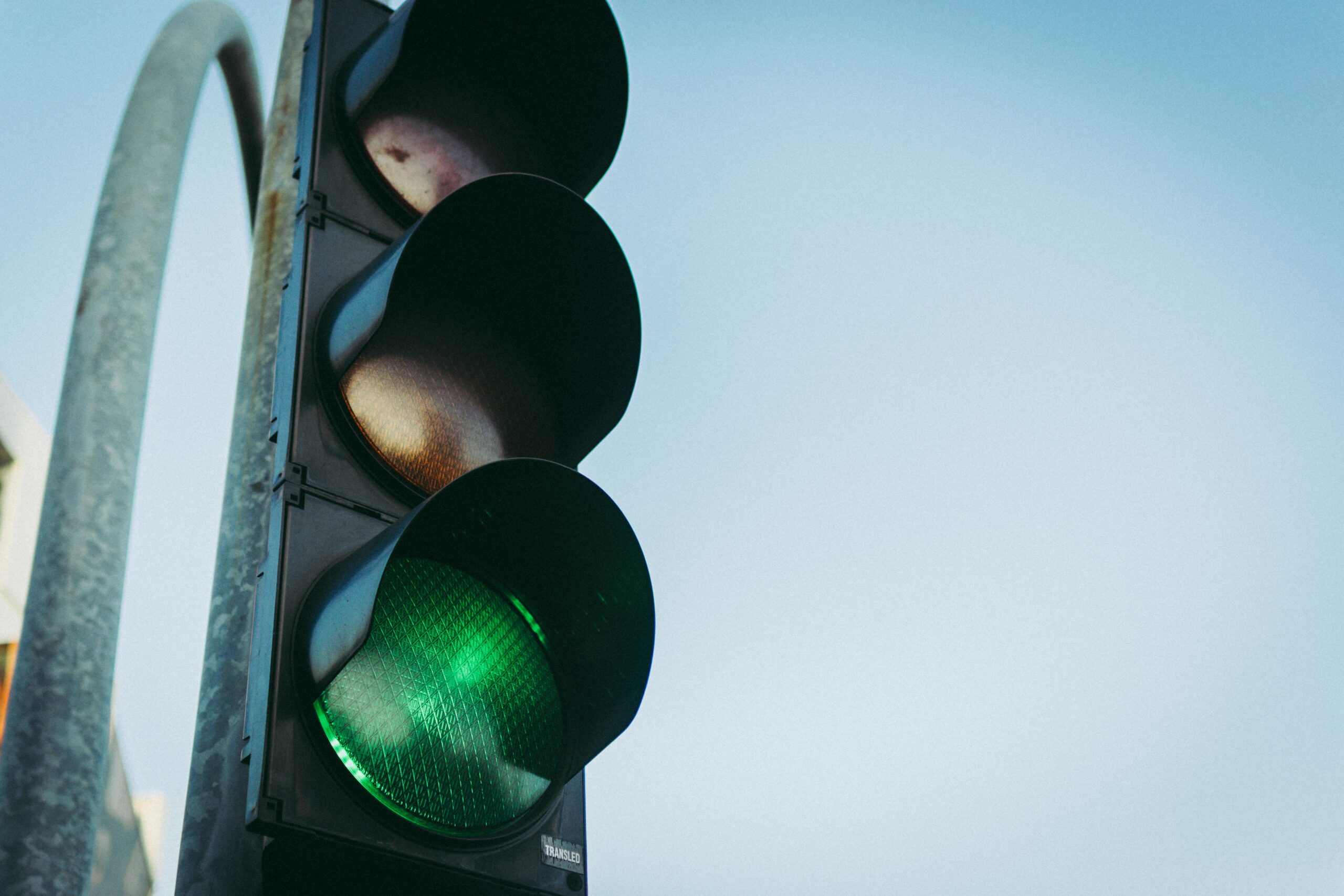
Adaptive signal control technology forms the cornerstone of these systems. Unlike traditional fixed-timing signals, adaptive systems evaluate traffic demand at each intersection continuously, extending green lights for heavier flows and reducing wait times for lighter directions. The result is a dynamic, responsive network that self-optimizes throughout the day.
🚀 Revolutionary Technologies Driving the Transformation
Several cutting-edge technologies are converging to make real-time traffic management more effective than ever before. Artificial intelligence and machine learning enable predictive analytics that anticipate problems before they cascade into major disruptions.
Internet of Things (IoT) and Connected Infrastructure
The proliferation of IoT devices has transformed traffic management capabilities. Smart sensors communicate with central systems and with each other, creating a mesh network of real-time intelligence. Connected vehicles share data about speed, location, and road conditions, enriching the information available to traffic managers.
Edge computing allows processing to occur closer to data sources, reducing latency and enabling split-second decisions. When every millisecond counts in traffic optimization, this distributed processing architecture makes real-time responsiveness genuinely achievable.
Computer Vision and Video Analytics
Modern cameras do more than record footage—they actively analyze traffic scenes. Computer vision algorithms detect vehicle types, count traffic volumes, identify incidents, and even recognize pedestrian movements. This visual intelligence supplements traditional sensors, providing richer contextual information for decision-making.
Advanced systems can detect stopped vehicles, wrong-way drivers, pedestrians in roadways, and other safety hazards, automatically alerting authorities and adjusting traffic patterns to enhance safety.
📊 Measurable Benefits: The Numbers Don’t Lie
Cities implementing comprehensive real-time traffic management systems report dramatic improvements across multiple metrics. The data demonstrates these aren’t incremental gains but transformative changes in urban mobility efficiency.
| Metric | Average Improvement | Impact |
|---|---|---|
| Travel Time Reduction | 25-40% | Shorter commutes, increased productivity |
| Fuel Consumption | 15-30% decrease | Cost savings, reduced emissions |
| Accident Rates | 20-35% reduction | Enhanced safety, lower insurance costs |
| CO2 Emissions | 20-25% decrease | Environmental benefits, cleaner air |
| Emergency Response Time | 30-50% faster | Lives saved, better outcomes |
Singapore, a pioneer in smart traffic management, reduced peak-hour congestion by 15% within the first year of implementing their intelligent transport system. Los Angeles synchronized 4,500 traffic signals, cutting travel times by 12% and reducing emissions by 10,000 tons annually.
🏙️ Global Success Stories: Cities Leading the Revolution
Barcelona’s Smart City Integration
Barcelona integrated traffic management with broader smart city initiatives, deploying sensors throughout the metropolitan area. Their system manages parking, public transport, and private vehicles through a unified platform, reducing search time for parking by 40% and cutting traffic congestion by significant margins.
The Spanish city uses real-time data to dynamically price parking based on demand, encouraging turnover in high-traffic areas and directing drivers to available spaces efficiently. This approach reduces unnecessary circling that accounts for up to 30% of urban traffic.
Pittsburgh’s Adaptive Signal System
Pittsburgh implemented an AI-powered adaptive traffic signal system that reduced travel times by 25% and vehicle emissions by 20%. The system uses machine learning to predict traffic patterns and adjust signal timing proactively rather than reactively.
What makes Pittsburgh’s approach remarkable is the relatively modest investment compared to massive infrastructure projects, demonstrating that smart technology can deliver outsized returns without reconstructing entire transportation networks.
Stockholm’s Congestion Management
Stockholm combines real-time traffic management with congestion pricing, using sophisticated monitoring systems to track vehicle movements and automatically charge fees during peak periods. This integrated approach reduced traffic volumes by 20% and dramatically improved air quality in the city center.
📱 Mobile Apps: Putting Traffic Intelligence in Everyone’s Hands
Real-time traffic management systems extend beyond government infrastructure to mobile applications that democratize access to traffic intelligence. These apps transform passive commuters into active participants in traffic optimization.
Navigation apps like Google Maps and Waze aggregate data from millions of users, creating crowdsourced traffic information that supplements official sensors. When users report accidents, road closures, or police activity, this information immediately benefits the entire community.
Transit apps provide real-time updates on public transportation, helping commuters make informed decisions about whether to drive, take the bus, or use alternative transportation. By integrating multiple mobility options, these platforms encourage multimodal transportation that reduces overall congestion.
🔮 The Future: Autonomous Vehicles and V2X Communication
The next frontier in traffic management involves vehicles communicating directly with infrastructure and each other through Vehicle-to-Everything (V2X) technology. This paradigm shift will enable unprecedented coordination and efficiency.
Connected and Autonomous Vehicle Integration
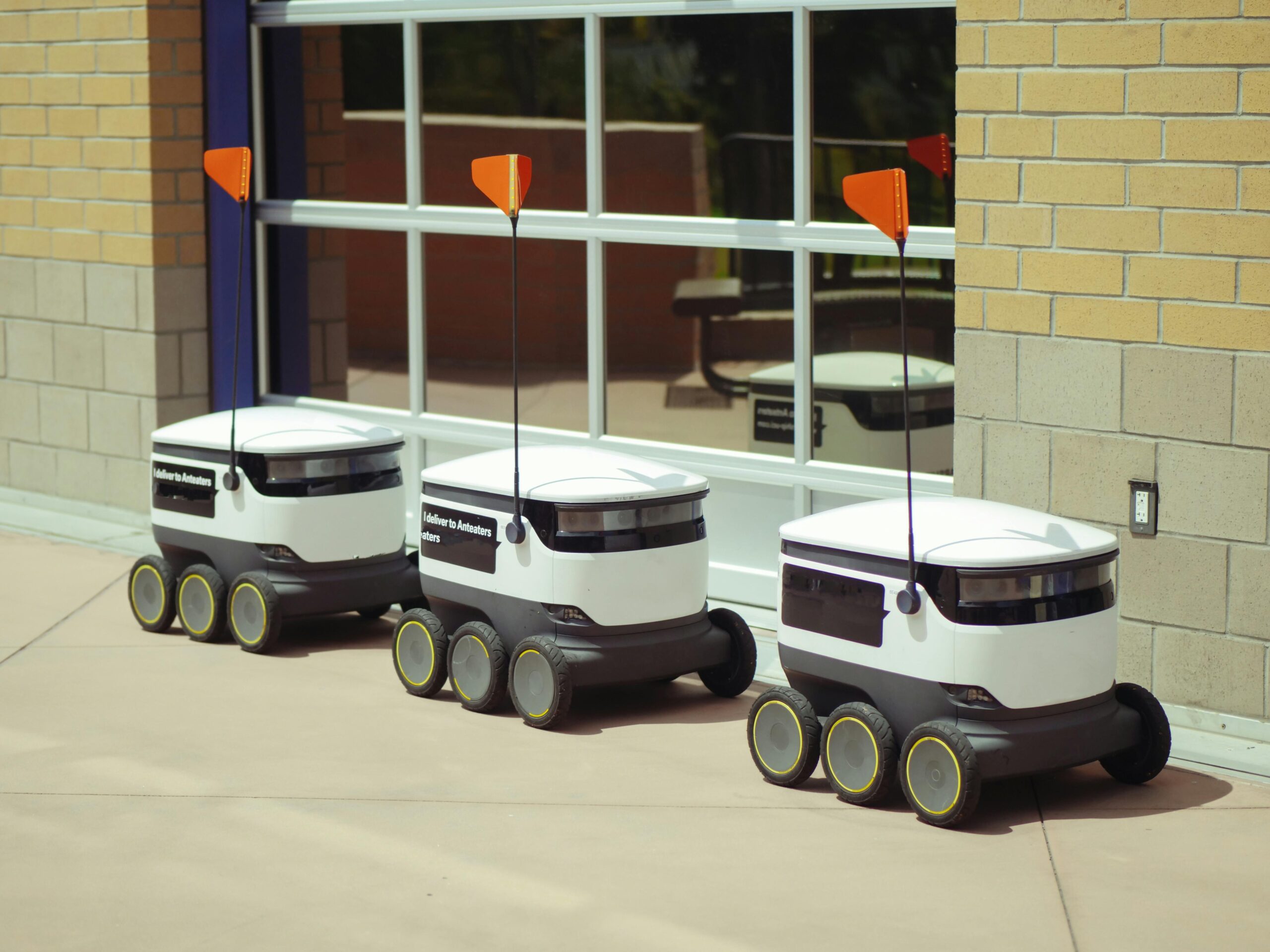
As autonomous vehicles become mainstream, they’ll communicate continuously with traffic management systems, receiving optimal routing instructions and speed recommendations. The system will orchestrate vehicle movements like a conductor leading an orchestra, minimizing stops and maximizing flow.
Platooning technology allows vehicles to travel in coordinated groups with minimal spacing, dramatically increasing highway capacity without additional construction. Real-time management systems will coordinate platoon formation and dissolution based on destination patterns.
Predictive Maintenance and Infrastructure Health
Future systems will monitor infrastructure health in real-time, detecting potholes, pavement degradation, and structural issues before they cause problems. Connected vehicles will report road conditions automatically, creating a continuous feedback loop for maintenance prioritization.
This predictive approach transforms reactive maintenance into proactive preservation, extending infrastructure lifespan and reducing disruptions from emergency repairs.
⚡ Overcoming Implementation Challenges
Despite compelling benefits, implementing real-time traffic management systems presents significant challenges that cities must address strategically.
Infrastructure Investment and Funding
The upfront costs of sensors, communication networks, and software platforms can be substantial. Cities must develop creative financing models, including public-private partnerships, that spread costs over time and align incentives between stakeholders.
However, the return on investment typically justifies these expenses within 3-5 years through reduced congestion costs, lower infrastructure maintenance, and improved economic productivity.
Data Privacy and Security Concerns
Real-time traffic management systems collect vast amounts of data about individual movements, raising legitimate privacy concerns. Cities must implement robust anonymization protocols and transparent data governance policies that protect citizen privacy while enabling system effectiveness.
Cybersecurity represents another critical challenge. Traffic management systems control critical infrastructure, making them potential targets for malicious actors. Multi-layered security architectures, continuous monitoring, and redundant systems are essential for maintaining operational integrity.
Integration with Legacy Systems
Most cities operate decades-old traffic infrastructure that wasn’t designed for connectivity. Retrofitting existing systems while maintaining uninterrupted operations requires careful planning and phased implementation strategies.
Standardization remains an obstacle, with different vendors using incompatible protocols and data formats. Industry collaboration on open standards will accelerate adoption and reduce integration complexity.
🌱 Environmental Impact: Green Cities Through Smart Traffic
Real-time traffic management delivers substantial environmental benefits beyond reducing individual vehicle emissions. By optimizing flow, these systems support broader sustainability goals and climate action commitments.
Reduced idling and smoother traffic flow cut greenhouse gas emissions significantly. Studies show that optimized traffic signals alone can reduce CO2 emissions by 15-20% in managed corridors. Multiply this across an entire metropolitan area, and the environmental impact becomes transformative.
Better traffic management encourages public transit usage by making bus and rail services more predictable and reliable. Priority signaling for transit vehicles reduces journey times, making public transportation more competitive with private vehicles.
- Reduced air pollution improves public health outcomes, particularly for respiratory conditions
- Lower noise pollution enhances quality of life in urban neighborhoods
- Decreased fuel consumption conserves natural resources and reduces dependence on fossil fuels
- Optimized routing reduces total vehicle miles traveled, cutting emissions beyond efficiency gains
- Data insights inform long-term urban planning for more sustainable transportation networks
💡 Getting Started: Roadmap for Cities
Cities considering real-time traffic management systems should follow a strategic implementation roadmap that builds capabilities progressively while delivering early wins.
Phase 1: Assessment and Planning
Begin with comprehensive assessment of current traffic patterns, pain points, and infrastructure condition. Identify high-priority corridors where interventions will deliver maximum impact. Engage stakeholders including residents, businesses, and transit agencies to understand needs and build support.
Develop clear performance metrics and baseline measurements that will demonstrate progress. Without objective data, proving system value becomes difficult when facing budget scrutiny.
Phase 2: Pilot Projects
Implement pilot programs in limited areas to prove concepts and refine approaches before citywide deployment. Choose pilot locations carefully to showcase benefits while managing risks. Document results thoroughly and communicate successes to build momentum for expansion.
Phase 3: Systematic Expansion
Scale proven solutions across the broader network systematically, learning from pilot experiences. Prioritize areas with highest congestion or safety issues to maximize community impact. Build technical capacity within city staff to manage and maintain systems long-term.
Phase 4: Continuous Improvement
Real-time traffic management isn’t a one-time project but an ongoing evolution. Continuously analyze performance data, adjust algorithms, and incorporate new technologies as they emerge. Maintain engagement with citizens through transparent reporting on system performance and benefits.
🎯 The Road Ahead: Embracing the Traffic Revolution
Real-time traffic management systems represent more than technological upgrades—they fundamentally reimagine how cities function. By treating transportation networks as dynamic, intelligent systems rather than static infrastructure, we unlock potential that’s been constrained by outdated approaches.
The convergence of artificial intelligence, IoT connectivity, and big data analytics creates unprecedented opportunities to solve mobility challenges that have plagued cities for generations. Early adopters are already reaping substantial benefits, while laggards risk falling further behind in competitiveness and livability.
Success requires vision, investment, and persistence, but the rewards justify the effort. Reduced congestion translates to economic growth, improved quality of life, environmental sustainability, and enhanced safety. These aren’t abstract benefits but tangible improvements that residents experience daily.
As urbanization accelerates globally, with two-thirds of humanity projected to live in cities by 2050, solving mobility challenges becomes existential. Real-time traffic management systems provide the tools cities need to accommodate growth without sacrificing livability.
The revolution in urban mobility is underway, powered by real-time traffic management systems that transform chaos into coordinated flow. Cities that master this technology will thrive in the 21st century, while those clinging to outdated approaches will struggle with worsening congestion and declining competitiveness. The choice is clear—embrace the future of intelligent transportation or remain stuck in gridlock.