Climate change demands urgent action to protect communities and economies. Building resilient infrastructure systems isn’t optional—it’s essential for survival and prosperity in an increasingly unpredictable world.

🌍 Why Climate-Adaptive Infrastructure Matters Now More Than Ever
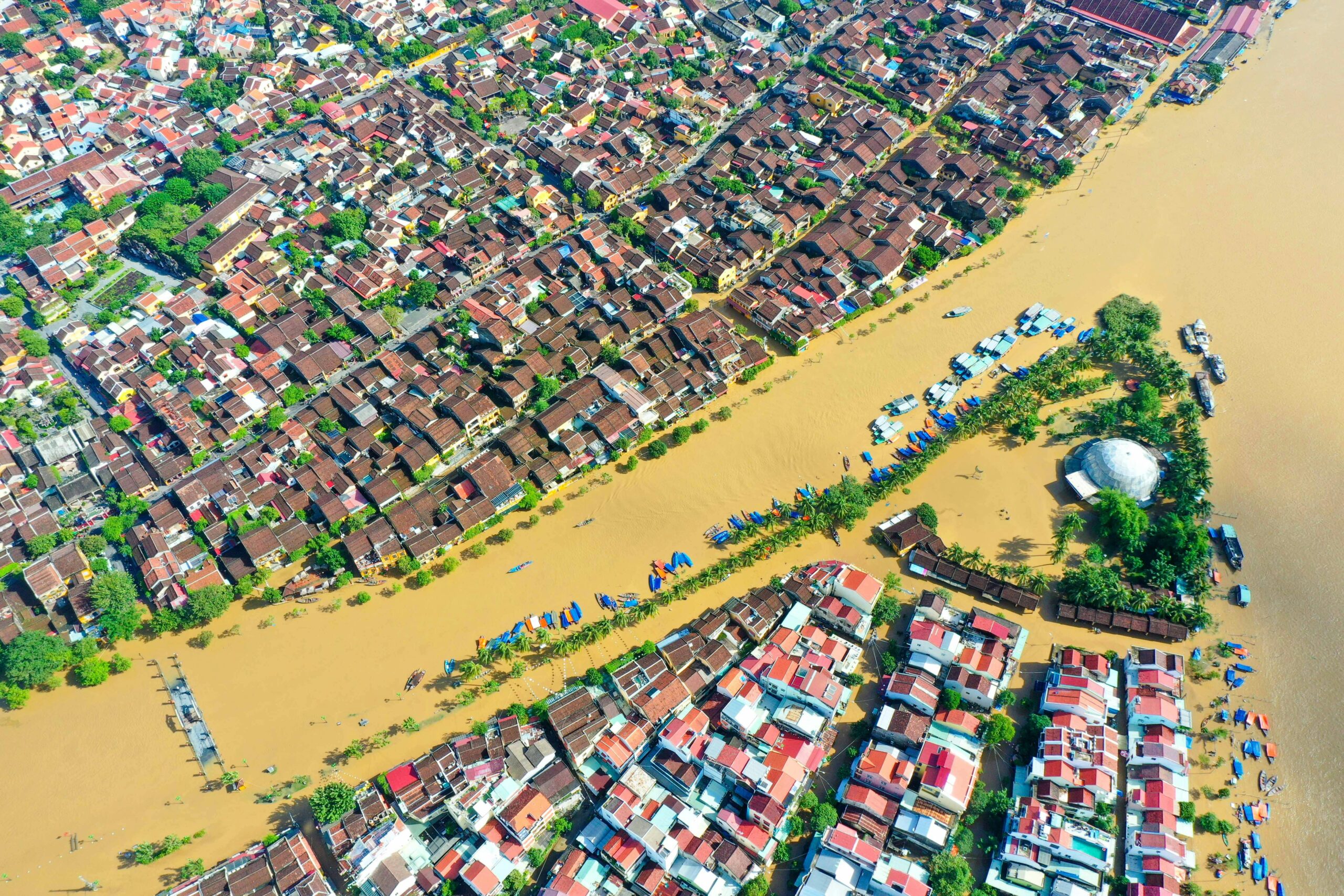
The infrastructure systems that support modern civilization—energy grids, water supplies, transportation networks, and communication systems—face unprecedented threats from climate change. Extreme weather events, rising sea levels, prolonged droughts, and devastating floods are no longer distant possibilities but present realities affecting billions of people worldwide.
Traditional infrastructure design followed historical climate patterns, assuming relatively stable environmental conditions. This approach is fundamentally inadequate for the climate chaos we’re experiencing. Cities built for yesterday’s weather patterns are ill-equipped for tomorrow’s climate extremes, leaving populations vulnerable and economies exposed to catastrophic disruptions.
Climate-adaptive infrastructure represents a paradigm shift in how we design, build, and maintain the systems that underpin society. It integrates climate science projections, incorporates flexible design principles, and prioritizes long-term resilience over short-term cost savings. The investment required is substantial, but the cost of inaction is exponentially higher.
Understanding the Foundation: What Makes Infrastructure Climate-Adaptive
Climate-adaptive infrastructure goes beyond simply strengthening existing systems. It requires fundamental rethinking of design philosophies, material selection, location planning, and operational strategies. Several core principles distinguish adaptive infrastructure from conventional approaches.
Forward-Looking Risk Assessment 🔍
Rather than relying on historical data alone, climate-adaptive design incorporates predictive climate models that project conditions 30, 50, or even 100 years into the future. Engineers and planners must account for temperature increases, changing precipitation patterns, intensified storm systems, and sea-level rise when designing infrastructure meant to last decades.
This approach requires collaboration between climate scientists, engineers, urban planners, and policymakers. The uncertainty inherent in climate projections demands infrastructure designs that can accommodate a range of possible futures rather than optimizing for a single predicted scenario.
Flexibility and Modularity in Design
Adaptive infrastructure incorporates flexibility that allows systems to respond to changing conditions. Modular designs enable incremental upgrades and modifications as climate impacts become clearer. This contrasts sharply with rigid, monolithic infrastructure that becomes obsolete when conditions exceed original design parameters.
Examples include water systems with adjustable capacity, energy grids with distributed generation and storage capabilities, and buildings designed for easy retrofit with improved cooling or flood protection measures. The key is avoiding locked-in vulnerability through inflexible design choices.
🏗️ Critical Infrastructure Sectors Requiring Climate Adaptation
While all infrastructure needs climate consideration, certain sectors face particularly acute challenges that demand immediate attention and substantial investment in adaptive measures.
Water Management Systems Under Climate Stress
Water infrastructure faces dual pressures from drought and deluge. Many regions experience intensified wet seasons with flooding risks alongside prolonged dry periods threatening water security. Climate-adaptive water systems incorporate multiple strategies to manage these extremes.
Green infrastructure solutions like bioswales, permeable pavements, and urban wetlands help manage stormwater while reducing flood risks. Advanced water recycling and desalination technologies provide drought resilience. Smart sensor networks enable real-time monitoring and rapid response to changing conditions.
Storage capacity designed for variable precipitation patterns ensures supply during dry periods. Water-sensitive urban design integrates these elements into the built environment, creating cities that work with natural water cycles rather than against them.
Energy Infrastructure in an Unstable Climate
Power generation and distribution systems face mounting challenges from extreme temperatures, wildfires, storms, and flooding. Traditional centralized power plants and long-distance transmission lines are particularly vulnerable to climate disruptions.
Climate-adaptive energy systems emphasize distributed generation through solar, wind, and other renewable sources. Microgrids with battery storage provide resilience when centralized grids fail. Underground power lines in high-risk areas reduce exposure to storms and wildfires.
Cooling system upgrades for thermal power plants maintain operation during heat waves. Flood protection for substations and generation facilities prevents cascading failures. The transition to renewable energy simultaneously addresses climate mitigation and adaptation imperatives.
Transportation Networks Designed for Resilience 🚇
Roads, bridges, railways, airports, and ports face diverse climate threats. Extreme heat buckles railway tracks and softens asphalt. Flooding submerges critical routes. Storm surge damages coastal infrastructure. Wildfire smoke grounds aircraft.
Adaptive transportation infrastructure uses heat-resistant materials, elevated designs in flood-prone areas, and redundant routes ensuring connectivity when primary paths fail. Improved drainage systems protect roadways from flooding. Nature-based solutions like mangrove restoration shield coastal infrastructure from storm surge.
Public transportation systems require climate-proofing to maintain service during extreme weather, when private vehicle use may be dangerous or impossible. This includes temperature regulation in vehicles and stations, flood protection for underground systems, and real-time monitoring for rapid response to disruptions.
Nature-Based Solutions: Working With Ecosystems for Resilience
The most effective climate-adaptive infrastructure often works with natural systems rather than attempting to dominate them. Nature-based solutions provide multiple benefits including climate resilience, biodiversity conservation, and improved quality of life.
Green Infrastructure for Urban Resilience 🌳
Urban forests, green roofs, vertical gardens, and parks provide natural cooling that reduces heat island effects. Vegetation absorbs stormwater, reducing flood risks while improving air quality. Strategic placement of green infrastructure creates corridors for wildlife while making cities more livable for people.
The cooling effect of urban forests can reduce temperatures by several degrees, lowering energy demand for air conditioning during heat waves. This dual benefit of climate adaptation and mitigation demonstrates the synergies possible with thoughtful infrastructure design.
Coastal and Wetland Protection Systems
Mangrove forests, salt marshes, and coral reefs provide natural barriers against storm surge and coastal erosion. These ecosystems protect coastal communities more effectively and economically than many engineered solutions while supporting fisheries and biodiversity.
Restoration and protection of coastal wetlands represents a high-value investment in climate resilience. Unlike seawalls that degrade over time, healthy ecosystems regenerate and adapt to changing conditions, providing resilience that strengthens over time rather than weakening.
🔧 Innovative Technologies Enabling Climate Adaptation
Technological innovation provides tools for building and managing climate-adaptive infrastructure. From advanced materials to artificial intelligence, emerging technologies enhance our capacity to design resilient systems.
Smart Monitoring and Early Warning Systems
Internet of Things (IoT) sensors deployed throughout infrastructure systems provide real-time data on performance and environmental conditions. Artificial intelligence analyzes this data to predict failures, optimize operations, and trigger early warnings before disasters strike.
Smart flood management systems monitor rainfall, river levels, and drainage capacity, automatically adjusting controls to prevent flooding. Energy grid sensors detect vulnerabilities before extreme weather arrives, enabling preventive measures. Transportation networks use real-time data to reroute traffic around hazards.
Advanced Materials for Extreme Conditions
Material science innovations produce infrastructure components that withstand climate extremes. Heat-resistant concrete maintains integrity at higher temperatures. Permeable materials allow water infiltration while supporting traffic loads. Corrosion-resistant alloys extend infrastructure lifespan in increasingly harsh conditions.
Self-healing concrete contains bacteria that produce limestone to fill cracks, reducing maintenance needs and extending infrastructure life. Cool pavement materials reflect sunlight rather than absorbing it, reducing urban heat. These innovations make climate-adaptive infrastructure more economically viable and practically feasible.
💰 Financing the Transition to Resilient Infrastructure
Building climate-adaptive infrastructure requires massive investment. Global estimates suggest trillions of dollars in infrastructure spending over coming decades. Mobilizing this capital demands innovative financing mechanisms and recognition that resilience investments pay substantial dividends.
Economic Case for Resilience Investment
Every dollar invested in disaster resilience saves approximately six dollars in recovery costs, according to multiple studies. Climate-adaptive infrastructure reduces economic losses from extreme weather, maintains productivity during climate events, and protects property values in vulnerable areas.
The World Bank estimates that building resilient infrastructure costs only 3-5% more than conventional infrastructure but delivers benefits worth several times this premium through reduced damage, lower maintenance costs, and avoided disruptions. This compelling return on investment makes adaptation economically rational even without considering humanitarian imperatives.
Innovative Funding Mechanisms
Green bonds specifically designated for climate-adaptive infrastructure have grown dramatically, channeling private capital toward resilience projects. Public-private partnerships share risks and rewards between government and private investors. Climate resilience funds pool resources for projects that might not attract conventional financing.
Insurance industry engagement is increasing as insurers recognize that prevention costs less than paying claims. Some insurers offer premium discounts for resilient infrastructure or refuse coverage for high-risk projects, creating market incentives for adaptation. Catastrophe bonds transfer climate risks to capital markets, providing funding when disasters strike.
🌐 Equity and Justice in Climate-Adaptive Infrastructure
Climate impacts fall disproportionately on vulnerable populations with least capacity to adapt. Infrastructure planning must prioritize equity, ensuring that resilience investments protect everyone, not just privileged communities.
Addressing Vulnerability in Infrastructure Planning
Low-income communities, marginalized populations, and developing nations face greatest climate risks while having contributed least to causing climate change. Infrastructure investments must prioritize protecting these vulnerable groups rather than reinforcing existing inequalities.
This requires inclusive planning processes that give voice to affected communities, targeted investments in underserved areas, and designs that address specific vulnerabilities. Cooling centers in low-income neighborhoods, flood protection for informal settlements, and public transportation serving marginalized communities are examples of equity-focused adaptation.
Building Local Capacity and Participation
Sustainable infrastructure adaptation requires local ownership and participation. Training programs build capacity for communities to maintain and manage infrastructure systems. Participatory design processes incorporate local knowledge and ensure that solutions meet actual needs rather than imposing externally-designed approaches.
Community-based adaptation projects demonstrate that local solutions can be highly effective when supported with appropriate resources and technical assistance. This approach builds social resilience alongside physical infrastructure resilience, creating communities better prepared for climate challenges.
Policy Frameworks Enabling Adaptive Infrastructure 📋
Effective policies create enabling environments for climate-adaptive infrastructure investment and implementation. Governments at all levels play critical roles in setting standards, providing incentives, and coordinating adaptation efforts.
Regulatory Standards and Building Codes
Updated building codes and infrastructure standards that incorporate climate projections ensure that new construction includes appropriate resilience measures. Zoning regulations can prohibit development in high-risk areas or require specific protections. Design standards for public infrastructure mandate climate considerations in all projects.
These regulations prevent locked-in vulnerability by ensuring that infrastructure built today will function under tomorrow’s climate conditions. Regular updates based on evolving climate science keep standards aligned with current understanding of future risks.
Coordination Across Scales and Sectors
Climate adaptation requires coordination between local, regional, and national governments. Infrastructure systems cross jurisdictional boundaries, demanding collaborative approaches to planning and implementation. Sector coordination ensures that water, energy, transportation, and other systems work together rather than at cross purposes.
National adaptation plans provide strategic direction while empowering local implementation tailored to specific contexts. International cooperation enables knowledge sharing, technology transfer, and support for developing nations building adaptive capacity.
🚀 Accelerating the Transition: From Planning to Implementation
While awareness of climate adaptation needs has increased, implementation lags behind urgency. Accelerating the transition to resilient infrastructure requires overcoming barriers and scaling successful approaches.
Overcoming Implementation Barriers
Common barriers include upfront costs, institutional inertia, technical capacity gaps, and competing priorities. Addressing these obstacles requires political commitment, innovative financing, capacity building, and clear demonstration of benefits.
Pilot projects demonstrate feasibility and build momentum for larger-scale implementation. Knowledge platforms share successful approaches across regions and sectors. Technical assistance programs build capacity where expertise is limited. Political leadership champions adaptation as economic opportunity and moral imperative.
Measuring Progress and Maintaining Momentum
Clear metrics enable tracking progress toward resilience goals. These include infrastructure vulnerability assessments, adaptation investment levels, population protected from specific climate risks, and economic losses avoided through resilience measures.
Regular reporting maintains accountability and visibility for adaptation efforts. Success stories inspire further action and demonstrate that effective adaptation is achievable. Learning from failures improves future efforts without discouraging necessary experimentation with innovative approaches.
The Path Forward: Infrastructure for Thriving Communities 🌟
Climate-adaptive infrastructure represents more than disaster prevention—it’s the foundation for thriving, sustainable communities in the 21st century. Well-designed resilient infrastructure enhances quality of life, supports economic prosperity, and protects the vulnerable while addressing the defining challenge of our time.
The transformation required is substantial but achievable with sustained commitment, adequate investment, and collaborative action across all sectors of society. Every project—from individual buildings to national transportation networks—presents an opportunity to build resilience into the fabric of our civilization.
Future generations will inherit either infrastructure systems that perpetuate vulnerability or ones that provide security and opportunity despite climate change. The choices we make today in designing, funding, and building infrastructure will determine which legacy we leave. There is no time for delay, but every reason for hope as communities worldwide demonstrate that building resilient futures is both necessary and possible.
The journey toward comprehensive climate adaptation in infrastructure has begun, driven by necessity and enabled by innovation. Success requires sustained effort, but the alternative—continued vulnerability to escalating climate impacts—is unacceptable. By embracing climate-adaptive infrastructure as a priority investment rather than a burden, we create the foundation for sustainable prosperity in an uncertain climate future.