Urban centers worldwide are undergoing unprecedented transformation as cities embrace innovative infrastructure solutions that merge technology, sustainability, and human-centric design to create livable metropolitan environments.

The rapid pace of urbanization presents both challenges and opportunities for modern societies. By 2050, approximately 68% of the global population will reside in urban areas, placing immense pressure on existing infrastructure systems. This demographic shift demands revolutionary approaches to how we design, build, and maintain our cities. The integration of smart technologies, sustainable materials, and forward-thinking planning methodologies is no longer optional—it’s essential for creating resilient urban ecosystems that can adapt to future demands while improving quality of life for residents.
Today’s urban planners, architects, engineers, and policymakers are reimagining cityscapes through the lens of innovation. They’re developing infrastructure that doesn’t just serve today’s needs but anticipates tomorrow’s challenges. From intelligent transportation networks to energy-efficient buildings, from green spaces that combat urban heat islands to water management systems that address climate variability, the cities of tomorrow are being constructed with intention, intelligence, and environmental consciousness at their core.
🌆 The Foundation of Smart City Infrastructure
Smart city infrastructure represents a fundamental shift from traditional urban development models. At its heart lies the Internet of Things (IoT), which connects physical infrastructure with digital systems to collect, analyze, and respond to data in real-time. This connectivity enables cities to optimize resource allocation, reduce waste, and enhance service delivery across multiple domains.
Sensor networks embedded throughout urban environments monitor everything from traffic patterns and air quality to energy consumption and waste management. These data streams feed into centralized platforms where artificial intelligence and machine learning algorithms identify patterns, predict trends, and recommend interventions. The result is a living, breathing urban organism that responds dynamically to changing conditions and citizen needs.
Barcelona serves as an exemplary model of smart city implementation. The Spanish metropolis has deployed thousands of sensors across its infrastructure, creating a comprehensive network that manages street lighting, parking, waste collection, and public transportation. Their smart lighting system alone has reduced energy costs by 30% while improving safety through adaptive brightness controls that respond to pedestrian and vehicle presence.
Digital Twins: Virtual Replicas for Real-World Solutions
Digital twin technology represents one of the most promising innovations in urban infrastructure planning. These virtual replicas of physical cities allow planners to simulate scenarios, test interventions, and predict outcomes before committing resources to real-world implementation. Singapore’s Virtual Singapore project exemplifies this approach, creating a dynamic three-dimensional model of the entire city-state that incorporates geographic, demographic, and infrastructure data.
Urban planners use these digital twins to model everything from emergency response scenarios to the impact of new construction projects on traffic patterns and air quality. This predictive capability dramatically reduces the risk of costly mistakes and enables evidence-based decision-making that optimizes outcomes for residents and the environment alike.
🚇 Revolutionizing Urban Mobility Systems
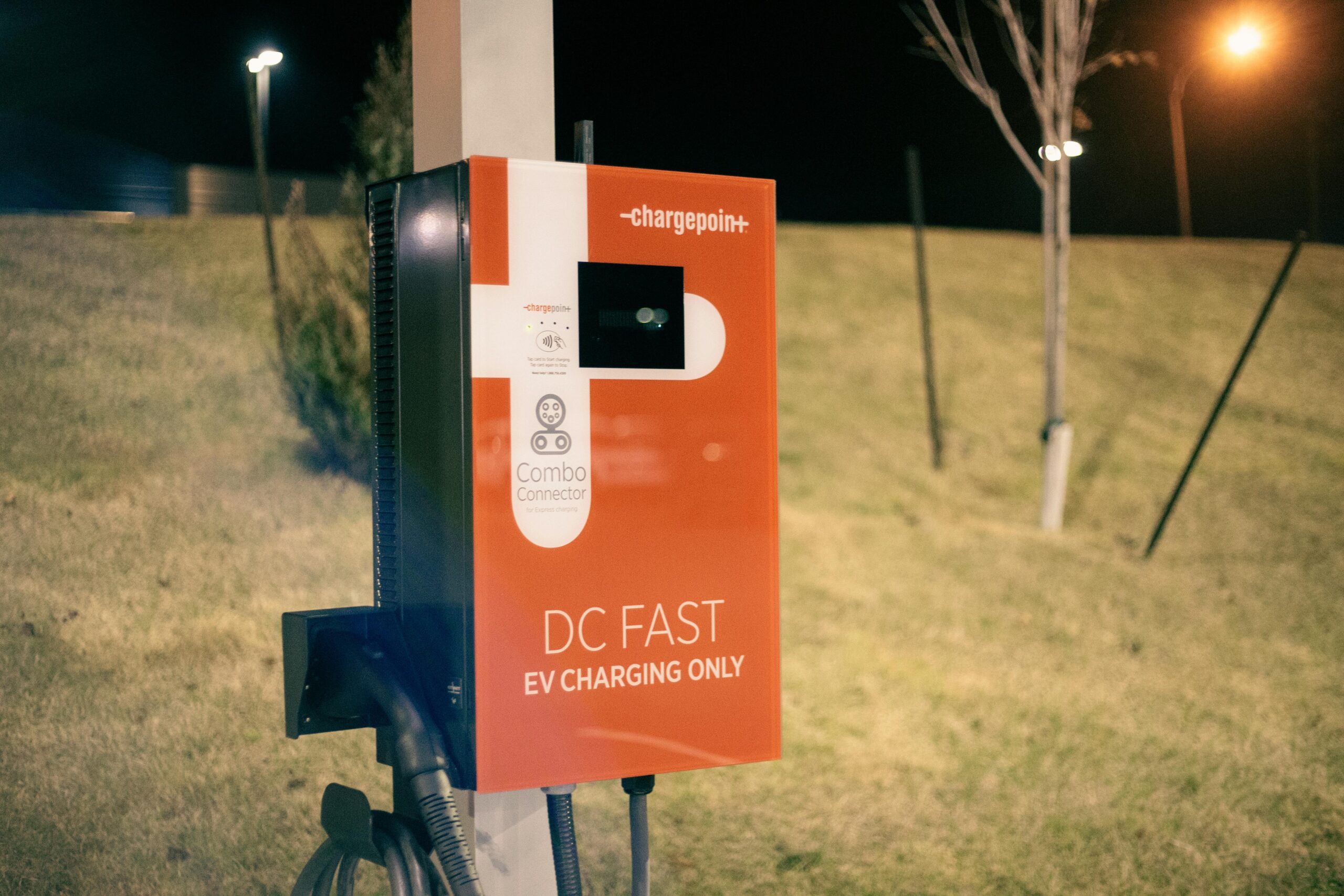
Transportation infrastructure forms the circulatory system of any city, and tomorrow’s urban centers are reimagining mobility from the ground up. Traditional car-centric planning is giving way to multimodal transportation networks that prioritize efficiency, sustainability, and accessibility. The shift encompasses everything from autonomous vehicles and electric public transit to bicycle superhighways and pedestrian-friendly urban design.
Copenhagen demonstrates how prioritizing cycling infrastructure transforms urban mobility. The Danish capital has invested heavily in separated bike lanes, bike bridges, and intelligent traffic signals that detect cyclists and adjust timing accordingly. Today, 62% of Copenhagen residents commute by bicycle, significantly reducing carbon emissions, traffic congestion, and healthcare costs associated with sedentary lifestyles.
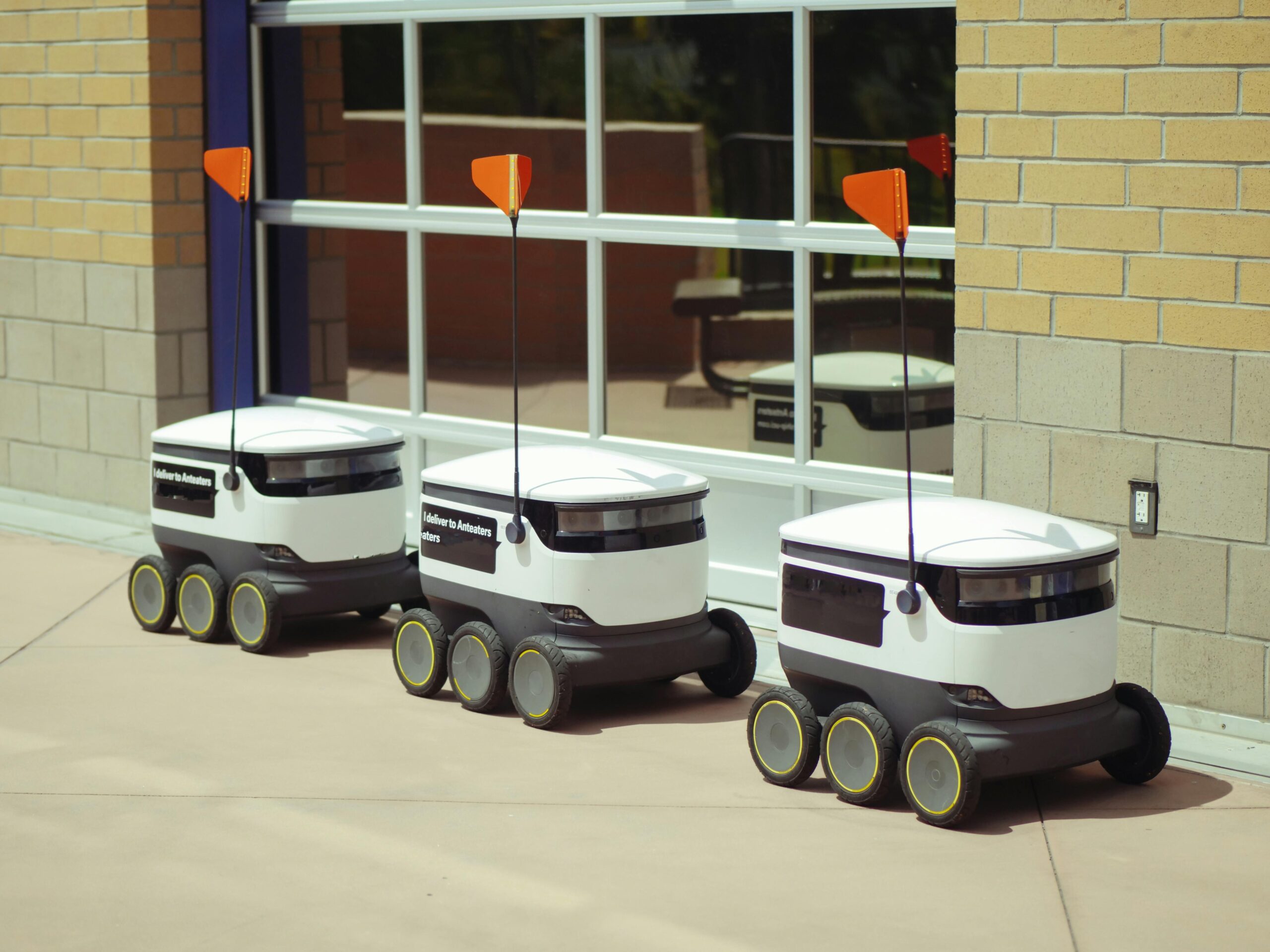
Electric and autonomous public transportation systems are reshaping urban transit landscapes. Cities like Shenzhen, China, have electrified their entire bus fleet—over 16,000 vehicles—eliminating thousands of tons of carbon emissions annually. Meanwhile, autonomous shuttle services are being tested in controlled environments across European and North American cities, promising increased accessibility for elderly and mobility-impaired residents while reducing operational costs.
Mobility-as-a-Service: Integrated Transportation Ecosystems
The Mobility-as-a-Service (MaaS) concept integrates various transportation options into a single, accessible platform. Users can plan, book, and pay for multiple transportation modes through one application, seamlessly combining public transit, ride-sharing, bike-sharing, and car-sharing services. Helsinki’s Whim app pioneered this approach, offering subscription-based access to the city’s entire transportation network.
This integration reduces dependency on private vehicle ownership, decreases congestion, and promotes more sustainable transportation choices. The data generated through these platforms also provides city planners with invaluable insights into mobility patterns, enabling them to optimize routes, schedules, and infrastructure investments based on actual usage patterns rather than assumptions.
⚡ Sustainable Energy Infrastructure for Urban Centers
Energy infrastructure represents perhaps the most critical component of sustainable urban development. Tomorrow’s cities are transitioning from centralized, fossil fuel-dependent power generation to distributed renewable energy networks that incorporate solar, wind, and other clean energy sources. This transformation requires reimagining not just power generation but also distribution, storage, and consumption patterns.
Smart grids form the backbone of this new energy paradigm. Unlike traditional electrical grids that operate on a one-way distribution model, smart grids facilitate bidirectional communication between utilities and consumers. They automatically detect and respond to fluctuations in supply and demand, integrate renewable energy sources, and enable consumers to become producers through rooftop solar installations and other distributed generation technologies.
Freiburg, Germany, showcases the potential of sustainable urban energy systems. The city’s Vauban district operates as a “solar settlement,” with all buildings designed to produce more energy than they consume. Combined heat and power plants, extensive photovoltaic installations, and ultra-efficient building designs create a net-positive energy neighborhood that serves as a blueprint for sustainable urban development worldwide.
Energy Storage Solutions Powering Urban Resilience
The intermittent nature of renewable energy sources necessitates advanced storage solutions. Battery technology, particularly lithium-ion and emerging solid-state batteries, enables cities to store excess energy generated during peak production periods for use during high-demand times. South Australia’s Hornsdale Power Reserve, featuring Tesla’s massive battery installation, demonstrates how large-scale storage can stabilize electrical grids while reducing reliance on fossil fuel peaker plants.
Beyond batteries, innovative storage approaches include thermal energy storage, compressed air systems, and hydrogen fuel production. These diverse storage technologies provide cities with flexibility to optimize their energy portfolios based on local conditions, resources, and requirements.
💧 Water Management for Climate-Resilient Cities
Water infrastructure is undergoing radical transformation as cities confront the dual challenges of water scarcity and increased flooding due to climate change. Innovative urban water management integrates green infrastructure, smart monitoring systems, and decentralized treatment facilities to create resilient, sustainable water systems.
Sponge cities represent an innovative approach to urban water management gaining traction in China and beyond. This concept reimagines urban landscapes as permeable systems that absorb, store, and filter rainwater rather than channeling it immediately into drainage systems. Through permeable pavements, rain gardens, green roofs, and constructed wetlands, cities can capture up to 70% of rainfall for reuse while reducing flood risk and replenishing groundwater supplies.
Singapore’s comprehensive water management strategy addresses the island nation’s water scarcity through a multifaceted approach nicknamed the “Four National Taps.” This includes rainwater collection, imported water, desalination, and NEWater—high-grade reclaimed water produced through advanced membrane technologies. This diversified approach ensures water security while demonstrating that even water-scarce urban centers can achieve sustainability through innovative infrastructure.
Smart Water Networks Preventing Waste
Aging water infrastructure in many cities loses 20-50% of treated water through leaks before it reaches consumers. Smart water networks employ sensors, meters, and analytics to detect leaks, monitor quality, and optimize distribution in real-time. These systems dramatically reduce water loss while ensuring public health through continuous quality monitoring.
Amsterdam has implemented intelligent water management systems that monitor canal water levels, predict flooding risks, and automatically adjust pumping operations. These systems integrate weather forecasts and real-time sensor data to proactively manage water levels, protecting the below-sea-level city from flooding while optimizing energy consumption.
🏗️ Building Tomorrow’s Structures Today
The built environment accounts for approximately 40% of global energy consumption and carbon emissions, making sustainable building practices essential for urban sustainability. Tomorrow’s buildings incorporate advanced materials, intelligent systems, and biophilic design principles that minimize environmental impact while maximizing occupant health and comfort.
Cross-laminated timber (CLT) and other engineered wood products are revolutionizing construction by offering sustainable alternatives to concrete and steel. These materials sequester carbon rather than emitting it during production, provide excellent structural properties, and enable faster construction times. Mjøstårnet in Norway, standing 85.4 meters tall, demonstrates that timber construction can achieve heights previously reserved for concrete and steel structures.
Net-zero and positive-energy buildings represent the future of sustainable construction. These structures produce as much or more energy than they consume through integrated solar installations, geothermal systems, and ultra-efficient design. The Edge in Amsterdam, often called the world’s most sustainable office building, generates its own electricity, collects rainwater, and uses smartphone apps to optimize lighting, temperature, and workspace allocation based on occupancy patterns.
Vertical Forests and Green Building Integration
Bosco Verticale in Milan pioneered the concept of vertical forests—residential towers covered with thousands of trees and plants that absorb CO2, produce oxygen, moderate temperature, and reduce noise pollution. This biophilic approach to architecture brings nature into dense urban environments, improving air quality and residents’ mental health while creating wildlife habitats in unexpected locations.
Green roofs and living walls are becoming standard features in progressive urban developments. These installations provide insulation, reduce stormwater runoff, combat urban heat island effects, and create recreational spaces. Toronto requires green roofs on new developments with specific area thresholds, resulting in millions of square feet of vegetated roofing that collectively provides substantial environmental benefits.
🌳 Urban Green Spaces and Ecological Infrastructure
Green infrastructure serves multiple functions in tomorrow’s cities, providing ecological, social, and economic benefits. Parks, urban forests, wetlands, and green corridors improve air quality, manage stormwater, reduce urban heat, support biodiversity, and enhance residents’ physical and mental wellbeing.
The High Line in New York City transformed an abandoned elevated railway into a linear park that has catalyzed urban regeneration while providing residents and visitors with accessible green space. This project demonstrates how innovative repurposing of obsolete infrastructure can create community assets that deliver environmental benefits while driving economic development.
Seoul’s Cheonggyecheon restoration project took the opposite approach, removing an elevated highway to restore the natural stream that had been buried beneath it. This ambitious project improved air quality, reduced urban heat by 3.6°C along the corridor, increased biodiversity, and created a beloved public space that attracts millions of visitors annually.
🔄 Circular Economy Infrastructure
Tomorrow’s cities are embracing circular economy principles that eliminate waste through intelligent design, reuse, and recycling systems. This approach requires infrastructure that supports material recovery, facilitates sharing economies, and designs products and buildings for disassembly and reuse.
Amsterdam has committed to becoming fully circular by 2050, implementing policies and infrastructure that support material reuse, product-as-a-service business models, and closed-loop manufacturing. The city has created online platforms connecting companies with surplus materials to those needing inputs, reducing waste while supporting local economic development.
Waste-to-energy facilities represent another component of circular urban infrastructure. Copenhagen’s Copenhill facility incinerates waste to generate electricity and heating while featuring a ski slope on its roof, demonstrating that essential infrastructure can serve multiple purposes and integrate into urban landscapes in unexpected ways.
🎯 Implementing Smart Infrastructure: Challenges and Pathways
Despite the promise of innovative urban infrastructure, significant challenges complicate implementation. Financing represents a primary obstacle, as many smart city technologies require substantial upfront investment despite long-term operational savings. Public-private partnerships, green bonds, and innovative financing mechanisms are emerging to bridge this gap, enabling cities to access capital for transformative infrastructure projects.
Data privacy and cybersecurity concerns accompany the digitization of urban infrastructure. As cities become increasingly dependent on connected systems, they become vulnerable to cyberattacks that could disrupt essential services. Robust security protocols, transparent data governance frameworks, and citizen engagement in policy development are essential for building trust and protecting against threats.
Equity considerations must guide smart city development to ensure innovations benefit all residents, not just affluent neighborhoods. Digital divides, where some communities lack access to technology and connectivity, can exacerbate existing inequalities if not proactively addressed. Inclusive planning processes that center marginalized voices help ensure that infrastructure investments serve entire communities equitably.

🚀 The Path Forward: Collaborative Urban Innovation
Building tomorrow’s cities requires unprecedented collaboration among diverse stakeholders. Municipal governments, private sector companies, academic institutions, and community organizations must work together to co-create solutions that address local contexts while learning from global best practices. Living labs and pilot projects enable cities to test innovations at manageable scales before broader implementation.
International networks like C40 Cities and the Smart Cities Council facilitate knowledge exchange and collaboration among cities worldwide. These platforms enable municipal leaders to learn from peers’ successes and failures, accelerating the adoption of proven solutions while avoiding costly mistakes. As climate change and urbanization create shared challenges, such collaborative approaches become increasingly essential.
The transition to smart, sustainable urban infrastructure is not merely a technological challenge but a social and political one. It requires reimagining what cities are for and whom they serve. By centering human wellbeing, environmental sustainability, and social equity in infrastructure development, we can build urban environments that enhance life quality for current residents while preserving possibilities for future generations.
The cities we build today will shape human civilization for centuries. Through innovative infrastructure that integrates technology with sustainability, we have an unprecedented opportunity to create urban environments that are not just habitable but truly thriving—places where people and nature coexist harmoniously, where resources are used wisely, and where all residents can access opportunities to flourish. The blueprint for tomorrow’s cities is being drafted today, and the decisions made now will determine whether our urban future is one of resilience, equity, and sustainability or continued environmental degradation and social division. The choice, and the responsibility, belongs to this generation of urban innovators, policymakers, and engaged citizens committed to building better cities for all.