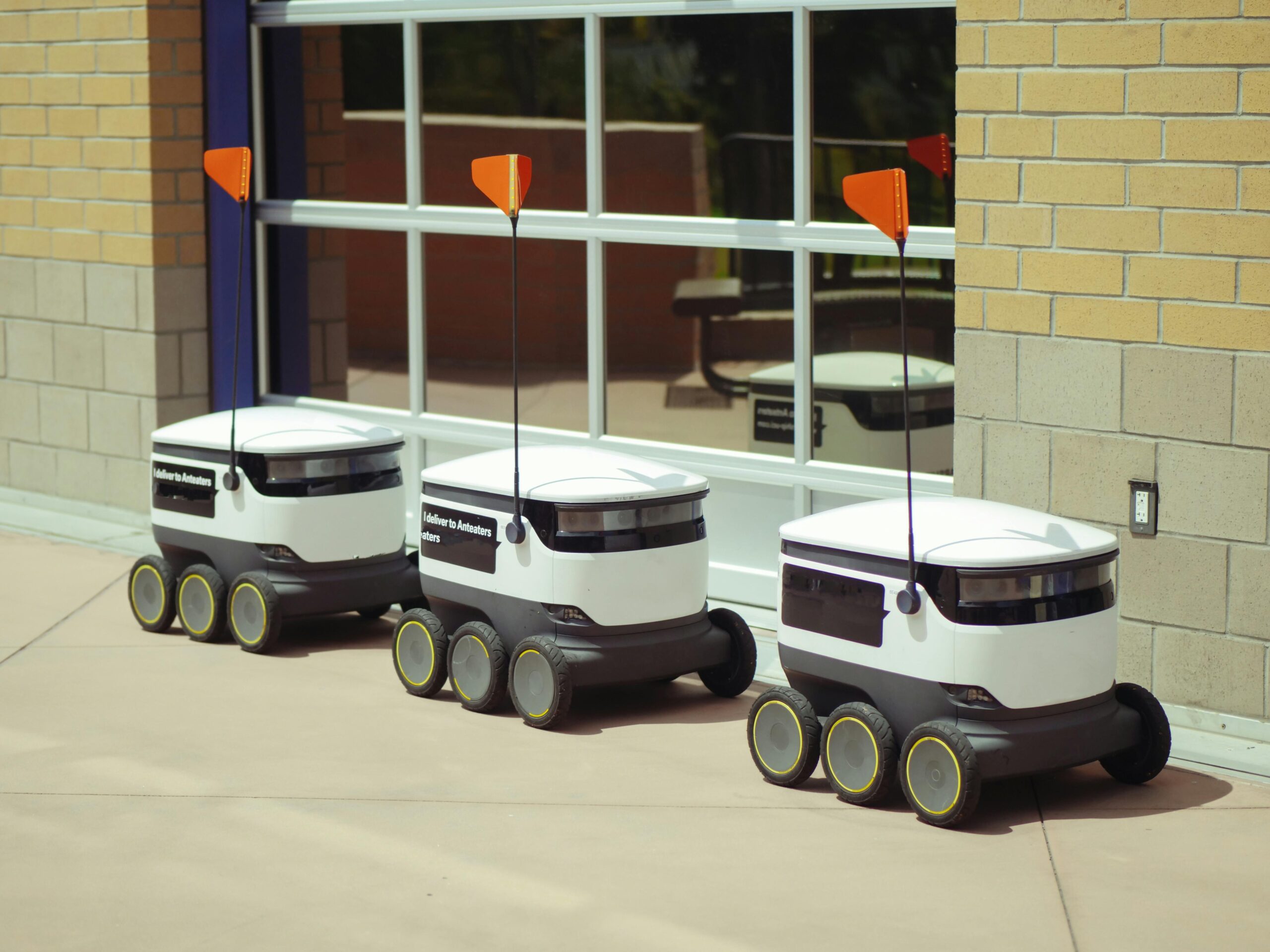
Modern infrastructure faces unprecedented challenges from climate change, cyber threats, and aging systems, demanding innovative approaches to build resilience and ensure operational continuity across critical sectors.

🏗️ The Critical Need for Resilient Infrastructure in Today’s World
Infrastructure systems form the backbone of modern civilization, supporting everything from transportation networks and energy grids to water supply systems and telecommunications. However, these vital systems increasingly face threats that test their resilience to breaking points. Natural disasters, extreme weather events, cyberattacks, and physical deterioration challenge infrastructure operators daily, creating urgent needs for more robust and adaptive solutions.
The economic impact of infrastructure failures is staggering. According to recent studies, power outages alone cost businesses billions annually, while transportation disruptions ripple through supply chains globally. Beyond economic considerations, infrastructure failures can threaten public safety, disrupt essential services, and undermine social stability. Smart automation solutions have emerged as powerful tools to address these challenges, offering unprecedented capabilities to monitor, predict, and respond to potential failures before they cascade into major incidents.
Traditional infrastructure management approaches relied heavily on scheduled maintenance, reactive repairs, and manual monitoring. These methods often proved insufficient against modern threats, creating vulnerability gaps that malicious actors or natural events could exploit. The integration of smart automation technologies represents a fundamental shift in how we conceive, build, and maintain infrastructure systems, moving from reactive to proactive and predictive management paradigms.
Understanding Smart Automation in Infrastructure Context
Smart automation encompasses a range of technologies that work synergistically to enhance infrastructure performance and resilience. These solutions combine sensors, data analytics, artificial intelligence, machine learning, and automated control systems to create intelligent infrastructure networks capable of self-monitoring, self-diagnosing, and even self-healing in certain scenarios.
At the core of smart automation systems lies the Internet of Things (IoT), which connects physical infrastructure components to digital networks. Sensors embedded throughout infrastructure systems continuously collect data on performance metrics, environmental conditions, structural integrity, and operational parameters. This real-time data stream provides operators with unprecedented visibility into system health and performance.
Advanced analytics platforms process this sensor data, identifying patterns, anomalies, and potential issues before they manifest as failures. Machine learning algorithms improve continuously, learning from historical data and new inputs to refine predictive models. This predictive capability represents one of smart automation’s most valuable contributions to infrastructure resilience, enabling maintenance teams to address problems during planned windows rather than responding to emergency failures.
Key Technologies Driving Infrastructure Automation
Several foundational technologies enable smart automation solutions to transform infrastructure resilience:
- Edge Computing: Processing data closer to sensors reduces latency and enables real-time decision-making critical for infrastructure control systems
- Digital Twins: Virtual replicas of physical infrastructure allow operators to simulate scenarios, test interventions, and optimize performance without disrupting actual operations
- 5G Connectivity: High-speed, low-latency networks enable seamless communication between distributed sensors, control systems, and central management platforms
- Blockchain Technology: Distributed ledgers enhance security, transparency, and traceability in infrastructure management systems
- Computer Vision: AI-powered image analysis automates infrastructure inspection, detecting cracks, corrosion, and other deterioration signs
🔧 Practical Applications Across Infrastructure Sectors
Smart automation solutions deliver tangible benefits across diverse infrastructure domains, each with unique challenges and requirements. Understanding sector-specific applications illuminates how these technologies enhance resilience in practice.
Transportation Infrastructure Revolution
Transportation networks represent some of the most complex and critical infrastructure systems. Smart automation transforms roads, bridges, railways, and airports into intelligent systems that optimize flow, enhance safety, and extend asset lifecycles. Intelligent transportation systems use sensors embedded in roadways to monitor traffic patterns, detect incidents, and dynamically adjust signal timing to optimize flow and reduce congestion.
Bridge monitoring systems exemplify smart automation’s potential. Structural health monitoring sensors continuously measure stress, vibration, temperature, and other parameters that indicate structural integrity. Advanced algorithms analyze this data to identify developing issues like fatigue cracks or foundation settlement before they compromise safety. Some systems automatically alert maintenance teams and can even restrict traffic if conditions warrant immediate intervention.
Railway infrastructure benefits similarly from predictive maintenance enabled by smart sensors on tracks, switches, and signaling equipment. These systems detect subtle changes indicating wear or misalignment, scheduling maintenance during off-peak hours to minimize service disruptions. The result is safer operations, reduced downtime, and optimized maintenance spending.
Energy Grid Transformation
Power grids face mounting pressures from renewable energy integration, extreme weather events, and increasing demand. Smart grid technologies incorporate automation throughout generation, transmission, and distribution networks, creating resilient systems capable of responding dynamically to changing conditions.
Advanced metering infrastructure provides granular visibility into energy consumption patterns, enabling demand response programs that balance load during peak periods. When combined with distributed energy resources like solar panels and battery storage, smart automation systems can isolate affected areas during outages while maintaining power to critical facilities through microgrid configurations.
Predictive analytics identify equipment likely to fail based on performance degradation patterns, enabling proactive replacement before catastrophic failures occur. Self-healing grid technologies automatically reroute power around faults, minimizing outage duration and affected customers. These capabilities prove especially valuable during extreme weather events when infrastructure faces maximum stress.
Water and Wastewater System Enhancement
Water infrastructure presents unique challenges due to extensive underground networks, aging pipes, and water quality concerns. Smart water systems deploy sensors throughout distribution networks to monitor pressure, flow rates, and water quality parameters in real-time. Sophisticated algorithms detect anomalies indicating leaks, pipe breaks, or contamination events.
Leak detection represents a critical application area. Traditional approaches often discovered leaks only after significant water loss or visible surface damage occurred. Smart systems identify pressure changes and flow anomalies characteristic of leaks, pinpointing locations for rapid repair. This capability conserves precious water resources while preventing infrastructure damage from uncontrolled leaks.
Wastewater treatment facilities use automation to optimize treatment processes, adjusting chemical dosing, aeration, and other parameters based on influent characteristics. These systems maintain treatment efficacy while minimizing energy consumption and operational costs. Predictive maintenance extends equipment lifespan and prevents failures that could result in environmental releases.
💡 Building Cyber-Resilient Automated Infrastructure
As infrastructure systems become increasingly connected and automated, cybersecurity emerges as a critical resilience consideration. The same connectivity that enables smart automation also creates potential attack vectors for malicious actors seeking to disrupt critical services or cause physical damage.
Comprehensive cybersecurity strategies must protect infrastructure automation systems at multiple levels. Network segmentation isolates critical control systems from corporate networks and the internet, limiting potential attack pathways. Zero-trust architectures require continuous authentication and authorization for all system access, preventing lateral movement even if perimeter defenses are breached.
Intrusion detection systems specifically designed for operational technology environments monitor network traffic and system behaviors for anomalies indicating potential attacks. Unlike traditional IT security tools, these systems understand industrial protocols and normal operational patterns, reducing false positives while detecting genuine threats.
Implementing Defense-in-Depth Approaches
Robust infrastructure cybersecurity requires layered defenses addressing people, processes, and technology. Security awareness training ensures personnel recognize social engineering attempts and follow security protocols. Clearly defined incident response procedures enable rapid, coordinated reactions to security events.
Regular security assessments and penetration testing identify vulnerabilities before attackers exploit them. Patch management processes ensure systems receive timely security updates without disrupting critical operations. Backup and recovery capabilities provide resilience against ransomware and other destructive attacks, enabling restoration without paying ransoms or suffering extended outages.
📊 Measuring and Optimizing Infrastructure Resilience
Effective resilience strategies require metrics that quantify performance and guide continuous improvement efforts. Smart automation systems generate extensive data that can inform resilience assessments and optimization initiatives.
| Resilience Metric | Description | Target Improvement |
|---|---|---|
| Mean Time Between Failures (MTBF) | Average operational time between system failures | Increase through predictive maintenance |
| Mean Time To Repair (MTTR) | Average time required to restore service after failure | Decrease through automated diagnostics |
| System Availability | Percentage of time infrastructure remains operational | Maximize through proactive management |
| Recovery Time Objective (RTO) | Target time for service restoration after disruption | Minimize through automation and redundancy |
| Asset Health Index | Composite score reflecting overall infrastructure condition | Maintain through condition-based maintenance |
These metrics provide objective baselines for assessing current resilience levels and tracking improvement over time. Smart automation systems continuously monitor these indicators, alerting managers when performance degrades below acceptable thresholds. This data-driven approach enables evidence-based decision-making about infrastructure investments and operational priorities.
🌐 Integration Challenges and Strategic Solutions
Despite clear benefits, implementing smart automation solutions presents significant challenges. Legacy infrastructure often lacks the connectivity and instrumentation required for advanced automation. Organizational resistance, budget constraints, and technical complexity can impede adoption even when benefits are understood.
Successful integration strategies acknowledge these challenges while charting practical paths forward. Phased implementation approaches allow organizations to realize benefits incrementally while building internal expertise and demonstrating value. Pilot projects on non-critical systems provide learning opportunities before expanding to mission-critical infrastructure.
Interoperability represents a persistent challenge in infrastructure automation. Different vendors use proprietary protocols and data formats, creating integration difficulties when building comprehensive systems. Open standards and API-based architectures facilitate integration across diverse technologies, preventing vendor lock-in while enabling best-of-breed solutions.
Change Management for Successful Adoption
Technology alone cannot ensure successful smart automation implementation. Human factors significantly influence outcomes, making change management critical. Workforce concerns about automation replacing jobs must be addressed through transparent communication emphasizing how automation augments human capabilities rather than replacing workers.
Training programs prepare personnel for new roles managing automated systems rather than performing routine manual tasks. This transition often elevates positions, requiring higher-level analytical and problem-solving skills. Organizations that successfully navigate this transition often find improved job satisfaction alongside enhanced operational performance.
Future Trajectories in Infrastructure Automation
Smart automation technologies continue evolving rapidly, promising even greater capabilities for infrastructure resilience. Artificial intelligence advances enable increasingly sophisticated predictive models and autonomous decision-making. Quantum computing may eventually revolutionize complex infrastructure optimization problems currently beyond classical computing capabilities.
Climate adaptation will increasingly drive infrastructure automation priorities. As extreme weather events become more frequent and severe, automation systems that enhance resilience against these threats grow more valuable. Smart infrastructure can respond dynamically to approaching storms, adjusting operations to minimize damage and enabling rapid recovery.
Sustainability integration represents another important trajectory. Smart automation optimizes resource consumption, reducing environmental impacts while lowering operational costs. Energy-efficient operations, water conservation, and minimized material waste all contribute to sustainability goals while enhancing economic performance.
🚀 Strategic Roadmap for Infrastructure Operators
Organizations seeking to enhance infrastructure resilience through smart automation should follow a strategic roadmap that balances ambition with practical constraints. Begin with comprehensive assessment of current infrastructure conditions, identifying critical assets, vulnerabilities, and performance gaps. This baseline informs prioritization, directing initial automation investments toward areas offering greatest resilience improvements.
Develop a clear technology strategy aligned with organizational goals and constraints. Consider existing systems, staff capabilities, budget availability, and regulatory requirements when selecting automation solutions. Engage stakeholders across operations, maintenance, IT, and leadership to ensure broad support and alignment.
Establish governance structures for ongoing automation program management. Cross-functional teams representing diverse perspectives facilitate holistic decision-making and prevent siloed implementations. Regular reviews assess progress against objectives, adjusting strategies based on results and changing conditions.
Build partnerships with technology providers, peer organizations, and research institutions. Collaboration accelerates learning, shares best practices, and may reveal cost-sharing opportunities for expensive implementations. Industry associations often provide valuable resources for organizations navigating automation journeys.
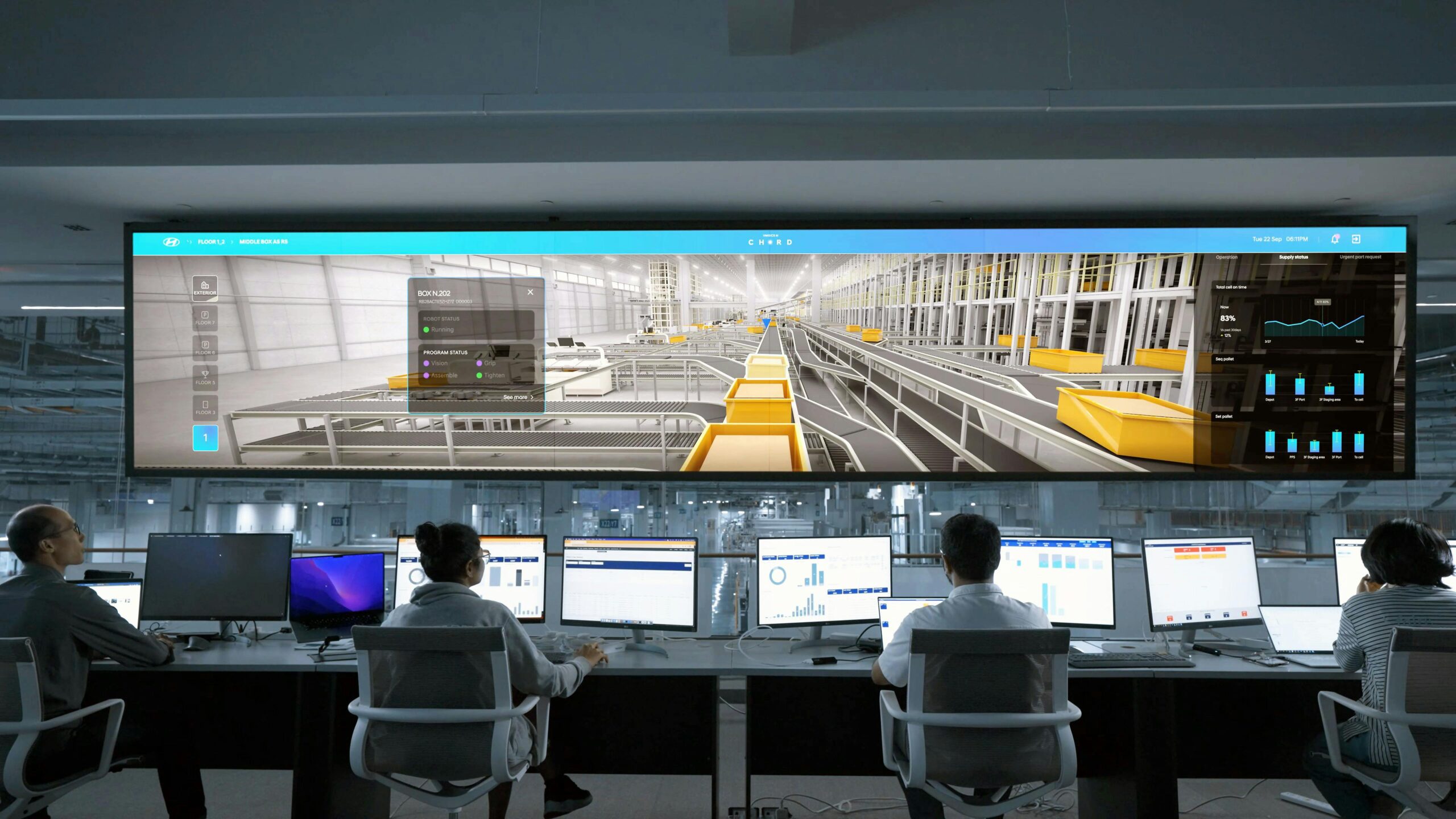
🎯 Realizing the Promise of Unbreakable Foundations
Smart automation solutions offer transformative potential for infrastructure resilience, but realizing this promise requires thoughtful implementation aligned with specific organizational contexts and challenges. The technologies exist today to dramatically improve infrastructure performance, reliability, and longevity. Success depends on strategic vision, sustained commitment, and willingness to embrace change.
Infrastructure operators who successfully integrate smart automation position their organizations for long-term success in increasingly challenging operating environments. These systems provide competitive advantages through enhanced reliability, reduced costs, improved safety, and better service delivery. As automation technologies mature and adoption spreads, organizations delaying implementation risk falling behind more progressive peers.
The journey toward truly resilient, intelligently automated infrastructure continues, driven by technological innovation, operational necessity, and evolving expectations. Organizations embarking on this journey join a growing community working to build unbreakable foundations for our shared future. The investment required is substantial, but the alternative—maintaining vulnerable, inefficient legacy systems—becomes increasingly untenable as challenges mount and expectations rise.
Building unbreakable foundations through smart automation represents not just a technological upgrade but a fundamental reimagining of infrastructure management. This transformation enhances resilience against known threats while creating adaptability to address emerging challenges we cannot yet fully anticipate. In an uncertain world, this flexibility and robustness provide invaluable security, enabling societies to thrive despite disruptions that would have crippled previous generations of infrastructure systems.