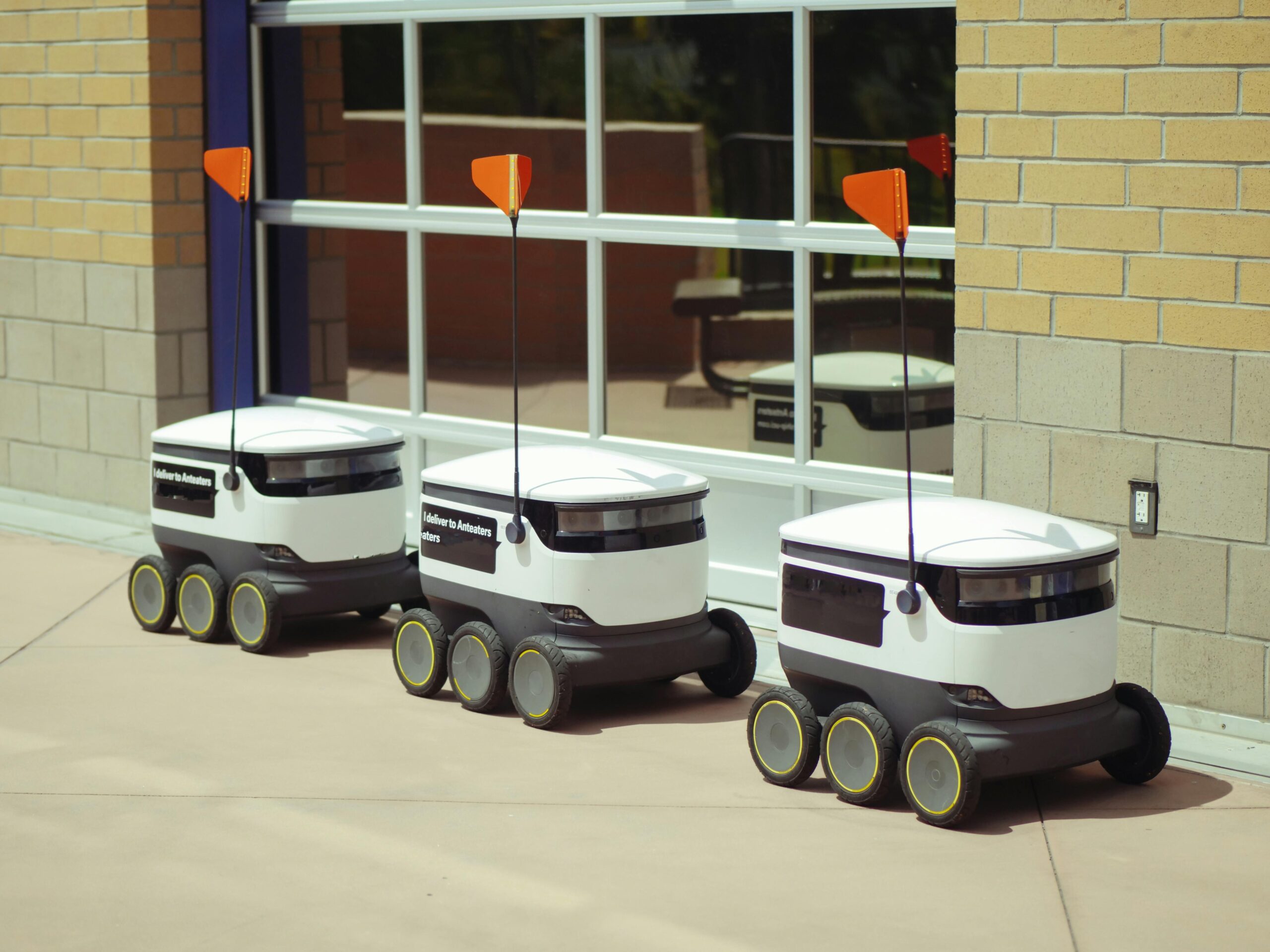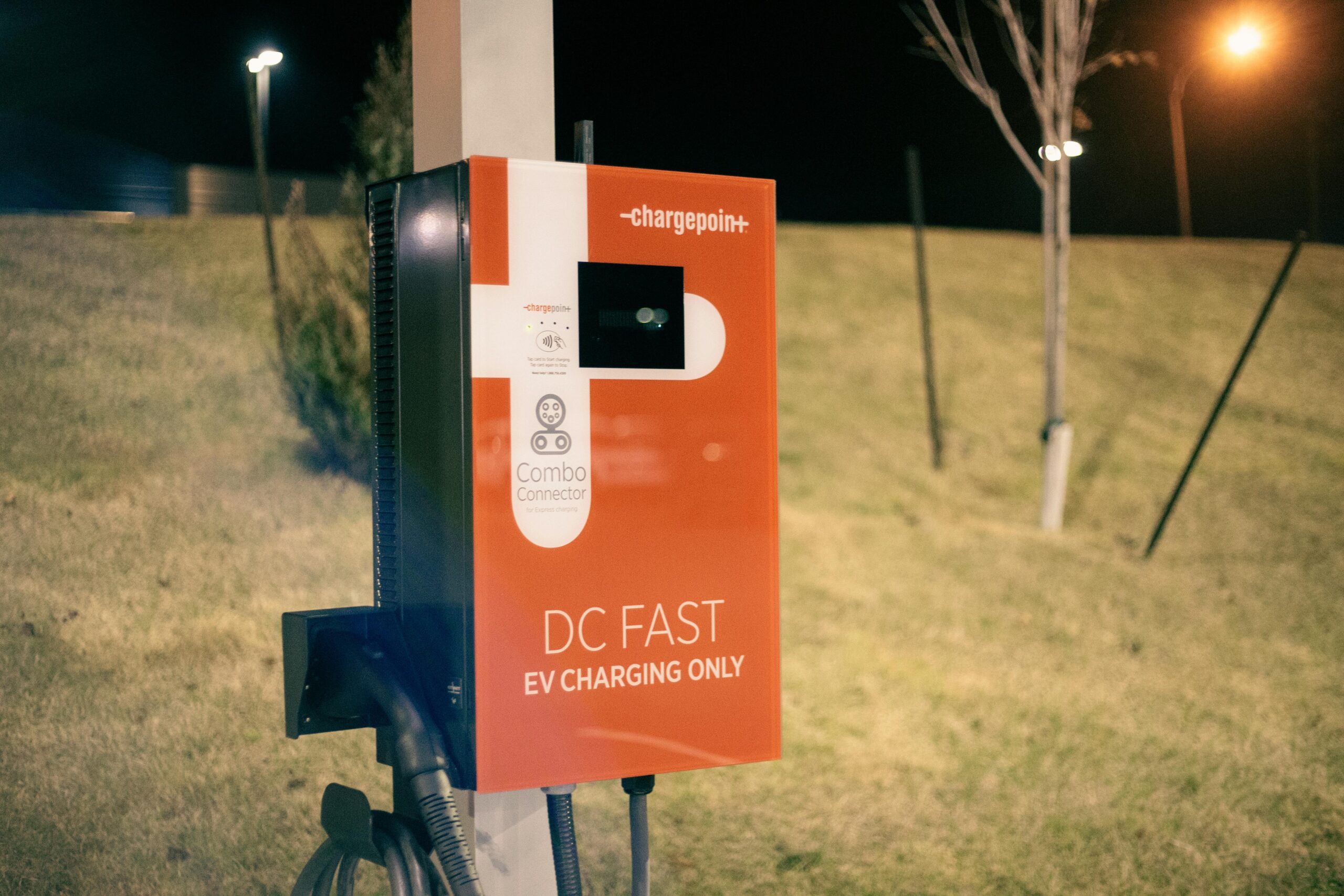
The future of urban mobility is being reshaped by intelligent infrastructure that communicates, learns, and adapts in real-time to improve traffic flow and reduce congestion.

🚦 The Dawn of Intelligent Traffic Management
Cities worldwide are experiencing unprecedented growth, with urban populations expected to reach 68% of the global total by 2050. This demographic shift brings significant challenges, particularly in transportation infrastructure. Traditional traffic management systems, designed decades ago, struggle to cope with modern demands. Enter smart streets—an innovative approach that leverages cutting-edge technology to create adaptive, responsive roadway networks that anticipate and address congestion before it becomes problematic.
Smart streets represent more than just technological upgrades to existing infrastructure. They embody a fundamental reimagining of how urban mobility functions, transforming passive roadways into active participants in traffic management. Through sensors, cameras, artificial intelligence, and interconnected systems, these intelligent networks coordinate traffic signals, adjust lane configurations, and communicate directly with vehicles to optimize flow patterns dynamically.
Understanding Traffic-Aware Infrastructure Coordination
Traffic-aware infrastructure coordination operates on the principle that individual traffic control elements should not function in isolation. Instead, they must communicate and collaborate as parts of an integrated ecosystem. This coordination involves multiple layers of technology working simultaneously to collect data, analyze patterns, predict congestion, and implement solutions in real-time.
At the foundation level, sensors embedded in roadways collect continuous data about vehicle volumes, speeds, and types. These sensors range from traditional induction loops to advanced radar and lidar systems that provide granular information about traffic conditions. Above this data collection layer sits the analytical component, where machine learning algorithms process information to identify patterns, predict future conditions, and recommend optimal responses.
Key Components of Smart Street Systems
The infrastructure required for truly smart streets includes several interconnected elements that work together seamlessly. Intelligent traffic signals form the most visible component, adjusting their timing based on actual traffic conditions rather than fixed schedules. These signals communicate with each other to create “green waves” that allow vehicles to travel through multiple intersections without stopping.
Connected vehicle-to-infrastructure (V2I) communication represents another crucial element. This technology allows vehicles to receive real-time information about road conditions, signal timing, and potential hazards directly from the infrastructure. Conversely, vehicles transmit data about their position, speed, and destination, enabling the system to anticipate demand and adjust accordingly.
Dynamic lane management systems add flexibility to roadway capacity by changing lane directions based on traffic flow patterns. During morning rush hours, for example, additional lanes might be allocated to inbound traffic, then reversed for the evening commute. Digital signage above these lanes provides clear direction to drivers, while enforcement systems ensure compliance.
🌐 The Technology Stack Powering Smart Streets
Behind the scenes of every smart street initiative lies a sophisticated technology infrastructure that makes real-time coordination possible. Edge computing devices process data locally at intersection level, reducing latency and enabling faster response times. These edge nodes connect to centralized traffic management centers through high-bandwidth networks, creating a hybrid architecture that balances local autonomy with system-wide coordination.
Artificial intelligence and machine learning algorithms serve as the brain of smart street systems. These algorithms continuously learn from historical traffic patterns, weather conditions, special events, and countless other variables to predict future conditions with increasing accuracy. Deep learning models can anticipate congestion up to an hour in advance, allowing proactive rather than reactive responses.
Internet of Things Integration
The Internet of Things (IoT) provides the nervous system for smart streets, connecting thousands of sensors, cameras, and control devices into a cohesive network. Each connected device contributes data points that enhance the system’s understanding of current conditions. Environmental sensors monitor air quality, temperature, and precipitation, allowing the system to adjust recommendations based on weather impacts on traffic flow.
Connected streetlights do more than illuminate roadways—they serve as mounting points for sensors, cameras, and communication equipment. These multifunctional poles reduce installation costs while providing excellent vantage points for monitoring traffic conditions. Smart streetlights can also dim when roads are empty, conserving energy while maintaining safety.
Real-World Implementation Success Stories
Cities across the globe are implementing smart street technologies with measurable results. Singapore’s Intelligent Transport System has reduced average commute times by 25% while decreasing traffic-related emissions by 15%. The system coordinates over 2,400 traffic signals across the island nation, adjusting timing every few minutes based on current conditions.
Barcelona’s implementation of smart street technology has transformed mobility in the historic city center. By coordinating traffic signals and implementing dynamic pricing for congested areas, the city reduced traffic volume by 21% while actually improving travel times for essential vehicles. The system prioritizes public transportation and emergency vehicles, ensuring that bus schedules remain reliable even during peak hours.
North American Innovations
Pittsburgh’s Surtrac system represents one of North America’s most successful deployments of adaptive traffic signal technology. Using artificial intelligence to coordinate signals across 50 intersections, the city achieved a 25% reduction in vehicle wait times and a 40% decrease in vehicle emissions from idling. The system proved so effective that it’s now being deployed in other cities nationwide.
Los Angeles implemented the Automated Traffic Surveillance and Control system across 4,500 intersections, making it one of the world’s largest coordinated traffic networks. The system adjusts signal timing based on real-time conditions, reducing congestion on major corridors and improving air quality throughout the metropolitan area.
🚗 Connected and Autonomous Vehicles: The Perfect Partners
The emergence of connected and autonomous vehicles creates unprecedented opportunities for smart street systems. These vehicles can receive direct instructions from infrastructure, eliminating the need for drivers to interpret signals and signs. When a significant percentage of vehicles on the road are connected, traffic can flow with choreographed precision, much like a well-conducted orchestra.
Vehicle-to-everything (V2X) communication enables vehicles to exchange information with infrastructure, other vehicles, and even pedestrians’ smartphones. This comprehensive awareness allows for optimized routing, collision avoidance, and seamless navigation through complex urban environments. As autonomous vehicles become more prevalent, infrastructure coordination will become even more critical to realizing their full potential.
Platooning and Corridor Management
Connected vehicles enable platooning—groups of vehicles traveling together at coordinated speeds with minimal gaps between them. Smart infrastructure can create dedicated platoon lanes on highways, dramatically increasing roadway capacity without adding physical lanes. The infrastructure coordinates platoon formation, manages merging and exiting, and ensures smooth integration with conventional traffic.
Corridor management systems coordinate traffic across entire regions, not just individual intersections. By analyzing travel patterns across metropolitan areas, these systems can route traffic to underutilized roads, balance highway entrance ramp metering, and coordinate signal timing along entire corridors to minimize total travel time across the network.
Environmental and Social Benefits 🌱
Beyond reducing travel times, smart streets deliver significant environmental benefits. By minimizing stop-and-go traffic, these systems dramatically reduce fuel consumption and emissions. Studies show that optimized traffic flow can reduce vehicle emissions by 20-40%, contributing meaningfully to urban air quality improvement and climate change mitigation efforts.
The reduction in idling time also decreases noise pollution, creating more pleasant urban environments. Quieter streets improve quality of life for residents, particularly in dense urban neighborhoods where traffic noise has historically been a persistent problem. This acoustic improvement contributes to better sleep quality, reduced stress, and improved overall health outcomes for city dwellers.
Equity and Accessibility Considerations
Smart street implementations must consider equity to ensure all community members benefit. Priority systems can give preference to public transportation, improving service reliability for those who depend on buses and trains. Accessible pedestrian signals integrated with smart systems can provide extended crossing times for elderly or disabled pedestrians when sensors detect their presence.
Data-driven insights from smart street systems help identify underserved areas where infrastructure improvements would have the greatest impact. This evidence-based approach to transportation planning ensures that investments benefit the entire community rather than only affluent neighborhoods with political influence.
📊 Data Privacy and Security Challenges
The extensive data collection required for smart streets raises legitimate privacy concerns. Cameras and sensors that track vehicle movements could potentially be used for mass surveillance, creating tensions between operational efficiency and civil liberties. Responsible implementations must incorporate privacy protections from the design phase, using techniques like data anonymization and aggregation to derive useful insights without tracking individual movements.
Cybersecurity represents another critical challenge. As traffic infrastructure becomes networked and software-dependent, it becomes vulnerable to cyberattacks. A coordinated attack on traffic management systems could create gridlock across entire cities, with potentially catastrophic consequences. Robust security architectures, including encryption, authentication, and network segmentation, are essential to protect these critical systems.
Governance and Standards Development
The lack of universal standards for smart street technology creates interoperability challenges as different cities implement different systems. Industry consortiums and government agencies are working to establish common protocols that allow systems from different vendors to communicate seamlessly. These standardization efforts are crucial for scaling smart street technology beyond pilot projects to comprehensive regional deployments.
Clear governance frameworks must define who has access to traffic data, how it can be used, and what protections exist against misuse. Public transparency about data collection practices builds trust and ensures that smart street implementations maintain community support. Regular audits and public reporting help maintain accountability as these systems become integral to urban infrastructure.
The Economic Equation: Costs and Returns
Implementing smart street infrastructure requires substantial upfront investment, often running into millions of dollars for comprehensive citywide systems. However, the return on investment typically justifies these costs through reduced congestion, lower infrastructure maintenance needs, and improved economic productivity. When workers spend less time stuck in traffic, the entire regional economy benefits from increased productivity.
Operational savings also contribute to positive economics. Smart systems reduce the need for manual traffic monitoring and control, allowing traffic management personnel to focus on exception handling and system optimization rather than routine operations. Energy savings from optimized signal timing and smart streetlights further improve the financial picture.
Funding Models and Public-Private Partnerships
Many cities leverage public-private partnerships to finance smart street deployments, with private companies providing upfront capital in exchange for long-term service contracts or revenue sharing arrangements. These partnerships can accelerate deployment while transferring some financial risk to the private sector. However, careful contract structuring is essential to protect public interests and ensure accountability.
Federal and state grant programs increasingly support smart city initiatives, recognizing their potential to address congestion, improve safety, and reduce emissions. Cities that develop comprehensive smart street strategies are well-positioned to secure these funding opportunities, particularly when they can demonstrate clear benefits and community support.
🔮 Future Horizons: What’s Coming Next
The evolution of smart streets continues to accelerate as new technologies emerge. Quantum computing promises to enable optimization of city-scale traffic networks in real-time, solving routing problems that are computationally intractable with current systems. This capability could enable truly optimal traffic flow across entire metropolitan regions, reducing congestion to minimal levels.
Advanced materials including smart pavement that generates electricity from traffic or changes properties based on weather conditions could transform roadways into active infrastructure components. Wireless charging lanes could power electric vehicles while they drive, eliminating range anxiety and accelerating the transition to zero-emission transportation.
Integration with Broader Smart City Initiatives
Smart streets will increasingly integrate with other urban systems, creating holistic smart city ecosystems. Coordination with smart buildings could optimize parking availability, directing drivers to open spaces and reducing circling. Integration with energy grids could time electric vehicle charging to minimize grid stress while taking advantage of renewable energy availability.
Augmented reality applications could overlay digital information onto physical infrastructure, providing drivers and pedestrians with real-time navigation assistance, hazard warnings, and contextual information about their surroundings. As AR glasses and heads-up displays become more common, this digital layer could make navigation intuitive and significantly reduce navigation-related distraction.
🎯 Making Smart Streets a Reality in Your Community
Cities interested in implementing smart street technology should begin with comprehensive assessments of current traffic patterns, pain points, and infrastructure condition. Pilot projects on limited corridors allow cities to test technologies, refine approaches, and demonstrate benefits before committing to large-scale deployments. These pilots also provide valuable opportunities for community engagement and feedback.
Stakeholder engagement throughout the planning and implementation process ensures that smart street systems address real community needs rather than implementing technology for its own sake. Input from residents, businesses, transportation advocates, and civil liberties groups helps create balanced systems that optimize multiple objectives simultaneously.
Building internal expertise is crucial for long-term success. Cities should invest in training for traffic management personnel, develop relationships with technology vendors and research institutions, and participate in knowledge-sharing networks with other cities implementing similar systems. This capacity building ensures that cities can effectively manage and evolve their smart street systems over time.

The Road Ahead: A Transportation Revolution
Smart streets represent more than incremental improvements to traffic management—they herald a fundamental transformation in urban mobility. By coordinating infrastructure, vehicles, and users into an integrated ecosystem, cities can dramatically improve transportation efficiency, reduce environmental impacts, and enhance quality of life for residents. The technology exists today to begin this transformation, and pioneering cities are already demonstrating its potential.
As implementation costs decrease and benefits become more apparent, smart street adoption will accelerate. Within the next decade, coordinated traffic-aware infrastructure will likely become standard in major cities worldwide, fundamentally changing our expectations about urban travel. The question is not whether smart streets will become ubiquitous, but how quickly cities will move to capture their benefits.
The revolution in mobility enabled by smart streets offers hope for more livable, sustainable, and prosperous cities. By embracing these technologies thoughtfully, with attention to privacy, equity, and community needs, we can create transportation systems worthy of 21st-century urban life—systems that move us efficiently while enhancing the communities we call home. 🚀