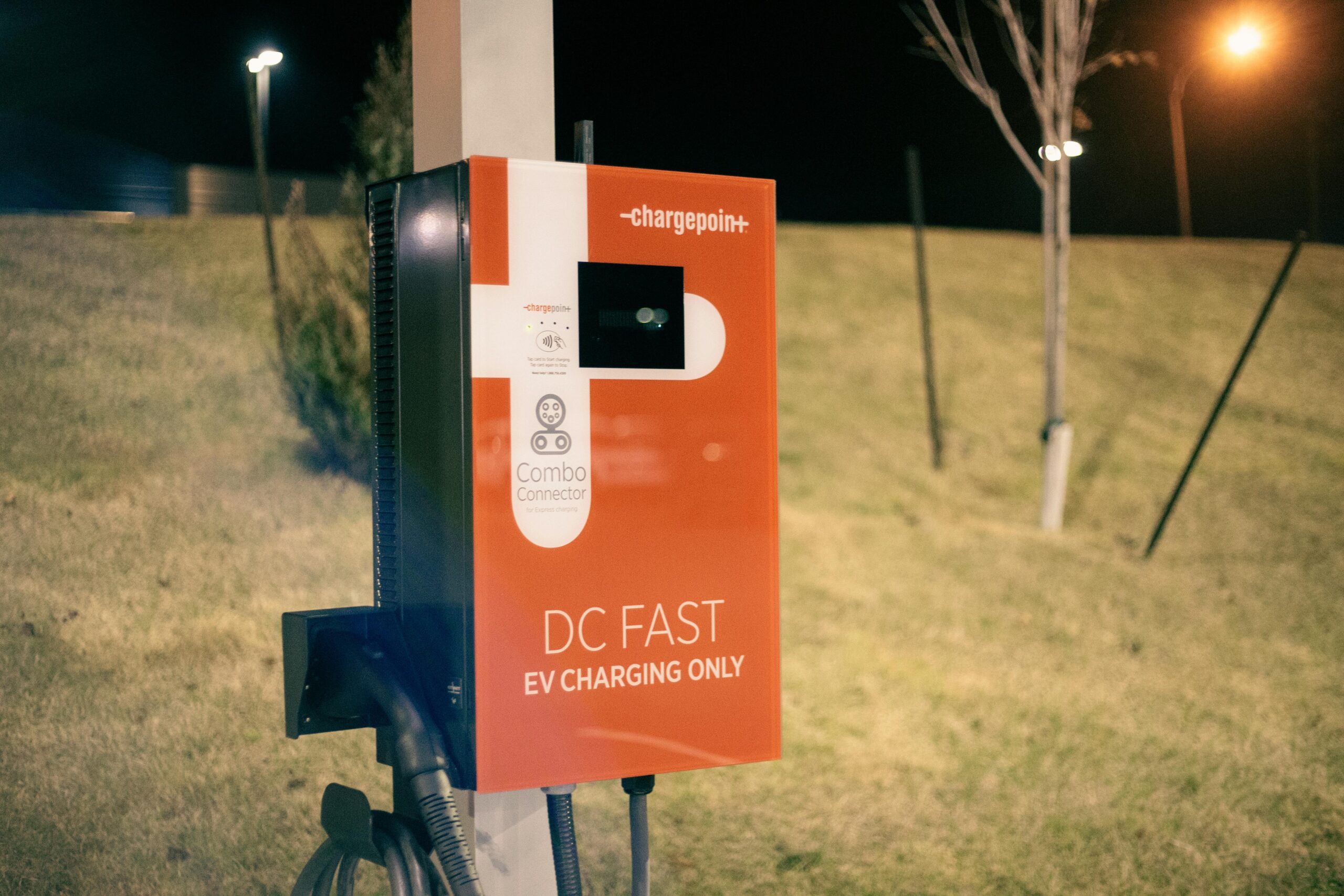
Modern urban environments are evolving rapidly, demanding innovative approaches to infrastructure development that leverage cutting-edge technology and real-time information for sustainable growth.

🌆 The Dawn of Intelligent Urban Development
Cities worldwide are experiencing unprecedented growth, with projections indicating that nearly 70% of the global population will reside in urban areas by 2050. This explosive urbanization presents both remarkable opportunities and formidable challenges for municipal leaders, urban planners, and infrastructure developers. The traditional methods of city planning—often reactive and based on limited historical data—are no longer sufficient to address the complex needs of modern metropolitan areas.
The transformation toward smarter cities represents a fundamental shift in how we conceptualize, design, and manage urban infrastructure. By harnessing the power of data analytics, artificial intelligence, and Internet of Things (IoT) technologies, cities can make informed decisions that optimize resource allocation, improve quality of life, and create sustainable environments for future generations. This data-driven revolution is not merely about implementing new technologies; it’s about fundamentally reimagining how cities function and serve their residents.
Understanding the Data-Driven Infrastructure Paradigm
Data-driven decision-making in infrastructure planning represents a comprehensive approach that integrates multiple information streams to create actionable insights. Unlike traditional planning methods that relied heavily on intuition and limited datasets, modern approaches leverage vast quantities of real-time information from diverse sources including traffic sensors, environmental monitors, social media platforms, mobile devices, and municipal databases.
This paradigm shift enables city planners to move from reactive problem-solving to proactive optimization. By analyzing patterns in traffic flow, energy consumption, waste generation, and population movement, urban leaders can anticipate challenges before they become critical issues. The predictive capabilities of advanced analytics allow for scenario modeling, helping decision-makers understand the potential outcomes of various infrastructure investments before breaking ground.
Core Components of Smart Infrastructure Systems
Implementing effective data-driven infrastructure requires several interconnected components working in harmony. Sensor networks form the foundation, collecting real-time information about environmental conditions, traffic patterns, energy usage, and structural integrity of existing infrastructure. These devices generate massive volumes of data that feed into centralized platforms for analysis and interpretation.
Cloud computing infrastructure provides the necessary computational power and storage capacity to process this information at scale. Machine learning algorithms identify patterns, anomalies, and trends that would be impossible for human analysts to detect manually. Geographic Information Systems (GIS) integrate spatial data with other datasets, creating comprehensive visualizations that reveal relationships between different urban elements.
🚦 Transforming Transportation Networks Through Intelligence
Transportation infrastructure represents one of the most visible and impactful areas where data-driven approaches are revolutionizing urban planning. Intelligent transportation systems (ITS) utilize real-time traffic data to optimize signal timing, reduce congestion, and improve safety outcomes. Cities implementing these systems have reported traffic delay reductions of up to 25% and significant decreases in vehicular emissions.
Predictive maintenance is another breakthrough application in transportation infrastructure. By monitoring the condition of roads, bridges, and tunnels through embedded sensors and regular inspections, cities can identify potential failures before they occur. This proactive approach not only prevents catastrophic incidents but also optimizes maintenance budgets by addressing issues at the most cost-effective stage.
Public transportation systems benefit enormously from data analytics. Real-time passenger information systems improve user experience by providing accurate arrival predictions. Route optimization algorithms adjust service frequency based on demand patterns, ensuring efficient resource utilization while meeting rider needs. Cities like Singapore and Barcelona have implemented comprehensive transit analytics platforms that have increased ridership while reducing operational costs.
Multimodal Integration for Seamless Mobility
The future of urban transportation lies in seamlessly integrating multiple modes of travel—from buses and trains to bicycles and ride-sharing services. Data-driven planning enables cities to understand how residents actually move through urban spaces, identifying gaps in connectivity and opportunities for improved integration. This holistic approach to mobility planning creates more accessible, sustainable transportation ecosystems that reduce private vehicle dependence.
Energy Infrastructure and Sustainability Optimization ⚡
Smart energy grids represent a cornerstone of sustainable urban development, and data analytics plays a crucial role in their effectiveness. By monitoring energy consumption patterns across residential, commercial, and industrial sectors, cities can identify opportunities for efficiency improvements and better match supply with demand. Advanced metering infrastructure (AMI) provides granular consumption data that enables dynamic pricing models, encouraging energy use during off-peak periods.
Renewable energy integration presents unique challenges that data-driven approaches help address. Solar and wind power generation varies with weather conditions, requiring sophisticated forecasting and grid management to maintain reliability. Machine learning algorithms predict renewable energy output with increasing accuracy, allowing grid operators to balance intermittent sources with conventional generation and energy storage systems.
Building energy management systems generate valuable data about heating, cooling, and lighting consumption. When aggregated across neighborhoods or districts, this information reveals opportunities for district energy systems, combined heat and power installations, and targeted retrofit programs. Cities implementing comprehensive energy data platforms have achieved reductions in municipal energy consumption of 15-30% within five years.
💧 Water Systems and Resource Conservation
Water infrastructure represents both a critical urban necessity and a significant management challenge. Data-driven approaches are transforming how cities monitor, distribute, and conserve this essential resource. Smart water meters provide real-time consumption data, enabling rapid leak detection and helping consumers understand their usage patterns. Cities implementing smart water systems have reduced water losses from leakage by up to 40%.
Stormwater management increasingly relies on predictive analytics and sensor networks. By monitoring weather forecasts, soil moisture levels, and drainage system capacity, cities can optimize retention basin operations and prevent flooding events. Green infrastructure elements like bioswales and permeable pavements generate performance data that informs future design decisions and demonstrates environmental benefits.
Water quality monitoring has been revolutionized by continuous sensor networks that detect contaminants, pH changes, and other parameters in real-time. This immediate awareness enables rapid response to potential health threats and helps identify pollution sources quickly. Advanced analytics can even predict water quality issues based on weather patterns, seasonal factors, and upstream activities.
Building Resilient Cities Through Predictive Planning
Climate change and natural disasters pose increasing threats to urban infrastructure, making resilience planning essential. Data-driven approaches enable cities to model vulnerability, assess risk, and prioritize investments in protective infrastructure. By analyzing historical disaster data, climate projections, and infrastructure interdependencies, planners can identify critical vulnerabilities and develop targeted mitigation strategies.
Digital twin technology creates virtual replicas of physical infrastructure, allowing planners to simulate disaster scenarios and test response strategies without real-world consequences. These sophisticated models incorporate data from thousands of sensors, creating dynamic representations that mirror actual conditions. Cities can use digital twins to optimize emergency response routes, identify backup power requirements, and plan evacuation procedures.
Community Engagement and Participatory Planning 🤝
Modern infrastructure planning increasingly incorporates public input through digital engagement platforms. Mobile applications and online portals allow residents to report infrastructure issues, provide feedback on proposed projects, and participate in planning processes. This crowdsourced data complements traditional information sources, providing valuable insights into actual user experiences and priorities.
Social media analytics reveal community sentiment about infrastructure projects and identify concerns that might not surface through formal channels. Natural language processing algorithms can analyze thousands of public comments efficiently, identifying common themes and helping planners address community priorities. This inclusive approach builds public support for infrastructure investments and ensures projects truly serve community needs.
Economic Benefits and Return on Investment 💰
While implementing data-driven infrastructure planning requires significant initial investment, the economic returns are substantial and well-documented. Cities adopting comprehensive smart infrastructure approaches report operational cost savings of 20-35% through optimized maintenance schedules, reduced energy consumption, and improved resource allocation. These savings accumulate over infrastructure lifecycles spanning decades.
Data-driven planning reduces project risks by providing better information for decision-making. Comprehensive analysis of site conditions, usage patterns, and future demands helps avoid costly design errors and ensures infrastructure investments remain relevant longer. Projects informed by robust data analysis experience fewer cost overruns and schedule delays compared to traditional approaches.
Economic development benefits extend beyond direct municipal savings. Smart infrastructure makes cities more attractive to businesses and residents, driving economic growth and expanding tax bases. High-quality transportation, reliable utilities, and responsive public services create competitive advantages in attracting talent and investment. Studies show that cities with advanced smart infrastructure experience GDP growth rates 1-2 percentage points higher than comparable cities using traditional approaches.
🔐 Addressing Privacy and Security Concerns
The extensive data collection required for smart infrastructure raises legitimate privacy concerns that must be addressed through thoughtful governance frameworks. Cities must balance the benefits of data-driven planning with protecting individual privacy rights. Anonymization techniques, aggregated reporting, and clear data retention policies help mitigate privacy risks while preserving analytical value.
Cybersecurity represents a critical consideration as infrastructure systems become increasingly connected. Protecting sensor networks, data platforms, and control systems from malicious attacks requires robust security architectures, regular vulnerability assessments, and incident response capabilities. Cities must invest in cybersecurity expertise and implement defense-in-depth strategies to protect critical infrastructure.
Transparency about data collection practices, usage policies, and security measures builds public trust essential for successful smart city initiatives. Clear communication about how data improves services and protects privacy helps overcome resistance and demonstrates accountability. Establishing citizen oversight mechanisms and conducting regular privacy impact assessments ensures ongoing alignment with community values.
Implementation Strategies for Municipal Leaders
Successfully transitioning to data-driven infrastructure planning requires strategic approaches that build organizational capacity while delivering tangible results. Starting with pilot projects in specific domains—such as traffic management or energy monitoring—allows cities to demonstrate value, learn lessons, and build momentum for broader implementation. These initial successes create champions within organizations and help secure resources for expansion.
Building internal expertise is essential for sustaining data-driven approaches. Cities must invest in training existing staff, recruiting data scientists and analysts, and fostering cultures of evidence-based decision-making. Partnerships with universities, technology companies, and other municipalities accelerate capability development and provide access to specialized expertise.
Interoperability standards ensure that systems from different vendors can communicate effectively, avoiding data silos that limit analytical capabilities. Cities should prioritize open standards, require vendor compliance with established protocols, and maintain vendor-neutral data platforms that accommodate future technology evolution. This strategic approach protects long-term investments and maintains flexibility.

🌍 The Path Forward for Urban Innovation
The revolution in data-driven infrastructure planning is still in its early stages, with exciting developments emerging continuously. Artificial intelligence capabilities are advancing rapidly, enabling increasingly sophisticated analysis and automation of routine decisions. Edge computing is bringing analytical capabilities directly to sensors and devices, enabling faster responses and reducing bandwidth requirements.
Blockchain technology shows promise for creating transparent, tamper-proof records of infrastructure conditions, maintenance activities, and performance metrics. This could revolutionize asset management, facilitate public-private partnerships, and create new models for infrastructure financing. Digital currencies and smart contracts may enable innovative funding mechanisms that align infrastructure investments with actual usage and performance.
The integration of autonomous vehicles, drone delivery systems, and other emerging technologies will require infrastructure planning approaches that anticipate rapid technological change. Data-driven planning provides the flexibility and responsiveness needed to adapt infrastructure to evolving needs without costly retrofits or premature obsolescence.
As cities worldwide embrace data-driven approaches to infrastructure planning, they are not merely adopting new technologies—they are fundamentally transforming how urban environments serve humanity. The insights generated through comprehensive data analysis enable more efficient resource utilization, improved quality of life, and sustainable development that balances economic growth with environmental stewardship. The cities that successfully harness this revolution will thrive in an increasingly competitive global landscape, while those that resist change risk being left behind.
The journey toward truly smart, data-driven infrastructure requires vision, commitment, and collaboration across government agencies, private sector partners, academic institutions, and engaged citizens. The technological tools are available and improving constantly. The methodologies are proven through successful implementations worldwide. The economic case is compelling. What remains is the will to embrace change, invest in capabilities, and commit to evidence-based decision-making that serves the long-term interests of urban communities. The future of our cities depends on the infrastructure decisions we make today—decisions that must be informed by data, guided by insight, and focused on creating sustainable, livable urban environments for generations to come.