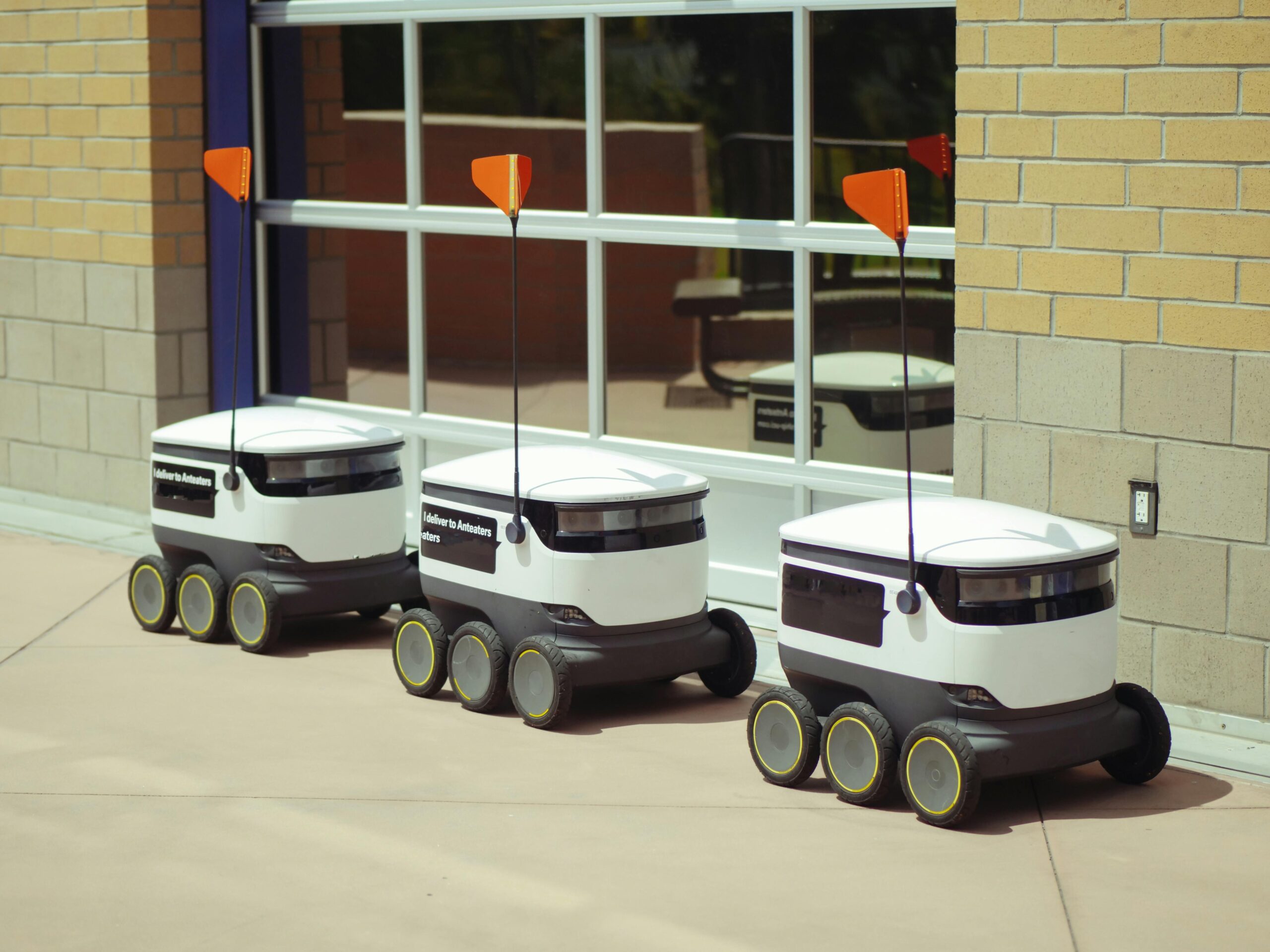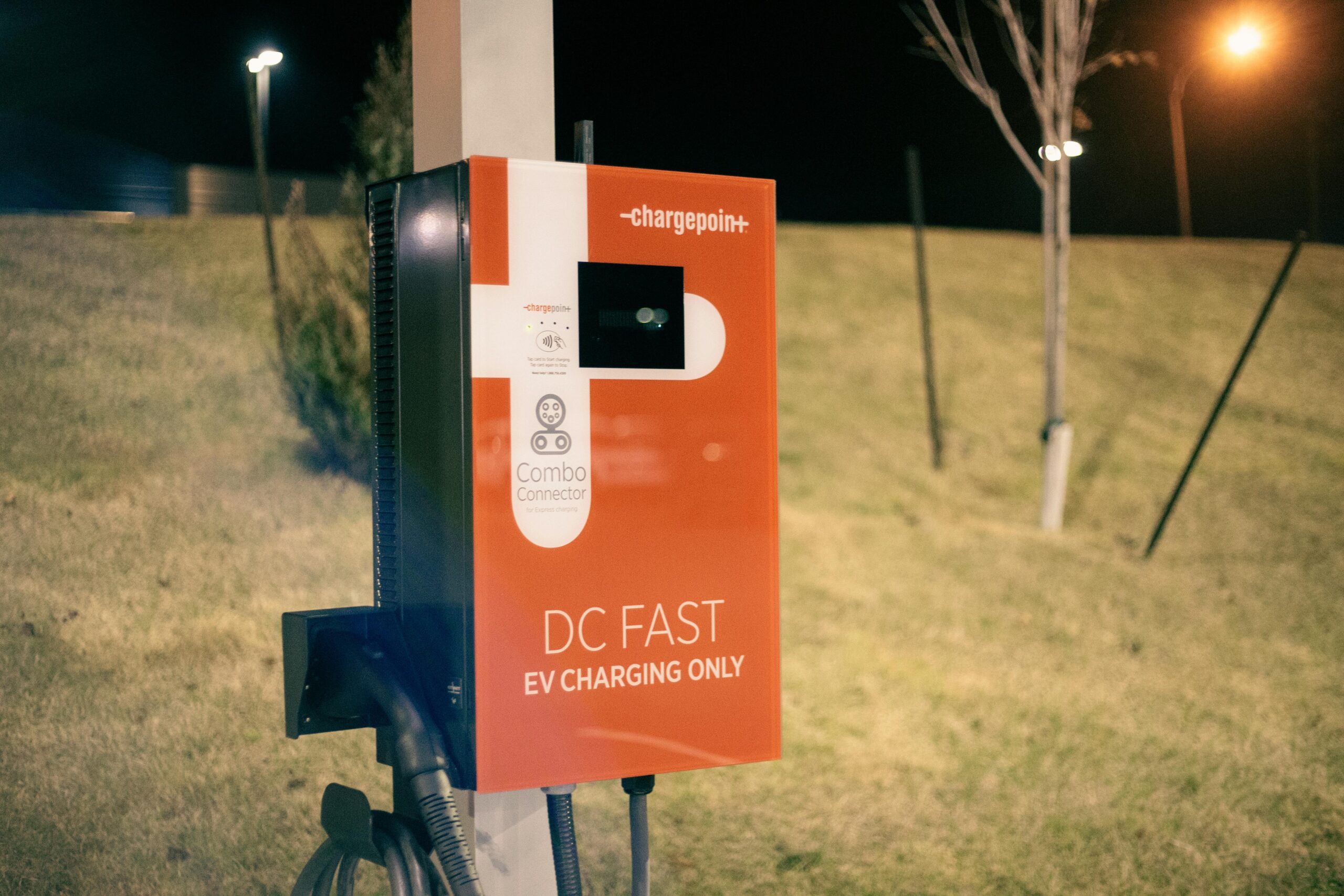
The Internet of Things is transforming how cities and organizations manage critical infrastructure, creating unprecedented opportunities for efficiency, safety, and sustainability through connected sensor networks and intelligent automation systems.

🌐 The Digital Transformation of Infrastructure Systems
Infrastructure management has entered a new era where physical assets communicate, analyze, and respond to changing conditions in real-time. The integration of IoT technology into traditional infrastructure creates a digital nervous system that monitors everything from bridges and water systems to power grids and transportation networks. This convergence of physical and digital worlds represents more than technological advancement—it’s a fundamental reimagining of how we build, maintain, and optimize the systems that underpin modern civilization.
Traditional infrastructure management relied heavily on scheduled inspections, reactive maintenance, and manual data collection. These methods, while proven over decades, often resulted in inefficiencies, unexpected failures, and excessive costs. IoT technology introduces continuous monitoring capabilities that detect problems before they escalate, optimize resource allocation, and provide decision-makers with actionable insights derived from vast amounts of real-time data.
The economic implications are staggering. According to industry analyses, IoT-enabled infrastructure management can reduce maintenance costs by 30-40%, extend asset lifespans by 20-25%, and decrease downtime by up to 50%. These improvements translate into billions of dollars in savings while simultaneously enhancing public safety and service reliability.
🏗️ Smart Bridges and Structural Health Monitoring
Bridges represent critical infrastructure nodes where failure can have catastrophic consequences. IoT sensors embedded within bridge structures continuously monitor stress, vibration, temperature fluctuations, and material degradation. This constant surveillance creates a comprehensive health profile for each structure, allowing engineers to identify weaknesses long before they become dangerous.
Strain gauges, accelerometers, and corrosion sensors work in concert to detect microscopic changes in structural integrity. When sensor data indicates unusual patterns—perhaps increased vibration suggesting loosening connections or temperature differentials indicating concrete deterioration—maintenance teams receive immediate alerts. This proactive approach prevents disasters while optimizing inspection schedules and repair budgets.
Several major cities have already implemented smart bridge monitoring systems with remarkable results. These installations have identified critical issues that visual inspections missed, prevented potential collapses, and provided engineers with unprecedented data about how structures respond to traffic loads, weather conditions, and aging processes.
Advanced Sensor Technologies in Bridge Monitoring
Modern bridge monitoring systems employ multiple sensor types, each addressing specific aspects of structural health. Fiber optic sensors can detect minute deformations along their entire length, making them ideal for monitoring strain across large spans. Wireless sensor nodes eliminate the need for extensive cabling while reducing installation costs and system complexity.
Machine learning algorithms analyze sensor data patterns, distinguishing between normal structural behavior and anomalies requiring attention. These systems learn from historical data, becoming increasingly accurate at predicting maintenance needs and identifying emerging problems. The combination of diverse sensors and intelligent analytics creates monitoring systems far more capable than the sum of their individual components.
💧 Water Infrastructure: From Leak Detection to Quality Assurance
Water systems represent some of the most extensive and critical infrastructure networks, yet they suffer from significant inefficiencies. Non-revenue water—lost through leaks, theft, and metering inaccuracies—averages 30% globally, representing enormous waste of both water and energy. IoT technology is revolutionizing water management through comprehensive monitoring, predictive analytics, and automated control systems.
Smart water networks deploy pressure sensors, flow meters, and acoustic leak detection devices throughout distribution systems. These sensors create detailed hydraulic models that identify anomalies indicating leaks, pipe bursts, or unauthorized connections. By detecting problems early, utilities minimize water loss, reduce repair costs, and prevent infrastructure damage from uncontrolled leaks.
Water quality monitoring has also been transformed by IoT sensors that continuously measure pH, turbidity, chlorine levels, and contaminant presence. This real-time quality assurance ensures safe drinking water while reducing the need for manual sampling and laboratory testing. When sensor data indicates quality issues, automated systems can isolate affected sections, adjust treatment processes, or alert operators to potential contamination sources.
Smart Metering and Consumption Analytics
Advanced metering infrastructure provides granular consumption data that benefits both utilities and consumers. Smart meters transmit usage information in real-time, enabling dynamic pricing, leak detection at the consumer level, and detailed consumption analytics. Customers receive insights about their water usage patterns, helping them identify inefficiencies and reduce consumption.
Utilities leverage aggregated meter data to forecast demand, optimize pumping schedules, and plan infrastructure upgrades. The combination of network sensors and smart meters creates a comprehensive view of water system performance from source to consumer, enabling optimization impossible with traditional management approaches.
⚡ Energy Grid Modernization Through Connected Devices
Electrical grids face unprecedented challenges as renewable energy sources, electric vehicles, and distributed generation transform traditional centralized power systems into complex, bidirectional networks. IoT technology provides the monitoring, control, and automation capabilities necessary to manage this complexity while improving reliability, efficiency, and sustainability.
Smart grid sensors monitor voltage, current, frequency, and power quality at numerous points throughout distribution networks. This granular visibility allows utilities to identify problems immediately, reroute power around failures, and balance loads dynamically. Advanced analytics predict equipment failures before they occur, enabling condition-based maintenance that prevents outages while reducing maintenance costs.
Distributed energy resources—rooftop solar, battery storage, and small wind turbines—create management challenges for traditional grids designed around centralized generation. IoT-enabled energy management systems coordinate these distributed resources, optimizing when they feed power into the grid, store excess generation, or draw power during peak demand periods.
Grid Resilience and Self-Healing Networks
IoT technology enables self-healing grid capabilities where systems automatically detect faults, isolate affected sections, and reroute power to maintain service. Automated switching devices respond to sensor data within milliseconds, dramatically reducing outage duration and affected customers. These systems transform grid reliability, particularly during extreme weather events or other disruptions.
Predictive analytics identify grid vulnerabilities before problems manifest, allowing preemptive action. Weather forecasting integration helps utilities prepare for storms, while thermal imaging from sensors detects overheating equipment that might fail under stress. This proactive approach significantly improves grid resilience and customer satisfaction.
🚦 Intelligent Transportation Infrastructure
Transportation networks benefit enormously from IoT integration, with smart traffic management systems reducing congestion, improving safety, and lowering emissions. Connected sensors, cameras, and vehicle communication systems provide real-time traffic data that optimizes signal timing, manages lane usage, and guides drivers toward less congested routes.
Smart traffic signals adapt to actual traffic conditions rather than following predetermined timing sequences. Sensors detect vehicle presence, pedestrian activity, and traffic density, adjusting signal timing to maximize throughput and minimize delays. During special events or emergencies, centralized control systems can reprogram entire networks to facilitate evacuation or accommodate unusual traffic patterns.
Road condition monitoring uses embedded sensors and connected vehicles to detect potholes, ice, flooding, and other hazards. Maintenance teams receive immediate notification of problems, enabling rapid response that improves safety and prevents minor issues from becoming major repairs. This real-time condition awareness transforms road maintenance from reactive to proactive.
Connected Vehicle Infrastructure Integration
Vehicle-to-infrastructure (V2I) communication represents the next frontier in transportation management. Connected vehicles communicate with traffic signals, warning systems, and parking facilities, receiving real-time information about road conditions, traffic flow, and available parking. This bidirectional communication enables advanced safety features, efficient routing, and seamless parking management.
Autonomous vehicles depend heavily on infrastructure sensors and communication systems. Smart infrastructure provides the environmental awareness necessary for safe autonomous operation, particularly in challenging conditions where vehicle sensors alone may be insufficient. The synergy between connected vehicles and intelligent infrastructure accelerates autonomous vehicle deployment while maximizing safety benefits.
🏢 Building Management Systems and Urban Integration
Smart buildings represent individual nodes within larger smart city ecosystems, with IoT systems managing HVAC, lighting, security, and energy consumption. These building management systems optimize comfort and efficiency while reducing operational costs and environmental impact. Integration with city-wide systems enables coordination that benefits both individual buildings and the broader urban environment.
Occupancy sensors adjust lighting and climate control based on actual building usage rather than schedules, significantly reducing energy waste. Air quality monitors maintain healthy indoor environments while minimizing ventilation energy consumption. Predictive maintenance for building systems prevents equipment failures, extends asset lifespans, and reduces repair costs.
Building-to-grid integration allows structures to participate in demand response programs, reducing consumption during peak periods or shifting loads to times when renewable energy is abundant. Battery storage systems in buildings can store excess renewable energy and discharge during peak demand, providing grid services while reducing electricity costs.
🛡️ Security and Risk Management in Connected Infrastructure
Cybersecurity represents a critical concern for IoT-enabled infrastructure. Connected systems create potential vulnerabilities that malicious actors might exploit to disrupt services, steal data, or cause physical damage. Comprehensive security frameworks must protect infrastructure systems while maintaining the functionality and responsiveness that make IoT valuable.
Defense-in-depth strategies employ multiple security layers including network segmentation, encryption, authentication, and intrusion detection. Regular security audits identify vulnerabilities before attackers exploit them, while incident response plans ensure rapid containment and recovery if breaches occur. Security must be integral to infrastructure IoT systems from initial design through ongoing operation.
Privacy concerns arise when infrastructure sensors collect data about individual behavior and movements. Transparent data policies, anonymization techniques, and strict access controls help balance the benefits of data collection with legitimate privacy expectations. Building public trust requires demonstrating responsible data stewardship and clear communication about how information is collected, used, and protected.
📊 Data Analytics and Artificial Intelligence Applications
The true value of infrastructure IoT emerges when sensor data feeds advanced analytics and artificial intelligence systems. Machine learning algorithms identify patterns human analysts might miss, predict failures before they occur, and optimize complex systems with thousands of interacting variables. AI transforms raw sensor data into actionable intelligence that drives continuous improvement.
Digital twins—virtual replicas of physical infrastructure—leverage IoT data to simulate system behavior, test optimization strategies, and predict future performance. Engineers can evaluate maintenance scenarios, assess infrastructure upgrades, or analyze failure modes within the digital environment before implementing changes in the physical world. This simulation capability reduces risk while accelerating innovation.
Predictive maintenance algorithms analyze sensor data to forecast when equipment will fail, enabling targeted maintenance that prevents breakdowns while avoiding unnecessary service on healthy equipment. This approach can reduce maintenance costs by 25-30% while simultaneously improving reliability. The combination of IoT sensors and predictive analytics fundamentally changes maintenance economics and effectiveness.
🌍 Environmental Sustainability and Resource Conservation
IoT-enabled infrastructure management delivers substantial environmental benefits through improved efficiency, reduced waste, and optimized resource consumption. Smart water systems minimize water loss, intelligent energy grids integrate renewable generation, and optimized transportation networks reduce fuel consumption and emissions. These incremental improvements aggregate into significant environmental impact when deployed at scale.
Environmental monitoring sensors track air quality, noise levels, and ecosystem health, providing data that informs policy decisions and verifies compliance with environmental standards. Cities use this information to identify pollution sources, evaluate intervention effectiveness, and demonstrate environmental stewardship to citizens. Continuous environmental monitoring makes invisible problems visible and measurable.
Circular economy principles benefit from IoT tracking of materials, products, and waste streams. Smart infrastructure can monitor recycling effectiveness, optimize collection routes, and identify opportunities to recover valuable materials from waste. This comprehensive visibility supports more sustainable resource management and accelerates the transition from linear to circular economic models.
💡 Implementation Strategies and Best Practices
Successful infrastructure IoT implementation requires careful planning, stakeholder engagement, and phased deployment strategies. Organizations should begin with pilot projects addressing specific pain points rather than attempting comprehensive system-wide transformation immediately. These initial projects build expertise, demonstrate value, and identify challenges before large-scale investment.
Interoperability standards ensure that IoT systems from different vendors can communicate and share data effectively. Open standards facilitate competition, prevent vendor lock-in, and enable system expansion as needs evolve. Organizations should prioritize solutions based on established standards rather than proprietary protocols that limit future flexibility.
Change management deserves equal attention with technology deployment. Infrastructure operators need training to effectively use new systems and interpret data insights. Organizational processes must adapt to leverage IoT capabilities, moving from reactive to proactive management paradigms. Technology alone cannot transform infrastructure management—people and processes must evolve alongside technical capabilities.
🚀 The Road Ahead: Future Developments and Opportunities
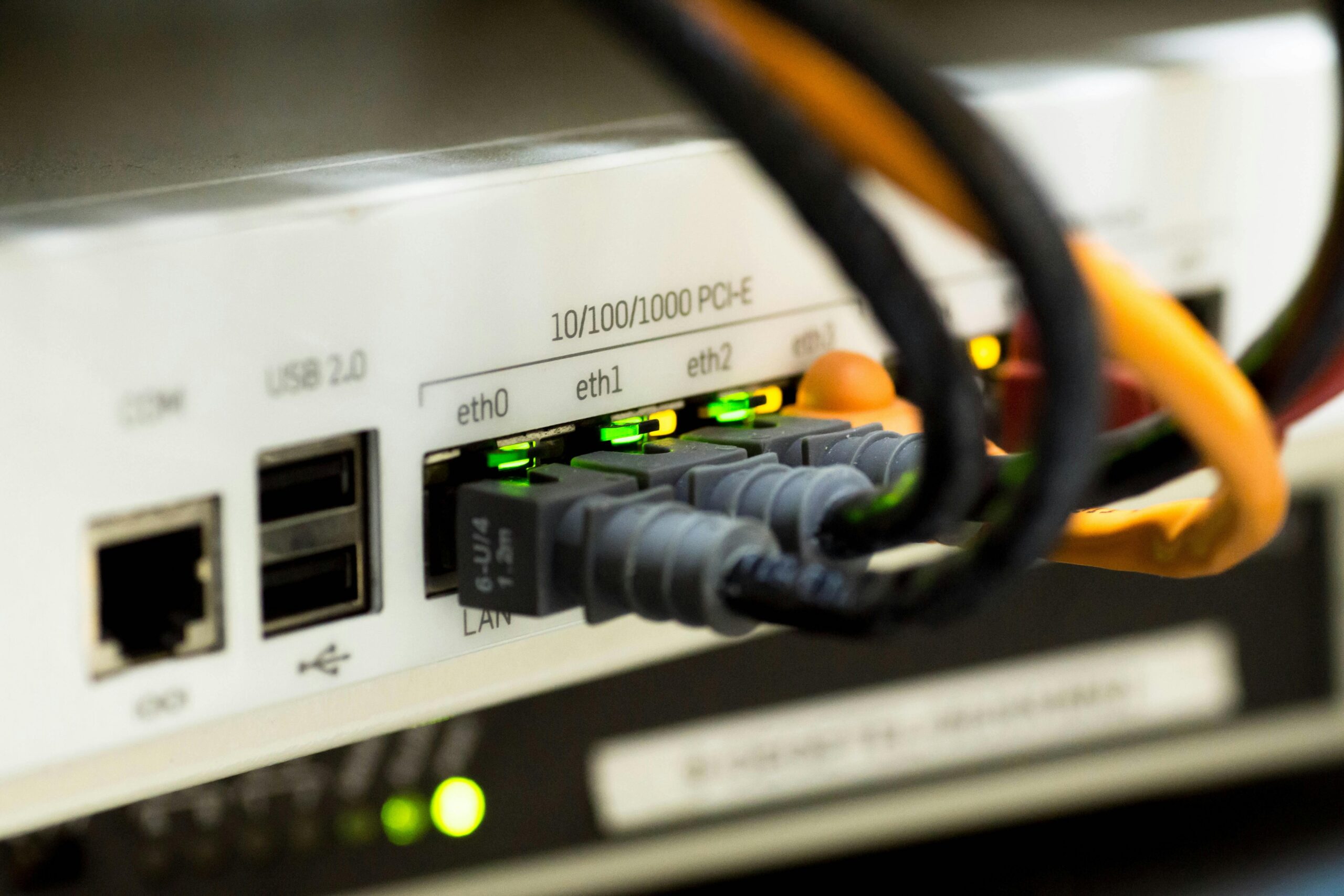
Infrastructure IoT continues evolving rapidly with emerging technologies promising even greater capabilities. 5G networks provide the low-latency, high-bandwidth connectivity necessary for advanced applications like real-time control systems and massive sensor deployments. Edge computing brings data processing closer to sensors, enabling faster response times and reducing bandwidth requirements.
Blockchain technology offers potential solutions for secure, transparent infrastructure data sharing among multiple stakeholders. Smart contracts could automate maintenance agreements, verify service delivery, and streamline payment processes. While blockchain applications in infrastructure remain experimental, they represent intriguing possibilities for improving coordination and accountability.
Quantum sensing technologies promise revolutionary improvements in measurement precision and sensitivity. Quantum sensors could detect infrastructure problems with unprecedented accuracy, enabling even more effective predictive maintenance and structural monitoring. As quantum technologies mature and costs decline, they may transform infrastructure management capabilities.
🎯 Creating Resilient Cities Through Connected Infrastructure
The ultimate goal of infrastructure IoT extends beyond individual system optimization to creating resilient, livable, sustainable cities. Integrated infrastructure systems that share data and coordinate operations deliver benefits impossible when systems operate in isolation. Traffic management coordinates with energy grids to accommodate electric vehicle charging, water systems integrate with weather forecasting to prepare for storms, and building systems participate in city-wide energy optimization.
This holistic approach to urban infrastructure management represents a paradigm shift from siloed, independent systems to integrated, intelligent networks. The result is cities that are more efficient, sustainable, and responsive to citizen needs. As climate change, urbanization, and resource constraints create increasing challenges, smart infrastructure powered by IoT technology provides essential tools for building resilient communities.
The revolution in infrastructure management through IoT technology is not a distant future possibility—it is happening now in cities and organizations worldwide. Early adopters are already realizing substantial benefits in efficiency, safety, and sustainability. As technologies mature, costs decline, and best practices emerge, IoT-enabled infrastructure management will transition from competitive advantage to operational necessity. The future of infrastructure is connected, intelligent, and transformative.