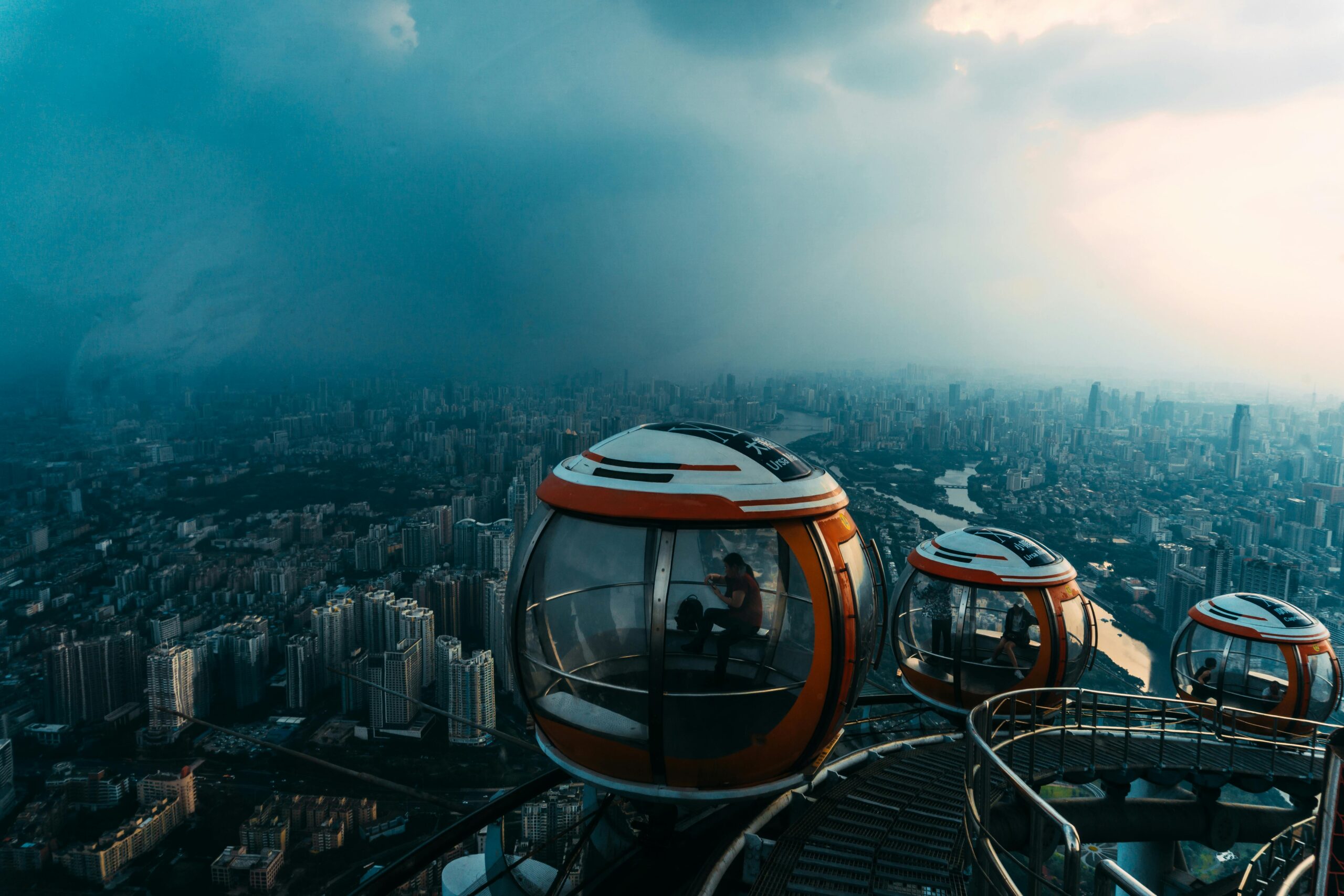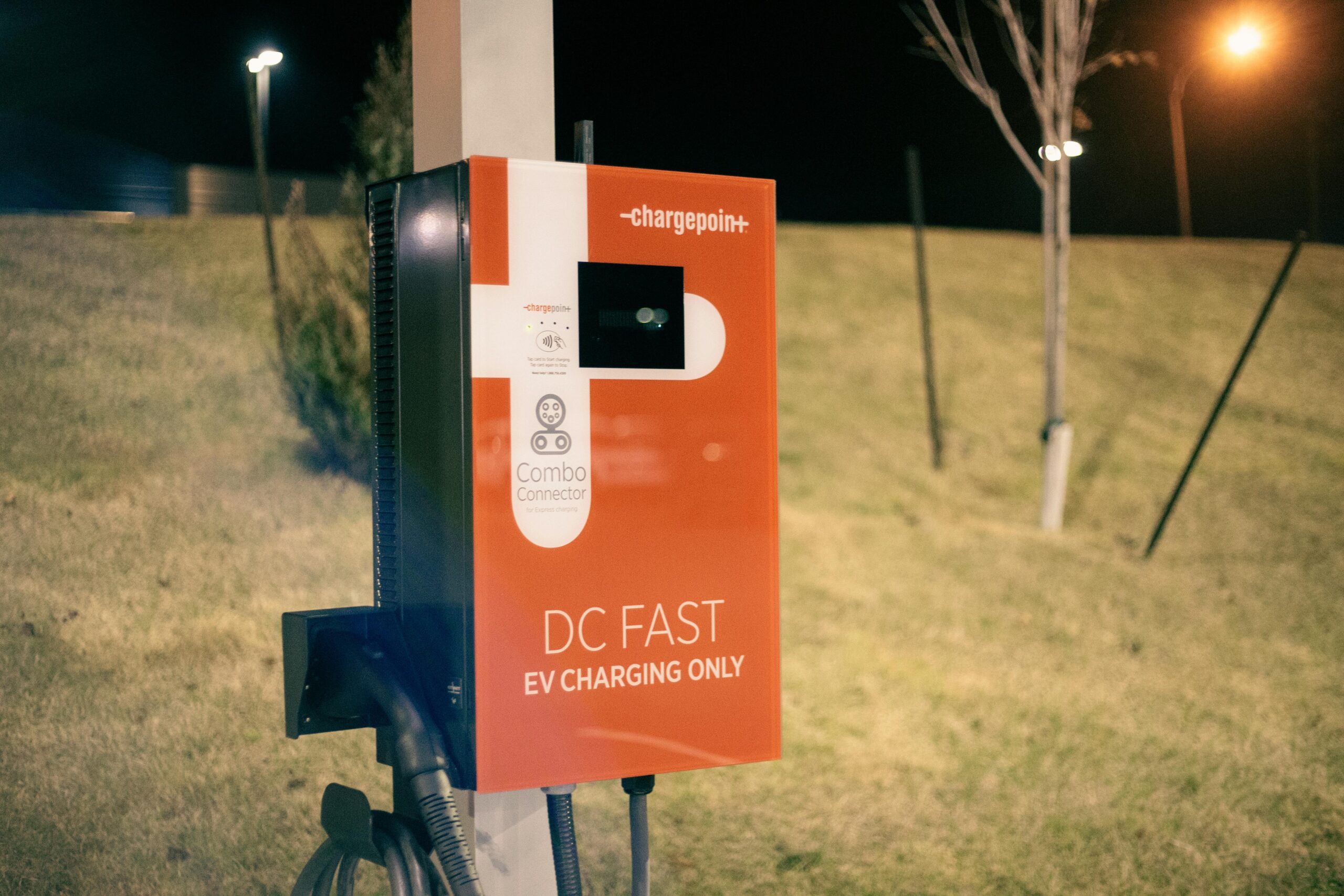
Smart lighting is transforming how we experience and navigate public spaces, creating safer, more efficient environments through intelligent technology that adapts to our needs in real-time.

🌟 The Dawn of Intelligent Urban Infrastructure
Cities worldwide are embracing a technological revolution that’s literally changing how we see our surroundings. Smart lighting systems represent far more than simple illumination—they’re sophisticated networks that combine sensors, connectivity, and adaptive algorithms to create responsive urban environments. These systems monitor foot traffic, adjust brightness based on natural light conditions, and even communicate with emergency services when necessary.
The transformation from traditional street lighting to smart systems marks a pivotal moment in urban development. Where conventional lights simply turned on at dusk and off at dawn, modern smart lighting responds dynamically to environmental conditions, human presence, and even weather patterns. This evolution isn’t just about technology for technology’s sake; it’s about creating spaces where safety, sustainability, and human experience converge.
💡 Understanding the Technology Behind Smart Lighting
At its core, smart lighting relies on an interconnected ecosystem of components working in harmony. LED fixtures serve as the foundation, offering energy efficiency and longevity that traditional bulbs cannot match. These LEDs connect to control systems through wireless protocols like Zigbee, LoRaWAN, or cellular networks, enabling remote management and real-time adjustments.
Sensors play a crucial role in making lighting truly intelligent. Motion detectors identify pedestrian and vehicle movement, ensuring lights brighten when activity is present and dim during quiet periods. Photocells measure ambient light levels, preventing unnecessary illumination during daylight hours. Some advanced systems even incorporate environmental sensors that monitor air quality, temperature, and noise levels, transforming light poles into comprehensive data collection points.
The Internet of Things Revolution in Public Lighting
The integration of IoT technology has elevated smart lighting from simple automation to sophisticated urban intelligence. Each light fixture becomes a node in a vast network, communicating status updates, energy consumption data, and maintenance needs to centralized management platforms. City officials can monitor entire lighting networks from a single dashboard, identifying malfunctions before they become safety hazards and optimizing performance across neighborhoods.
This connectivity enables predictive maintenance strategies that reduce costs and improve reliability. When a fixture begins showing signs of degradation, the system alerts maintenance crews proactively, preventing complete failures that leave areas in darkness. This approach transforms reactive maintenance into strategic planning, ensuring public spaces remain continuously illuminated and safe.
🛡️ Enhancing Public Safety Through Adaptive Illumination
The relationship between lighting and safety has been documented extensively in criminology and urban planning research. Well-lit spaces deter criminal activity, reduce accidents, and provide psychological comfort to citizens navigating public areas after dark. Smart lighting amplifies these benefits through adaptive strategies that optimize illumination based on specific conditions and needs.
Traditional lighting provides static illumination levels regardless of actual requirements. Smart systems analyze real-time data to deliver appropriate lighting intensity for current conditions. A quiet residential street at 3 AM requires different illumination than the same street during evening rush hour. Smart lighting recognizes these distinctions, conserving energy during low-activity periods while ensuring adequate visibility when needed.
Emergency Response Integration
One of the most compelling safety features of smart lighting systems is their integration with emergency services. When incidents occur, lighting can automatically intensify in affected areas, improving visibility for first responders and helping citizens navigate away from danger. Some systems connect directly to 911 dispatch centers, allowing operators to remotely brighten areas where emergencies are reported.
Advanced implementations include features like emergency button integration, where panic stations in parks or parking structures trigger lighting changes and alert authorities simultaneously. These capabilities create layered safety networks that extend beyond simple illumination, actively contributing to emergency response protocols.
🌍 Sustainability Meets Safety: The Environmental Impact
The environmental benefits of smart lighting systems extend far beyond simple energy savings. LED technology combined with intelligent control systems can reduce energy consumption for public lighting by 50-70% compared to traditional infrastructure. This dramatic reduction translates into significant decreases in carbon emissions and operational costs for municipalities.
Adaptive dimming capabilities ensure lights operate at optimal levels rather than full brightness throughout the night. In low-traffic areas, lights can dim to 30-40% capacity during quiet hours, ramping up instantly when motion sensors detect activity. This dynamic approach maintains safety while minimizing unnecessary energy expenditure.
Light Pollution Reduction
Smart lighting addresses growing concerns about light pollution and its impact on ecosystems, astronomy, and human health. Precision optics direct light exactly where needed, reducing sky glow and light trespass into residential areas. Programmable schedules can adjust color temperature throughout the night, minimizing blue light emission during late hours when it most disrupts circadian rhythms and wildlife behavior.
Communities near sensitive ecological areas benefit particularly from these capabilities. Coastal regions can reduce lighting during turtle nesting seasons, while parks can implement lighting schedules that minimize impact on nocturnal species. This flexibility allows cities to balance human safety needs with environmental stewardship.
📊 Real-World Implementation Success Stories
Cities across the globe have implemented smart lighting systems with remarkable results. Los Angeles replaced 140,000 street lights with LED smart fixtures, reducing energy consumption by 63% and saving $9 million annually. Beyond financial benefits, the city reported improved visibility and reduced crime rates in areas with enhanced lighting.
Copenhagen’s smart lighting initiative transformed the city’s approach to urban illumination. The system adjusts lighting based on weather conditions, brightening during fog or rain when visibility decreases. Bike paths receive priority illumination during peak cycling hours, supporting the city’s sustainable transportation goals while maintaining safety for its extensive cycling community.
Barcelona integrated smart lighting into its broader smart city strategy, using light poles as platforms for multiple services. The infrastructure supports free WiFi, electric vehicle charging, environmental monitoring, and digital information displays. This multi-functional approach maximizes infrastructure investment while creating comprehensive urban service networks.
🏙️ Transforming Different Public Space Categories
Parks and Recreational Areas
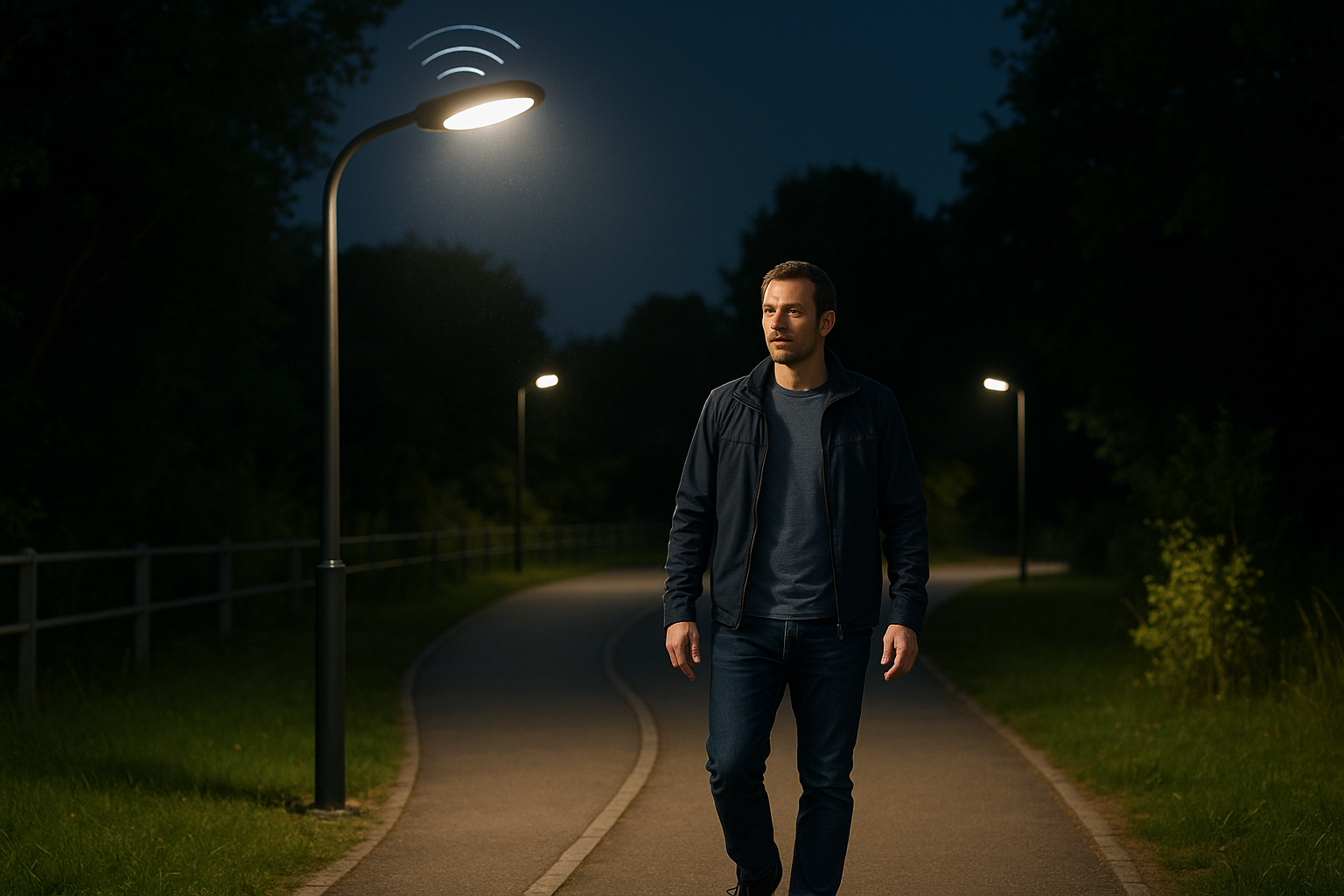
Public parks present unique lighting challenges, requiring illumination that ensures safety without disrupting natural ambiance. Smart lighting systems address this balance through zone-based control strategies. Main pathways maintain consistent visibility, while peripheral areas can operate at lower levels, preserving dark spaces that benefit wildlife and stargazing.
Activity-responsive lighting in parks adjusts to usage patterns. Morning joggers trigger pathway illumination before dawn, while evening events can activate area-wide lighting automatically. This flexibility extends park usability while maintaining the natural character that makes these spaces valuable to communities.
Parking Structures and Lots
Parking facilities rank among the most security-sensitive public spaces, with isolated environments that benefit tremendously from intelligent lighting. Smart systems illuminate areas as vehicles and pedestrians approach, creating moving corridors of light that enhance security while conserving energy in unoccupied sections.
Integration with parking management systems enables sophisticated features like guiding drivers to available spaces through lighting cues, or brightening exits during peak departure times. Emergency call stations connect to lighting networks, flooding areas with light when activated and drawing attention to users requiring assistance.
Transit Stations and Stops
Public transportation infrastructure demands reliable, high-quality lighting that serves diverse users throughout operating hours. Smart lighting at transit facilities adapts to train or bus schedules, increasing illumination levels as arrival times approach and crowds gather. This anticipatory approach improves passenger experience while optimizing energy use during off-peak periods.
Safety features like emergency lighting protocols integrate with transit security systems, enabling rapid response to incidents. Real-time passenger counting through connected sensors helps predict lighting needs based on crowd sizes, ensuring adequate visibility during peak travel times.
💰 Cost Considerations and Return on Investment
The financial case for smart lighting extends beyond simple energy savings. While LED conversion alone provides substantial operational cost reductions, intelligent control systems amplify these benefits through optimized operation. Municipalities typically achieve payback periods of 5-8 years, after which savings directly improve budget flexibility.
Maintenance cost reductions contribute significantly to overall savings. LED fixtures last 15-20 years compared to 2-3 years for traditional bulbs, dramatically reducing replacement labor and materials costs. Predictive maintenance capabilities prevent costly emergency repairs and extend infrastructure lifespan through optimal operating conditions.
Indirect financial benefits include property value increases in well-lit areas, reduced insurance costs due to improved safety, and economic activity extensions as people feel comfortable in public spaces after dark. These harder-to-quantify benefits often exceed direct operational savings over time.
🔐 Privacy and Data Security Considerations
As smart lighting systems collect data about public space usage, legitimate privacy concerns arise. Responsible implementations prioritize anonymized data collection, focusing on aggregate patterns rather than individual tracking. Motion sensors detect presence without capturing identifying information, and camera integration, when used, should follow strict data protection protocols.
Cybersecurity represents another critical consideration. Networked lighting infrastructure requires robust security measures to prevent unauthorized access or manipulation. Encryption, secure authentication protocols, and network segmentation protect against potential vulnerabilities. Cities must partner with vendors committed to ongoing security updates and transparent vulnerability management.
Public engagement around data collection practices builds trust and ensures implementations align with community values. Clear communication about what data is collected, how it’s used, and who has access demonstrates respect for citizen privacy while leveraging technology’s benefits.
🚀 Future Innovations on the Horizon
The evolution of smart lighting continues accelerating with emerging technologies promising even more sophisticated capabilities. Artificial intelligence and machine learning algorithms will enable predictive adjustments based on historical patterns, weather forecasts, and special events. Systems will learn neighborhood-specific needs, optimizing automatically without manual programming.
LiFi technology, which transmits data through light waves, could transform street lights into high-speed internet access points. This convergence of lighting and communication infrastructure would provide connectivity throughout public spaces, supporting smart city applications from autonomous vehicles to augmented reality navigation.
Integration with Autonomous Vehicles
As autonomous vehicles become prevalent, smart lighting will communicate directly with vehicle systems. Lights could signal road conditions, hazards, or optimal speeds through encoded flashing patterns invisible to human eyes but readable by vehicle sensors. This vehicle-to-infrastructure communication layer adds another dimension to transportation safety.
🔧 Implementation Strategies for Communities
Communities considering smart lighting transitions should approach implementation strategically. Pilot programs in high-priority areas demonstrate benefits and identify challenges before full-scale deployment. Parks with safety concerns, downtown districts seeking revitalization, or problematic intersections make ideal pilot locations.
Stakeholder engagement ensures implementations meet community needs. Residents provide valuable insights about problem areas, preferred lighting levels, and concerns requiring address. This collaborative approach builds support and creates solutions tailored to local conditions rather than one-size-fits-all deployments.
Phased implementation strategies spread costs over multiple budget cycles while building institutional knowledge. Starting with main corridors and expanding to secondary areas allows maintenance teams to develop expertise gradually and systems to prove value before complete infrastructure transformation.
✨ Creating Brighter, Safer Futures Together
Smart lighting represents more than technological advancement—it embodies our commitment to creating public spaces that serve everyone safely and sustainably. By illuminating streets, parks, and gathering places with intelligence and adaptability, we transform the nocturnal urban experience from something potentially threatening into an extension of daytime vitality and community connection.
The technology continues evolving, but the fundamental goal remains constant: ensuring every person can navigate public spaces confidently, regardless of the hour. As more communities embrace smart lighting, we collectively build cities that respond to our needs, conserve resources for future generations, and demonstrate how thoughtful technology application enhances rather than complicates human experience.
The path forward shines brightly with possibility. Smart lighting invites us to reimagine public spaces not as static environments but as dynamic systems that adapt, learn, and continuously improve. This revolution in urban infrastructure promises safer streets, more sustainable cities, and public spaces that truly serve the communities they illuminate. The future of public safety begins with the lights that guide us home.