The integration of Internet of Things (IoT) devices into public health systems is transforming how we detect, monitor, and prevent diseases across communities worldwide.

🌐 The Dawn of Connected Health: Understanding IoT in Public Health
The landscape of public health is undergoing a dramatic transformation, driven by the proliferation of Internet of Things devices that continuously collect, transmit, and analyze health-related data. These interconnected systems are creating unprecedented opportunities for health officials to understand population health patterns, respond to emerging threats, and implement preventive measures with remarkable precision.
IoT devices in public health extend far beyond fitness trackers and smartwatches. They encompass sophisticated sensor networks that monitor air quality, water contamination, disease vectors, and environmental conditions that directly impact community wellness. This technological revolution enables real-time surveillance systems that can identify health threats before they escalate into full-blown crises.
The convergence of wearable technology, environmental sensors, medical devices, and data analytics platforms is creating an ecosystem where public health decisions are increasingly data-driven and evidence-based. This shift represents a fundamental departure from traditional reactive approaches toward proactive, predictive health management.
📊 Real-Time Disease Surveillance: The New Frontline
One of the most promising applications of IoT technology in public health is the establishment of comprehensive disease surveillance networks. These systems integrate data from multiple sources including connected medical devices, wearables, and environmental sensors to create a holistic picture of community health status.
Traditional disease monitoring relied heavily on delayed reporting from healthcare facilities, often resulting in significant gaps between disease emergence and public health response. IoT-enabled surveillance systems eliminate these delays by providing continuous, real-time data streams that alert authorities to unusual patterns or emerging outbreaks immediately.
During the COVID-19 pandemic, several cities demonstrated the potential of IoT-based surveillance by deploying smart thermometers and wearable devices that tracked fever patterns across populations. These systems identified hotspots days before traditional reporting mechanisms, enabling targeted interventions and resource allocation.
Connected Medical Devices in Clinical Settings
Hospitals and clinics increasingly deploy IoT-enabled medical devices that automatically transmit patient data to centralized monitoring systems. These devices track vital signs, medication adherence, and treatment outcomes, generating valuable population-level insights while improving individual patient care.
The aggregated data from these connected devices reveals patterns in disease progression, treatment effectiveness, and risk factors that would be impossible to detect through conventional methods. Public health officials can leverage these insights to develop more effective intervention strategies and allocate resources where they’re needed most.
🌡️ Environmental Health Monitoring: Protecting Communities from Hidden Threats
Environmental factors significantly influence public health outcomes, and IoT sensor networks are revolutionizing how we monitor and respond to environmental health threats. These systems deploy thousands of connected sensors throughout communities to continuously measure air quality, water purity, noise levels, and other environmental parameters.
Air quality monitoring networks provide granular, neighborhood-level data about pollutants and particulate matter. This information enables health officials to issue timely warnings to vulnerable populations, such as children and individuals with respiratory conditions, allowing them to take protective measures during periods of poor air quality.
Water quality sensors deployed throughout municipal water systems can detect contamination events in real-time, triggering immediate responses that prevent waterborne disease outbreaks. These systems represent a massive improvement over traditional testing protocols that required manual sample collection and laboratory analysis.
Vector-Borne Disease Prevention
IoT technology is proving particularly valuable in combating vector-borne diseases like malaria, dengue fever, and Zika virus. Smart traps equipped with sensors can identify and count disease-carrying mosquitoes, providing precise data about vector populations and their geographic distribution.
This information allows public health teams to implement targeted vector control measures in high-risk areas rather than applying broad interventions across entire regions. The result is more effective disease prevention with reduced environmental impact and lower costs.
💊 Medication Adherence and Chronic Disease Management
Chronic diseases represent a significant burden on public health systems worldwide, and medication non-adherence remains a persistent challenge that undermines treatment effectiveness. IoT-enabled solutions are addressing this problem through smart pill bottles, connected inhalers, and wearable medication reminders that track and encourage proper medication use.
These devices don’t just remind patients to take their medications; they generate valuable data about adherence patterns across populations. Public health officials can identify demographic groups or geographic areas with particularly low adherence rates and develop targeted interventions to address underlying barriers.
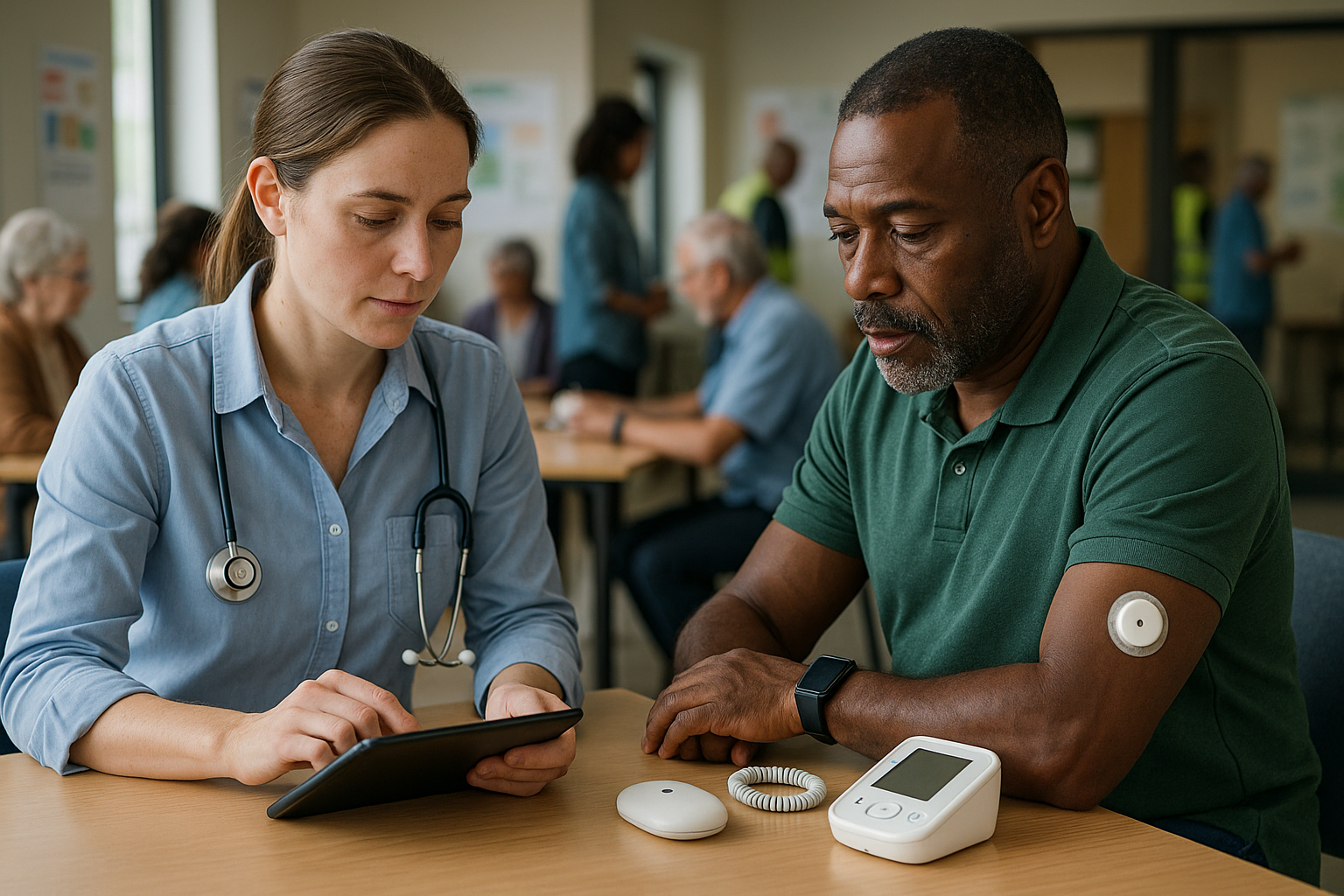
Connected glucose monitors for diabetes management exemplify the potential of IoT in chronic disease care. These devices continuously track blood sugar levels and automatically share data with healthcare providers, enabling proactive adjustments to treatment plans before complications develop.
🏥 Telemedicine and Remote Patient Monitoring
The expansion of telemedicine has been dramatically accelerated by IoT technology, making healthcare more accessible while reducing the burden on physical healthcare facilities. Remote patient monitoring systems equipped with IoT sensors allow healthcare providers to track patient health from afar, particularly benefiting rural communities and homebound individuals.
These systems continuously monitor vital signs, activity levels, and other health indicators, transmitting data to healthcare providers who can intervene when concerning trends emerge. This approach prevents many emergency room visits and hospitalizations by catching problems early when they’re easier to treat.
From a public health perspective, remote monitoring systems reduce disease transmission by minimizing unnecessary healthcare facility visits. They also generate population-level data that helps identify emerging health trends and assess the effectiveness of public health interventions.
🔐 Data Privacy and Security Considerations
The vast amounts of health data collected by IoT devices raise important questions about privacy and security. Public health applications must balance the tremendous benefits of data collection against the fundamental right to privacy and the risks associated with data breaches.
Robust cybersecurity measures are essential to protect sensitive health information from unauthorized access. Encryption, secure authentication protocols, and regular security audits must be standard practice for any IoT system handling health data.
Transparency about data collection practices and clear consent mechanisms are crucial for maintaining public trust. Communities need to understand what data is being collected, how it will be used, and what protections are in place to safeguard their privacy.
Regulatory Frameworks and Standards
Governments and regulatory bodies worldwide are developing frameworks to govern the use of IoT devices in healthcare. These regulations aim to ensure device safety, data security, and interoperability while fostering innovation in this rapidly evolving field.
Standardization of data formats and communication protocols is essential for creating interoperable systems that can share information seamlessly. Without such standards, valuable data remains siloed within individual systems, limiting its potential to inform public health decisions.
🌍 Global Health Applications: Bridging the Healthcare Gap
IoT technology offers unique opportunities to address healthcare disparities in resource-limited settings. Low-cost sensors and mobile connectivity enable the deployment of health monitoring systems in regions that lack traditional healthcare infrastructure.
In rural areas of developing countries, IoT devices are facilitating mobile health clinics that bring diagnostic capabilities to remote populations. Portable ultrasound devices, connected microscopes, and smartphone-based diagnostic tools enable community health workers to provide services that would otherwise be unavailable.
These applications are particularly valuable for maternal and child health programs, where early detection of complications can be lifesaving. IoT-enabled monitoring systems track pregnancy progression and newborn health indicators, alerting healthcare workers to potential problems that require intervention.
📈 Predictive Analytics and Artificial Intelligence
The true power of IoT in public health emerges when device data is combined with artificial intelligence and machine learning algorithms. These technologies can identify subtle patterns and correlations within massive datasets that would be impossible for humans to detect.
Predictive models trained on IoT data can forecast disease outbreaks, identify high-risk populations, and optimize resource allocation with remarkable accuracy. These capabilities enable public health systems to shift from reactive responses to proactive prevention strategies.
Machine learning algorithms can analyze data from environmental sensors, social media, search trends, and healthcare utilization patterns to detect early warning signs of emerging health threats. This multi-source approach provides a comprehensive view of population health that supports rapid, informed decision-making.
🚀 Implementation Challenges and Solutions
Despite the enormous potential of IoT in public health, several challenges must be addressed to realize widespread adoption. Infrastructure limitations, particularly in underserved areas, can hinder the deployment of connected health systems that rely on reliable internet connectivity.
The cost of IoT devices and the supporting infrastructure represents another barrier, especially for resource-constrained public health departments. However, the long-term cost savings from improved disease prevention and early intervention often justify the initial investment.
Integration with existing health information systems poses technical challenges that require careful planning and coordination. Legacy systems may not be designed to accept data from IoT devices, necessitating middleware solutions or system upgrades.
Training and Capacity Building
Successful implementation of IoT-based public health systems requires training healthcare workers, public health officials, and data analysts to effectively use these new tools. Capacity building initiatives must accompany technology deployment to ensure that communities can fully leverage the capabilities of IoT systems.
Educational programs should cover not only technical skills but also data interpretation, privacy protection, and ethical considerations surrounding health data collection and use.
🎯 Building Resilient Public Health Systems for the Future
The COVID-19 pandemic highlighted both the fragility of traditional public health systems and the potential of technology-enabled solutions. Moving forward, IoT devices will play an increasingly central role in building more resilient, responsive public health infrastructure.
Investment in IoT-based health monitoring systems represents an investment in preparedness for future health emergencies. These systems provide the early warning capabilities and rapid response mechanisms necessary to contain outbreaks before they become pandemics.
The integration of IoT technology into public health is not merely about adopting new tools; it requires reimagining how public health systems operate. This transformation demands collaboration among technology developers, healthcare providers, policymakers, and communities to create systems that are effective, equitable, and respectful of individual rights.
🌟 The Path Forward: Embracing Innovation While Ensuring Equity
As IoT technology continues to evolve, its applications in public health will expand and become more sophisticated. Emerging technologies like 5G networks, edge computing, and advanced sensors will enable even more powerful health monitoring and prevention systems.
However, technological advancement must be accompanied by a commitment to equity. Public health leaders must ensure that IoT-based solutions benefit all communities, not just those with abundant resources. Targeted initiatives to bridge the digital divide and make connected health technologies accessible to underserved populations are essential.
The democratization of health data through IoT devices has the potential to empower communities to take ownership of their health outcomes. When individuals and communities have access to timely, relevant health information, they can make informed decisions that improve their wellbeing.
Collaboration between public and private sectors will be crucial for scaling IoT solutions in public health. Technology companies bring innovation and technical expertise, while public health agencies contribute domain knowledge and understanding of community needs. Partnerships that leverage the strengths of both sectors can accelerate the development and deployment of effective solutions.
The revolution in public health driven by IoT technology is just beginning. As devices become more sophisticated, affordable, and ubiquitous, their impact on population health will grow exponentially. The challenge for public health leaders is to harness this potential while navigating the complex ethical, legal, and practical considerations that accompany such transformative change.
By embracing IoT technology thoughtfully and strategically, we can create public health systems that are more proactive, precise, and effective at protecting and promoting community wellbeing. The future of public health lies not in choosing between traditional approaches and technological innovation, but in integrating both to create comprehensive, resilient systems that serve all populations equitably.