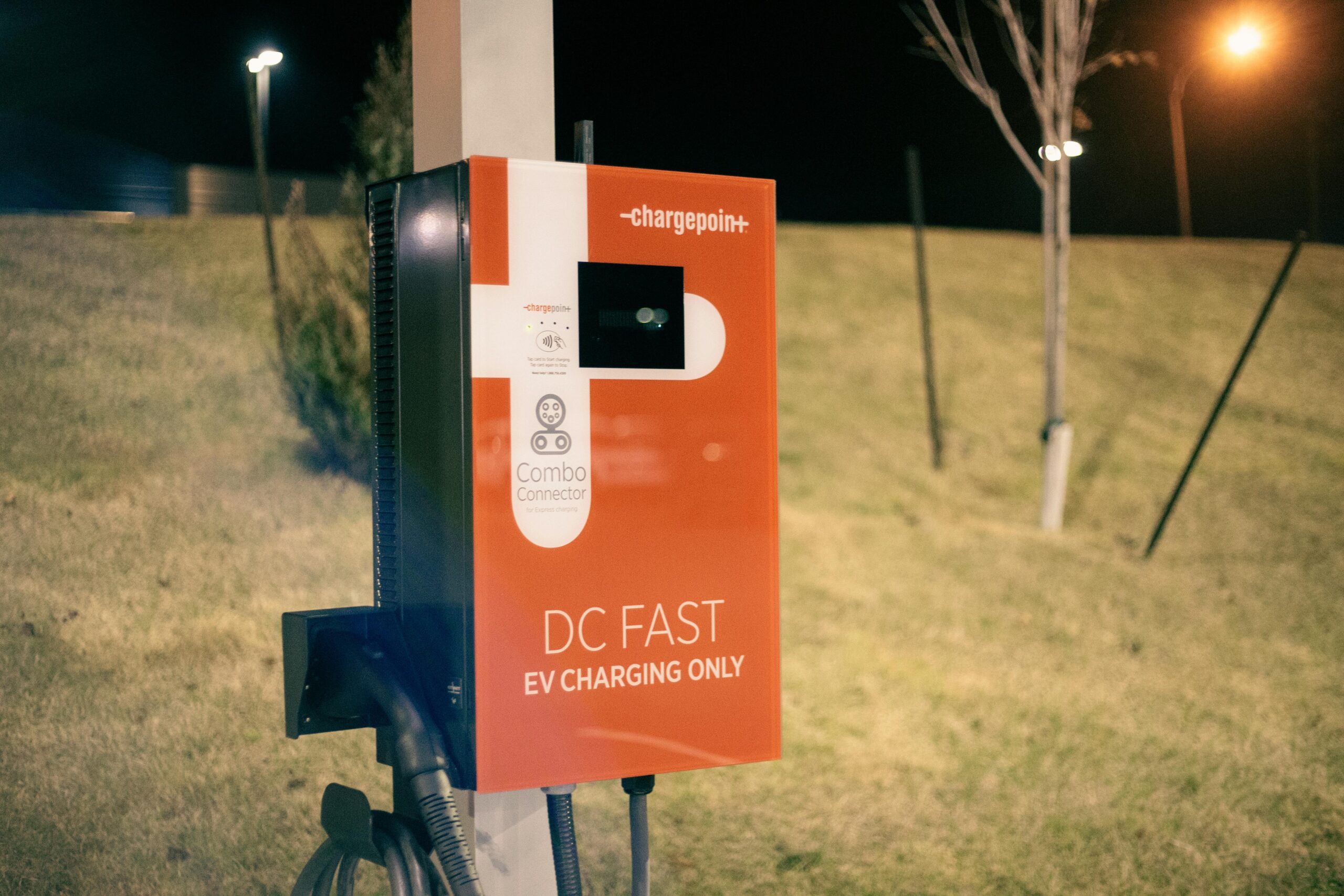
Sustainable procurement is transforming how cities grow, offering a path to balance economic development with environmental responsibility and social equity in urban planning.

🌱 Understanding Sustainable Procurement in Modern Cities
Urban development today faces unprecedented challenges. Cities worldwide consume over 75% of global resources while producing more than 50% of waste and greenhouse gas emissions. Traditional procurement practices have contributed significantly to this environmental burden, prioritizing cost and convenience over long-term ecological impacts.
Sustainable procurement represents a fundamental shift in how governments and organizations acquire goods, services, and works. This approach integrates environmental, social, and economic considerations into purchasing decisions, ensuring that urban development projects contribute positively to community well-being while minimizing environmental harm.
The concept extends beyond simply buying “green” products. It encompasses the entire lifecycle of purchases—from raw material extraction through manufacturing, transportation, use, and eventual disposal or recycling. For urban planners and municipal authorities, this means evaluating suppliers based on carbon footprints, labor practices, circular economy principles, and contribution to local economic development.
The Environmental Imperative Driving Change
Climate change has elevated sustainable procurement from a niche concern to a critical strategy for urban resilience. Cities account for approximately 70% of global CO2 emissions, making them both major contributors to climate change and vulnerable to its impacts. Procurement decisions directly influence this environmental footprint.
Construction materials alone represent a significant portion of urban environmental impact. Concrete production contributes roughly 8% of global carbon emissions, while steel manufacturing adds another 7%. By prioritizing low-carbon alternatives, recycled materials, and suppliers with robust environmental management systems, cities can dramatically reduce their ecological footprint.
Water scarcity affects over 40% of the global population, with urban areas particularly vulnerable. Sustainable procurement policies that favor water-efficient technologies, rainwater harvesting systems, and sustainable landscaping materials help cities build resilience against water stress while protecting precious freshwater resources.
Biodiversity and Urban Green Spaces
Urban expansion historically comes at the cost of natural habitats and biodiversity. Sustainable procurement offers mechanisms to reverse this trend. Specifications that require native plant species for landscaping projects, materials sourced from certified sustainable forests, and construction methods that minimize habitat disruption help preserve urban biodiversity.
Green infrastructure procurement—including permeable pavements, green roofs, and bioswales—addresses multiple environmental challenges simultaneously. These solutions manage stormwater runoff, reduce urban heat island effects, improve air quality, and create habitats for urban wildlife, delivering exceptional value through multi-functional design.
Economic Benefits Beyond Initial Costs 💼
A common misconception portrays sustainable procurement as inherently more expensive. While some sustainable alternatives carry higher upfront costs, lifecycle cost analysis reveals compelling economic advantages. Energy-efficient buildings, for example, may cost 2-5% more initially but deliver 20-30% lower operating costs over their lifespan.
LED street lighting exemplifies this principle. Although LED fixtures cost more than traditional options, they consume 50-70% less energy, last five times longer, and require significantly less maintenance. Cities implementing comprehensive LED conversion programs typically achieve full cost recovery within 3-7 years, followed by decades of net savings.
Sustainable procurement also stimulates local economic development. Policies favoring local suppliers reduce transportation emissions while keeping procurement spending within regional economies. This multiplier effect creates jobs, strengthens tax bases, and builds community wealth—economic benefits that traditional procurement metrics often overlook.
Risk Mitigation and Long-term Value
Supply chain disruptions, resource scarcity, and regulatory changes pose significant risks to conventional procurement strategies. Sustainable approaches build resilience by diversifying suppliers, reducing dependence on volatile commodity markets, and anticipating future regulatory requirements.
Companies with strong environmental, social, and governance (ESG) performance demonstrate greater operational stability and lower risk profiles. Procuring from such suppliers reduces exposure to reputational damage, legal liabilities, and operational disruptions associated with poor environmental or labor practices.
Social Equity and Community Well-being
Sustainable procurement extends beyond environmental considerations to encompass social dimensions crucial for inclusive urban development. Fair labor standards, living wages, workplace safety, and non-discrimination policies become procurement criteria alongside price and quality specifications.
Social procurement policies create opportunities for disadvantaged groups, including minority-owned businesses, social enterprises, and organizations employing persons with disabilities. These approaches transform government purchasing power into a tool for reducing inequality and promoting social inclusion.
Community benefit agreements attached to major procurement contracts ensure that urban development projects deliver tangible advantages to local residents. These might include local hiring quotas, apprenticeship programs, community facility improvements, or support for local businesses—creating shared value that extends far beyond the immediate project scope.
Public Health Considerations
Procurement decisions significantly impact public health outcomes. Specifications requiring low-emission vehicles for public transit fleets improve urban air quality, reducing respiratory diseases and associated healthcare costs. Sustainable building materials with low volatile organic compound (VOC) emissions create healthier indoor environments in schools, hospitals, and municipal buildings.
Urban planning procurement that prioritizes pedestrian infrastructure, bicycle lanes, and public spaces encourages active transportation and outdoor recreation. These investments combat sedentary lifestyles and associated health problems while reducing traffic congestion and vehicle emissions—delivering compounding health and environmental benefits.
🏗️ Implementing Sustainable Procurement Frameworks
Successful sustainable procurement requires structured implementation frameworks that translate principles into actionable policies and procedures. Leading cities worldwide have developed comprehensive approaches that other municipalities can adapt to local contexts.
Policy development begins with clear sustainability objectives aligned with broader urban development goals. These might include carbon reduction targets, circular economy ambitions, social equity commitments, or biodiversity conservation goals. Procurement policies should explicitly support these objectives with measurable criteria and targets.
Capacity building represents a critical implementation component. Procurement professionals need training in lifecycle cost analysis, environmental certification schemes, social impact assessment, and sustainable specification development. Without adequate capacity, well-intentioned policies fail to translate into meaningful practice.
Specification Development and Standards
Sustainable specifications balance environmental and social performance with functional requirements and market availability. Overly restrictive specifications may limit competition or prove impossible to meet, while vague requirements allow greenwashing without delivering genuine sustainability improvements.
Performance-based specifications often prove more effective than prescriptive requirements. Rather than mandating specific products or technologies, performance specifications define desired outcomes—such as energy consumption limits, carbon intensity thresholds, or social impact metrics—allowing suppliers to innovate while ensuring sustainability objectives are met.
Recognized certification schemes provide valuable shortcuts for specifying sustainable products and services. Certifications like LEED for buildings, Energy Star for equipment, Fair Trade for commodities, and ISO 14001 for environmental management systems offer credible third-party verification of sustainability claims.
Technology and Innovation Enabling Sustainable Procurement
Digital technologies are revolutionizing sustainable procurement capabilities. Blockchain systems enhance supply chain transparency, enabling verification of environmental and social claims throughout complex global networks. Cities can track materials from extraction through processing and delivery, ensuring compliance with sustainability standards.
Artificial intelligence and machine learning tools analyze vast datasets to identify sustainability risks and opportunities. These systems can flag suppliers with poor environmental records, predict lifecycle costs of different procurement options, and optimize procurement decisions across multiple sustainability criteria simultaneously.
Building Information Modeling (BIM) integrates sustainability considerations into construction project planning and procurement. BIM platforms enable lifecycle environmental assessment during design phases, allowing optimization before commitments are made. They also facilitate material tracking, waste reduction, and eventual deconstruction planning—supporting circular economy principles.
Data-Driven Decision Making 📊
Effective sustainable procurement requires robust measurement and reporting systems. Key performance indicators might track carbon emissions per procurement dollar, percentage of spending with certified sustainable suppliers, waste diversion rates, or social impact metrics like local employment generation.
Transparency builds accountability and drives continuous improvement. Leading cities publish regular sustainability procurement reports detailing progress toward targets, challenges encountered, and lessons learned. This transparency enables peer learning while demonstrating commitment to stakeholders and citizens.
Overcoming Barriers and Challenges
Despite compelling benefits, sustainable procurement implementation faces significant obstacles. Institutional inertia and resistance to change represent common barriers. Procurement professionals comfortable with traditional approaches may view sustainability requirements as unnecessary complications or threats to efficiency.
Addressing these concerns requires demonstrated success cases, adequate training, and leadership commitment. Pilot projects allow organizations to experiment with sustainable approaches on limited scales, building confidence and expertise before broader implementation.
Market availability constraints challenge sustainable procurement in some sectors. Sustainable alternatives may not exist for certain products, or available options may come from limited suppliers, raising concerns about competition and pricing. Strategic market engagement helps overcome these barriers by signaling demand and encouraging innovation.
Legal and Regulatory Considerations
Procurement regulations designed to ensure fairness and competition sometimes create unintended barriers to sustainability. Rules emphasizing lowest initial cost may disadvantage sustainable options with higher upfront but lower lifecycle costs. Regulations limiting qualitative criteria may prevent consideration of environmental or social factors.
Progressive jurisdictions are reforming procurement regulations to explicitly accommodate sustainability considerations. Best value procurement frameworks replace lowest-price mandates, enabling evaluation of environmental and social factors alongside cost. Legal reforms clarify that sustainability criteria comply with fairness and transparency requirements when appropriately structured.
🌍 Global Leadership and Best Practices
Cities worldwide demonstrate sustainable procurement leadership, offering valuable models for others to follow. Copenhagen’s procurement strategy prioritizes organic food in public institutions, low-carbon construction materials, and electric vehicles—contributing significantly to the city’s carbon neutrality goals.
Vancouver requires all new municipal buildings to achieve carbon-neutral operations, driving procurement of renewable energy, efficient systems, and low-carbon materials. The city’s Greenest City Action Plan integrates sustainable procurement across all municipal operations, creating systemic rather than isolated impacts.
Tokyo implements comprehensive sustainable procurement guidelines covering everything from office supplies to major infrastructure projects. The guidelines include specific environmental criteria for hundreds of product categories, making sustainable choices straightforward for procurement professionals.
Collaborative Procurement Approaches
Individual cities often lack sufficient purchasing power to influence markets or negotiate favorable terms for sustainable alternatives. Collaborative procurement aggregates demand across multiple municipalities, achieving economies of scale that make sustainable options more cost-competitive while signaling significant market demand.
Regional procurement cooperatives enable smaller municipalities to access sustainable procurement expertise and market leverage that would be unavailable independently. These collaborations also facilitate knowledge sharing and standardization, reducing duplication of effort in specification development and supplier evaluation.
Building Momentum for Systemic Change
Sustainable procurement represents more than technical adjustments to purchasing processes—it embodies a fundamental reimagining of how cities can leverage economic power to advance sustainability objectives. As procurement typically represents 15-20% of municipal budgets and significant portions of regional economic activity, these decisions carry enormous potential for systemic change.
The transition requires persistence and commitment. Early adopters face steeper learning curves and more limited options, but their efforts create markets and build capacity that benefit subsequent implementers. Each sustainable procurement success makes future efforts easier, creating positive feedback loops that accelerate broader adoption.
Citizen engagement amplifies impact and builds political support. When residents understand how sustainable procurement delivers cleaner air, healthier communities, local jobs, and climate action, they become powerful advocates for continued progress. Transparency and communication transform procurement from invisible bureaucratic process to visible tool for community improvement.

The Path Forward: Scaling Sustainable Urban Development ✨
The urgency of climate change and resource constraints demands rapid scaling of sustainable procurement practices. Cities cannot achieve carbon neutrality, circular economy, or equity goals without transforming how they acquire goods and services. Procurement represents a powerful, underutilized lever for accelerating sustainable urban development.
Success requires integration rather than isolation. Sustainable procurement cannot function as a separate initiative disconnected from broader urban planning, climate action, and economic development strategies. Maximum impact emerges when procurement aligns with and actively advances comprehensive sustainability objectives across all municipal functions.
The future of urban development depends on choices made today. Every procurement decision represents an opportunity—to reduce emissions, protect ecosystems, create equitable opportunities, or perpetuate unsustainable patterns. Cities embracing sustainable procurement lead the transition toward resilient, livable, and just urban environments.
This transformation demands vision, courage, and persistence from urban leaders, procurement professionals, suppliers, and citizens. The challenges are significant but not insurmountable. The tools, knowledge, and examples exist to guide action. What remains is commitment to implementation—converting understanding into practice, principles into policies, and ambition into achievement.
Sustainable procurement offers cities worldwide a proven pathway to reconcile economic development with environmental limits and social equity. By harnessing the power of purchasing decisions, municipalities can build greener, healthier, and more resilient urban futures—not as distant aspirations but as immediate, achievable realities shaped by deliberate choices today.