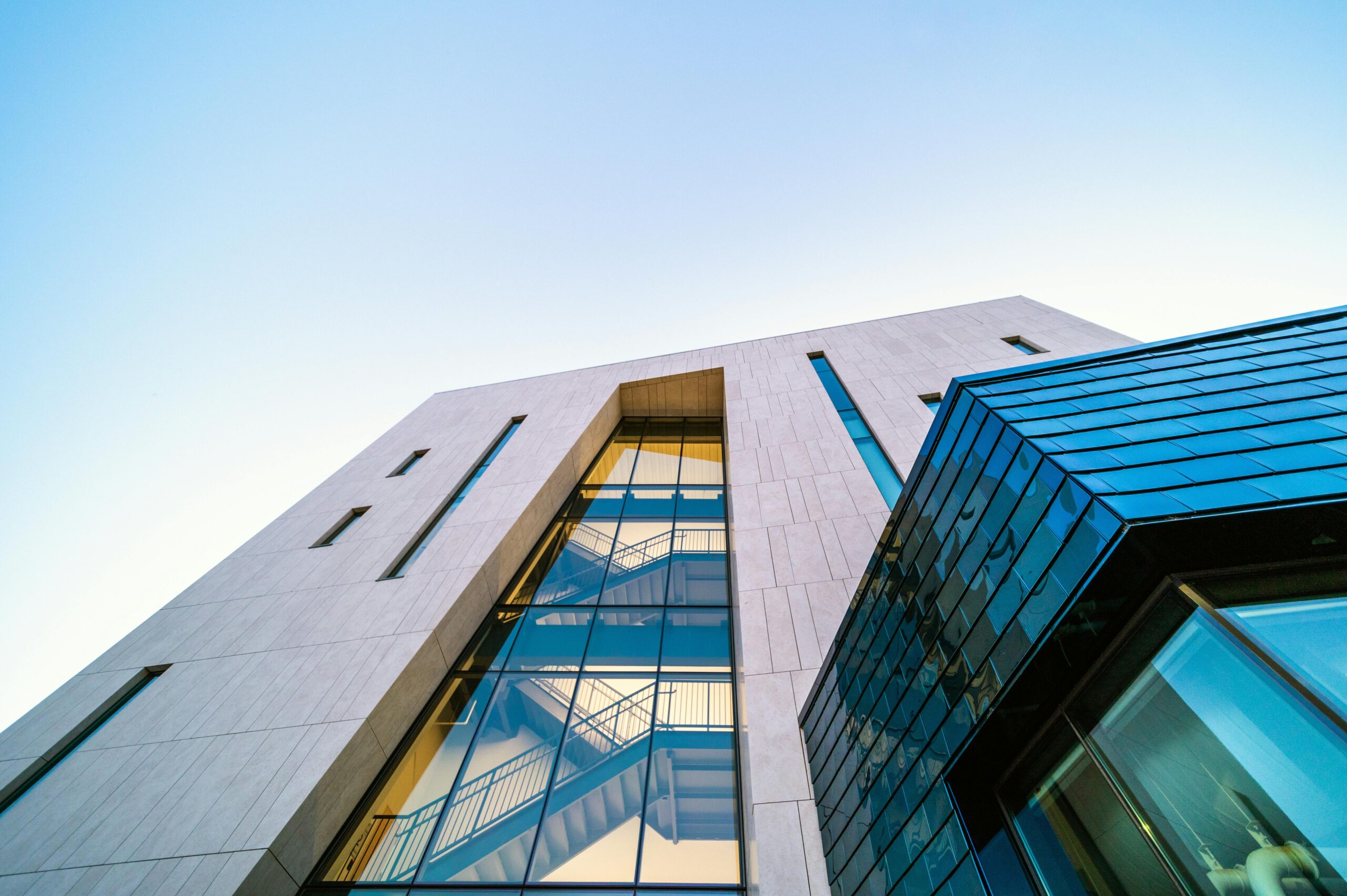
The construction industry stands at the threshold of a transformative era, where advanced materials are reshaping how we design, build, and maintain structures for the modern world.

🏗️ The Dawn of Intelligent Construction Materials
Traditional construction methods that have dominated the industry for centuries are rapidly evolving. Today’s construction landscape demands more than basic concrete, steel, and wood. The emergence of smart building technologies has created an unprecedented need for materials that can interact with their environment, respond to changing conditions, and contribute to sustainable urban development.
Advanced materials in construction represent a paradigm shift from passive building components to active, responsive systems. These innovative solutions integrate cutting-edge science, nanotechnology, and digital connectivity to create structures that are not only stronger and more durable but also intelligent and environmentally conscious.
The global construction industry has recognized this transformation as essential for addressing contemporary challenges such as climate change, resource scarcity, urbanization pressures, and the growing demand for energy-efficient buildings. Smart materials are no longer futuristic concepts—they are becoming standard requirements in modern construction projects worldwide.
Self-Healing Concrete: The Future of Infrastructure Longevity
One of the most revolutionary developments in construction materials is self-healing concrete. This remarkable innovation addresses one of the construction industry’s most persistent problems: concrete degradation and cracking. Traditional concrete repairs are costly, labor-intensive, and often temporary solutions.
Self-healing concrete incorporates biological or chemical agents that activate when cracks form. Bacterial concrete, for instance, contains dormant bacteria that become active when water penetrates cracks. These bacteria produce limestone, effectively sealing the crack and preventing further damage. This biomimetic approach extends infrastructure lifespan by decades, dramatically reducing maintenance costs and environmental impact.
The implications for smart buildings are profound. Structures equipped with self-healing concrete require less intervention, maintain structural integrity longer, and reduce the carbon footprint associated with constant repairs and renovations. Major infrastructure projects in the Netherlands, Belgium, and the United Kingdom have already begun implementing this technology with impressive results.
Economic and Environmental Benefits
The financial advantages of self-healing concrete extend beyond maintenance savings. Buildings constructed with these materials maintain their value better over time, reduce insurance costs, and minimize disruption to occupants. From an environmental perspective, the reduction in repair materials and associated transportation creates a significantly smaller carbon footprint.
🌡️ Thermochromic and Phase-Change Materials
Energy efficiency ranks among the top priorities in modern construction, and smart materials are delivering breakthrough solutions. Thermochromic materials change their properties in response to temperature variations, while phase-change materials (PCMs) absorb and release thermal energy during phase transitions.
Thermochromic windows automatically adjust their tinting based on sunlight intensity, reducing cooling loads during summer while maximizing natural light and heat during winter. These windows eliminate the need for blinds or curtains while optimizing energy consumption without human intervention.
Phase-change materials embedded in walls, ceilings, or floors act as thermal batteries. They absorb excess heat during the day and release it when temperatures drop, naturally regulating indoor climate. This passive temperature control significantly reduces HVAC system dependency, cutting energy consumption by up to 30% in some applications.
Smart buildings incorporating these materials create comfortable environments while minimizing energy waste. The integration with building management systems allows for precise control and optimization based on occupancy patterns, weather forecasts, and energy pricing, creating truly intelligent structures.
Transparent Aluminum and Advanced Glazing Systems
The development of transparent aluminum (aluminum oxynitride) and advanced glazing technologies has revolutionized building facades and security applications. This material combines the clarity of glass with strength exceeding traditional bulletproof glass while being significantly lighter.
Modern glazing systems now incorporate multiple functions: energy generation through integrated photovoltaic cells, dynamic privacy control through electrochromic technology, and structural support capabilities. These multifunctional facades transform building exteriors from passive barriers into active, productive building components.
The aesthetic possibilities are equally impressive. Architects now design structures with unprecedented transparency and lightness while maintaining safety, security, and energy performance standards. This material revolution has enabled iconic architectural designs previously impossible with conventional materials.
💡 Piezoelectric Materials: Harvesting Energy from Movement
Piezoelectric materials generate electricity when subjected to mechanical stress, opening fascinating possibilities for smart buildings. Floors incorporating piezoelectric tiles convert footsteps into electrical energy, while piezoelectric building facades harness wind and vibration energy.
While individual energy generation might seem modest, the cumulative effect in high-traffic buildings is substantial. Airports, shopping centers, train stations, and office buildings with thousands of daily visitors can generate meaningful amounts of electricity from previously wasted kinetic energy.
Beyond energy harvesting, piezoelectric sensors embedded throughout structures provide real-time data on structural health, detecting stress, vibration, and potential damage before visible symptoms appear. This predictive maintenance capability prevents catastrophic failures and extends building lifespan.
Integration with Smart Building Systems
When connected to building management systems, piezoelectric sensors create comprehensive structural monitoring networks. These systems analyze vibration patterns, occupancy levels, and structural responses to environmental conditions, enabling data-driven maintenance decisions and optimizing building performance continuously.
Aerogel Insulation: Extreme Performance in Minimal Space
Aerogels represent the pinnacle of insulation technology. Dubbed “frozen smoke” due to their translucent, ethereal appearance, aerogels offer thermal insulation properties far superior to traditional materials while occupying minimal space.
This extraordinary material is 99% air, making it incredibly lightweight yet remarkably effective. Aerogel insulation panels can achieve the same thermal performance as conventional insulation using one-tenth the thickness. This space-saving characteristic is invaluable in urban construction where every square centimeter matters.
Smart buildings benefit from aerogel insulation through reduced energy consumption, increased usable floor space, and improved occupant comfort. The material’s hydrophobic properties also prevent moisture accumulation, eliminating mold and degradation issues common with traditional insulation.
Applications extend beyond walls and roofs. Aerogel blankets wrap pipes, windows incorporate aerogel layers for superior thermal performance, and foundation insulation prevents thermal bridging. Despite higher initial costs, the long-term energy savings and space optimization justify the investment in premium developments.
🔬 Graphene-Enhanced Materials: Strength Meets Conductivity
Graphene, a single layer of carbon atoms arranged in hexagonal lattice, has captured scientific imagination due to its extraordinary properties. This material is 200 times stronger than steel, extremely lightweight, flexible, and an excellent conductor of heat and electricity.
Incorporating graphene into construction materials creates composites with unprecedented characteristics. Graphene-enhanced concrete exhibits increased strength, reduced weight, and improved conductivity for integrated heating systems or structural health monitoring. Even small graphene additions dramatically improve material performance.
The conductive properties enable innovative applications. Graphene-infused concrete can function as a heating element, eliminating the need for separate heating systems in floors or driveways. The same conductivity allows structures to become part of the building’s sensor network, detecting cracks, moisture, and structural changes.
Research continues to unlock graphene’s potential in construction. Future applications may include self-sensing structural elements, electromagnetic shielding for sensitive facilities, and ultra-high-strength components that revolutionize architectural possibilities.
Smart Glass Technology: Adapting to Environmental Conditions
Smart glass technologies have evolved far beyond simple tinting. Modern electrochromic, suspended-particle, and liquid crystal glass systems offer instant control over transparency, light transmission, and thermal properties through electrical signals.
These dynamic glazing systems integrate seamlessly with building automation, adjusting automatically based on sunlight intensity, outdoor temperature, occupancy, and user preferences. The energy savings are substantial—smart glass reduces cooling loads by up to 20% while maintaining natural lighting benefits.
Privacy control represents another valuable application. Conference rooms, healthcare facilities, and residential spaces can transition from transparent to opaque instantly, eliminating curtains, blinds, or physical barriers. This functionality creates flexible, adaptable spaces that serve multiple purposes efficiently.
Photovoltaic Integration
Advanced smart glass now incorporates transparent photovoltaic technology, simultaneously generating electricity while providing climate control and visibility. This dual functionality transforms building facades from energy consumers to energy producers, contributing significantly to net-zero energy building goals.
🌿 Biomaterials: Sustainable Solutions from Nature
The construction industry’s environmental impact has driven intensive research into biomaterials—sustainable, renewable alternatives to conventional construction materials. Engineered bamboo, cross-laminated timber, mycelium-based materials, and hempcrete offer compelling environmental and performance advantages.
Cross-laminated timber (CLT) has emerged as a legitimate alternative to concrete and steel for mid-rise construction. CLT panels offer excellent strength-to-weight ratios, natural insulation properties, and significantly lower embodied carbon. Prefabricated CLT construction also accelerates project timelines and reduces site waste.
Mycelium, the root structure of fungi, can be grown into specific shapes and densities, creating biodegradable insulation, acoustic panels, and even structural components. This completely renewable material grows from agricultural waste in days, requires minimal energy, and biodegrades harmlessly at end-of-life.
Hempcrete, made from hemp fibers and lime, provides excellent insulation, moisture regulation, and carbon sequestration. Buildings constructed with hempcrete actually improve air quality over time, creating healthier indoor environments while storing atmospheric carbon permanently.
Responsive Facade Systems: Buildings That Breathe
Advanced facade systems incorporating kinetic elements, adaptive shading, and responsive materials create building exteriors that actively respond to environmental conditions. These “living” facades optimize daylight, ventilation, and thermal performance automatically throughout the day and seasons.
Kinetic facades feature movable elements that adjust position based on sun angle, wind direction, and internal conditions. These dynamic systems maximize natural ventilation and daylight while minimizing solar heat gain, dramatically reducing mechanical heating and cooling requirements.
Breathing walls incorporate materials with variable permeability, allowing moisture and air exchange to occur naturally while maintaining thermal insulation. This biomimetic approach prevents moisture accumulation, improves indoor air quality, and reduces HVAC dependency.
🔧 Implementation Challenges and Future Directions
Despite remarkable potential, advanced materials face implementation barriers. Higher initial costs, limited supplier networks, and conservative building codes slow adoption. Many contractors and architects lack familiarity with these materials, creating resistance to specification and installation.
Education and demonstration projects are essential for broader adoption. Successful implementations showcasing long-term performance, cost savings, and environmental benefits encourage wider acceptance. Government incentives, updated building codes recognizing advanced materials, and industry standards development accelerate market transformation.
Research continues advancing material capabilities and reducing costs. Nanotechnology applications, artificial intelligence-driven material design, and additive manufacturing promise even more revolutionary materials. The next decade will likely see materials that self-assemble, adapt autonomously to conditions, and integrate seamlessly with digital building systems.
The Integrated Future: Materials Meet Digital Systems
The true revolution occurs when advanced materials integrate fully with digital building systems. Internet of Things sensors, artificial intelligence, and machine learning transform smart materials into components of building-wide intelligence networks.
Imagine structures that continuously monitor their own health, predict maintenance needs, optimize energy consumption based on occupancy and weather forecasts, and adapt environmental conditions to occupant preferences automatically. This convergence of advanced materials and digital intelligence creates buildings that function more like living organisms than static structures.
Digital twins—virtual replicas of physical buildings—leverage data from smart materials to simulate performance, test scenarios, and optimize operations without physical experimentation. This capability revolutionizes building management, design iteration, and long-term planning.
🌍 Global Impact and Sustainability Transformation
The construction industry accounts for approximately 40% of global carbon emissions and consumes enormous quantities of natural resources. Advanced materials offer realistic pathways to dramatically reduce this impact while improving building performance and occupant wellbeing.
Buildings constructed with smart, sustainable materials require less energy throughout their lifecycle, generate less waste, and adapt better to changing climate conditions. As extreme weather events become more frequent, resilient materials that self-repair, regulate temperature passively, and withstand environmental stresses become increasingly valuable.
The economic case strengthens as material costs decrease and energy prices rise. Life-cycle cost analysis increasingly favors advanced materials despite higher initial investments. Insurance companies recognize superior performance with reduced premiums, while occupants enjoy healthier, more comfortable environments and lower utility costs.
Urban sustainability goals depend heavily on building stock transformation. Retrofitting existing buildings with advanced materials—smart windows, aerogel insulation, responsive facades—offers practical pathways to achieving carbon neutrality targets without demolishing and rebuilding entire cities.
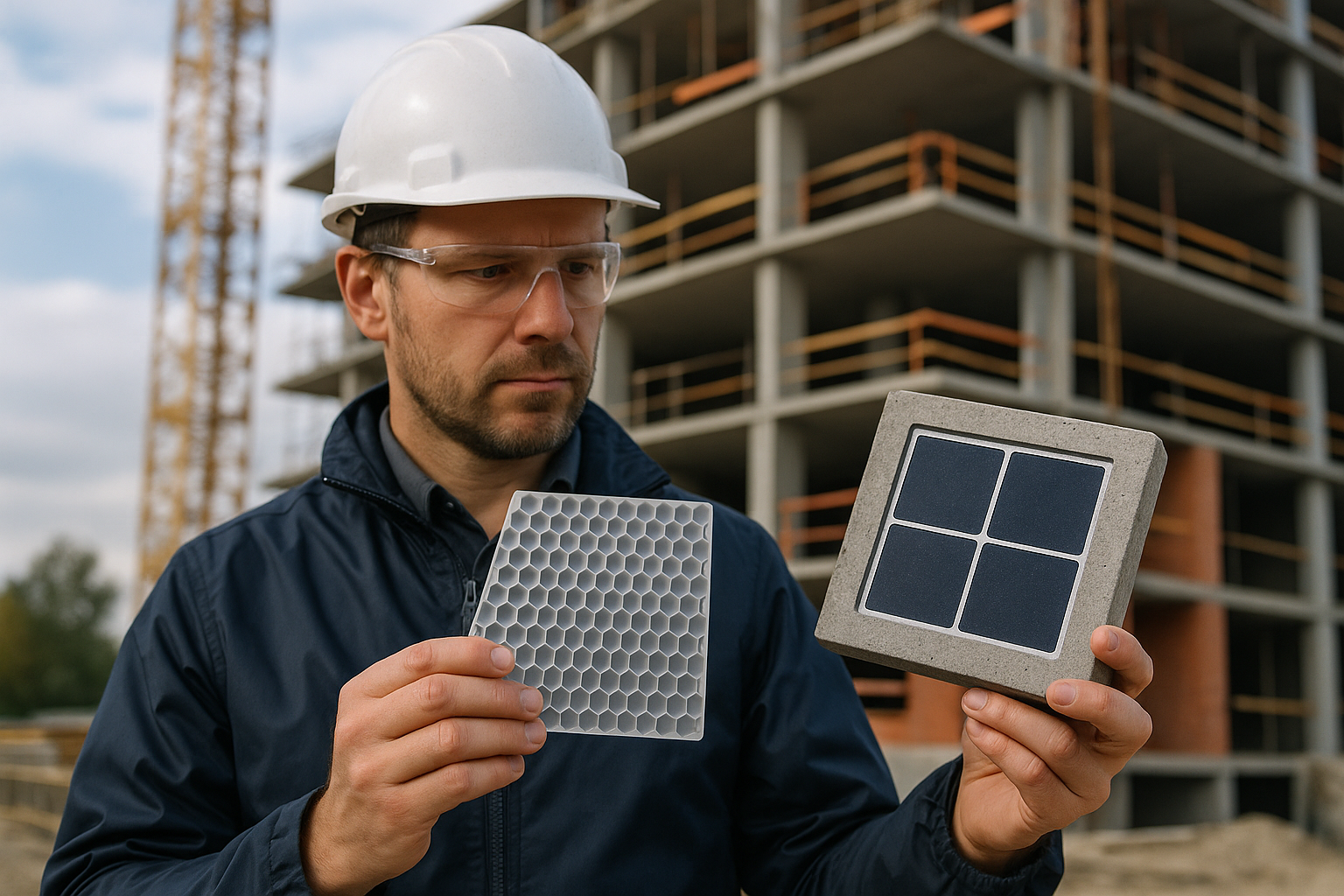
Shaping Tomorrow’s Built Environment
Advanced materials are not simply improving construction—they are fundamentally reimagining what buildings can be and do. Structures are transforming from passive shelters into active participants in urban ecosystems, generating energy, purifying air, managing water, and adapting continuously to serve occupants and communities better.
The construction industry’s digital transformation and materials revolution are inseparable trends converging to create unprecedented opportunities. Professionals embracing these changes position themselves at the forefront of industry evolution, while those resisting face obsolescence in an increasingly sophisticated marketplace.
Success requires collaboration across disciplines—materials scientists, architects, engineers, contractors, and software developers must work together to realize advanced materials’ full potential. Educational institutions must update curricula, professional organizations must develop new standards, and policymakers must create frameworks supporting innovation while ensuring safety and performance.
The buildings we construct today will serve communities for decades or centuries. Choosing advanced materials ensures these structures remain relevant, efficient, and valuable throughout their lifespan, adapting to technological advances and environmental changes we cannot yet predict. This forward-thinking approach represents responsible stewardship of resources and commitment to sustainable development.
The revolution in construction materials is well underway, driven by technological innovation, environmental necessity, and economic opportunity. Smart buildings powered by advanced materials represent not just better construction—they embody a fundamental shift toward harmony between built and natural environments, creating spaces that enhance human life while respecting planetary boundaries. The future of construction is here, and it is intelligent, sustainable, and extraordinarily promising. 🏢✨