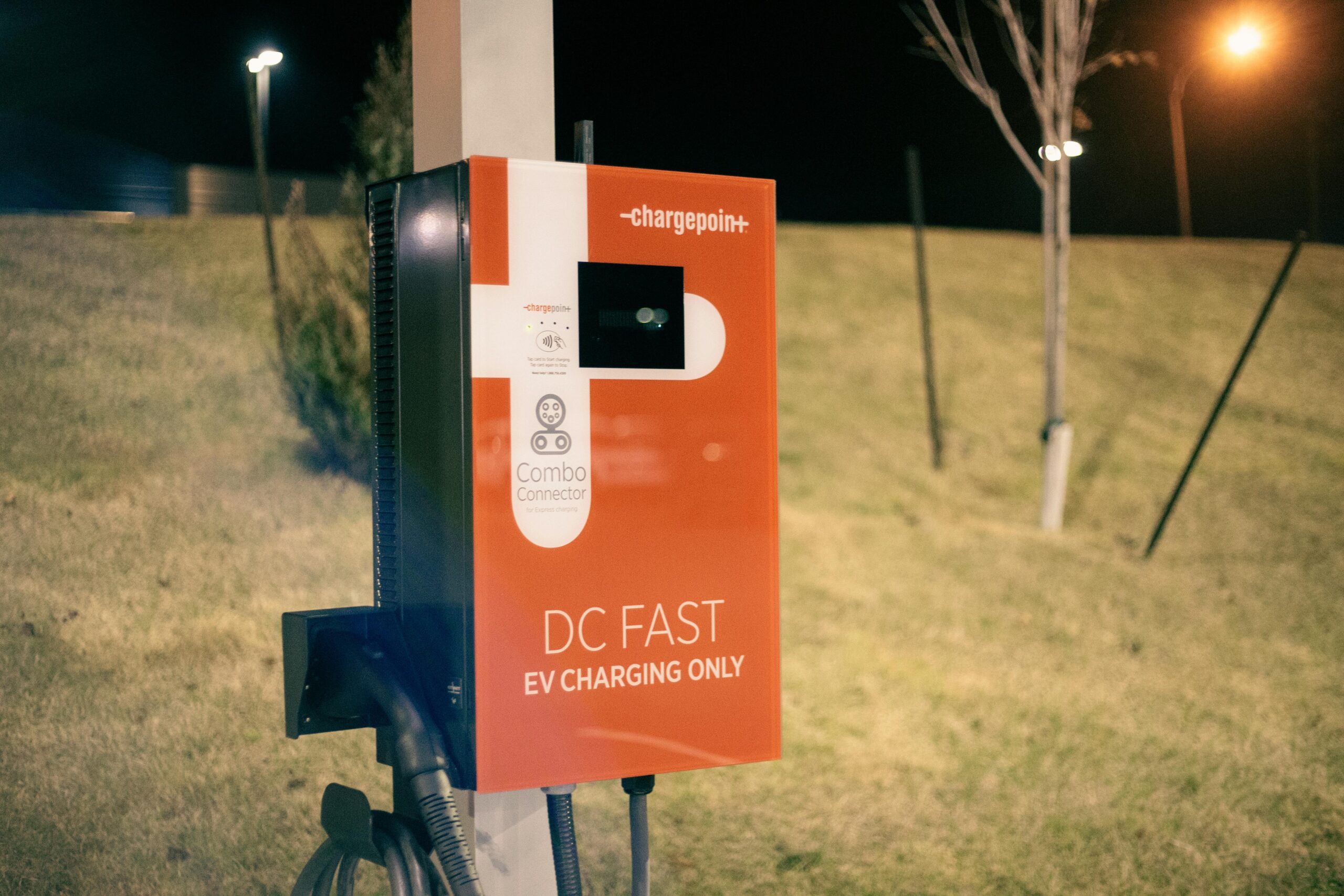
Modern energy systems demand smarter solutions. Integrated utility and grid management systems are revolutionizing how we distribute, monitor, and optimize power resources globally.

🔌 Understanding the Foundation of Modern Grid Infrastructure
The evolution of utility management has transformed dramatically over the past decade. Traditional power grids, once simple one-way distribution networks, have evolved into complex, bidirectional systems capable of handling renewable energy sources, distributed generation, and real-time data analytics. This transformation represents one of the most significant technological shifts in the energy sector’s history.
Integrated utility and grid management systems combine hardware, software, and communication technologies to create a cohesive ecosystem. These systems monitor everything from generation facilities to individual consumption points, enabling utilities to make informed decisions based on real-time data. The integration extends beyond simple monitoring, incorporating predictive analytics, automated response mechanisms, and advanced forecasting capabilities.
The complexity of modern electrical grids requires sophisticated management tools. With the increasing penetration of renewable energy sources, electric vehicles, and distributed energy resources, grid operators face unprecedented challenges. Integrated management systems provide the visibility and control necessary to maintain grid stability while accommodating these new variables.
💡 Core Components Driving Integration Success
Successful integrated utility management relies on several interconnected components working in harmony. Each element plays a crucial role in creating a comprehensive system capable of meeting modern energy demands.
Advanced Metering Infrastructure
Smart meters form the foundation of data collection in modern grids. These devices provide granular consumption data, enabling utilities to understand usage patterns at unprecedented levels of detail. Advanced metering infrastructure (AMI) facilitates two-way communication between utilities and consumers, supporting dynamic pricing models and demand response programs.
The data collected through smart meters feeds into broader analytics platforms, where machine learning algorithms identify patterns, detect anomalies, and predict future consumption trends. This information proves invaluable for capacity planning, maintenance scheduling, and operational optimization.
Supervisory Control and Data Acquisition Systems
SCADA systems provide real-time monitoring and control of grid infrastructure. These platforms aggregate data from substations, transmission lines, and distribution networks, presenting operators with comprehensive visibility into system performance. Modern SCADA implementations incorporate cybersecurity measures to protect critical infrastructure from emerging threats.
The integration of SCADA with other management systems creates a unified operational picture. Operators can correlate weather data, consumption patterns, and equipment status to make proactive decisions that prevent outages and optimize resource allocation.
Distribution Management Systems
Distribution management systems (DMS) focus specifically on the distribution network, providing tools for network analysis, fault location, and service restoration. These systems use advanced algorithms to optimize switching operations, balance loads, and minimize losses throughout the distribution network.
Modern DMS platforms incorporate geographic information systems (GIS) to visualize network topology and asset locations. This spatial awareness enables faster response times during outages and more efficient planning for network expansions or upgrades.
🚀 Operational Benefits Transforming the Industry
The implementation of integrated utility and grid management systems delivers measurable benefits across multiple operational dimensions. These improvements translate directly into enhanced service quality, reduced costs, and increased system reliability.
Enhanced Grid Reliability and Resilience
Integrated systems significantly improve grid reliability through predictive maintenance and faster fault detection. By continuously monitoring equipment health and performance metrics, utilities can identify potential failures before they occur. This proactive approach reduces unplanned outages and extends asset lifespans.
When outages do occur, integrated systems accelerate restoration efforts. Automated fault location, isolation, and service restoration (FLISR) capabilities minimize the number of affected customers and reduce outage duration. Some advanced systems can reroute power automatically, restoring service to many customers within seconds.
Optimized Asset Utilization
Comprehensive visibility into asset performance enables utilities to maximize the value of existing infrastructure. Load balancing capabilities ensure transformers and transmission lines operate within optimal ranges, preventing premature wear and avoiding costly emergency replacements.
Analytics platforms identify underutilized assets and overloaded equipment, informing strategic decisions about capacity additions and system reinforcements. This data-driven approach to asset management reduces capital expenditures while maintaining service quality.
Demand Response and Load Management
Integrated systems enable sophisticated demand response programs that align consumption with generation capacity. During peak demand periods, utilities can implement targeted load reduction strategies, avoiding the need to activate expensive peaking power plants or purchase power at premium rates.
Real-time pricing programs, facilitated by integrated systems, incentivize consumers to shift consumption to off-peak hours. This load shifting reduces strain on infrastructure and lowers overall system costs, benefits that can be passed on to consumers.
🌱 Enabling the Clean Energy Transition
The integration of renewable energy sources presents unique challenges that traditional grid management approaches cannot adequately address. Integrated utility management systems provide essential capabilities for accommodating high penetrations of solar, wind, and other variable renewable resources.
Managing Variability and Intermittency
Solar and wind generation fluctuate based on weather conditions, creating variability that must be managed to maintain grid stability. Advanced forecasting algorithms, integrated with weather data and historical generation patterns, predict renewable output hours or days in advance. These forecasts enable operators to schedule conventional generation and storage resources to compensate for renewable variability.
Real-time monitoring of distributed generation resources provides visibility into localized production, allowing operators to identify potential voltage issues or reverse power flows before they cause problems. Automated voltage regulation systems adjust transformer taps and reactive power resources to maintain voltage within acceptable ranges.
Energy Storage Integration
Battery energy storage systems play an increasingly important role in grid management, and integrated systems optimize their operation. These platforms determine optimal charging and discharging schedules based on grid conditions, electricity prices, and renewable generation forecasts.
Storage systems can provide multiple grid services simultaneously, including frequency regulation, voltage support, and energy arbitrage. Integrated management systems coordinate these services to maximize the value delivered by storage assets while ensuring they’re available when most needed.
📊 Data Analytics Powering Intelligent Decisions
The massive volumes of data generated by modern grid infrastructure contain valuable insights that can drive operational improvements. Advanced analytics platforms transform raw data into actionable intelligence.
Predictive Maintenance Applications
Machine learning models analyze historical equipment data to identify patterns preceding failures. These models assign risk scores to individual assets, allowing utilities to prioritize maintenance activities and allocate resources efficiently. Predictive maintenance reduces costs compared to time-based maintenance schedules while improving reliability.
Thermal imaging data, vibration sensors, and partial discharge monitoring feed into predictive models, providing early warning signs of equipment degradation. This multi-sensor approach increases prediction accuracy and reduces false positives.
Load Forecasting and Planning
Accurate load forecasting is essential for efficient grid operation. Integrated systems employ sophisticated algorithms that consider weather forecasts, historical consumption patterns, economic indicators, and special events to predict demand at various time horizons.
Short-term forecasts support operational decisions, while long-term forecasts inform infrastructure investment strategies. The accuracy of these forecasts directly impacts operational costs and reliability performance.
🔐 Cybersecurity in Connected Infrastructure
As grid infrastructure becomes increasingly connected and digital, cybersecurity emerges as a critical concern. Integrated utility management systems must incorporate robust security measures to protect against evolving threats.
Modern security architectures employ defense-in-depth strategies, implementing multiple layers of protection. Network segmentation isolates critical systems from less secure environments, while intrusion detection systems monitor for suspicious activities. Regular security audits and penetration testing identify vulnerabilities before malicious actors can exploit them.
The human element remains crucial in cybersecurity. Comprehensive training programs ensure operators and administrators understand security best practices and recognize potential threats. Incident response plans prepare organizations to respond effectively to security breaches, minimizing potential damage.
💰 Financial Impact and Return on Investment
While integrated utility and grid management systems require significant upfront investment, they deliver substantial financial returns through operational efficiencies and avoided costs.
Quantifiable Benefits
Utilities implementing comprehensive integrated systems typically realize savings through multiple channels. Reduced outage duration translates directly to avoided revenue loss and fewer customer service calls. Optimized asset utilization extends equipment lifespans, deferring capital expenditures.
Energy losses, which can consume five to ten percent of generated power, decrease through better voltage management and load balancing. For large utilities, even modest reductions in losses represent millions of dollars in annual savings.
Customer Satisfaction and Retention
Improved reliability and power quality enhance customer satisfaction, reducing churn in competitive markets. Advanced communication capabilities enabled by integrated systems allow utilities to provide customers with detailed usage information and proactive outage notifications, further improving the customer experience.
Innovative rate structures and programs, facilitated by integrated systems, attract environmentally conscious consumers and those seeking greater control over their energy costs. These differentiated offerings can provide competitive advantages in deregulated markets.
🌐 Implementation Strategies for Success
Successfully implementing integrated utility and grid management systems requires careful planning and a phased approach. Organizations must consider technical, organizational, and cultural factors to maximize the value of these investments.
Starting with Clear Objectives
Utilities should begin by defining specific, measurable objectives for their integrated systems. Whether the focus is improving reliability, reducing operational costs, or enabling renewable integration, clear goals guide technology selection and implementation priorities.
Stakeholder engagement throughout the planning process ensures the system meets the needs of various user groups, from operations staff to executives. This inclusive approach increases adoption and maximizes system utilization.
Phased Deployment Approaches
Rather than attempting a complete transformation overnight, successful implementations typically follow phased approaches. Starting with pilot projects in limited geographic areas allows utilities to refine processes and address unforeseen challenges before broader deployment.
Each phase should deliver tangible value, maintaining organizational momentum and justifying continued investment. Quick wins early in the implementation process build confidence and demonstrate the system’s potential.
Integration with Legacy Systems
Most utilities operate legacy systems that cannot be immediately replaced. Effective integration strategies accommodate existing infrastructure while providing migration paths to newer technologies. Open standards and well-documented APIs facilitate integration between disparate systems.
Middleware platforms can bridge gaps between old and new technologies, ensuring data flows seamlessly across the enterprise. This approach protects existing investments while enabling modernization.
🔮 Future Trends Shaping Grid Management
The evolution of integrated utility and grid management systems continues accelerating, driven by technological advances and changing energy landscapes. Several emerging trends will shape the future of grid management.
Artificial Intelligence and Automation
Artificial intelligence applications in grid management are expanding beyond predictive maintenance and load forecasting. Autonomous grid operation, where AI systems make real-time decisions without human intervention, is becoming feasible. These systems can respond to changing conditions faster than human operators, potentially improving reliability and efficiency.
However, the transition to AI-driven operations raises important questions about accountability, transparency, and safety. Regulatory frameworks must evolve to address these concerns while enabling beneficial applications of AI technology.
Edge Computing and Distributed Intelligence
Processing data at the edge of the network, closer to where it’s generated, reduces latency and bandwidth requirements. Edge computing enables faster response times for time-critical applications like voltage regulation and fault detection. Distributed intelligence also enhances system resilience by reducing dependence on centralized processing facilities.
Blockchain for Energy Transactions
Blockchain technology offers potential applications in peer-to-peer energy trading, renewable energy certificate tracking, and transparent settlement processes. While still emerging, blockchain could enable new business models and market structures that integrated management systems will need to support.
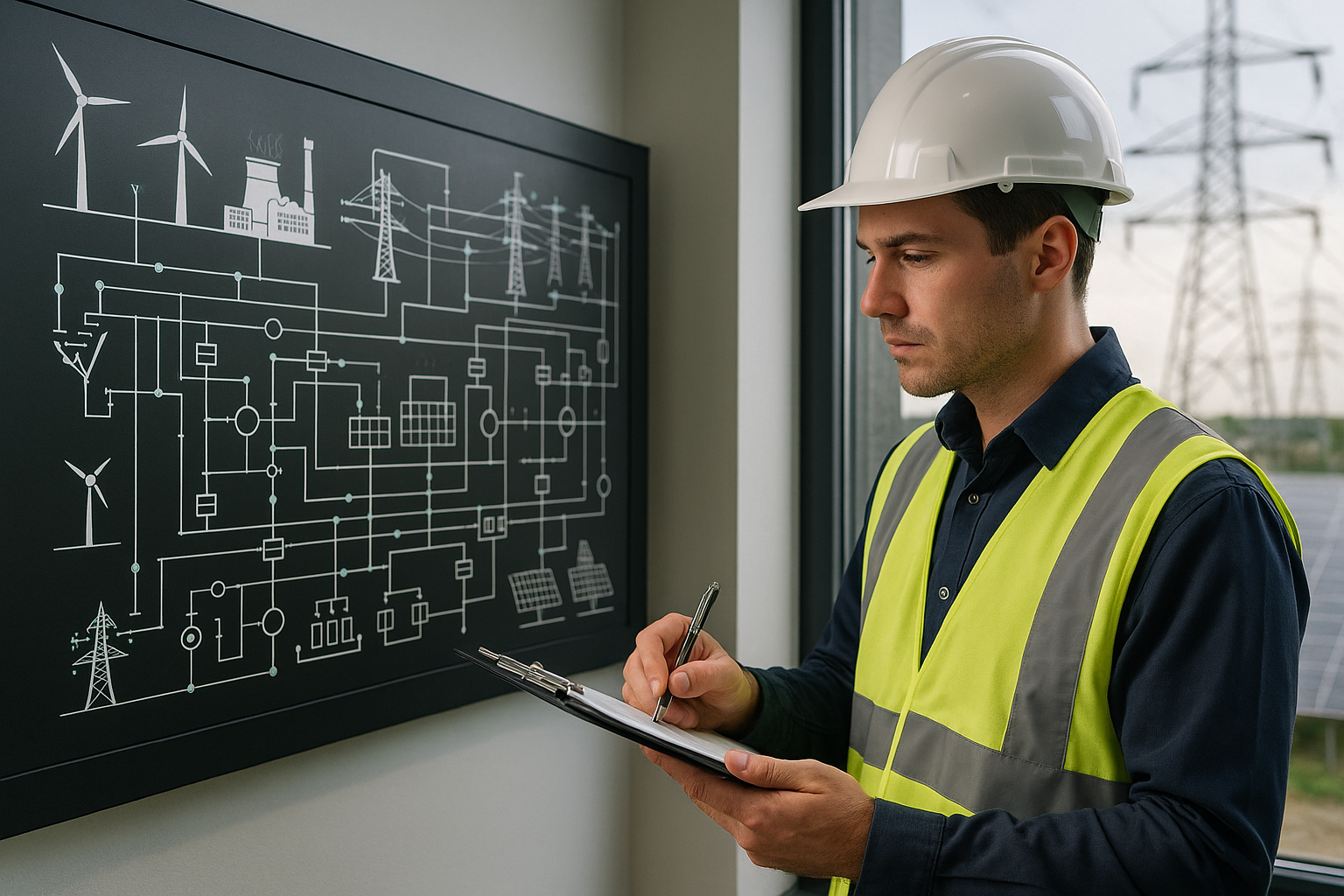
🎯 Realizing the Full Potential of Integration
The power of integrated utility and grid management systems lies not in individual components but in their synergistic combination. When data flows seamlessly between subsystems, and analytics inform automated responses, utilities achieve operational excellence previously unattainable.
Organizations that successfully implement these systems position themselves for the challenges ahead, from accommodating electric vehicle charging to managing distributed energy resources. The initial investment and effort required pale in comparison to the long-term benefits of enhanced reliability, reduced costs, and improved customer satisfaction.
As the energy landscape continues evolving, integrated management systems will become increasingly essential. Utilities that embrace these technologies today will be better prepared for tomorrow’s challenges, maintaining grid stability while enabling the clean energy transition. The question is no longer whether to invest in integrated systems, but how quickly organizations can deploy them to realize their transformative potential.
The future of energy management is integrated, intelligent, and indispensable. Organizations that recognize this reality and act accordingly will lead the industry into a more efficient, sustainable, and resilient era.