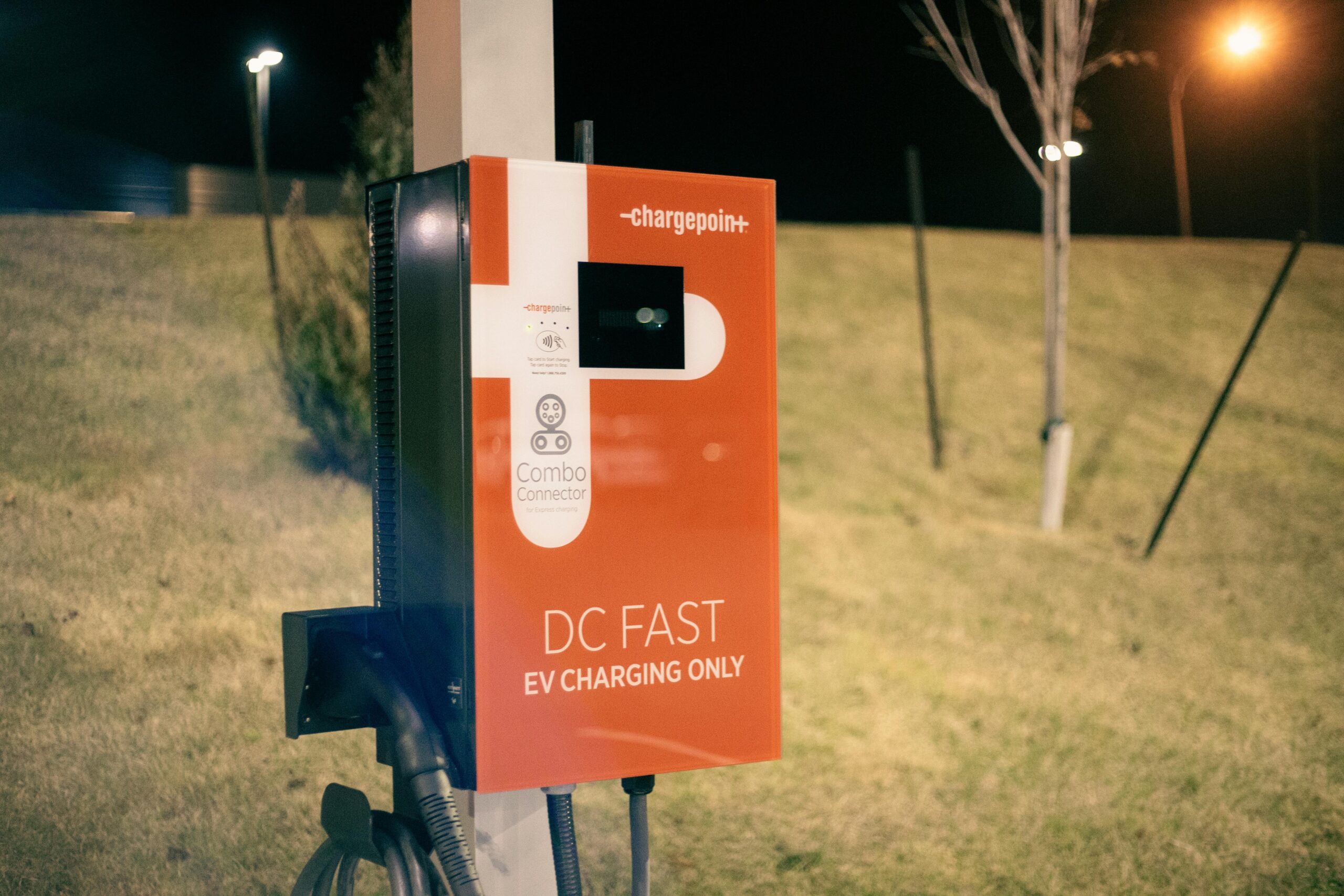
Climate change and population growth have made resilient infrastructure essential for protecting communities from increasingly severe natural disasters and ensuring sustainable urban development worldwide.

🌍 The Rising Cost of Fragile Infrastructure
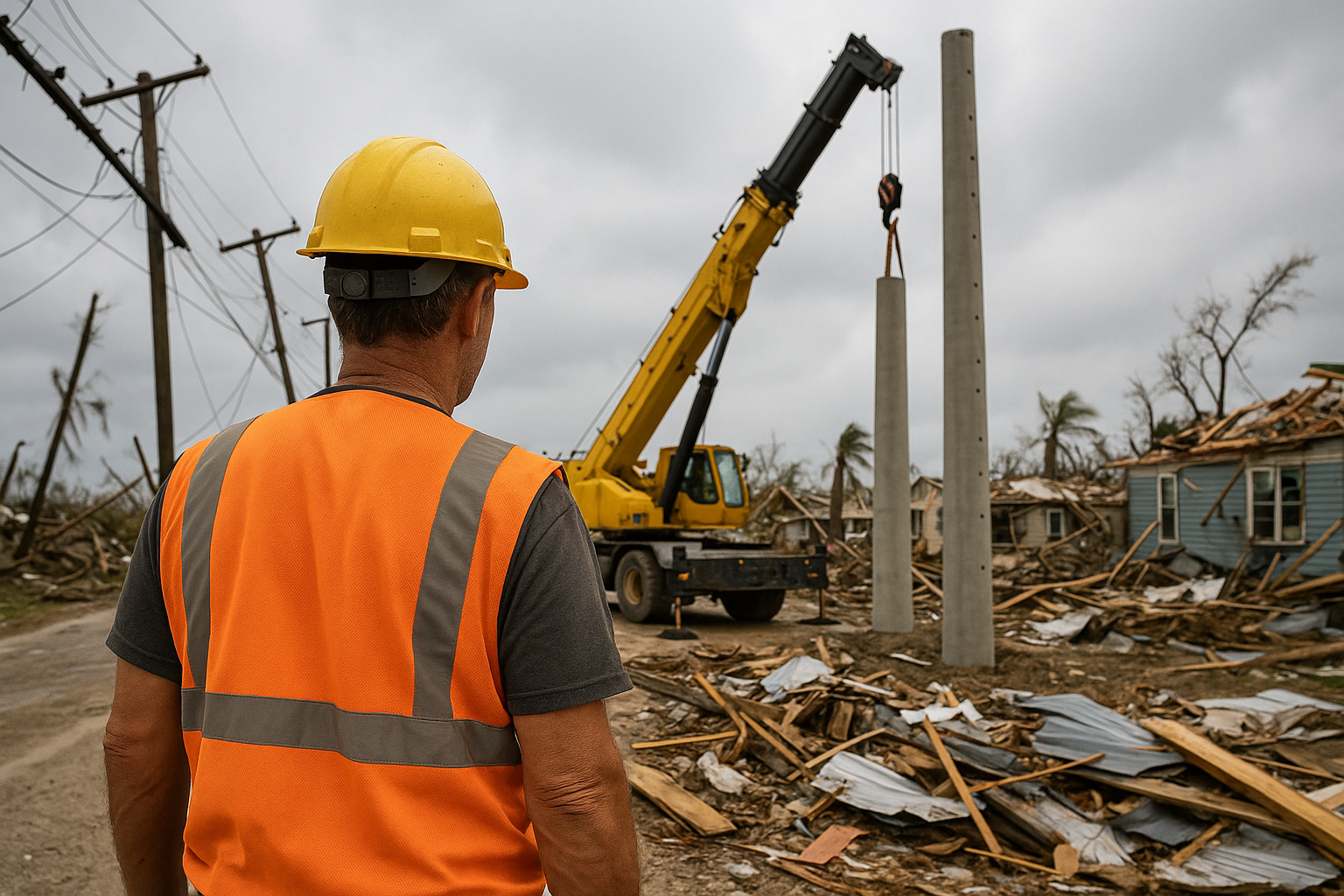
Natural disasters have inflicted unprecedented damage on infrastructure systems across the globe in recent years. From devastating hurricanes flattening coastal communities to wildfires consuming entire neighborhoods, the vulnerability of our built environment has never been more apparent. The economic toll alone reaches hundreds of billions of dollars annually, but the human cost—lives lost, communities displaced, and livelihoods destroyed—cannot be measured in financial terms alone.
Traditional infrastructure design approaches, developed during periods of relatively stable climate patterns, are proving inadequate for today’s challenges. Engineers and urban planners now face a critical imperative: reimagining how we build, maintain, and protect the physical systems that underpin modern civilization. This transformation requires not just incremental improvements but fundamental shifts in design philosophy, material selection, and construction methodologies.
The World Bank estimates that investing in resilient infrastructure could save up to $4 trillion globally by 2030. This staggering figure represents avoided losses from disasters, reduced repair costs, and enhanced economic productivity. Yet despite these compelling economic arguments, many regions continue building infrastructure using outdated standards that guarantee future vulnerability.
Understanding Resilience: Beyond Simple Strength
Resilient infrastructure transcends mere structural robustness. While strength remains important, true resilience encompasses adaptability, redundancy, and rapid recovery capabilities. A resilient system doesn’t just withstand stress—it absorbs impacts, maintains critical functions during disruptions, and recovers quickly when damage occurs.
This multifaceted concept requires infrastructure that can flex without breaking, systems with backup capabilities when primary components fail, and designs that anticipate multiple failure scenarios. Engineers now employ sophisticated modeling techniques to simulate various disaster scenarios, identifying potential weak points before construction begins.
Key Principles of Resilient Design
- Redundancy: Multiple pathways for essential services ensure continuity when primary systems fail
- Diversity: Varied approaches and materials reduce vulnerability to single-point failures
- Modularity: Self-contained units that can function independently during broader system disruptions
- Adaptability: Flexible designs that can evolve with changing environmental conditions
- Integration: Connected systems that share information and resources during emergencies
🏗️ Engineering Solutions for Natural Disaster Resistance
Modern engineering offers numerous innovative approaches to building disaster-resistant infrastructure. These solutions range from ancient wisdom refined through modern technology to cutting-edge materials and construction techniques developed specifically for extreme conditions.
Seismic isolation systems, for example, use specialized bearings and dampers to decouple buildings from ground motion during earthquakes. This technology, now standard in high-risk regions like Japan and California, allows structures to remain stable even during severe tremors. Buildings equipped with base isolation have consistently outperformed conventional structures during major seismic events.
Flood-resistant design takes multiple forms depending on local conditions. In coastal areas, elevated construction on pilings keeps critical infrastructure above anticipated surge levels. Amphibious foundations allow buildings to float upward during flooding, then settle back into place as waters recede. Permeable pavements and green infrastructure reduce runoff while providing aesthetic and ecological benefits.
Material Innovation Driving Progress
Advanced materials play crucial roles in resilient infrastructure development. High-performance concrete formulations resist degradation from saltwater exposure, freeze-thaw cycles, and chemical attacks. Fiber-reinforced polymers provide exceptional strength-to-weight ratios, enabling structures that withstand extreme forces while remaining lightweight and flexible.
Self-healing concrete represents a particularly promising innovation. Embedded capsules or bacteria produce limestone when cracks form, automatically sealing minor damage before it propagates. This technology could dramatically extend infrastructure lifespans while reducing maintenance costs and improving disaster resistance.
Shape-memory alloys return to their original configuration after deformation, making them ideal for structures subjected to repeated stress. These materials are increasingly used in bridges, buildings, and other critical infrastructure where post-disaster functionality is essential.
Smart Infrastructure: Technology as a Resilience Multiplier
Digital technologies are revolutionizing how we design, monitor, and manage infrastructure systems. Internet-of-Things sensors embedded throughout structures provide real-time data on stress levels, material degradation, and environmental conditions. This continuous monitoring enables predictive maintenance, identifying potential failures before they occur.
Artificial intelligence and machine learning algorithms process vast data streams, detecting subtle patterns that might indicate developing problems. These systems learn from each event, continuously improving their predictive capabilities and helping engineers design more resilient structures based on real-world performance data.
Geographic Information Systems (GIS) integrate multiple data layers—topography, hydrology, population density, infrastructure locations—enabling comprehensive risk assessments and optimal resource allocation during planning and emergency response. These platforms help communities visualize vulnerability patterns and prioritize resilience investments where they’ll have the greatest impact.
🔌 Energy Resilience and Microgrids
Power infrastructure vulnerability represents one of the most critical resilience challenges. Centralized electrical grids, while efficient under normal conditions, prove highly susceptible to widespread outages during disasters. A single transmission line failure can cascade through systems, leaving millions without power for extended periods.
Microgrids offer a compelling alternative paradigm. These localized energy networks can disconnect from the main grid during disturbances, maintaining power for critical facilities like hospitals, emergency services, and shelters. Combined with renewable energy sources and battery storage, microgrids provide sustainable, reliable power even when broader systems fail.
Solar panels paired with battery storage systems enable individual buildings to maintain operations during grid outages. As costs continue declining, distributed energy resources are becoming economically competitive with traditional infrastructure while offering superior resilience characteristics.
Nature-Based Solutions: Working With the Environment
Green infrastructure harnesses natural processes to enhance resilience while providing multiple co-benefits. Coastal wetlands dissipate wave energy, reducing storm surge impacts while supporting fisheries and wildlife. Mangrove forests protect shorelines from erosion and provide critical habitat for diverse species. Studies show that healthy coastal ecosystems can reduce wave heights by up to 70%, providing protection equivalent to engineered seawalls at a fraction of the cost.
Urban forests and green spaces reduce flood risk by absorbing rainfall, while also mitigating urban heat island effects that exacerbate heat waves. A mature tree can intercept thousands of gallons of rainfall annually, reducing stormwater runoff that overwhelms drainage systems during intense precipitation events.
Bioswales, rain gardens, and constructed wetlands manage stormwater while filtering pollutants and creating attractive urban landscapes. These systems prove particularly valuable in cities where impervious surfaces prevent natural water infiltration, creating flood risks and water quality problems.
Living Shorelines and Coastal Resilience
Rather than hardening coastlines with concrete walls and riprap, living shoreline approaches use vegetation, oyster reefs, and natural materials to stabilize shores while maintaining ecological functions. These systems adapt to changing conditions, growing and evolving as sea levels rise and storm patterns shift.
Oyster reef restoration projects provide multiple benefits: wave attenuation for storm protection, water quality improvement through natural filtration, and habitat creation supporting commercial and recreational fisheries. Communities implementing living shoreline projects report reduced erosion, improved property values, and enhanced quality of life.
🏘️ Community Planning for Disaster Resilience
Individual infrastructure projects, no matter how well-engineered, cannot create truly resilient communities without comprehensive planning that addresses land use, building codes, and social systems. Effective resilience requires integration across sectors and scales, from individual buildings to regional networks.
Land use planning determines where and how development occurs, fundamentally shaping disaster vulnerability. Restricting construction in high-risk areas—floodplains, steep slopes prone to landslides, wildfire-prone interfaces—represents the most effective resilience strategy. However, implementing such restrictions requires balancing safety concerns with property rights, economic development pressures, and housing affordability challenges.
Building codes establish minimum standards for structural integrity and safety. Progressive jurisdictions continuously update codes based on latest research and disaster experiences, incorporating lessons learned from each event. However, codes only affect new construction and major renovations, leaving vast amounts of vulnerable existing infrastructure that requires retrofitting.
Social Infrastructure and Community Cohesion
Physical infrastructure represents only one dimension of community resilience. Social networks, trust between neighbors, and community organizations prove equally critical during disasters. Communities with strong social capital recover faster and more completely than those lacking these connections.
Community centers, libraries, and public spaces serve as gathering points during emergencies, facilitating information sharing and mutual assistance. Designing these facilities to function as resilience hubs—equipped with backup power, water, communications equipment—maximizes their disaster utility while maintaining everyday functions.
Financing Resilient Infrastructure: Overcoming Economic Barriers
Despite clear long-term benefits, upfront costs for resilient infrastructure often exceed conventional approaches, creating financial barriers to implementation. Traditional budget cycles and funding mechanisms struggle to justify higher initial investments even when lifecycle analysis demonstrates substantial savings.
Innovative financing mechanisms are emerging to address these challenges. Resilience bonds provide capital specifically for projects that reduce disaster risk, with repayment structured around avoided losses. Insurance premium reductions incentivize property owners to invest in protective measures. Public-private partnerships distribute costs and risks while leveraging private sector expertise and efficiency.
Climate adaptation funds, both international and domestic, increasingly support resilient infrastructure projects in vulnerable regions. The Green Climate Fund, established under the United Nations Framework Convention on Climate Change, channels billions of dollars toward adaptation projects, including resilient infrastructure development in developing nations most vulnerable to climate impacts.
🌊 Case Studies: Resilience in Action
Rotterdam, Netherlands, exemplifies comprehensive urban resilience planning. Facing existential threats from sea-level rise and river flooding, the city developed an integrated water management strategy combining traditional engineering with innovative green infrastructure. Water plazas provide recreational space during normal conditions but store stormwater during heavy rainfall. Floating buildings adapt to changing water levels. Green roofs reduce runoff while providing insulation and urban habitat.
Tokyo’s earthquake resilience results from decades of sustained investment following devastating historical disasters. Strict building codes, regular retrofit programs, and comprehensive emergency planning have dramatically reduced vulnerability. Advanced early warning systems provide crucial seconds for automated safety systems to activate—trains brake, elevators move to nearest floors, gas lines shut off—preventing cascading failures that compound earthquake damage.
Copenhagen’s cloudbursts management plan responds to increasing extreme precipitation events with a combination of green infrastructure, enhanced drainage capacity, and surface-level water routing through streets designed to temporarily convey floodwaters away from vulnerable areas. This multi-faceted approach provides protection while improving urban livability and property values.
The Road Ahead: Building a Resilient Future
Creating infrastructure that can weather tomorrow’s storms requires sustained commitment, cross-sector collaboration, and willingness to challenge conventional approaches. The technical solutions exist; the primary barriers are institutional, financial, and political rather than technological.
Education plays a vital role in building resilience culture. Engineers, planners, policymakers, and the public need understanding of resilience principles and recognition of why traditional approaches prove inadequate. Universities are expanding curricula to emphasize resilience thinking, preparing the next generation of professionals to design and manage adaptive infrastructure systems.
International cooperation facilitates knowledge transfer and resource sharing, helping communities learn from others’ experiences rather than repeating costly mistakes. Professional organizations, research networks, and governmental partnerships enable rapid dissemination of best practices and emerging technologies across borders and disciplines.
💡 Embracing Uncertainty and Adaptive Management
Future climate conditions remain uncertain, complicating infrastructure design decisions. Rather than paralysis in the face of uncertainty, resilience thinking embraces adaptive management approaches. Infrastructure is designed with flexibility to accommodate various scenarios, monitoring systems track actual conditions, and management strategies adjust as situations evolve.
This adaptive approach recognizes that perfect predictions are impossible but intelligent preparation remains essential. By building flexibility into systems, accepting that adjustments will be necessary, and maintaining vigilant monitoring, communities can navigate uncertain futures more effectively than by attempting to design for single predicted conditions.
🌟 Transforming Challenge into Opportunity
The necessity of infrastructure resilience, driven by climate change and growing disaster risks, presents opportunities for innovation, economic development, and improved quality of life. Resilient infrastructure projects create jobs, stimulate local economies, and position communities for sustainable prosperity. Green infrastructure provides aesthetic and ecological benefits alongside protection. Smart technologies enable efficiency improvements and enhanced services.
Rather than viewing resilience investments as mere costs imposed by changing conditions, forward-thinking communities recognize them as foundations for future success. Infrastructure that withstands disasters, adapts to changing conditions, and provides multiple benefits represents wise investment regardless of specific future scenarios.
The transition to resilient infrastructure is not optional—it is essential for communities’ survival and prosperity in an era of increasing environmental stress. Every project represents a choice: perpetuate vulnerability through outdated approaches, or embrace resilience principles that protect lives, preserve resources, and enable thriving communities. The storms are coming; the question is whether our infrastructure will weather them successfully. By committing to resilience today, we build the foundation for a safer, more sustainable tomorrow where communities not only survive disasters but emerge stronger from challenges they inevitably face.