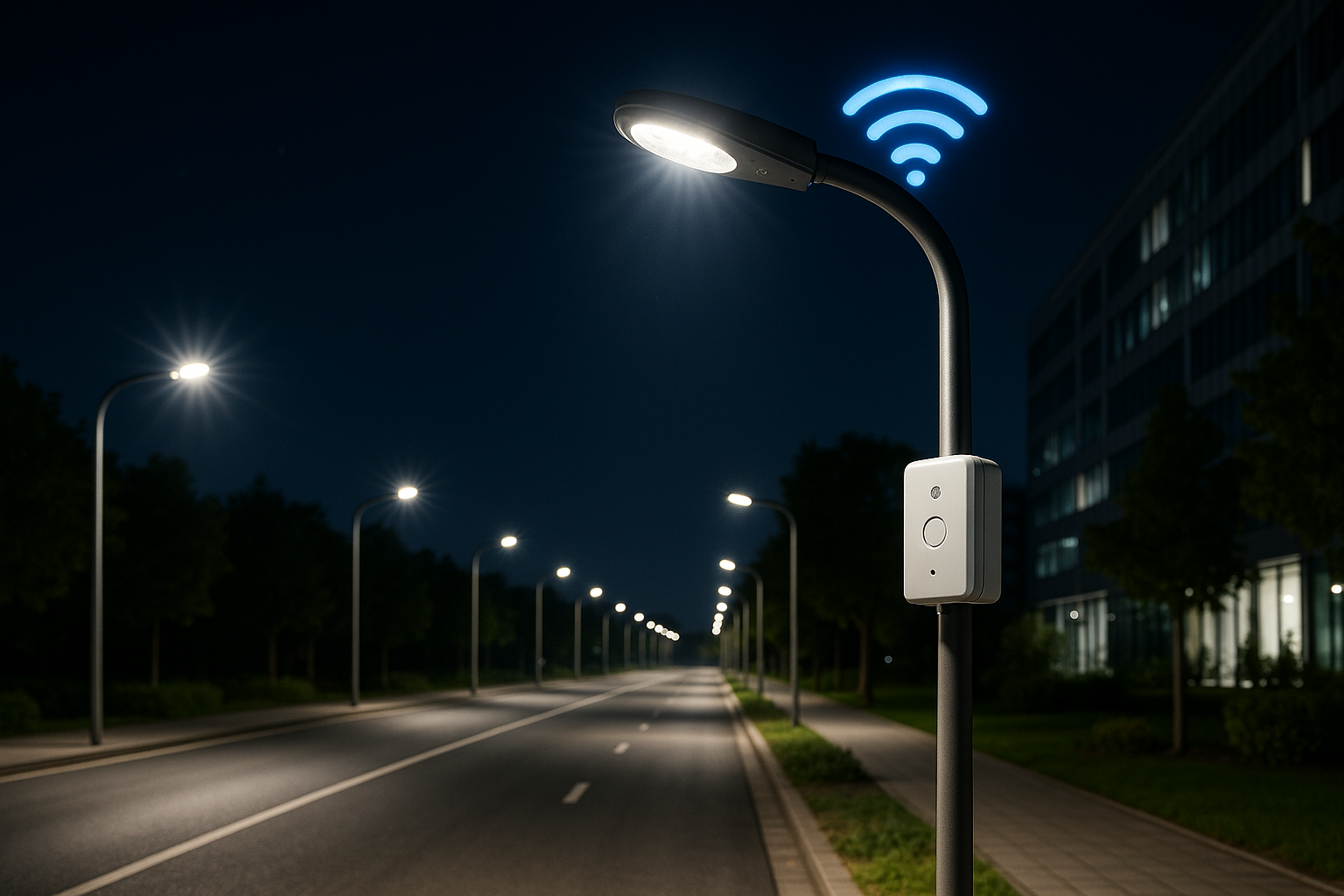
Smart street lighting powered by IoT technology is revolutionizing urban infrastructure, making cities safer, more efficient, and environmentally sustainable while reducing operational costs.

🌟 The Dawn of Intelligent Urban Infrastructure
Cities around the world are undergoing a remarkable transformation. Traditional street lighting systems that have served communities for decades are being replaced by intelligent networks that can think, respond, and adapt. This evolution isn’t just about brighter streets—it’s about reimagining how urban environments function at their most fundamental level.
The integration of Internet of Things (IoT) technology into street lighting represents one of the most practical and impactful applications of smart city initiatives. These systems use interconnected sensors, wireless communication protocols, and advanced analytics to create lighting networks that respond to real-time conditions, optimize energy consumption, and provide valuable data for city management.
The market for smart street lighting is experiencing explosive growth. Industry analysts project that the global smart street lighting market will reach over $20 billion by 2027, driven by urbanization, sustainability goals, and the declining costs of IoT components. Cities from Singapore to Barcelona are already reaping the benefits of these installations, with some reporting energy savings of up to 80% compared to conventional systems.
💡 Understanding IoT-Enabled Street Lighting Systems
At its core, an IoT-enabled street lighting system consists of several interconnected components working in harmony. Each streetlight becomes a node in a vast network, equipped with sensors, controllers, and communication modules that enable two-way data transmission.
The basic architecture includes LED luminaires, which are significantly more energy-efficient than traditional sodium or mercury vapor lamps. These LEDs are connected to smart controllers that can adjust brightness levels based on various parameters. Communication modules using technologies like LoRaWAN, NB-IoT, or mesh networking protocols transmit data between the lights and a central management system.
Core Components That Make It Work
Sensors play a crucial role in making street lighting truly intelligent. Motion sensors detect pedestrian and vehicular movement, allowing lights to brighten when activity is present and dim when streets are empty. Ambient light sensors ensure that streetlights only operate when natural light is insufficient, eliminating wasteful daytime operation.
Environmental sensors can monitor air quality, temperature, humidity, and noise levels, transforming streetlights into comprehensive urban monitoring stations. This multi-functionality creates additional value beyond illumination, providing city planners with rich datasets for decision-making.
The central management platform serves as the brain of the entire system. Cloud-based software dashboards allow operators to monitor every light in real-time, receive instant alerts about malfunctions, schedule maintenance proactively, and analyze usage patterns to optimize performance continuously.
🔋 Energy Efficiency and Environmental Impact
The environmental case for smart street lighting is compelling. Traditional high-pressure sodium lamps consume enormous amounts of electricity and have relatively short lifespans. LED technology alone can reduce energy consumption by 50-70%, but when combined with intelligent dimming and scheduling capabilities, the savings increase dramatically.
Adaptive lighting systems adjust brightness based on actual need rather than providing constant maximum illumination. During late-night hours when traffic is minimal, lights can dim to 30-40% capacity, saving energy while maintaining adequate visibility for safety. When motion is detected, lights return to full brightness, creating a “corridor of light” that follows vehicles or pedestrians.
The carbon footprint reduction is substantial. A medium-sized city with 10,000 streetlights could reduce CO2 emissions by hundreds of tons annually by switching to smart LED systems. This aligns perfectly with global sustainability goals and helps municipalities meet increasingly stringent environmental regulations.
Quantifying the Economic Benefits
Beyond environmental advantages, the financial returns on smart street lighting investments are impressive. While initial deployment costs are higher than conventional systems, the total cost of ownership over a 10-15 year period is significantly lower.
- Energy costs typically decrease by 60-80% compared to traditional lighting
- Maintenance expenses drop by 40-60% due to predictive maintenance capabilities
- LED lifespans of 50,000-100,000 hours reduce replacement frequency
- Remote management eliminates many manual inspection trips
- Real-time fault detection prevents extended outages and reduces repair costs
Most municipalities report return on investment periods of 5-8 years, after which the systems generate continuous savings for the remainder of their operational life.
🛡️ Enhancing Public Safety Through Smart Illumination
Well-lit streets have always been associated with increased safety, but smart lighting takes this relationship to a new level. Dynamic lighting systems can respond to security events in real-time, increasing illumination when unusual activity is detected or emergency services are dispatched to an area.
Integration with other public safety systems creates powerful synergies. When connected to emergency call systems or surveillance networks, streetlights can automatically brighten to assist first responders or improve camera visibility during incidents. Some systems feature emergency buttons on light poles that allow citizens to call for help while simultaneously increasing local illumination.
The psychological impact of responsive lighting should not be underestimated. When pedestrians notice lights brightening as they approach and dimming behind them, it creates a sense of technological presence that can deter criminal activity while making legitimate users feel more secure.
📊 Data-Driven Urban Planning and Management
Perhaps the most underappreciated aspect of smart street lighting is its capacity to serve as an urban sensing platform. The extensive coverage of streetlight networks makes them ideal locations for deploying sensors that gather valuable data about city conditions.
Traffic flow analysis becomes possible when motion sensors track vehicle and pedestrian movement patterns. City planners can identify congestion hotspots, optimize traffic signal timing, and make evidence-based decisions about infrastructure investments. This data is invaluable for designing efficient public transportation routes and evaluating the impact of urban development projects.
Environmental monitoring capabilities transform streetlights into a distributed network of weather and air quality stations. Real-time data about pollution levels, temperature variations, and humidity patterns help environmental agencies respond to air quality events and develop targeted mitigation strategies.
Creating Smart City Ecosystems
Smart street lighting often serves as the foundation for broader smart city initiatives. The communication infrastructure deployed for lighting can support additional IoT applications, from smart parking systems to waste management sensors, creating economies of scale that make these projects more financially viable.
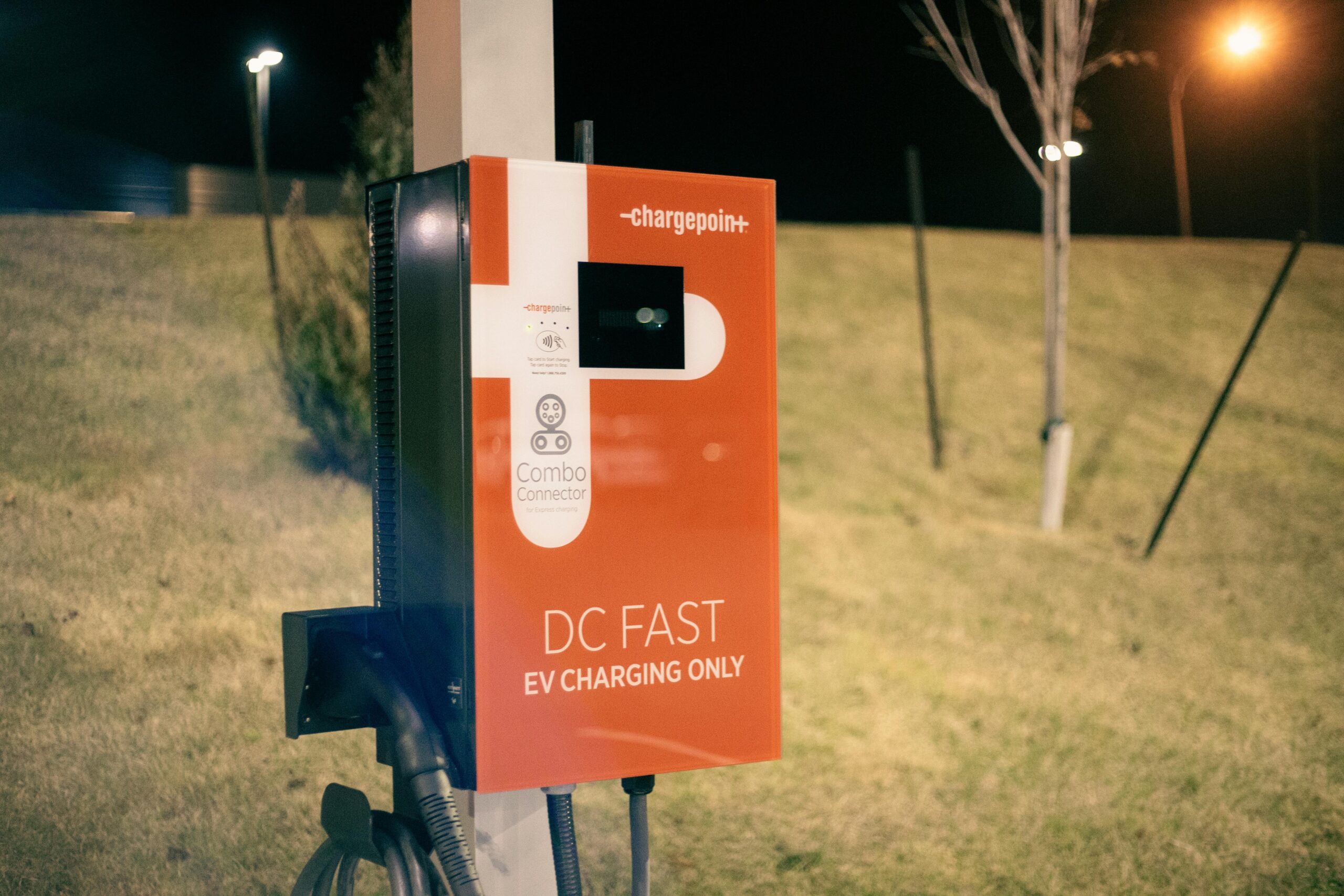
The power supply available at each streetlight pole provides convenient energy access for other devices. This has enabled the deployment of electric vehicle charging stations, public Wi-Fi access points, and digital information displays, all leveraging the existing street lighting infrastructure.
🌐 Communication Technologies and Network Architecture
The choice of communication technology significantly impacts system performance, reliability, and cost. Several wireless protocols have emerged as leaders in smart street lighting applications, each with distinct advantages.
Mesh networking protocols create self-healing networks where each light communicates with its neighbors. If one node fails, data automatically routes through alternative paths, ensuring system resilience. This approach works well for dense urban deployments where lights are closely spaced.
Low-Power Wide-Area Networks (LPWAN) like LoRaWAN and NB-IoT excel in scenarios requiring long-range communication with minimal power consumption. These technologies are particularly suitable for rural areas or cities with widely distributed lighting infrastructure.
Cellular IoT solutions leverage existing mobile network infrastructure, simplifying deployment but introducing ongoing connectivity costs. As 5G networks expand, they promise enhanced capabilities for real-time control and data-intensive applications like video surveillance integration.
⚙️ Implementation Challenges and Solutions
Despite the clear benefits, deploying smart street lighting systems presents several challenges that municipalities must address. Legacy infrastructure compatibility often tops the list of concerns, as many cities have existing lighting networks with varying ages and technologies.
Retrofit solutions that add smart capabilities to existing fixtures offer a middle path between full replacement and maintaining the status quo. Intelligent control modules can be installed on conventional lights, providing some smart features while extending the useful life of existing infrastructure.
Addressing Cybersecurity Concerns
As with any connected system, cybersecurity is paramount. Street lighting networks could potentially serve as entry points for broader cyber attacks on municipal infrastructure. Implementing robust security measures including encryption, authentication protocols, and network segmentation is essential.
Regular security audits, firmware updates, and incident response plans should be standard practice. Many vendors now offer security-by-design approaches that build protection into every layer of the system architecture rather than treating it as an afterthought.
Navigating Procurement and Financing
The upfront capital requirements for smart lighting projects can strain municipal budgets. Innovative financing models have emerged to address this barrier. Energy service companies (ESCOs) offer performance-based contracts where they finance and install systems, recovering costs through a share of the energy savings generated.
Public-private partnerships allow cities to leverage private sector expertise and capital while maintaining public control over essential infrastructure. Some municipalities have successfully used green bonds specifically designated for sustainable infrastructure projects to fund smart lighting initiatives.
🚀 Emerging Trends and Future Developments
The evolution of smart street lighting continues to accelerate. Artificial intelligence and machine learning are being integrated to create predictive systems that anticipate maintenance needs before failures occur and optimize lighting patterns based on learned usage behaviors.
LiFi technology, which uses light waves for wireless data transmission, could transform streetlights into nodes in ultra-fast communication networks. This capability could support autonomous vehicles, providing real-time data exchange between vehicles and infrastructure at speeds far exceeding traditional radio-frequency systems.
Integration with renewable energy sources is becoming increasingly common. Solar-powered streetlights with battery storage and smart controls create completely autonomous lighting systems that operate off-grid, ideal for remote areas or as backup systems during power outages.
The Role of Standardization
Industry standardization efforts are crucial for the long-term success of smart street lighting. Organizations like the Zhaga Consortium and the TALQ Consortium are developing open standards that ensure interoperability between components from different manufacturers, preventing vendor lock-in and fostering innovation.
These standards enable cities to mix and match components, upgrade systems incrementally, and ensure long-term supportability without dependence on a single supplier. As standards mature, procurement becomes simpler and competition increases, driving down costs.
🌍 Global Success Stories and Case Studies
Los Angeles undertook one of the the world’s largest smart street lighting projects, replacing over 140,000 streetlights with LED fixtures and intelligent controls. The city now saves $9 million annually in energy costs while reducing maintenance expenses significantly. The system has become a platform for additional smart city applications, demonstrating scalability.
Copenhagen integrated smart lighting into its comprehensive smart city strategy, using streetlights as multi-functional platforms that monitor traffic, air quality, and weather conditions. The data gathered informs urban planning decisions and helps the city work toward its goal of carbon neutrality.
Singapore’s smart nation initiative includes adaptive street lighting that adjusts based on weather conditions, traffic patterns, and scheduled events. The system integrates with the city-state’s broader IoT infrastructure, showcasing how lighting can serve as a foundation for comprehensive urban digitalization.
✨ Lighting the Way Forward
The transformation of street lighting from a simple utility to an intelligent urban platform represents a fundamental shift in how we think about public infrastructure. IoT-enabled smart street lighting delivers immediate practical benefits through energy savings and reduced costs while simultaneously creating the foundation for future innovations we’re only beginning to imagine.
Cities that embrace this technology position themselves at the forefront of urban innovation, attracting investment, improving quality of life for residents, and demonstrating environmental leadership. The question is no longer whether to adopt smart street lighting, but how quickly it can be implemented.
As technology costs continue declining and capabilities expand, even smaller municipalities can access these systems. The convergence of LED efficiency, IoT connectivity, cloud computing, and data analytics has created a perfect storm of enabling technologies that make intelligent street lighting not just feasible but essential for modern urban management.
The future of our cities will be shaped by the decisions we make today about infrastructure investments. Smart street lighting illuminates not just our streets but the path toward more sustainable, efficient, and livable urban environments for generations to come. The technology exists, the business case is proven, and the benefits extend far beyond illumination—the time to act is now.