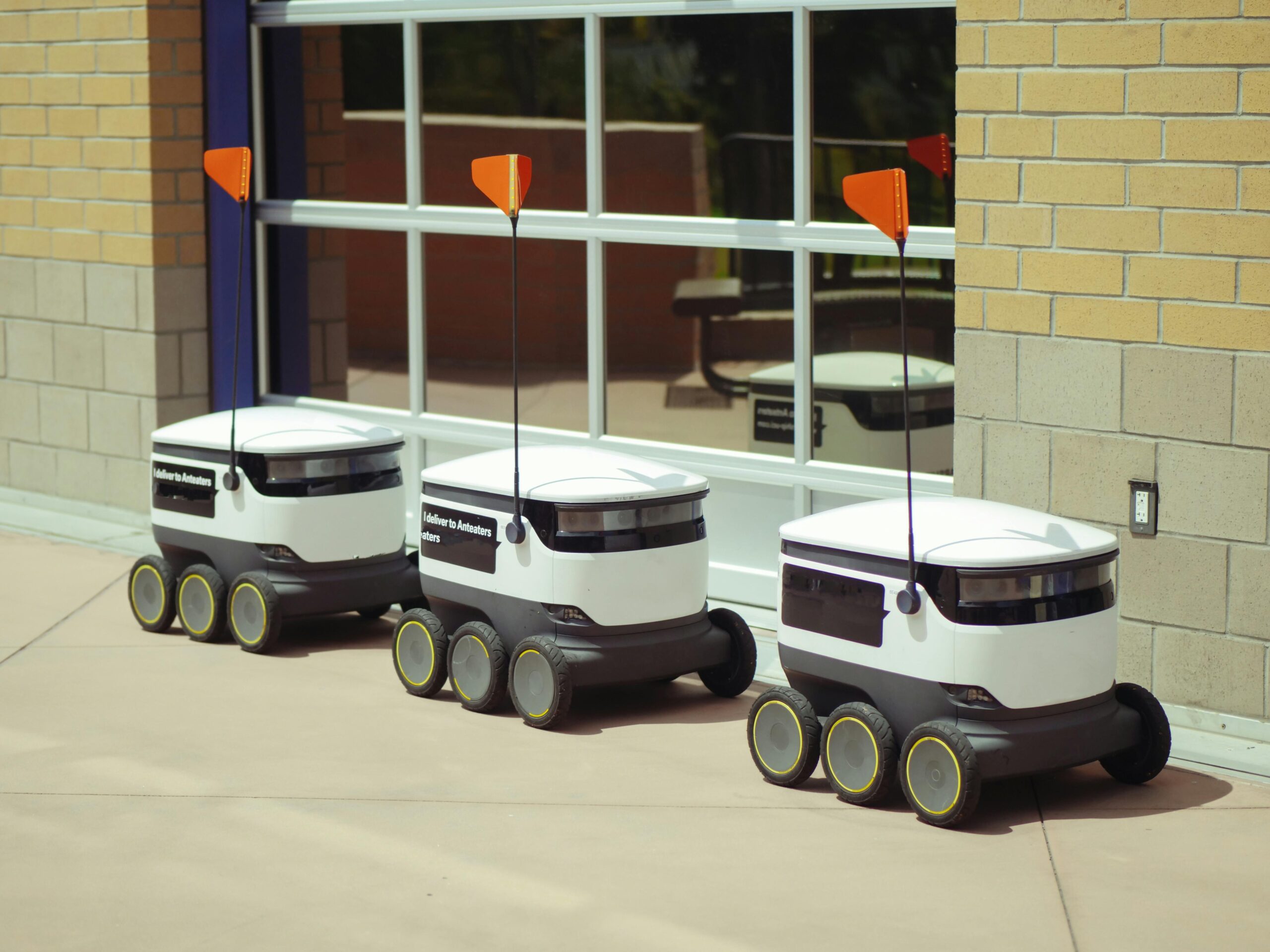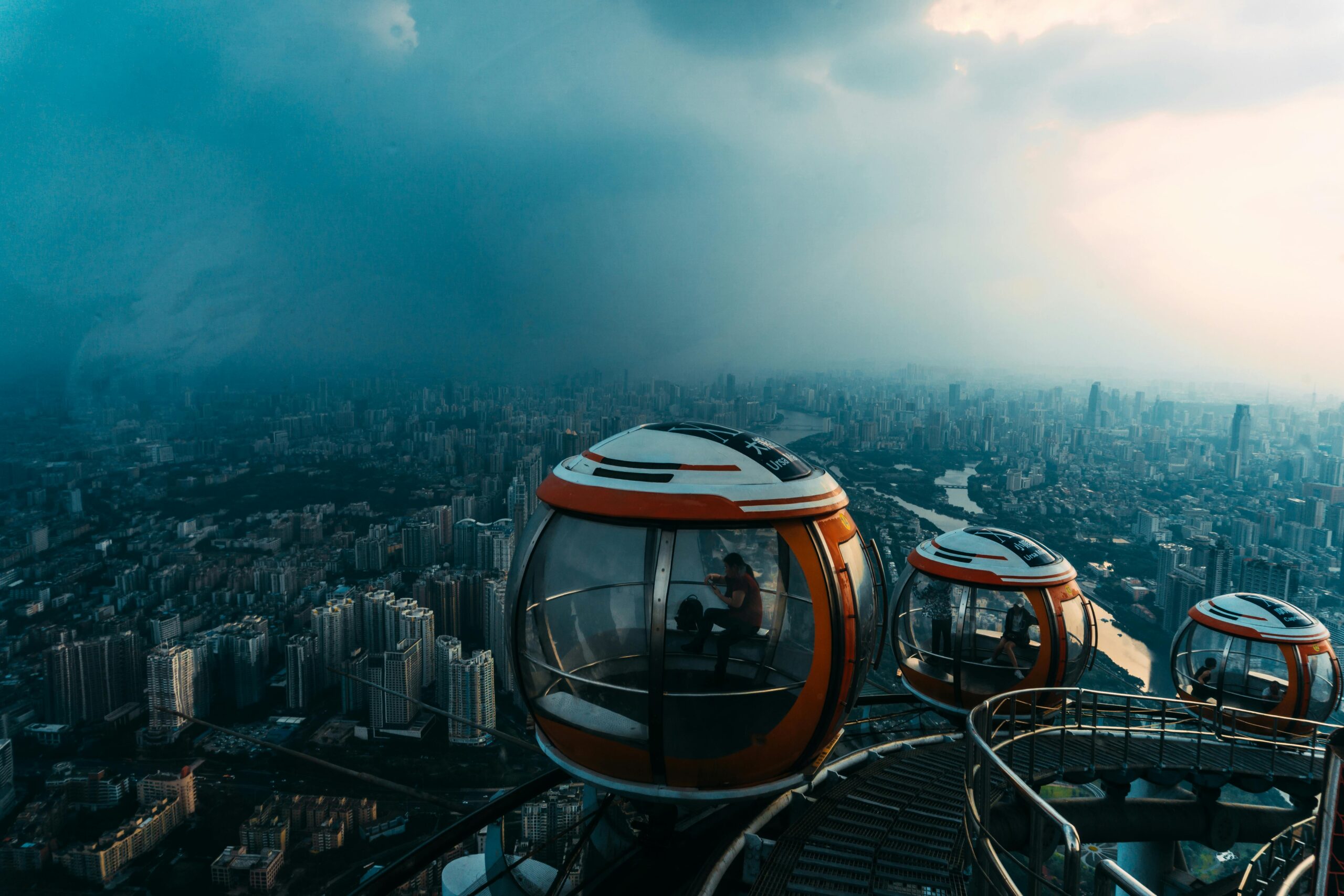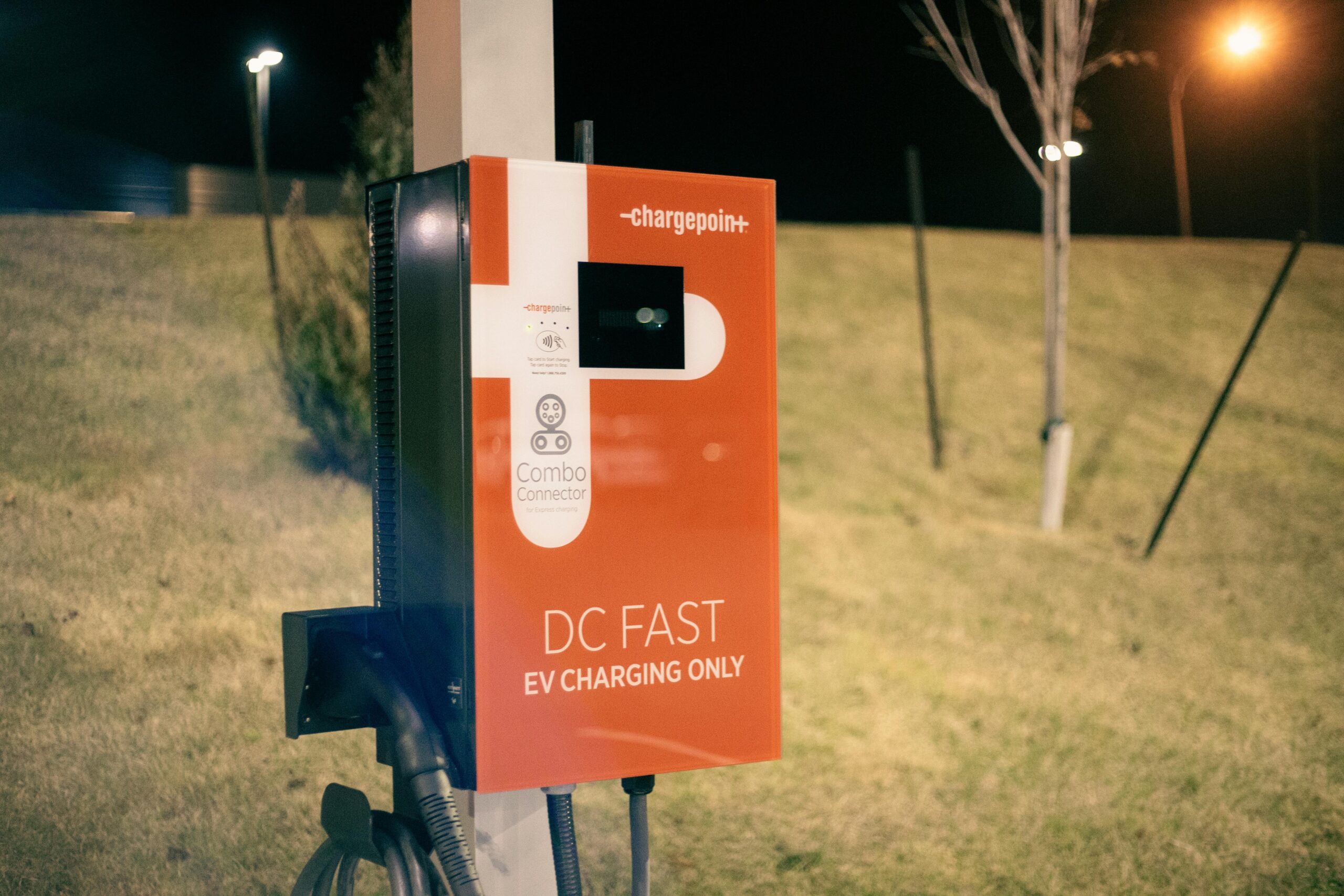
Artificial intelligence is transforming how cities manage, distribute, and optimize energy resources, creating smarter grids that respond dynamically to real-time demand patterns.

🔌 The Urban Energy Challenge in the 21st Century
Modern cities face an unprecedented energy dilemma. As urban populations continue to expand, with projections suggesting that nearly 70% of the world’s population will live in cities by 2050, the strain on existing energy infrastructure intensifies daily. Traditional power grids, designed decades ago, struggle to meet the complex demands of contemporary urban life, where electric vehicles, smart homes, and data centers compete for limited resources.
The conventional energy distribution model operates on a centralized, one-way system where power flows from large generation facilities to end consumers. This approach lacks flexibility and cannot efficiently accommodate renewable energy sources, which introduce variability and unpredictability into the grid. Urban planners and utility companies now recognize that incremental improvements to outdated systems will not suffice—a fundamental transformation is necessary.
Enter artificial intelligence. This technology offers unprecedented capabilities to analyze vast datasets, predict consumption patterns, and make split-second decisions that optimize energy flow throughout complex urban networks. AI-powered systems can balance supply and demand in real-time, integrate renewable sources seamlessly, and prevent catastrophic failures before they occur.
⚡ How AI Transforms Energy Distribution Networks
Artificial intelligence revolutionizes urban energy distribution through several interconnected mechanisms that work together to create more resilient and efficient power systems. These AI applications go far beyond simple automation, employing sophisticated algorithms that learn and adapt to changing conditions.
Predictive Analytics and Demand Forecasting
Machine learning algorithms analyze historical consumption data, weather patterns, calendar events, and even social media trends to forecast energy demand with remarkable accuracy. These predictions enable utilities to optimize generation schedules, reducing waste and preventing shortages. Advanced neural networks can identify consumption patterns at the neighborhood level, accounting for local variables such as industrial activity, commercial operations, and residential behavior.
Weather prediction integration represents a particularly powerful application. AI systems correlate meteorological forecasts with energy usage patterns, anticipating increased demand for heating or cooling systems before temperature changes occur. This proactive approach allows grid operators to mobilize resources efficiently, bringing additional capacity online precisely when needed.
Real-Time Load Balancing
Traditional grids experience significant inefficiencies due to the rigid nature of power distribution. AI-enabled systems continuously monitor network conditions and automatically redistribute electricity to prevent overloads and minimize transmission losses. These intelligent systems can reroute power within milliseconds, responding to fluctuations far faster than human operators could manage.
Dynamic load balancing becomes especially critical during peak demand periods. AI algorithms can implement demand response strategies, communicating with smart appliances and industrial systems to temporarily reduce non-essential consumption. This approach prevents blackouts without requiring utilities to maintain expensive backup generation capacity that sits idle most of the time.
🌍 Integrating Renewable Energy Sources
One of AI’s most valuable contributions to urban energy systems involves managing the inherent variability of renewable energy sources. Solar panels produce electricity only when the sun shines, while wind turbines depend on atmospheric conditions. This intermittency historically made renewable energy difficult to integrate into baseload power systems.
Artificial intelligence solves this challenge through sophisticated prediction and management algorithms. By analyzing weather data, seasonal patterns, and real-time sensor inputs, AI systems forecast renewable energy generation with increasing precision. These predictions enable grid operators to coordinate conventional and renewable sources effectively, ensuring stable power delivery despite fluctuating renewable output.
Energy Storage Optimization
Battery storage systems play a crucial role in renewable energy integration, but determining when to charge and discharge these batteries requires complex decision-making. AI algorithms optimize storage operations by predicting price fluctuations, demand patterns, and renewable generation cycles. These systems automatically charge batteries when electricity is abundant and inexpensive, then discharge stored energy during peak demand periods when power costs more.
Large-scale urban battery installations managed by AI can stabilize entire neighborhoods, storing excess solar generation during midday and releasing that energy during evening consumption peaks. This approach maximizes the value of renewable infrastructure while reducing dependence on fossil fuel peaker plants.
🏙️ Smart Grid Infrastructure and IoT Integration
The modern smart grid represents a vast network of interconnected sensors, meters, switches, and control systems. This Internet of Things (IoT) infrastructure generates enormous volumes of data—far more than human operators could possibly analyze manually. AI systems excel at processing these information streams, extracting actionable insights from millions of data points simultaneously.
Smart meters equipped with AI capabilities provide granular visibility into consumption patterns at the individual household or business level. This detailed information enables personalized energy management recommendations, time-of-use pricing optimization, and early detection of anomalies that might indicate equipment failures or unauthorized usage.
Automated Fault Detection and Prevention
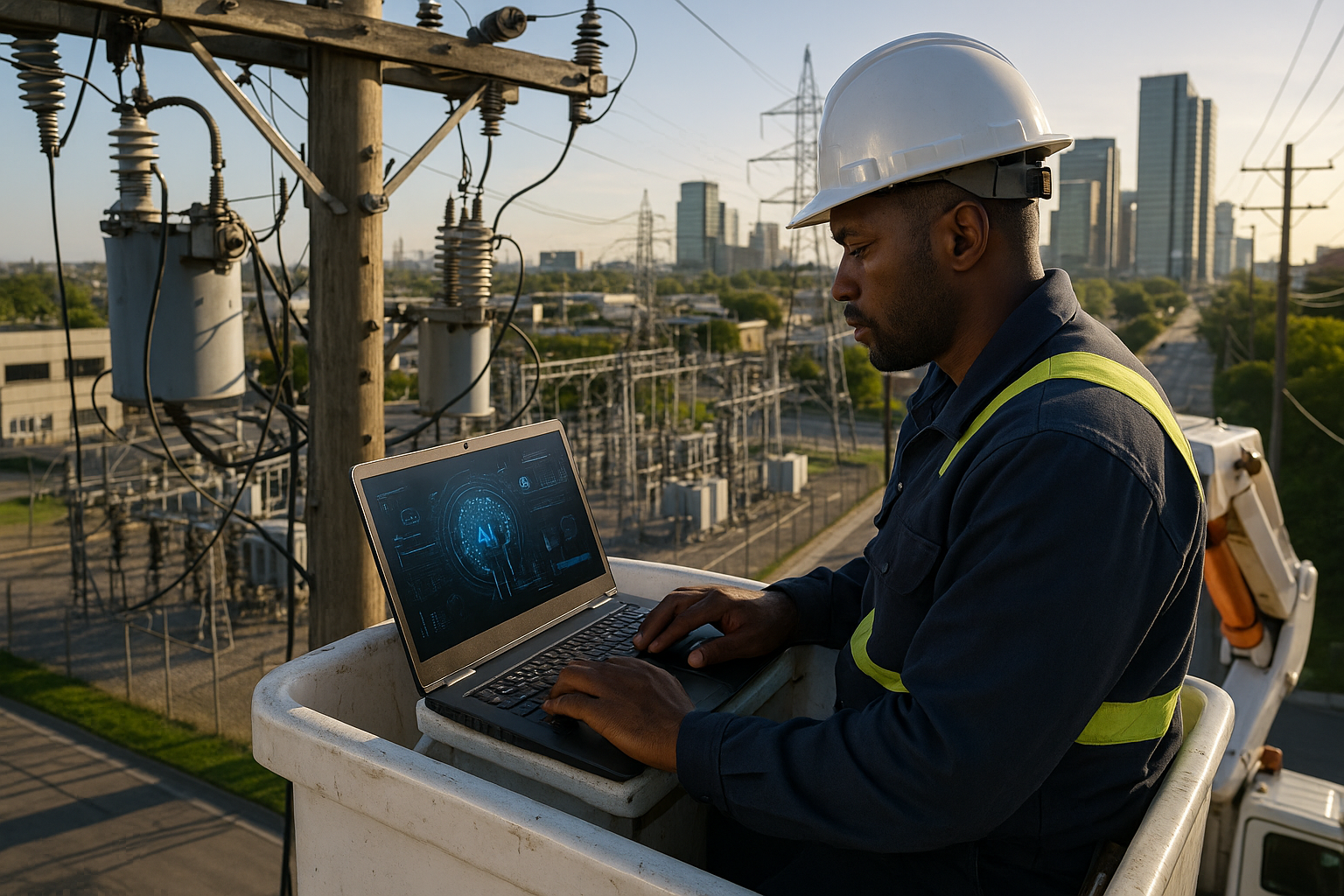
Equipment failures in energy distribution networks can cause widespread disruptions and costly repairs. AI-powered predictive maintenance systems monitor transformer temperatures, voltage fluctuations, current anomalies, and other indicators to identify potential failures before they occur. Machine learning models trained on historical failure data can recognize subtle patterns that precede equipment breakdowns, alerting maintenance teams to address issues proactively.
When outages do occur, AI systems dramatically accelerate restoration efforts. Automated diagnostic algorithms quickly identify the fault location and nature, while optimization engines determine the most efficient repair sequence. These capabilities significantly reduce downtime, minimizing economic losses and improving service reliability.
💡 Consumer Empowerment Through AI-Driven Applications
Artificial intelligence doesn’t just benefit utility companies—it also empowers consumers to take control of their energy consumption. Smart home energy management applications leverage AI to optimize household electricity usage automatically, reducing costs while maintaining comfort and convenience.
These intelligent systems learn occupant preferences and schedules, automatically adjusting heating, cooling, and lighting to minimize waste. Machine learning algorithms identify opportunities to shift energy-intensive activities to off-peak hours when electricity costs less, such as running dishwashers or charging electric vehicles overnight.
Advanced energy monitoring apps provide detailed consumption breakdowns, highlighting which appliances use the most power and suggesting specific efficiency improvements. Gamification features encourage behavioral changes by setting conservation goals and tracking progress over time, making energy efficiency engaging rather than burdensome.
🔐 Enhanced Security and Grid Resilience
As energy infrastructure becomes increasingly digitalized and interconnected, cybersecurity emerges as a critical concern. A successful cyberattack on urban energy systems could cause widespread blackouts with devastating economic and social consequences. AI-powered security systems provide robust protection against these threats through continuous monitoring and threat detection.
Machine learning algorithms establish baseline patterns of normal network behavior, then flag anomalous activities that might indicate intrusion attempts or malware infections. These AI security systems can identify and respond to threats faster than traditional signature-based approaches, adapting to novel attack vectors that conventional defenses might miss.
Climate Resilience and Disaster Response
Climate change brings increasingly severe weather events that threaten energy infrastructure. AI systems enhance grid resilience by modeling climate scenarios, identifying vulnerable components, and recommending infrastructure hardening investments. During extreme weather events, these intelligent systems prioritize power delivery to critical facilities such as hospitals, emergency services, and water treatment plants.
Post-disaster recovery also benefits from AI coordination. Optimization algorithms determine the most efficient restoration sequence, considering factors such as repair crew locations, equipment availability, and infrastructure dependencies. This intelligent approach accelerates recovery and minimizes cascading failures.
📊 Economic and Environmental Benefits
The economic advantages of AI-powered energy distribution extend throughout the entire value chain. Utilities reduce operational costs through improved efficiency, decreased equipment failures, and optimized resource allocation. These savings can translate into lower consumer prices while improving service quality—a rare win-win scenario.
Environmental benefits prove equally compelling. More efficient energy distribution reduces waste, decreasing the total generation capacity required to meet demand. Better renewable integration displaces fossil fuel consumption, directly reducing greenhouse gas emissions. Precise demand forecasting eliminates the need to maintain excess generation capacity as a safety buffer, further improving resource utilization.
Cities implementing comprehensive AI energy management systems report impressive results. Transmission losses decrease by 15-20%, peak demand reductions of 10-15% become achievable, and renewable energy integration rates improve substantially. These improvements compound over time as AI systems continue learning and optimizing.
🚀 Emerging Technologies and Future Developments
The intersection of AI and urban energy distribution continues evolving rapidly, with several emerging technologies poised to drive further transformation. Quantum computing promises to solve optimization problems that remain computationally intractable for classical computers, potentially enabling even more sophisticated grid management strategies.
Edge computing brings AI processing capabilities directly to network endpoints, reducing latency and enabling faster response times. Distributed AI architectures allow individual grid components to make autonomous decisions while coordinating with centralized systems, creating more resilient networks that can continue functioning even when communications with control centers are disrupted.
Vehicle-to-Grid Integration
Electric vehicles represent both a challenge and opportunity for urban energy systems. While EV charging increases electricity demand, these vehicles also serve as mobile energy storage units. AI systems orchestrate vehicle-to-grid (V2G) interactions, using parked EVs as distributed battery resources that can inject power back into the grid during peak demand periods.
This bidirectional energy flow requires sophisticated coordination to balance vehicle owner needs with grid requirements. Machine learning algorithms predict when vehicles will be needed, how much charge owners require, and when excess battery capacity can support grid stability—all while ensuring drivers always have sufficient range for their planned trips.
🌟 Overcoming Implementation Challenges
Despite its tremendous potential, implementing AI-powered energy distribution systems faces several obstacles. Legacy infrastructure represents a significant barrier, as many existing grid components lack the sensors and communication capabilities necessary for intelligent management. Retrofitting this equipment requires substantial investment and careful planning to avoid service disruptions.
Data privacy concerns also warrant serious consideration. Smart meters and IoT sensors collect detailed information about consumer behavior, raising questions about surveillance and data security. Successful implementation requires transparent policies, robust encryption, and clear communication about data usage practices.
Workforce development presents another challenge. Utility companies must train personnel to work alongside AI systems, developing new skills in data science, machine learning, and advanced analytics. This transition requires investment in education programs and organizational change management.
💪 Building Tomorrow’s Energy Infrastructure Today
The transformation of urban energy distribution through artificial intelligence represents more than technological innovation—it embodies a fundamental reimagining of how cities power themselves. As climate change accelerates and urbanization continues, the need for intelligent, adaptive energy systems becomes increasingly urgent.
Early adopters already demonstrate the viability and benefits of AI-powered energy management. Cities worldwide report improved reliability, reduced costs, and lower environmental impacts after implementing these technologies. The competitive advantages of intelligent energy systems will drive broader adoption, creating a positive feedback loop where success breeds further innovation.
The future of urban energy distribution is not merely about generating more power—it’s about using existing resources smarter, integrating diverse energy sources seamlessly, and creating resilient systems that adapt to changing conditions. Artificial intelligence provides the intelligence layer that makes this vision achievable, transforming passive infrastructure into active, learning networks that continuously optimize performance.
As we stand at this technological crossroads, the path forward requires coordinated action from utilities, technology providers, policymakers, and consumers. Investment in smart grid infrastructure, development of supportive regulatory frameworks, and commitment to continuous innovation will determine how quickly we can realize the full potential of AI-powered urban energy systems. The revolution has begun, and the cities that embrace these technologies today will light the way toward a more sustainable, efficient, and resilient energy future.