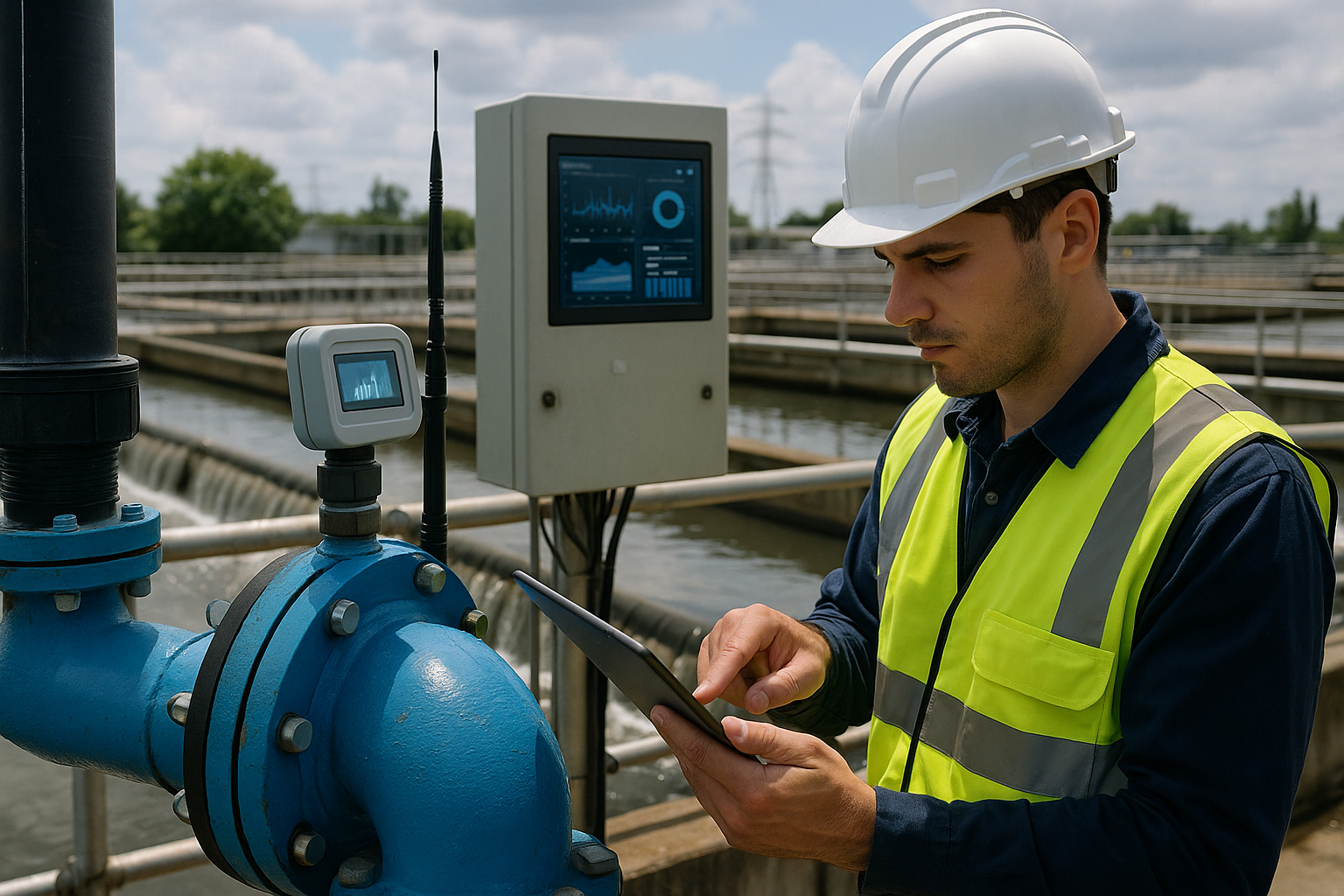
Smart water and sewage management systems are transforming how cities handle their most vital resource, combining IoT sensors, AI analytics, and real-time monitoring to create sustainable infrastructure.

🌊 The Dawn of Intelligent Water Infrastructure
Water scarcity and aging infrastructure have become critical challenges facing urban centers worldwide. Traditional water and sewage management systems, many built decades ago, struggle to meet the demands of growing populations while minimizing waste and environmental impact. The integration of smart technology into these essential systems represents not just an upgrade, but a fundamental reimagining of how we collect, distribute, treat, and monitor water resources.
The global smart water management market is experiencing explosive growth, projected to reach over $31 billion by 2028. This surge reflects an urgent recognition that conventional approaches are no longer sufficient. Municipalities are facing mounting pressure from water stress, climate change, regulatory requirements, and the need for operational efficiency. Smart systems offer a pathway forward, leveraging cutting-edge technology to address these multifaceted challenges while reducing costs and improving service delivery.
💡 Core Technologies Driving the Revolution
At the heart of smart water and sewage management lies a sophisticated ecosystem of interconnected technologies. Internet of Things (IoT) sensors deployed throughout water networks continuously monitor flow rates, pressure levels, water quality parameters, and system integrity. These devices generate massive volumes of real-time data, creating a digital twin of the physical infrastructure that enables unprecedented visibility into system performance.
Sensor Networks and Real-Time Monitoring
Modern water systems deploy thousands of intelligent sensors at strategic points throughout the distribution network. These devices measure critical parameters including pH levels, turbidity, chlorine concentration, temperature, and the presence of contaminants. Advanced acoustic sensors can detect leaks by identifying the unique sound signatures of water escaping from pipes, often pinpointing issues before they become visible or cause significant water loss.
The sewage management side employs equally sophisticated monitoring capabilities. Flow meters track wastewater volumes, while chemical sensors analyze composition to optimize treatment processes. Level sensors in storage tanks and reservoirs prevent overflows, while pressure transducers throughout the collection system identify blockages or structural problems before they escalate into emergencies.
Artificial Intelligence and Machine Learning Applications
The true power of smart water systems emerges when artificial intelligence processes the constant stream of sensor data. Machine learning algorithms identify patterns invisible to human operators, predicting equipment failures before they occur and optimizing system performance in real-time. These systems learn continuously, becoming more accurate and efficient as they accumulate operational experience.
Predictive maintenance algorithms analyze subtle changes in pump vibration, motor current, or valve performance to forecast when components will require service. This approach transforms maintenance from reactive emergency response to planned, cost-effective interventions that minimize downtime and extend asset lifespan. AI-powered leak detection systems can identify losses as small as a few liters per hour across networks spanning hundreds of kilometers.
🏙️ Urban Applications Transforming City Services
Smart water and sewage management systems deliver tangible benefits across multiple dimensions of urban operations. Cities implementing these technologies report water loss reductions of 20-50%, energy consumption decreases of 15-30%, and operational cost savings reaching millions of dollars annually. Beyond financial metrics, these systems enhance public health protection, environmental stewardship, and quality of life for residents.
Leak Detection and Water Loss Prevention
Non-revenue water—the difference between water produced and water billed to customers—represents a staggering global challenge, with losses exceeding 30% in many systems. Smart networks address this crisis through continuous monitoring and rapid response capabilities. Advanced algorithms correlate data from multiple sensors to triangulate leak locations with precision, often detecting issues within hours rather than the weeks or months typical of traditional approaches.
Pressure management systems dynamically adjust network pressure based on demand patterns and topography, reducing stress on aging pipes while maintaining adequate service levels. This optimization alone can reduce leak frequency by 30-50%, extending infrastructure lifespan and delaying expensive replacement projects.
Quality Assurance and Public Health Protection
Real-time water quality monitoring represents a quantum leap in public health protection. Traditional testing protocols rely on periodic sampling, creating gaps where contamination events might go undetected for hours or days. Smart systems provide continuous surveillance, triggering immediate alerts when parameters deviate from safe ranges. This early warning capability enables rapid response to contamination events, potentially preventing widespread illness or the need for large-scale boil water advisories.
Advanced analytical platforms can even predict water quality changes based on factors like weather patterns, seasonal variations, and upstream activities. This foresight allows operators to proactively adjust treatment processes, ensuring consistent water quality despite changing conditions.
🌱 Environmental Sustainability and Resource Conservation
The environmental benefits of smart water management extend far beyond simple conservation. These systems enable a circular approach to water resources, where wastewater is viewed not as waste but as a valuable resource containing water, nutrients, and energy that can be recovered and reused.
Energy Optimization in Water Operations
Water and wastewater treatment are energy-intensive processes, typically accounting for 2-3% of total electricity consumption in developed nations. Smart systems optimize energy use through multiple mechanisms. Pump scheduling algorithms adjust operations to take advantage of off-peak electricity rates while meeting demand patterns. Variable frequency drives modulate equipment speed based on actual needs rather than running continuously at maximum capacity.
Some advanced facilities are achieving energy neutrality or even generating surplus electricity through biogas production from wastewater treatment processes, combined with solar installations and hydroelectric generation from pressure reduction stations. Smart controls maximize the value of these renewable resources, selling excess power back to the grid during peak demand periods.
Water Reuse and Circular Economy Integration
Smart monitoring enables sophisticated water reuse strategies by providing the quality assurance necessary to safely use reclaimed water for appropriate applications. Advanced treatment facilities produce water suitable for irrigation, industrial processes, groundwater recharge, or even potable reuse in regions facing severe water scarcity. Real-time monitoring ensures this reclaimed water meets stringent quality standards, building public confidence and regulatory approval for expanded reuse programs.
📊 Data Analytics and Decision Support Systems
The volume of data generated by smart water systems is staggering—a medium-sized utility might collect millions of data points daily. Converting this information deluge into actionable insights requires sophisticated analytics platforms that present complex data in intuitive, accessible formats for decision-makers at all levels.
Dashboard Visualization and Operational Intelligence
Modern water management dashboards provide at-a-glance visibility into system-wide performance. Customizable interfaces allow operators to focus on the metrics most relevant to their responsibilities, while automatically highlighting anomalies or conditions requiring attention. Geographic information system (GIS) integration displays data spatially, making it easy to understand network conditions and prioritize interventions.
These platforms support rapid emergency response by immediately alerting relevant personnel to critical events and providing the information needed for effective decision-making. Historical data analysis reveals long-term trends, supporting strategic planning for infrastructure investment, capacity expansion, and regulatory compliance.
Predictive Modeling and Scenario Planning
Advanced water management platforms incorporate hydraulic modeling capabilities that simulate system behavior under various scenarios. Operators can test the impact of proposed infrastructure changes, evaluate strategies for meeting future demand growth, or develop contingency plans for emergencies like major main breaks or contamination events. These digital simulations significantly reduce risk and optimize investment decisions, ensuring limited capital budgets are allocated to projects delivering maximum value.
🔐 Cybersecurity Considerations for Critical Infrastructure
As water systems become increasingly connected and digitally dependent, cybersecurity emerges as a paramount concern. Water infrastructure represents critical infrastructure, and disruptions could threaten public health and safety. Protecting these systems from cyber threats requires multi-layered security strategies encompassing network architecture, access controls, encryption, continuous monitoring, and incident response capabilities.
Best practices include network segmentation that isolates operational technology from corporate IT systems, rigorous authentication and authorization protocols, regular security audits and penetration testing, and comprehensive backup and recovery procedures. Many utilities are adopting zero-trust security models that verify every access request regardless of source, eliminating the traditional perimeter-based security approach that assumed internal network traffic was inherently trustworthy.
💰 Economic Benefits and Return on Investment
While smart water systems require significant upfront investment, the economic case for implementation is compelling. Utilities report payback periods typically ranging from 3-7 years, with ongoing operational savings and deferred infrastructure costs delivering value for decades. Reduced water losses alone often justify the investment, but additional benefits including energy savings, optimized chemical use, reduced maintenance costs, and improved asset longevity multiply returns.
Beyond direct utility savings, smart water management delivers broader economic benefits to communities. Reliable water service supports economic development and business attraction. Reduced emergency repairs minimize traffic disruptions and associated economic impacts. Enhanced environmental protection preserves ecosystem services and recreational amenities that contribute to quality of life and property values.
🚀 Emerging Technologies and Future Directions
The evolution of smart water management continues to accelerate as new technologies mature and integrate into comprehensive platforms. Blockchain applications are being explored for water rights trading and supply chain verification of treatment chemicals. Digital twins—virtual replicas of physical systems—enable increasingly sophisticated simulation and optimization. Edge computing processes data closer to sensors, reducing latency and enabling faster response to critical events.
5G Connectivity and Enhanced Communication
The rollout of 5G networks promises to dramatically enhance smart water system capabilities. Higher bandwidth supports transmission of video feeds from remote sites, enabling visual inspection of conditions triggering alarms. Lower latency enables near-instantaneous communication between sensors and control systems, supporting real-time automation at unprecedented scale. Enhanced reliability ensures critical communications remain operational even during emergencies.
Drone and Robotic Inspection Technologies
Autonomous drones equipped with thermal cameras can survey large pipeline networks, identifying leaks through temperature differences. Underwater remotely operated vehicles (ROVs) inspect reservoir conditions and intake structures without requiring facility drainage or diver deployment. Robotic systems navigate sewer lines, using high-definition cameras and sensors to assess condition and identify maintenance needs, reducing the need for excavation and enabling targeted repairs.
🌍 Global Implementation and Case Studies
Cities worldwide are demonstrating the transformative potential of smart water management. Singapore’s comprehensive smart water grid combines sensors, analytics, and automation to achieve water loss rates below 5%—among the lowest globally. Barcelona’s intelligent irrigation system reduces park watering consumption by 25% while maintaining landscape quality. Copenhagen’s climate-adaptive stormwater management system uses real-time weather data and predictive modeling to optimize drainage operations, reducing flood risk despite increasing rainfall intensity.
Developing nations are increasingly embracing smart water technologies to address infrastructure deficits and water scarcity challenges. Rather than replicating the costly, centralized systems of developed countries, these regions often leapfrog directly to distributed, digitally-enabled solutions. Mobile payment integration enables utilities to collect revenues more effectively, improving financial sustainability and enabling ongoing system improvements.
🎯 Overcoming Implementation Challenges
Despite compelling benefits, smart water system adoption faces obstacles including budget constraints, technical complexity, organizational resistance to change, workforce skill gaps, and regulatory uncertainty. Successful implementations address these challenges through phased rollouts that demonstrate value before requiring comprehensive commitments, public-private partnerships that share risk and leverage private sector expertise, workforce training programs that develop necessary capabilities, and stakeholder engagement that builds support among customers, regulators, and community members.
Interoperability standards are gradually emerging, enabling integration of components from multiple vendors and protecting utilities from vendor lock-in. Open data platforms promote transparency and enable third-party application development that extends system value beyond initial implementations.
🔮 The Path Forward: Integrated Smart City Ecosystems
The future of smart water management lies in integration with broader smart city initiatives. Water systems don’t operate in isolation—they interact with energy networks, transportation systems, environmental monitoring, emergency services, and land use planning. Holistic approaches that coordinate these interconnected systems unlock synergies and efficiencies impossible when each operates independently.
Imagine a city where traffic management systems communicate with water infrastructure to delay non-critical maintenance during peak travel times, where building energy management systems coordinate with water heating to optimize overall utility costs, where environmental sensors tracking air quality inform water treatment processes to address seasonal pollutant patterns. This integrated vision represents the ultimate promise of smart infrastructure—cities that function as coherent, adaptive systems optimizing quality of life, environmental sustainability, and economic vitality for all residents.
The revolution in water and sewage management is not a distant future possibility—it is happening now, transforming how cities serve their residents and steward precious water resources. As technologies mature, costs decline, and success stories multiply, smart water systems will transition from innovative pilot projects to standard practice. The utilities and communities embracing this transformation today are positioning themselves for sustainable prosperity in an increasingly water-constrained world, demonstrating that technology and environmental stewardship are not competing priorities but complementary strategies for building resilient, thriving cities.