Climate change demands action, and your daily commute offers one of the simplest opportunities to make a real environmental impact starting today.

Transportation accounts for nearly 29% of greenhouse gas emissions in the United States, making it the largest contributor to climate change. Your daily journey to work, school, or errands plays a significant role in this statistic. The good news? Small changes in how you commute can dramatically reduce your carbon footprint while often saving you money and improving your health.
Whether you drive, take public transit, or walk to your destination, there are practical strategies you can implement immediately to make your commuting routine more sustainable. This comprehensive guide explores actionable ways to go green while on the go, transforming your daily travel into an environmentally conscious activity.
🚴 Embrace Human-Powered Transportation
The most environmentally friendly commute produces zero emissions: walking and cycling. These human-powered options eliminate carbon output entirely while providing numerous health benefits. A 30-minute bike ride burns approximately 300 calories and strengthens cardiovascular health, making your commute a productive exercise session.
For distances under three miles, cycling typically matches or beats car travel time in urban areas when accounting for traffic and parking. Modern cities increasingly support bike commuters with dedicated lanes, secure parking facilities, and bike-sharing programs that eliminate ownership costs and maintenance concerns.
E-bikes have revolutionized cycling for longer distances or hilly terrain. While they require electricity, their carbon footprint remains minimal compared to cars. A typical e-bike consumes about 0.1 kWh per 10 miles, equivalent to running a laptop for two hours. This makes them an excellent option for commutes up to 15 miles, especially when arriving at work without perspiration is important.
Making Active Commuting Work for You
Start gradually if you’re new to active commuting. Try one or two days per week initially, choosing days with favorable weather. Invest in quality rain gear and reflective clothing to expand your comfortable riding conditions. Many employers now offer shower facilities and secure bike storage, making active commuting increasingly practical.
Planning your route matters significantly. Apps like Strava, Komoot, and Google Maps offer cycling directions that prioritize bike lanes and low-traffic streets. These routes may add a few minutes but provide safer, more enjoyable experiences that encourage consistent active commuting.
🚌 Maximize Public Transportation Benefits
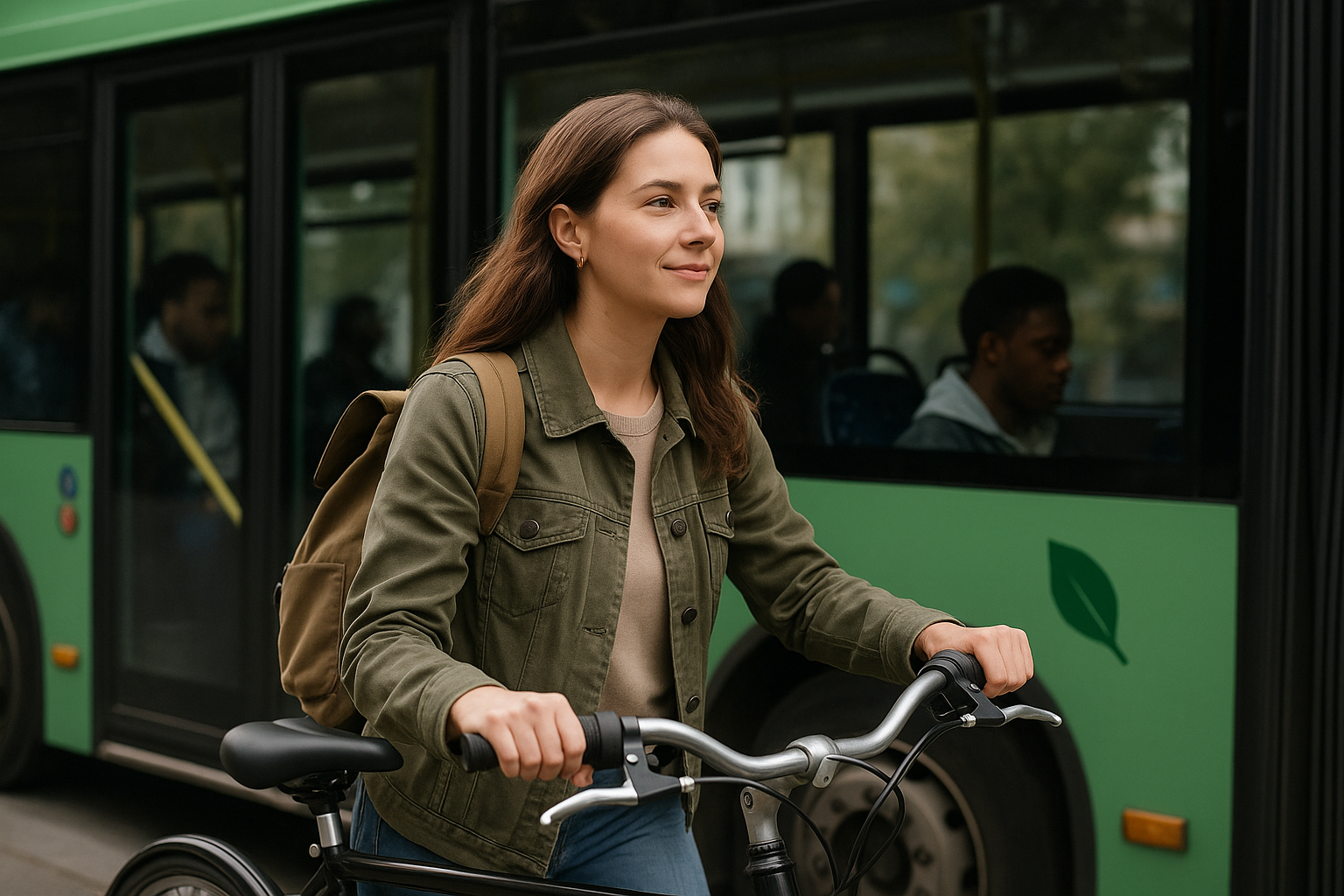
Public transit represents one of the most effective ways to reduce commuting emissions. A single bus can remove up to 40 cars from the road, while trains can replace hundreds. Even diesel buses produce significantly lower per-passenger emissions than single-occupancy vehicles, and many transit systems are transitioning to electric or hybrid fleets.
The environmental advantages extend beyond direct emissions. Public transportation reduces traffic congestion, which decreases idle time for all vehicles and improves overall air quality. Cities with robust public transit systems show measurably lower pollution levels and reduced urban heat island effects.
Modern transit apps have eliminated much of the uncertainty that previously deterred riders. Real-time tracking, route planning, and mobile ticketing make public transportation more convenient than ever. You can use commute time productively for reading, working, or relaxing—benefits impossible while driving.
Overcoming Public Transit Obstacles
The “last mile problem” often prevents people from choosing public transit. Creative solutions include keeping a folding bike or scooter on the train, using bike-share systems near stations, or coordinating with neighbors for shared rides to transit stops. Many transit authorities now integrate with ride-sharing services for seamless multi-modal journeys.
If public transit takes longer than driving, consider the hidden time costs of car ownership: maintenance appointments, fuel stops, and the stress of traffic navigation. Many commuters find that transit time becomes productive personal time rather than wasted driving time.
🚗 Drive Smarter When Driving Is Necessary
Sometimes driving remains unavoidable, but how you drive dramatically impacts your environmental footprint. Eco-driving techniques can reduce fuel consumption by 25% without requiring vehicle changes or route modifications.
Smooth acceleration and braking make the biggest difference. Aggressive driving—rapid acceleration and hard braking—can lower fuel efficiency by 33% on highways and 5% around town. Anticipate traffic flow, maintain steady speeds, and coast to stops when safe. These habits also reduce wear on brakes and tires, saving money while protecting the environment.
Speed management matters more than many realize. Fuel economy typically peaks around 50 mph and decreases significantly at higher speeds due to air resistance. Reducing highway speed from 75 to 65 mph can improve fuel economy by up to 15%, trimming both emissions and fuel costs.
Vehicle Maintenance for Efficiency
Proper vehicle maintenance ensures optimal fuel efficiency. Under-inflated tires can lower fuel economy by 3%, while dirty air filters reduce efficiency in older vehicles. Regular oil changes with the manufacturer-recommended grade, properly inflated tires, and timely tune-ups keep your vehicle running cleanly and efficiently.
Remove unnecessary weight from your vehicle. An extra 100 pounds can reduce fuel economy by 1%. Clear out trunk clutter, remove roof racks when not in use (they increase drag), and avoid filling the tank completely if you don’t need a full range—gasoline itself weighs about six pounds per gallon.
🤝 Carpooling and Ride-Sharing Revolution
Sharing rides cuts per-person emissions dramatically while reducing traffic congestion. A carpool with four people reduces individual transportation emissions by 75% compared to driving alone. Beyond environmental benefits, carpooling saves money on fuel, tolls, and parking while often qualifying for high-occupancy vehicle lane access.
Modern technology has simplified finding carpool partners. Workplace carpool programs, neighborhood apps, and specialized ride-sharing platforms connect people with similar routes and schedules. Many employers incentivize carpooling with preferred parking spots, financial rewards, or guaranteed ride home programs for emergencies.
Vanpool programs offer another excellent option, particularly for longer commutes. These employer-sponsored or transit-authority-managed programs provide dedicated vehicles for groups of 7-15 commuters sharing similar routes. Vanpools typically cost less than driving alone while offering social benefits and stress reduction.
Making Carpooling Work Long-Term
Successful carpools require clear communication and flexibility. Establish expectations about punctuality, music preferences, conversation levels, and cost-sharing upfront. Build in backup plans for schedule changes—knowing you have alternatives reduces anxiety about committing to shared transportation.
Start small with one or two days per week rather than committing to full-time carpooling immediately. This allows relationships to develop naturally and provides flexibility for varying schedules. Many successful carpools evolved from occasional ride-sharing into regular arrangements as trust and compatibility developed.
⚡ Embrace Electric and Alternative Fuel Vehicles
Electric vehicles (EVs) produce zero tailpipe emissions and significantly lower lifecycle emissions than gasoline vehicles, even when electricity comes from fossil fuel sources. As electrical grids incorporate more renewable energy, EV environmental advantages continue growing. In regions with clean electricity, EVs can reduce emissions by 70% or more compared to conventional vehicles.
Range anxiety—fear of running out of battery—deterred early EV adoption, but modern electric vehicles offer ranges exceeding 250 miles, more than adequate for typical commuting. Home charging overnight provides convenience impossible with gasoline vehicles: starting each day with a “full tank” without visiting stations.
For those not ready for fully electric vehicles, plug-in hybrids offer a transition option. These vehicles run on electricity for short trips while maintaining gasoline capability for longer journeys. Many commuters complete their daily routine entirely on electric power, using gasoline only for occasional long trips.
Making the EV Switch Practical
Evaluate your actual driving patterns rather than worst-case scenarios. Most people overestimate their range needs based on rare long trips. If you drive under 40 miles daily (true for 95% of American commutes), even affordable used EVs meet your needs completely.
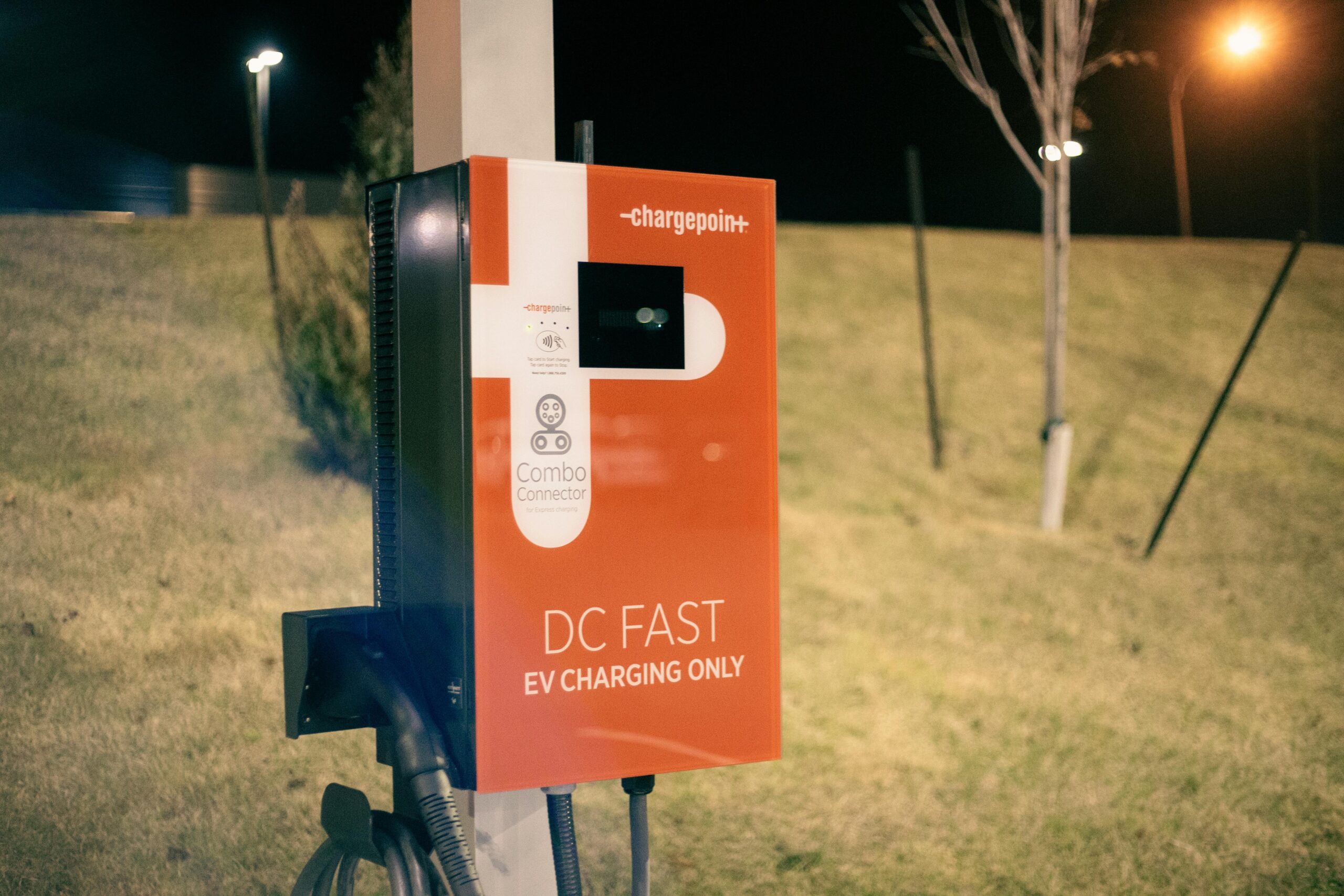
Charging infrastructure continues expanding rapidly. Workplace charging, public stations, and home installation options make EV ownership increasingly practical. Federal and state incentives often reduce purchase costs significantly, while lower fuel and maintenance expenses provide ongoing savings that offset higher initial prices.
🗺️ Strategic Route and Timing Optimization
When and how you travel impacts emissions significantly. Traffic congestion forces vehicles into stop-and-go patterns that dramatically increase fuel consumption and emissions. A trip during rush hour can produce 50% more emissions than the same journey during off-peak times.
Flexible work arrangements offer environmental benefits beyond remote work. Compressed workweeks, staggered start times, and flexible hours allow commuting during less congested periods. If your employer permits, arriving 30 minutes earlier or later can transform your commute experience while reducing emissions.
Route selection matters beyond just distance. Highway driving generally produces fewer emissions per mile than stop-and-go city streets, despite being longer. Navigation apps like Waze and Google Maps now offer eco-friendly routing options that optimize for fuel efficiency rather than just time or distance.
Combining Trips Strategically
Trip chaining—combining multiple errands into single outings—reduces total driving and emissions. Cold starts produce disproportionately high emissions, so running all errands in one trip rather than multiple separate trips significantly reduces environmental impact. Plan weekly activities to minimize separate journeys.
Remote work eliminates commuting entirely for those days, offering the ultimate emissions reduction. If full-time remote work isn’t possible, hybrid arrangements combining office and home days significantly reduce weekly transportation emissions while maintaining workplace connections and collaboration.
💚 Small Changes That Add Up
Individual actions might seem insignificant, but collective impact creates meaningful change. If just 10% of American commuters switched one car trip per week to public transit, walking, or cycling, we’d reduce carbon emissions by approximately 20 million tons annually—equivalent to taking 4 million cars off the road.
Start with what feels manageable. Perhaps that means walking to nearby errands instead of driving, carpooling one day per week, or simply maintaining proper tire pressure. Small consistent actions build momentum toward larger changes. Many committed cyclists and transit riders began with single experimental trips that revealed unexpected benefits.
Track your progress to maintain motivation. Apps that calculate carbon savings from alternative transportation choices provide tangible feedback on your environmental impact. Seeing cumulative emissions avoided—whether tons of CO2 or gallons of fuel saved—reinforces positive behaviors and inspires continued commitment.
🌍 Creating Lasting Commuting Habits
Sustainable commuting becomes easier with practice as you discover what works for your situation. Your perfect solution might combine multiple strategies: cycling in good weather, using transit when it rains, and carpooling during winter. Flexibility and variety often prove more sustainable than rigid all-or-nothing approaches.
Connect with others pursuing similar goals. Community support makes sustainable choices easier and more enjoyable. Join local cycling groups, carpool networks, or online communities focused on sustainable living. Shared experiences provide practical tips, motivation during challenges, and celebration of progress.
Remember that perfection isn’t the goal—progress is. Every gallon of fuel saved, every mile cycled, and every transit trip taken contributes to a healthier planet. Your commuting choices ripple beyond personal emissions reduction, influencing friends, family, and coworkers while supporting infrastructure investment in sustainable transportation options.
The journey toward sustainable commuting starts with a single choice. Whether that means inflating your tires properly tonight, researching transit options this weekend, or planning your first bike commute for next week, take that first step. Your carbon footprint reduction begins not with perfect solutions but with practical actions taken consistently over time. The planet doesn’t need a handful of people commuting perfectly—it needs millions of people commuting better, one trip at a time. 🌱