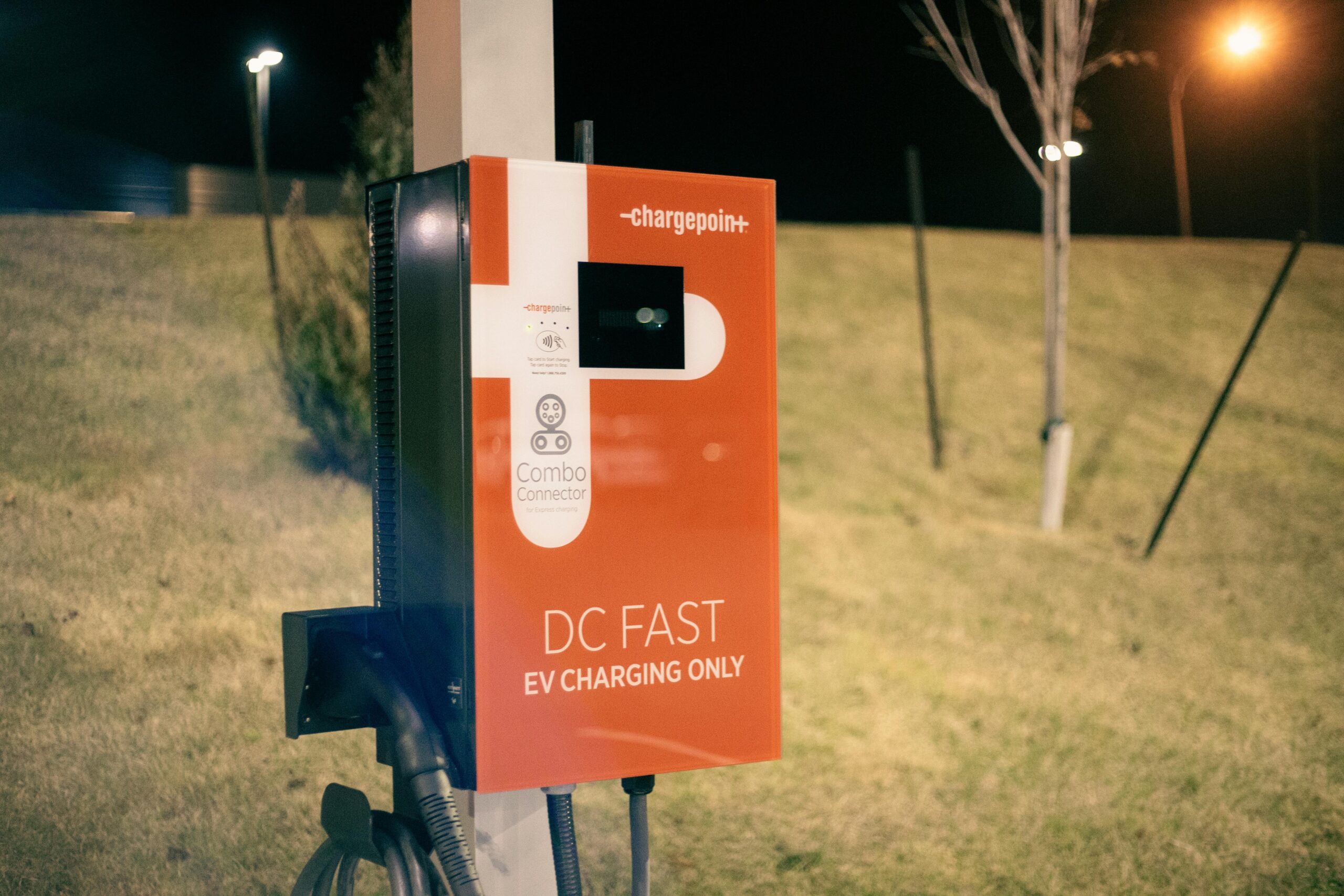
The future of urban mobility is here, and it’s transforming how millions of people navigate cities every day through intelligent, integrated MaaS platforms.

🚀 Understanding the MaaS Revolution in Modern Transportation
Mobility as a Service (MaaS) represents a fundamental shift in how we approach urban transportation. Rather than relying on a single mode of transport or juggling multiple disconnected apps, MaaS platforms integrate various transportation options into one seamless digital experience. From public transit and bike-sharing to ride-hailing and car rentals, everything becomes accessible through a single interface.
This revolutionary approach addresses one of the most pressing challenges facing urban centers worldwide: transportation fragmentation. Traditional commuting often requires switching between different apps, payment methods, and planning tools. MaaS eliminates these friction points by creating a unified ecosystem where travelers can plan, book, and pay for their entire journey in one place.
The global MaaS market is experiencing explosive growth, with projections indicating it could reach over $40 billion by 2030. Cities across Europe, Asia, and North America are embracing this technology as a solution to traffic congestion, pollution, and inefficient transportation networks. The convenience factor alone has attracted millions of users who appreciate the simplicity of having multiple mobility options at their fingertips.
💡 How MaaS Platforms Are Transforming Daily Commutes
Imagine waking up and checking your smartphone to see the fastest route to work, which might combine a short bike ride, a subway journey, and an electric scooter for the last mile. Your MaaS app calculates real-time options based on current traffic, weather conditions, transit schedules, and your personal preferences. With one tap, you book the entire journey and pay through a single transaction.
This isn’t science fiction—it’s the daily reality for users of advanced MaaS platforms. These systems leverage sophisticated algorithms and real-time data to optimize routes continuously. If your initial train is delayed, the app automatically suggests alternative combinations, rebooks necessary segments, and adjusts subsequent connections accordingly.
The personalization aspect sets modern MaaS platforms apart from traditional transportation apps. By learning your preferences, typical routes, and travel patterns, these platforms become increasingly efficient at suggesting options that match your specific needs. Some users prioritize speed, others prefer cost-effectiveness, while environmentally conscious travelers might choose routes with the lowest carbon footprint.
Real-Time Integration Makes the Difference
The power of MaaS platforms lies in their ability to integrate real-time information from dozens of transportation providers simultaneously. This includes live updates on bus locations, subway delays, available bike-share stations, ride-hailing wait times, and parking availability. The aggregation of this data creates a comprehensive mobility picture that no single-service app can match.
Weather integration adds another layer of intelligence. When rain is detected, the platform might automatically suggest covered transit options or rides instead of bike-sharing. During extreme heat or cold, it adjusts walking segments to minimize outdoor exposure. These subtle optimizations significantly improve the commuting experience.
🌍 Environmental Benefits Driving MaaS Adoption
One of the most compelling arguments for MaaS platforms is their positive environmental impact. By making multimodal transportation easier and more attractive than private car ownership, these platforms contribute to reducing urban carbon emissions. Studies show that active MaaS users reduce their car usage by an average of 25-40%, with some eliminating private vehicles entirely.
Cities implementing comprehensive MaaS solutions report measurable improvements in air quality and reductions in traffic congestion. When people can seamlessly combine walking, cycling, and public transit with on-demand services, the reliance on single-occupancy vehicles decreases dramatically. This shift not only reduces emissions but also reclaims urban space previously dedicated to parking and road infrastructure.
Many MaaS platforms now include carbon footprint tracking, allowing users to see the environmental impact of their transportation choices. Gamification elements encourage sustainable travel through rewards programs that recognize users who consistently choose greener options. This combination of convenience and environmental consciousness resonates particularly well with younger, eco-aware demographics.
📱 Key Features That Define Leading MaaS Platforms
Not all MaaS platforms are created equal. The most successful implementations share several critical features that distinguish them from basic transportation apps:
- Unified payment systems: Single wallet or payment method for all transportation modes
- Journey planning algorithms: AI-powered route optimization considering multiple variables
- Real-time updates: Live tracking and instant notifications about service disruptions
- Subscription options: Monthly mobility packages that bundle different services
- Seamless transfers: Coordinated booking across different providers without manual intervention
- Accessibility features: Options for users with disabilities or special requirements
- Price comparison: Transparent cost displays across different route combinations
- Multi-language support: Essential for international travelers and diverse urban populations
The Role of Artificial Intelligence and Machine Learning
Modern MaaS platforms rely heavily on AI and machine learning to deliver superior experiences. These technologies analyze millions of data points to predict demand patterns, optimize pricing, and suggest the most efficient routes. Over time, the systems learn from user behavior to make increasingly accurate recommendations.
Predictive analytics help platforms anticipate congestion before it occurs, routing users around problem areas proactively. Machine learning models can identify when a user might need transportation based on calendar integration, location patterns, and historical data, sometimes suggesting bookings before the user even opens the app.
🏙️ Cities Leading the MaaS Implementation
Several forward-thinking cities have emerged as pioneers in MaaS deployment, offering valuable lessons for others looking to implement similar systems. Helsinki, Finland, often receives credit as the birthplace of comprehensive MaaS with its Whim application, which allows residents to access all city transportation through subscription plans comparable to traditional transit passes but far more flexible.
Singapore has integrated MaaS principles into its Smart Nation initiative, creating a highly efficient transportation ecosystem that combines public transit with private mobility services. The city-state’s approach emphasizes data sharing between government agencies and private operators to create a truly unified system.
Barcelona, Vienna, and Amsterdam have developed robust MaaS frameworks that balance public transportation priorities with private mobility services. These European cities demonstrate how MaaS can work in historic urban environments with complex transportation networks and diverse user needs.
Challenges in Global MaaS Expansion
Despite success stories, MaaS implementation faces significant challenges. Regulatory frameworks in many regions haven’t kept pace with the technology, creating legal ambiguities around liability, data sharing, and operator responsibilities. Transportation providers sometimes resist integration due to concerns about losing direct customer relationships or competitive advantages.
Technical interoperability remains another hurdle. Different transit systems use incompatible ticketing technologies, making seamless transfers difficult to implement. Payment processing across multiple providers, especially internationally, introduces complexity that affects user experience and operational costs.
💰 Economic Models and Subscription Strategies
MaaS platforms have experimented with various business models to find sustainable economic approaches. The subscription model has gained significant traction, offering users monthly mobility bundles that include credits for different transportation modes. This approach provides predictable revenue for operators while giving users budget certainty.
Tiered subscription plans cater to different user segments. Light users might pay $50-$100 monthly for basic access with discounts on services, while heavy commuters could opt for $300-$500 plans that include unlimited public transit, substantial ride-hailing credits, and bike-share access. Premium tiers sometimes add perks like airport transfers or priority customer support.
The pay-as-you-go model remains popular for occasional users or tourists who don’t need subscriptions. These users still benefit from integrated planning and booking but pay standard rates for each journey segment. Some platforms combine both approaches, allowing users to switch between models based on changing needs.
🔐 Privacy and Data Security Considerations
With MaaS platforms collecting extensive data about user movements, preferences, and payment information, privacy concerns naturally arise. Responsible platforms implement robust encryption, clear data usage policies, and give users control over what information is shared and with whom.
European platforms operating under GDPR requirements have set high standards for data protection that many other regions are beginning to adopt. Users can typically access, export, or delete their data, and platforms must clearly explain how location and travel information is used for service improvements versus marketing purposes.
Anonymization techniques help platforms analyze aggregate travel patterns for network optimization without compromising individual privacy. However, the balance between providing personalized services and protecting user anonymity remains an ongoing challenge that regulators and platform operators continue to navigate.
🚗 Integration with Emerging Mobility Technologies
The MaaS ecosystem is rapidly expanding to incorporate cutting-edge transportation technologies. Electric scooters and bikes have become standard offerings, but platforms are now integrating electric vehicle charging networks, autonomous shuttle pilots, and even flying taxi bookings in forward-looking implementations.
As autonomous vehicles become commercially viable, MaaS platforms are positioned to serve as the primary interface through which users access these services. Rather than individuals owning autonomous cars, the MaaS model suggests a future where fleets of self-driving vehicles respond to demand through intelligent routing systems.
Micro-mobility options continue diversifying with electric skateboards, hoverboards, and other personal transportation devices finding their way into comprehensive MaaS offerings. The challenge lies in maintaining quality standards and safety protocols across increasingly varied transportation modes.
📊 Measuring Success: KPIs for MaaS Platforms
Evaluating MaaS platform performance requires tracking multiple metrics beyond simple user counts. Successful platforms monitor journey completion rates, which indicate how often planned trips actually occur as booked. High completion rates suggest accurate predictions and reliable service integration.
Modal shift metrics track changes in how users travel, particularly reductions in private car usage. Environmental impact measurements including carbon emissions saved provide compelling evidence for policy makers and environmentally conscious users. Customer satisfaction scores and net promoter scores indicate whether the platform truly improves the commuting experience.
Economic indicators include average revenue per user, subscription retention rates, and cost per acquisition. For city-operated or subsidized platforms, metrics might focus more on congestion reduction, public transit ridership increases, and overall transportation network efficiency improvements.
🌟 The Future Landscape of Urban Mobility
Looking ahead, MaaS platforms will likely become even more integrated into the fabric of urban life. Cross-border implementations could allow seamless travel planning across multiple countries using a single app and payment method. Imagine planning a journey from London to Barcelona that integrates trains, flights, local transit, and bike-shares through one interface.
The convergence of MaaS with smart city initiatives promises even greater optimization. Traffic lights could adjust timing based on real-time demand data from MaaS platforms. Parking availability could dynamically influence route suggestions. Public transit scheduling might become more responsive to actual demand patterns revealed through platform analytics.
Personalization will reach new levels as artificial intelligence becomes more sophisticated. Platforms might proactively suggest leaving earlier due to predicted congestion, recommend alternate routes based on user health goals (suggesting walking when time permits), or integrate with calendars to ensure users never miss important appointments due to transportation delays.
🎯 Making the Switch: How to Start Using MaaS
For those ready to revolutionize their commute, starting with MaaS is straightforward. Research which platforms operate in your city—many urban areas now have at least one comprehensive option. Download the app and explore available transportation modes before committing to any subscription plans.
Begin by using the platform for route planning even if you continue using individual service apps initially. This helps you understand how integrated planning differs from your current approach. Once comfortable, try booking a complete multimodal journey through the platform to experience the convenience firsthand.
Compare the costs of potential subscription plans against your current transportation spending. Many users discover that monthly MaaS subscriptions cost less than their previous combination of individual services while offering greater flexibility. The environmental and convenience benefits often seal the decision for those on the fence.

🔄 Transforming Transportation One Journey at a Time
MaaS platforms represent more than technological innovation—they embody a fundamental reimagining of urban mobility. By removing barriers between different transportation modes and creating truly integrated experiences, these platforms make sustainable, efficient commuting accessible to everyone with a smartphone.
The transformation is already underway in leading cities, with millions of users experiencing the benefits of seamless multimodal transportation daily. As more cities adopt MaaS frameworks, as technology continues improving, and as user adoption increases, we’re moving toward a future where owning a car becomes optional even in suburban areas.
The revolution in urban mobility isn’t coming—it’s already here, waiting at your fingertips. Whether you’re frustrated with traffic congestion, concerned about environmental impact, or simply seeking a more convenient way to navigate your city, MaaS platforms offer solutions that were unimaginable just a decade ago. The question isn’t whether to join this transportation revolution, but how quickly you can embrace the future of mobility that’s transforming cities worldwide.