The convergence of intelligent infrastructure and autonomous technology is transforming how we move, creating safer, more efficient roadways for millions of drivers worldwide.

🚗 The Dawn of Intelligent Transportation Systems
Transportation infrastructure has remained relatively unchanged for decades, but we’re now witnessing a paradigm shift. Smart highways represent the next evolution in road design, integrating sensors, cameras, and communication systems directly into the pavement and surrounding infrastructure. These technological marvels work in concert with connected vehicles to create an ecosystem where roads and cars communicate seamlessly.
The traditional concept of highways as passive surfaces is rapidly becoming obsolete. Modern smart highways are dynamic environments that monitor traffic flow, weather conditions, road surface quality, and potential hazards in real-time. This transformation isn’t just about adding technology for technology’s sake—it’s about fundamentally reimagining how transportation infrastructure serves society.
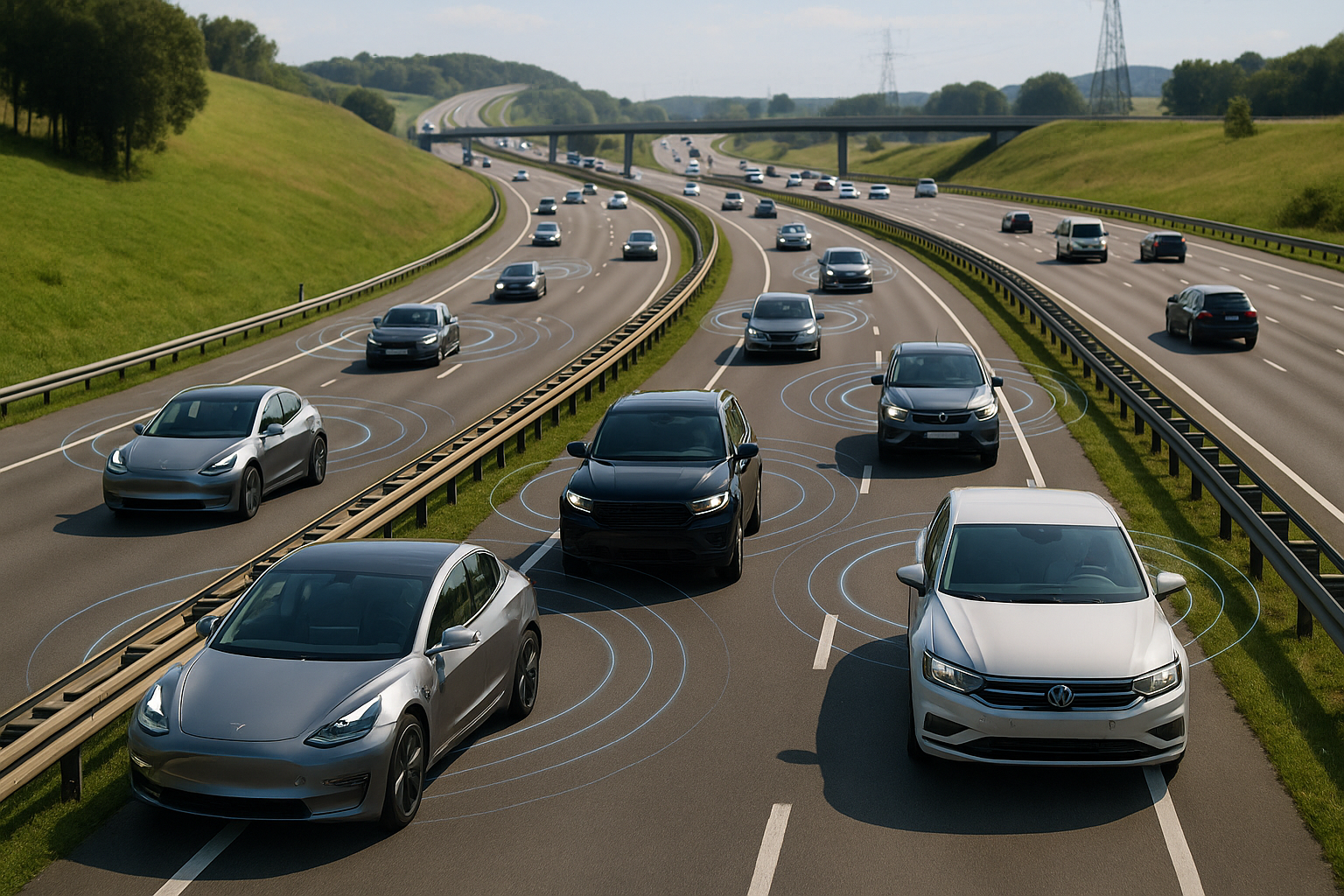
Connected vehicles complement this infrastructure revolution by acting as mobile data nodes. Equipped with Vehicle-to-Everything (V2X) communication capabilities, these vehicles constantly exchange information with road infrastructure, other vehicles, and cloud-based systems. This two-way communication creates unprecedented opportunities for improving safety, reducing congestion, and minimizing environmental impact.
🛣️ Core Technologies Powering Smart Highway Evolution
Several breakthrough technologies are converging to make smart highways a reality. Understanding these foundational elements helps appreciate the magnitude of this transportation revolution.
Embedded Sensor Networks and IoT Integration
Modern smart highways incorporate vast networks of sensors embedded throughout the infrastructure. These include pressure sensors that detect traffic volume and weight distribution, temperature sensors that monitor road conditions for ice formation, and moisture sensors that predict flooding risks. The Internet of Things (IoT) framework connects these sensors, creating a comprehensive monitoring system that provides unprecedented visibility into highway conditions.
These sensor arrays generate massive data streams that artificial intelligence systems analyze to identify patterns and predict issues before they become critical. For instance, sensors can detect subtle changes in pavement integrity that indicate potential pothole formation, enabling preventive maintenance that saves money and prevents accidents.
Vehicle-to-Infrastructure Communication Protocols
V2I (Vehicle-to-Infrastructure) communication represents the crucial link between smart highways and connected vehicles. Using dedicated short-range communications (DSRC) or cellular V2X (C-V2X) protocols, vehicles receive real-time updates about traffic signals, speed limits, construction zones, and hazardous conditions ahead.
This communication isn’t unidirectional—vehicles also transmit data back to infrastructure systems, reporting their speed, location, and operating conditions. This creates a feedback loop where the highway system constantly learns and adapts to actual traffic patterns rather than relying solely on predictive models.
Artificial Intelligence and Predictive Analytics
The true power of smart highways emerges when AI systems process the enormous data volumes generated by sensors and connected vehicles. Machine learning algorithms identify congestion patterns, predict accident-prone situations, and optimize traffic signal timing across entire metropolitan areas. These systems learn continuously, becoming more accurate and effective over time.
Predictive analytics enable proactive rather than reactive management. Instead of responding to accidents after they occur, smart highway systems can identify dangerous conditions—like sudden weather changes or erratic driving patterns—and take preventive action by adjusting speed limits, activating warning signs, or alerting emergency services.
🌟 Transformative Benefits Reshaping Our Roads
The integration of smart highways and connected vehicles delivers tangible benefits that extend far beyond mere technological achievement. These advantages are reshaping transportation in measurable ways.
Dramatic Safety Improvements
Safety represents perhaps the most compelling argument for smart highway adoption. Human error causes approximately 94% of traffic accidents, according to transportation safety research. Connected vehicle technology addresses this by providing drivers with information they couldn’t otherwise access and by enabling advanced driver assistance systems (ADAS) that intervene when collisions are imminent.
Smart highways enhance safety through multiple mechanisms. Dynamic message signs warn drivers of hazards ahead, adaptive lighting systems improve visibility during adverse weather, and automated incident detection systems dispatch emergency services within seconds of an accident. The cumulative effect of these technologies has demonstrated accident reduction rates of 20-40% in pilot programs worldwide.
Congestion Reduction and Traffic Flow Optimization
Traffic congestion costs the global economy hundreds of billions annually in lost productivity and wasted fuel. Smart highway systems attack this problem through intelligent traffic management that responds to real-time conditions. Adaptive traffic signals synchronize to create “green waves” that minimize stops, while variable speed limits smooth traffic flow and prevent the stop-and-go patterns that create phantom traffic jams.
Connected vehicles contribute by receiving route guidance that accounts for current traffic conditions across the entire road network. When thousands of vehicles adjust their routes based on comprehensive traffic data, the load distributes more evenly across available infrastructure, reducing bottlenecks and improving overall network capacity without building additional lanes.
Environmental Impact and Sustainability
Transportation accounts for nearly a quarter of global energy-related carbon emissions. Smart highways and connected vehicles address this through multiple pathways. Optimized traffic flow reduces the idling and acceleration that consume disproportionate fuel. Some smart highway designs incorporate solar panels or piezoelectric materials that generate electricity from traffic movement, partially powering the infrastructure itself.
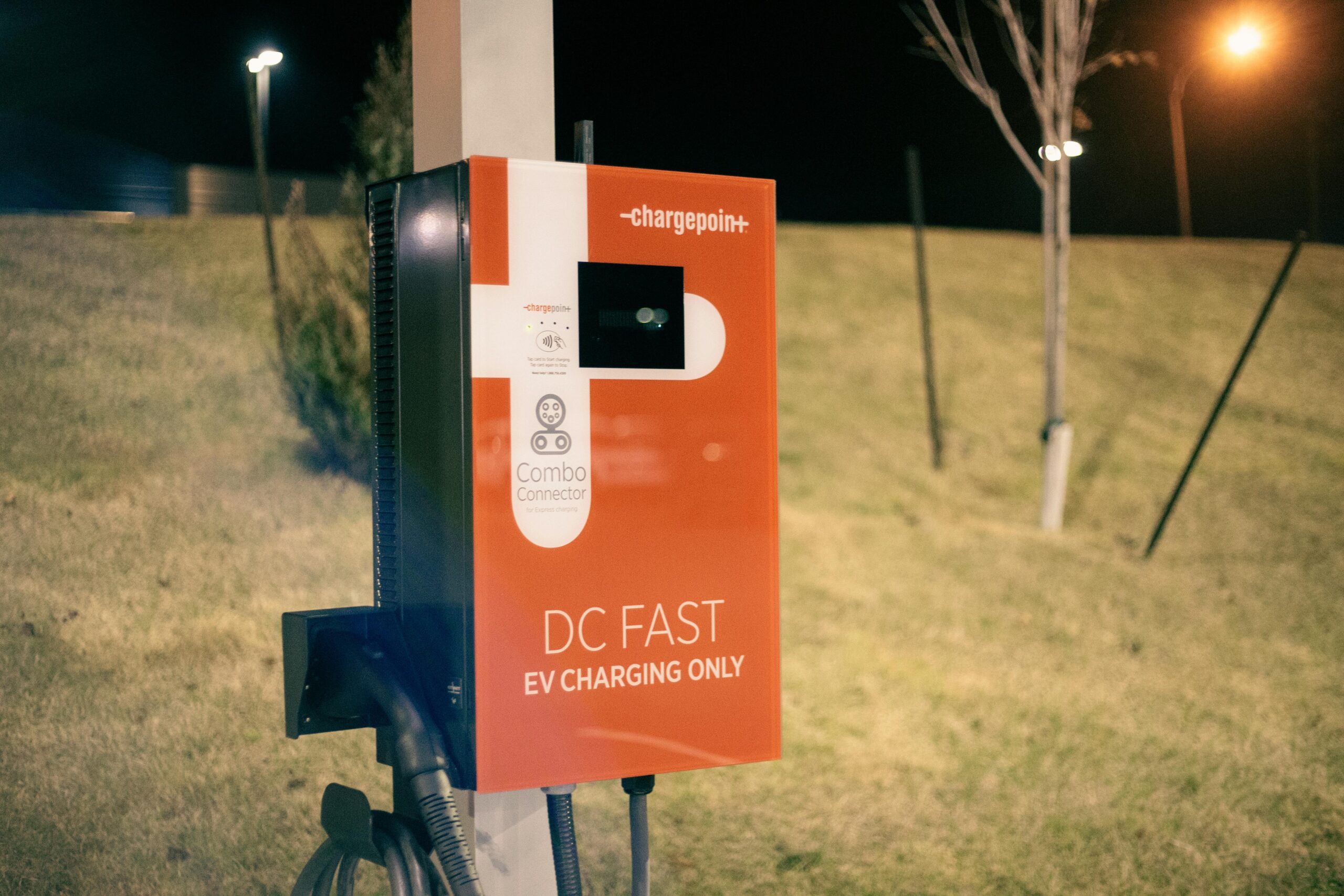
Electric vehicle integration represents another sustainability dimension. Smart highways can include dynamic wireless charging systems that replenish EV batteries while driving, extending range and reducing charging anxiety. Connected vehicle systems also optimize routing to minimize energy consumption, considering factors like elevation changes and traffic patterns when calculating the most efficient path.
🔧 Real-World Implementation Challenges
Despite the enormous potential, deploying smart highway infrastructure and connected vehicle ecosystems faces significant obstacles that must be addressed for widespread adoption.
Infrastructure Investment Requirements
Retrofitting existing highways with smart technology requires substantial capital investment. Estimates for comprehensive smart highway systems run into millions per mile, creating budget challenges for transportation agencies already struggling with maintenance backlogs on conventional infrastructure. This economic reality means implementation will be gradual, potentially creating gaps in coverage that limit effectiveness.
Public-private partnerships offer one solution, allowing private investment in exchange for operational concessions or data access rights. However, these arrangements raise questions about data ownership and public access to infrastructure that taxpayers ultimately fund.
Cybersecurity and Data Privacy Concerns
Connected transportation systems create unprecedented cybersecurity challenges. A smart highway network represents thousands of potential attack vectors, and successful intrusions could have catastrophic consequences—from traffic signal manipulation causing accidents to wholesale data theft affecting millions of drivers.
Privacy concerns are equally significant. Connected vehicles generate detailed location data that reveals travel patterns, habits, and personal information. While this data enables the system’s functionality, it also creates surveillance possibilities that many find troubling. Regulatory frameworks must balance legitimate privacy expectations with the operational requirements of connected transportation systems.
Standardization and Interoperability
The global nature of automobile manufacturing and travel creates a pressing need for international standards. A vehicle equipped for smart highway communication in one country must function seamlessly when crossing borders. Unfortunately, competing technical standards—particularly the DSRC versus C-V2X debate—threaten to fragment the connected vehicle ecosystem.
Industry collaboration and government coordination are essential to establish universal protocols that enable true interoperability. Without such standards, the connected vehicle promise remains partially unfulfilled, with capability variations creating confusion and limiting effectiveness.
🌍 Leading Smart Highway Initiatives Worldwide
Several countries and regions have launched ambitious smart highway projects that provide valuable lessons for broader implementation.
European Union’s Cooperative Intelligent Transport Systems
The EU has invested heavily in C-ITS deployment, with multiple corridors featuring comprehensive V2X infrastructure. Projects like the C-Roads platform test cross-border interoperability, ensuring vehicles can communicate with infrastructure regardless of which European country they’re traveling through. These initiatives emphasize harmonized standards and coordinated implementation across member states.
Asian Innovation in Connected Infrastructure
China has emerged as a global leader in smart highway deployment, with extensive V2X infrastructure in major cities and along key transportation corridors. The country’s centralized planning enables rapid, coordinated implementation that overcomes some fragmentation challenges facing other regions. Japan and South Korea have similarly invested in connected vehicle infrastructure, often integrating these systems with their advanced public transportation networks.
North American Pilot Programs
The United States has pursued smart highway development through diverse pilot programs rather than centralized national implementation. Projects in Michigan, Ohio, and Florida test different technical approaches and business models. While this creates some coordination challenges, it also fosters innovation and identifies optimal solutions through competitive experimentation.
🚀 The Road Ahead: Emerging Trends and Future Possibilities
Smart highway and connected vehicle technology continues evolving rapidly, with several emerging trends pointing toward even more transformative possibilities.
Autonomous Vehicle Integration
Fully autonomous vehicles represent the ultimate expression of connected transportation technology. Smart highways will be essential enablers of widespread autonomous vehicle deployment, providing the infrastructure-level support that allows self-driving systems to operate safely and efficiently. Dedicated autonomous vehicle lanes with enhanced V2I communication could emerge on smart highways, creating high-capacity corridors for driverless traffic.
5G and Beyond: Next-Generation Connectivity
Fifth-generation cellular networks offer the low latency and high bandwidth necessary for advanced connected vehicle applications. As 5G deployment expands, smart highways will leverage this connectivity for more sophisticated services, including ultra-reliable low-latency communication that enables safety-critical applications. Future 6G networks promise even greater capabilities, potentially enabling holographic traffic displays and augmented reality navigation systems integrated directly into vehicle windshields.
Integrated Mobility Ecosystems
Smart highways won’t exist in isolation but will integrate with broader mobility ecosystems that include public transit, shared mobility services, and micro-mobility options like e-bikes and scooters. Connected infrastructure will coordinate these diverse transportation modes, enabling seamless multimodal journeys where travelers transition effortlessly between different vehicle types based on efficiency, cost, and convenience.
💡 Preparing for the Connected Transportation Future
The smart highway revolution requires preparation from multiple stakeholders—government agencies, technology companies, automobile manufacturers, and individual drivers.
Policymakers must develop regulatory frameworks that encourage innovation while protecting public interests in safety, privacy, and equitable access. This includes establishing technical standards, creating funding mechanisms for infrastructure deployment, and addressing liability questions that arise when automated systems share control of vehicles.
The automotive industry must continue investing in connected vehicle technology while ensuring backward compatibility that allows both equipped and non-equipped vehicles to share roads during the extended transition period. Consumer education will be crucial—drivers need to understand these systems’ capabilities and limitations to use them effectively and safely.
Individual preparation means staying informed about connected vehicle technology and considering connectivity features when making vehicle purchase decisions. As smart highway infrastructure expands, vehicles without V2X capabilities will increasingly miss opportunities for enhanced safety and efficiency.
🎯 Maximizing the Smart Highway Revolution’s Potential
Realizing the full promise of smart highways and connected vehicles requires coordinated effort across society. The technology exists, but successful implementation depends on thoughtful deployment strategies that address economic, social, and technical challenges.
Investment priorities should focus on high-impact corridors where dense traffic and accident rates justify the expense. These initial deployments create demonstration effects that build public support for broader implementation. Data sharing frameworks must balance commercial interests with the public good, ensuring that the insights generated by connected transportation systems benefit society broadly rather than enriching only a few corporations.
Education initiatives should prepare the workforce for the transportation jobs of tomorrow, which will increasingly involve data analysis, system management, and cybersecurity rather than just traditional civil engineering and maintenance skills. Public awareness campaigns can build understanding and acceptance of these technologies, addressing concerns while highlighting benefits.
The revolution in smart highways and connected vehicles represents more than technological progress—it’s a fundamental reimagining of transportation’s role in society. These systems promise safer roads, cleaner air, reduced congestion, and enhanced mobility for all. The journey toward this future has begun, and while challenges remain, the destination offers tremendous value that justifies the effort required to get there. As infrastructure and vehicles grow smarter and more connected, we move closer to a transportation system that serves human needs more effectively than ever before possible.