Urban transportation is undergoing a revolutionary transformation as autonomous buses and intelligent transit systems redefine how millions of people move through cities every day.

🚌 The Dawn of Autonomous Public Transportation
The streets of modern cities are witnessing a remarkable shift in mobility solutions. Autonomous buses represent more than just technological innovation—they embody a fundamental reimagining of urban transit infrastructure. These self-driving vehicles, equipped with advanced sensors, artificial intelligence, and machine learning capabilities, are gradually becoming integral components of smart city ecosystems worldwide.
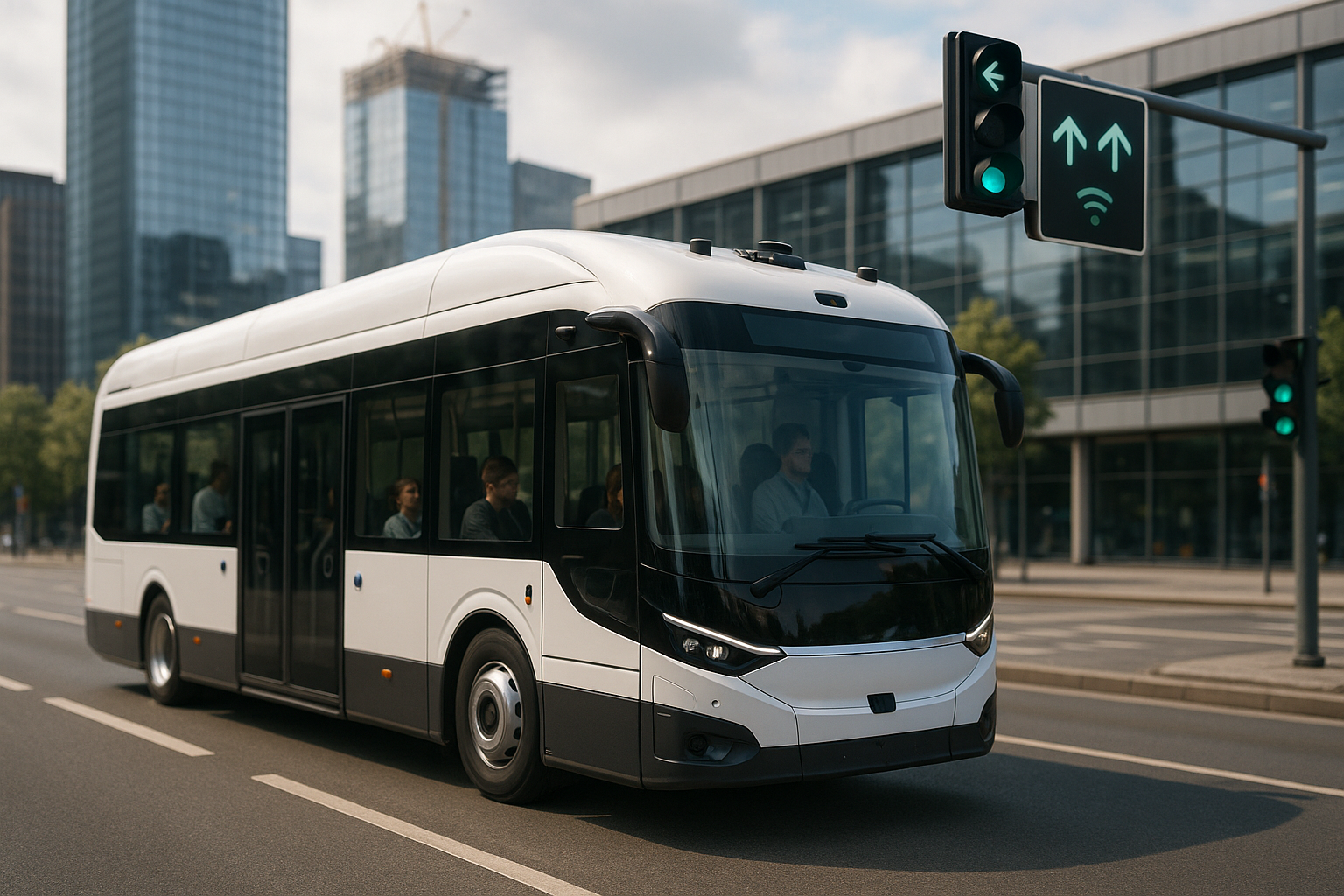
From Singapore to Helsinki, pilot programs have demonstrated that autonomous buses can operate safely alongside traditional traffic. These vehicles utilize LiDAR technology, cameras, radar systems, and sophisticated algorithms to navigate complex urban environments, detect obstacles, and make split-second decisions that prioritize passenger safety above all else.
The integration of autonomous buses into existing transit networks addresses several critical challenges facing urban centers today. Traffic congestion, environmental pollution, transportation accessibility, and operational costs are all areas where smart transit systems promise significant improvements. As cities continue to grow and populations concentrate in metropolitan areas, the need for efficient, sustainable, and scalable transportation solutions becomes increasingly urgent.
🌍 Environmental Benefits and Sustainability Goals
Climate change concerns have placed enormous pressure on cities to reduce carbon emissions, and transportation accounts for a substantial portion of urban pollution. Autonomous buses, particularly electric models, offer a pathway toward greener cities and cleaner air quality for residents.
Electric autonomous buses produce zero direct emissions while operating with greater efficiency than human-driven vehicles. Their AI-powered systems optimize routes, acceleration patterns, and energy consumption in ways that human drivers simply cannot match. This optimization translates to reduced energy usage per passenger mile and lower operational costs over the vehicle’s lifetime.
Beyond individual vehicle efficiency, smart transit systems enable better network-wide resource allocation. Real-time data analysis allows transit authorities to deploy vehicles where demand is highest, reducing the number of empty or underutilized buses on roads. This dynamic fleet management minimizes unnecessary trips and maximizes the environmental benefits of electrification.
Measuring the Environmental Impact
Studies from cities implementing autonomous electric buses have shown impressive results. In some cases, emissions have decreased by up to 60% compared to traditional diesel bus fleets. Noise pollution has also declined significantly, improving quality of life in residential neighborhoods and busy commercial districts alike.
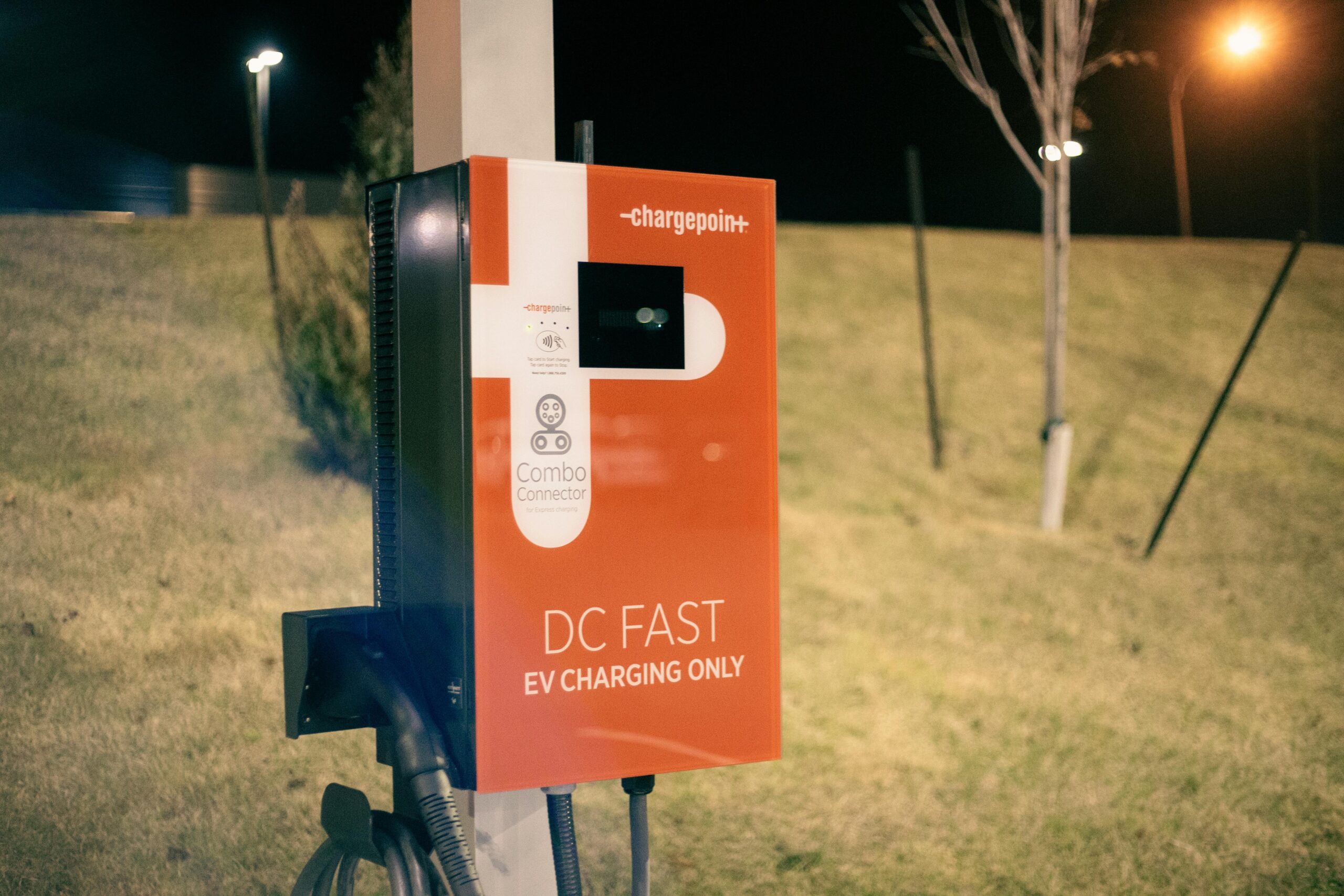
The lifecycle analysis of autonomous electric buses demonstrates advantages beyond operational emissions. As renewable energy sources become more prevalent in power grids, the carbon footprint of charging these vehicles continues to diminish. Manufacturing processes are also evolving, with increased use of recycled materials and more sustainable production methods.
💡 Smart Technology Driving the Revolution
The technological foundation of autonomous buses extends far beyond the vehicles themselves. Smart transit systems rely on comprehensive digital infrastructure that connects vehicles, passengers, traffic management centers, and urban planning systems into cohesive networks.
Artificial intelligence serves as the brain of these operations, processing vast amounts of data from multiple sources simultaneously. Machine learning algorithms continuously improve performance by analyzing patterns, predicting demand, and adapting to changing conditions. Computer vision systems interpret visual information from cameras, identifying pedestrians, cyclists, other vehicles, traffic signals, and road conditions with remarkable accuracy.
Vehicle-to-everything (V2X) communication enables autonomous buses to share information with surrounding infrastructure and other vehicles. This connectivity creates a collaborative traffic ecosystem where vehicles coordinate movements, traffic lights adjust timing based on real-time conditions, and potential hazards are communicated instantly across the network.
The Role of 5G and Edge Computing
High-speed, low-latency 5G networks provide the communication backbone necessary for autonomous transit systems to function effectively. The massive data transmission requirements of self-driving buses demand robust connectivity that can support real-time decision-making without delays that could compromise safety.
Edge computing brings processing power closer to where data is generated, reducing latency further and enabling faster response times. Instead of sending all information to distant cloud servers, edge devices process critical data locally, allowing autonomous vehicles to react to immediate situations within milliseconds.
🎯 Enhancing Accessibility and Social Equity
Transportation accessibility represents a fundamental equity issue in modern cities. Autonomous buses and smart transit systems have the potential to democratize mobility, ensuring that elderly residents, people with disabilities, and underserved communities have reliable access to transportation options.
Traditional public transit often struggles to serve dispersed suburban areas or neighborhoods with lower population density due to cost constraints. Autonomous vehicles can operate more economically on these routes, making it financially viable to extend service to previously neglected areas. This expanded coverage helps connect residents to employment opportunities, healthcare facilities, educational institutions, and social services.
For people with mobility challenges, autonomous buses can offer features specifically designed to improve accessibility. Automated ramps, voice-guided navigation, and vehicles that can “kneel” to reduce boarding height make public transit more inclusive. The predictable, smooth operation of autonomous vehicles also benefits passengers who experience motion sensitivity.
Bridging the Digital Divide
Smart transit systems must be designed with digital inclusion in mind. While smartphone apps provide convenient interfaces for many users, transit authorities are developing multi-channel access points that accommodate varying levels of technological comfort and access. Physical kiosks, phone hotlines, and traditional signage ensure that advanced transit systems remain accessible to all community members.
Language support represents another critical accessibility feature. Multilingual interfaces in both vehicles and planning apps help diverse urban populations navigate transit systems with confidence, reducing barriers that might otherwise discourage ridership among immigrant communities.
📊 Economic Implications and Cost Efficiency
The economics of autonomous buses present compelling arguments for transit authorities facing budget constraints and rising operational costs. While initial capital investments in autonomous technology and infrastructure are substantial, long-term financial benefits can justify these expenditures.
Labor costs typically represent the largest expense category for public transit systems. Autonomous buses reduce but do not entirely eliminate these costs, as human oversight, maintenance personnel, and customer service staff remain necessary. However, the ability to operate vehicles continuously without driver shift limitations improves asset utilization and service frequency without proportional cost increases.
Maintenance costs for electric autonomous buses trend lower than conventional vehicles over time. Fewer moving parts in electric drivetrains mean less mechanical wear, and predictive maintenance systems identify potential issues before they cause breakdowns. This proactive approach reduces vehicle downtime and extends fleet lifespan, maximizing the return on capital investments.
Creating New Economic Opportunities
The transition to autonomous transit systems creates job opportunities in technology sectors, vehicle manufacturing, infrastructure development, and system management. While some traditional driving positions may eventually be reduced, new roles emerge in fleet monitoring, cybersecurity, data analysis, and specialized maintenance that require different skill sets.
Cities implementing smart transit systems often experience economic development benefits that extend beyond the transportation sector. Improved mobility attracts businesses, supports property value appreciation in well-connected neighborhoods, and reduces the economic costs associated with traffic congestion and lost productivity.
🔒 Safety Standards and Public Trust
Safety remains the paramount concern surrounding autonomous vehicle technology. Public acceptance of self-driving buses depends entirely on demonstrated safety records that meet or exceed the standards set by human-operated transit systems.
Autonomous buses employ redundant safety systems that provide multiple layers of protection. If one sensor fails, others compensate. If the primary computing system encounters issues, backup systems take over. Emergency braking systems can engage independently of primary navigation systems, ensuring that vehicles can always stop safely when necessary.
Rigorous testing protocols precede the deployment of autonomous buses in public service. Millions of simulated miles, closed-course testing, and graduated real-world trials with safety operators present help validate vehicle performance under diverse conditions. Regulatory frameworks are evolving to establish standardized safety benchmarks that autonomous transit must achieve before receiving approval for passenger service.
Building Public Confidence Through Transparency
Transit authorities recognize that transparency about autonomous systems builds public trust more effectively than marketing claims alone. Open communication about how the technology works, what safety measures are in place, and how incidents are investigated when they occur helps communities feel comfortable adopting these new transportation options.
Pilot programs that allow residents to experience autonomous buses firsthand have proven especially effective at overcoming skepticism. Direct experience with the technology’s smooth operation and safety features converts many initial doubters into supporters of expanded autonomous transit implementation.
🗺️ Integration with Multimodal Transportation Networks
The most effective urban mobility solutions recognize that no single transportation mode serves all needs. Smart transit systems excel when they integrate seamlessly with bicycles, scooters, ride-sharing services, traditional buses, trains, and pedestrian infrastructure to create comprehensive mobility networks.
Digital platforms that consolidate information across transportation modes empower users to plan optimal routes that might combine walking, autonomous buses, and metro systems in a single journey. Real-time updates about delays, vehicle locations, and alternative options help passengers make informed decisions and adapt plans when circumstances change.
Physical infrastructure also requires thoughtful integration. Transit hubs where autonomous buses connect with other transportation modes need design elements that facilitate smooth transfers. Clear signage, weather protection, secure bicycle parking, and accessible pathways between different transit options all contribute to user-friendly multimodal experiences.
First-Mile and Last-Mile Solutions
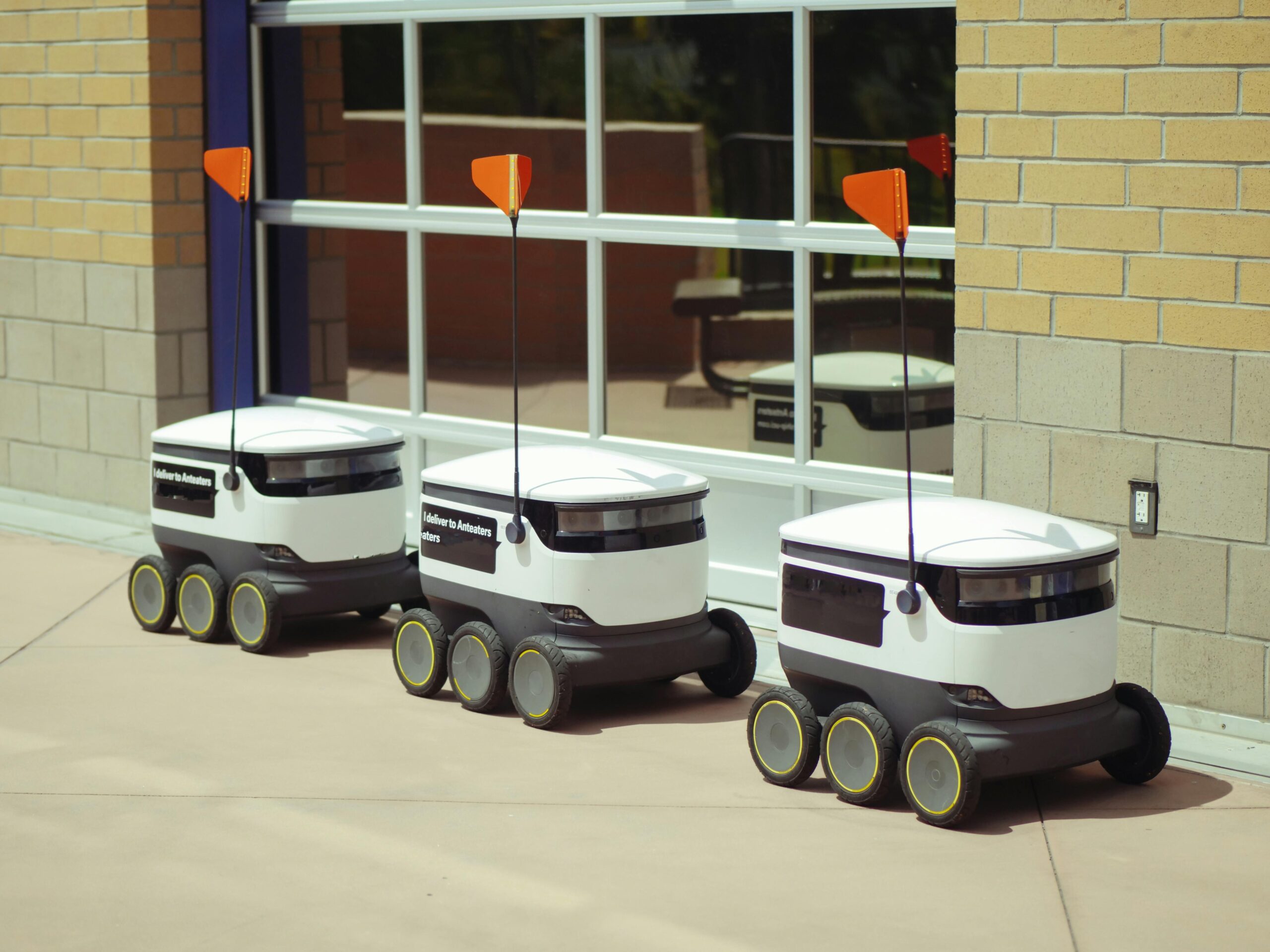
Autonomous buses excel at solving the persistent “first-mile, last-mile” problem that affects transit ridership. Many potential transit users live too far from stations to walk comfortably but not far enough to justify driving and parking. Small autonomous shuttles operating on flexible routes can efficiently bridge these gaps, feeding passengers to main transit lines and returning them home afterward.
This connectivity dramatically expands the effective service area of existing transit infrastructure. Rail stations that might serve only residents within a half-mile walking radius can potentially serve catchment areas three or four times larger when autonomous feeder services are available.
🚀 Future Developments and Emerging Trends
The autonomous transit revolution is still in its early chapters, with exciting developments emerging continuously. Advances in artificial intelligence, sensor technology, battery performance, and infrastructure connectivity promise to make future systems more capable, efficient, and accessible than today’s pioneering implementations.
Vehicle designs are evolving beyond simply automating conventional bus configurations. Purpose-built autonomous transit vehicles without traditional driver compartments can optimize interior space for passenger comfort. Modular vehicles that can physically connect or separate based on demand offer flexibility that fixed-configuration buses cannot match.
Smart roads equipped with embedded sensors, communication systems, and even wireless charging capabilities represent the next frontier of infrastructure development. These intelligent roadways can communicate directly with autonomous vehicles, providing information about surface conditions, optimal speeds, and upcoming hazards while potentially eliminating range anxiety through continuous charging.
Artificial Intelligence Advancement
Machine learning algorithms continue to improve through exposure to diverse driving scenarios and edge cases. Each autonomous bus operating anywhere in the world contributes to the collective learning of fleet-wide AI systems. This shared knowledge accelerates the development of more sophisticated decision-making capabilities that handle increasingly complex situations with greater confidence.
Future AI systems may predict passenger demand patterns with remarkable accuracy, pre-positioning vehicles to meet anticipated needs before requests are made. Personalized routing that learns individual user preferences while optimizing overall system efficiency could become standard features of advanced smart transit networks.
🌟 Transforming Urban Life Beyond Transportation
The impact of autonomous buses and smart transit systems extends far beyond simply moving people from point A to point B. These technologies catalyze broader urban transformations that affect land use, community design, environmental quality, and social interactions.
Reduced need for parking infrastructure liberates valuable urban land for housing, parks, commercial development, or community spaces. Streets designed around autonomous transit can prioritize pedestrian and cyclist safety, creating more livable neighborhoods that encourage outdoor activity and social connection.
Improved air quality resulting from electric autonomous fleets yields measurable public health benefits, reducing respiratory illnesses and associated healthcare costs. Quieter streets enhance neighborhood character and make outdoor spaces more pleasant for residents and visitors alike.
The data generated by smart transit systems provides urban planners with unprecedented insights into mobility patterns, helping inform decisions about infrastructure investments, zoning policies, and service delivery. Evidence-based planning replaces assumptions, leading to more efficient use of public resources and better outcomes for communities.
As autonomous buses and intelligent transit systems mature from experimental projects to established components of urban infrastructure, their transformative potential becomes increasingly clear. These technologies offer practical solutions to pressing challenges while opening possibilities for reimagining cities as more sustainable, equitable, and connected environments where all residents can thrive. The journey toward fully realized smart mobility is well underway, promising a future where urban transportation serves people and communities more effectively than ever before.