Urban regeneration transforms declining neighborhoods into vibrant, sustainable spaces that foster economic growth, social inclusion, and environmental resilience for future generations.

🏙️ Understanding the Urban Regeneration Movement
Cities worldwide face unprecedented challenges as urban populations continue to surge. Abandoned industrial sites, deteriorating infrastructure, and neglected neighborhoods represent not just eyesores but missed opportunities for communities to thrive. Urban regeneration and redevelopment have emerged as powerful strategies to breathe new life into these forgotten spaces, creating dynamic environments where residents, businesses, and visitors can flourish together.
The concept extends far beyond simple cosmetic improvements. True urban regeneration encompasses comprehensive approaches that address economic vitality, social equity, environmental sustainability, and cultural preservation simultaneously. When executed thoughtfully, these initiatives can reverse decades of decline, attracting investment, creating jobs, and restoring community pride in ways that benefit all stakeholders.
Modern regeneration projects recognize that cities are living organisms requiring careful nurturing rather than wholesale replacement. The most successful interventions balance preservation with innovation, honoring historical character while introducing contemporary amenities that meet current needs. This delicate equilibrium defines the difference between gentrification that displaces existing communities and authentic revitalization that uplifts them.
The Economic Engine of Urban Transformation
Investment in urban regeneration generates substantial economic returns that ripple throughout entire metropolitan regions. When developers, governments, and community organizations collaborate on redevelopment projects, they create multiplier effects that extend well beyond initial construction spending. New businesses emerge to serve revitalized neighborhoods, property values stabilize and appreciate, and tax revenues increase to fund essential public services.
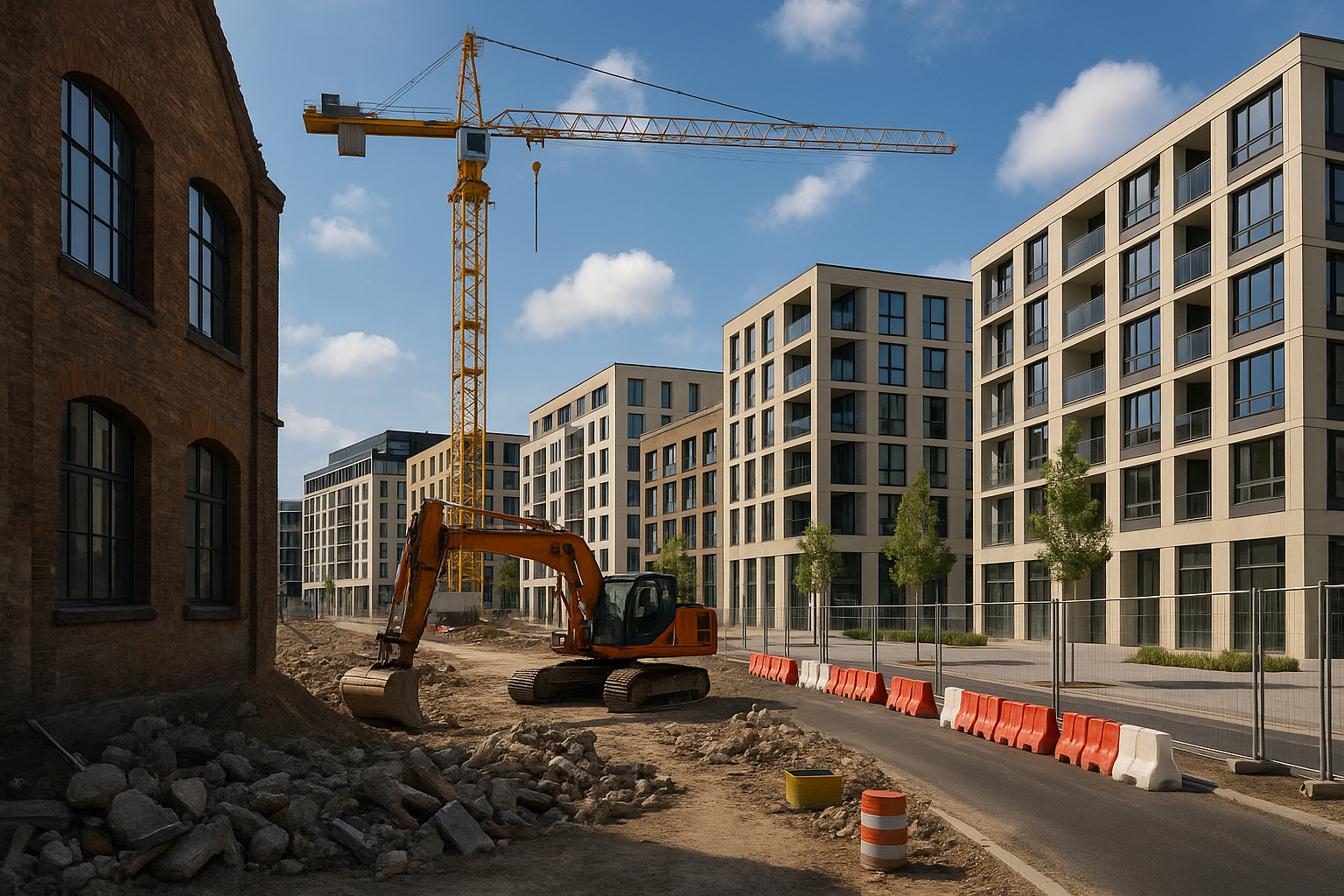
Brownfield redevelopment exemplifies the economic potential of urban regeneration. These former industrial sites, often contaminated and abandoned, represent prime real estate in established urban cores with existing infrastructure. Converting them into mixed-use developments, parks, or commercial centers eliminates environmental hazards while generating economic activity. Cities like Pittsburgh and Manchester have successfully transformed rust-belt identities into innovation hubs through strategic brownfield regeneration.
The adaptive reuse of historic buildings offers another economically advantageous approach. Rather than demolishing architectural treasures, forward-thinking developers convert warehouses into loft apartments, factories into creative workspaces, and historic theaters into cultural venues. These projects preserve embodied energy, maintain neighborhood character, and often qualify for tax incentives that improve project feasibility while delivering unique spaces that command premium rents.
Employment Opportunities Through Regeneration
Urban redevelopment projects create both immediate construction jobs and long-term employment opportunities. During the building phase, contractors, tradespeople, architects, and engineers find work that can extend for years on large-scale initiatives. Once completed, revitalized districts attract businesses seeking modern facilities in desirable locations, generating permanent positions across diverse sectors.
Community benefit agreements increasingly ensure that regeneration projects deliver tangible employment benefits to existing residents. These negotiated frameworks require developers to commit to local hiring, apprenticeship programs, and workforce development initiatives that connect neighborhood residents with career opportunities created by transformation. Such provisions help ensure that revitalization benefits those who remained loyal to communities during difficult times rather than exclusively serving newcomers.
Social Dimensions of Neighborhood Revitalization 🤝
The social fabric of communities strengthens when regeneration projects prioritize inclusive design and equitable access. Well-planned redevelopment creates gathering spaces where diverse residents interact naturally, fostering social cohesion that transcends economic, ethnic, and generational boundaries. Public plazas, community centers, libraries, and parks serve as democratic spaces where citizenship and belonging take tangible form.
Affordable housing represents perhaps the most critical social component of responsible urban regeneration. Without deliberate policies protecting housing affordability, revitalization can ironically harm the very communities it aims to help by triggering rent increases that displace long-term residents. Successful regeneration strategies incorporate mixed-income housing, community land trusts, inclusionary zoning, and tenant protections that allow existing residents to benefit from neighborhood improvements.
Cultural preservation ensures that regeneration honors the heritage and identity of established communities. Many declining neighborhoods possess rich cultural traditions, ethnic enclaves, and historical narratives that deserve recognition and celebration within redevelopment plans. Incorporating cultural centers, public art reflecting community history, and spaces for traditional businesses helps maintain continuity even as physical environments transform.
Participatory Planning Processes
Authentic community engagement distinguishes regeneration that serves residents from development that merely happens to them. Participatory planning processes invite stakeholders to shape visions for their neighborhoods, identify priorities, and influence design decisions. When communities have genuine voice in regeneration, projects gain social license while incorporating local knowledge that professional planners might otherwise miss.
Digital tools increasingly facilitate broader community participation in urban planning. Mobile applications and online platforms enable residents to provide feedback, visualize proposed changes, report concerns, and track project progress. These technologies democratize engagement by removing barriers related to meeting schedules, transportation, and accessibility that traditionally limited participation to those with flexible schedules and resources.
Environmental Sustainability as Foundation
Contemporary urban regeneration prioritizes environmental performance as both ethical imperative and economic necessity. Green building standards, renewable energy systems, water conservation technologies, and sustainable transportation infrastructure reduce operational costs while minimizing ecological footprints. These environmental investments position regenerated districts as models for climate-responsive urbanism that other communities can emulate.
Urban greening transforms concrete wastelands into ecological assets that provide multiple benefits. Street trees reduce heat island effects while improving air quality and stormwater management. Green roofs and walls provide insulation, habitat, and aesthetic appeal. Pocket parks and urban forests offer recreation opportunities while supporting biodiversity. These nature-based solutions deliver environmental, health, and social returns on investment that far exceed implementation costs.
Circular economy principles guide resource-efficient regeneration that minimizes waste and maximizes material reuse. Deconstruction rather than demolition allows materials from existing structures to be salvaged and repurposed. Local sourcing reduces transportation emissions while supporting regional economies. Design for disassembly enables future adaptations without generating construction waste. These approaches reduce environmental impacts while often lowering project costs.
Climate Resilience and Adaptation ☀️
Forward-looking regeneration projects incorporate climate adaptation measures that protect communities from intensifying environmental hazards. Elevated buildings and flood-resistant materials safeguard against rising waters. Passive cooling strategies and shaded public spaces address extreme heat. Distributed energy systems and backup power ensure resilience during grid disruptions. These investments protect both people and property while reducing long-term disaster recovery costs.
Green infrastructure approaches manage stormwater naturally while creating amenity value. Bioswales, rain gardens, and permeable pavements capture runoff at its source, reducing flooding and pollution while beautifying streetscapes. Daylighting buried streams restores aquatic ecosystems and creates linear parks that enhance connectivity. These interventions demonstrate how environmental engineering can simultaneously address technical challenges and improve quality of life.
Transportation and Connectivity Revolution
Regeneration offers opportunities to reimagine urban transportation systems around people rather than automobiles. Complete streets that safely accommodate pedestrians, cyclists, transit users, and drivers create more livable environments while reducing car dependency. Protected bike lanes, wider sidewalks, pedestrian crossings, and transit priority measures shift modal splits toward sustainable options that reduce congestion, emissions, and infrastructure costs.
Transit-oriented development concentrates housing, employment, and services around public transportation nodes, creating walkable neighborhoods where residents can meet daily needs without driving. This development pattern supports transit ridership while reducing vehicle miles traveled and associated environmental impacts. Mixed-use zoning enables the density necessary for transit viability while creating vibrant districts with round-the-clock activity.
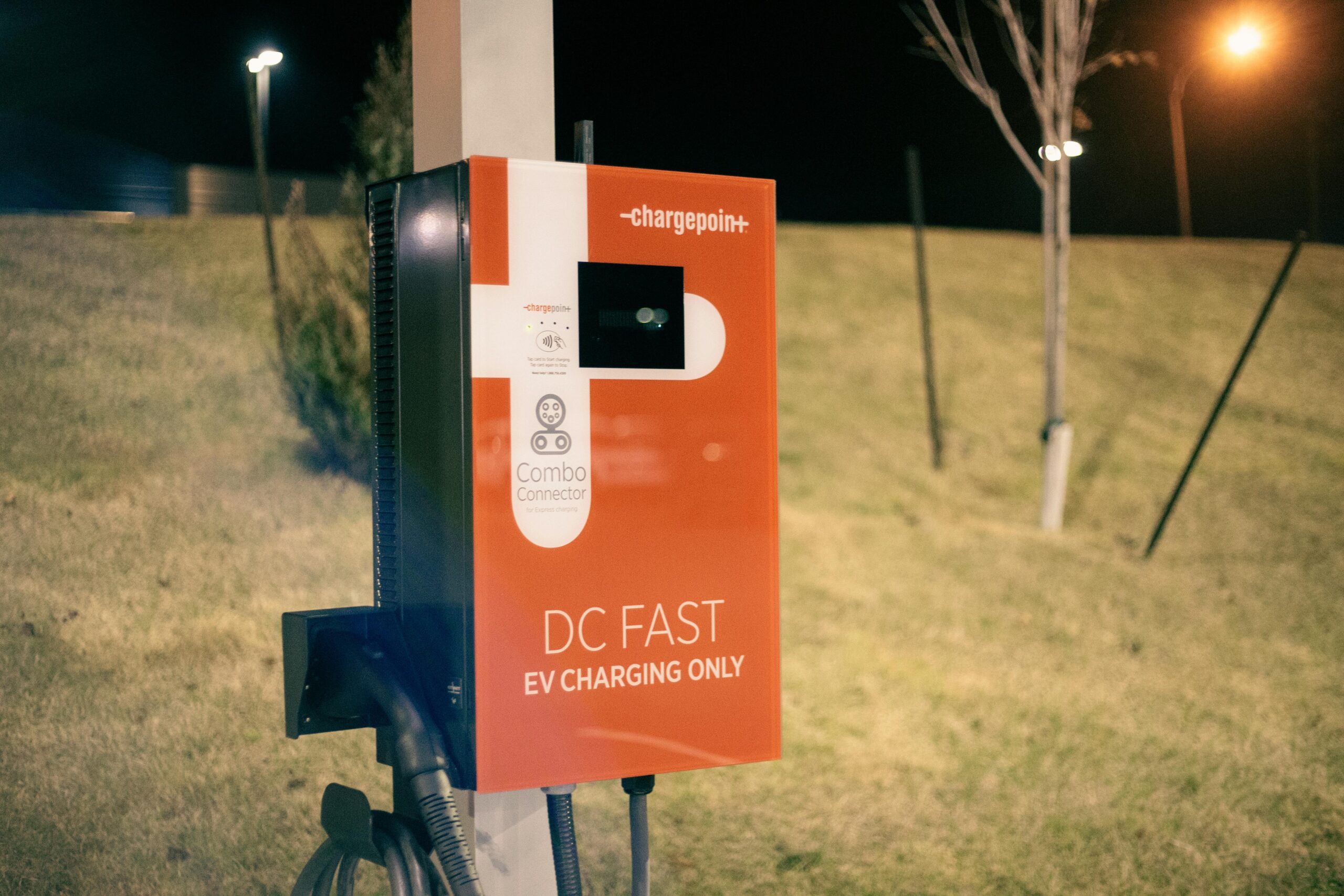
Shared mobility services complement fixed-route transit by addressing first-mile and last-mile connectivity challenges. Bike sharing, scooter sharing, and ride-hailing fill gaps in transportation networks, making car-free lifestyles more feasible. Regeneration projects can incorporate infrastructure supporting these services, including docking stations, charging facilities, and designated pickup zones that integrate shared mobility into comprehensive transportation ecosystems.
Technology-Enabled Smart Districts 📱
Smart city technologies optimize urban systems while enhancing quality of life for residents and visitors. Sensors monitor air quality, noise levels, traffic flows, and infrastructure conditions, providing data that informs management decisions. Adaptive lighting adjusts to actual needs, saving energy while improving safety. Digital wayfinding helps people navigate districts while collecting anonymized movement data that planners use to improve design.
High-speed broadband infrastructure represents essential utility service in contemporary cities, enabling remote work, online education, telehealth, and digital entrepreneurship. Regeneration projects that incorporate fiber optic networks and public WiFi create competitive advantages while bridging digital divides. Universal connectivity supports economic opportunity and social inclusion in increasingly digital societies.
Smart building systems reduce energy consumption and operational costs while improving occupant comfort. Automated climate control, lighting, and ventilation respond to actual occupancy and conditions rather than fixed schedules. Building management systems identify maintenance needs before failures occur, extending equipment life and preventing disruptions. These technologies deliver financial returns while advancing sustainability goals.
Financing Regeneration: Innovative Funding Models 💰
Traditional public funding alone rarely suffices for ambitious regeneration initiatives, necessitating creative financing approaches that leverage private capital. Public-private partnerships share risks and rewards between government entities and developers, enabling projects that neither sector could undertake independently. Tax increment financing captures future property tax revenues generated by redevelopment to fund upfront infrastructure investments, creating self-financing mechanisms that don’t burden existing taxpayers.
Community development financial institutions provide patient capital to projects serving underinvested neighborhoods where conventional lenders perceive excessive risk. These mission-driven organizations accept lower returns in exchange for social and environmental impacts, filling financing gaps that would otherwise prevent regeneration in communities needing it most. Impact investors similarly prioritize measurable positive outcomes alongside financial performance.
Crowdfunding and community investment models democratize regeneration finance by enabling residents to invest directly in neighborhood improvements. Local bonds, community shares, and crowdfunding campaigns create ownership stakes for residents while raising capital. These approaches build community buy-in while keeping wealth creation local rather than extracting it to distant investors.
Learning From Global Success Stories
Barcelona’s superblocks demonstrate how tactical urbanism can transform neighborhoods quickly and affordably. By restricting through traffic on selected blocks and reclaiming street space for pedestrians, the city created vibrant public realms that improved air quality, reduced noise, and enhanced community life. This scalable intervention model offers lessons for cities seeking high-impact, low-cost regeneration strategies.
Singapore’s comprehensive urban planning integrates housing, transportation, green space, and economic development into cohesive districts that function as complete communities. The city-state’s emphasis on public housing, mass transit, and urban greening created a globally competitive metropolis that maintains affordability and livability despite limited land. Their long-term strategic planning contrasts with ad-hoc development patterns plaguing many cities.
Copenhagen’s harbor redevelopment transformed industrial waterfront into accessible public spaces, demonstrating environmental cleanup’s transformative potential. Once-polluted waters now host swimming areas, kayaking, and waterfront dining, reconnecting residents with maritime heritage while spurring adjacent development. This project illustrates how environmental remediation can catalyze broader regeneration while providing ecological and recreational benefits.
Overcoming Implementation Challenges 🎯
Regulatory barriers often impede innovative regeneration projects that don’t fit neatly into existing zoning codes and approval processes. Outdated regulations may prohibit mixed-use development, mandate excessive parking, or restrict adaptive reuse of historic structures. Regulatory reform and flexible approval pathways enable creative projects while maintaining appropriate oversight. Form-based codes that regulate building character rather than use facilitate the diverse, walkable environments regeneration seeks to create.
Coordination across government departments, jurisdictions, and agencies presents persistent challenges. Successful regeneration requires alignment between planning, transportation, environmental, housing, and economic development entities that traditionally operate independently. Integrated project teams, cross-departmental task forces, and dedicated regeneration authorities can overcome siloed decision-making that fragments initiatives and increases costs.
Community resistance sometimes emerges when residents fear displacement or oppose densification. Transparent communication, genuine engagement, and concrete commitments addressing community concerns build trust and support. Anti-displacement policies, affordable housing guarantees, and phased implementation that allows gradual adjustment help overcome opposition while ensuring regeneration benefits existing residents rather than replacing them.
Measuring Success Beyond Economic Metrics
Comprehensive evaluation frameworks assess regeneration impacts across multiple dimensions rather than focusing exclusively on financial returns. Social indicators including employment rates, educational attainment, health outcomes, and social cohesion reveal whether revitalization improves quality of life for residents. Environmental metrics track energy consumption, emissions reductions, green space creation, and ecological restoration. These holistic assessments provide balanced pictures of regeneration success.
Longitudinal studies tracking neighborhoods over extended periods reveal regeneration’s lasting impacts. Short-term construction activity and initial occupancy provide incomplete pictures; enduring success requires sustained economic vitality, stable communities, and maintained infrastructure. Regular monitoring identifies emerging challenges requiring intervention and documents lessons applicable to future projects.
Qualitative research capturing resident experiences complements quantitative data. Interviews, focus groups, and participatory photography projects reveal how regeneration affects daily life, sense of place, and community belonging. These human stories provide context for statistics while identifying outcomes that standardized metrics might miss. Together, quantitative and qualitative approaches paint complete pictures of regeneration’s multifaceted impacts.
The Path Forward: Building Regenerative Cities 🌱
Urban regeneration represents more than physical transformation; it embodies aspirations for more equitable, sustainable, and prosperous communities. As climate change accelerates, inequality persists, and urban populations grow, the need for thoughtful redevelopment intensifies. Cities that embrace regeneration as ongoing commitment rather than one-time intervention position themselves to adapt continuously to changing conditions and evolving needs.
The most promising regeneration approaches recognize that physical improvements alone cannot revitalize communities. Comprehensive strategies addressing economic opportunity, social equity, environmental sustainability, cultural vitality, and civic engagement create conditions where communities can flourish holistically. This integrated thinking requires breaking down traditional silos between sectors and disciplines to enable collaboration around shared visions.
Ultimately, urban regeneration succeeds when it enhances human dignity and expands possibilities for all residents. Projects that create beautiful, functional environments while displacing vulnerable populations or accelerating inequality fail fundamental tests of justice. Regeneration worthy of the name uplifts communities, honors their histories, expands opportunities, and creates foundations for shared prosperity that endures across generations.
The power of urban regeneration lies not in glossy renderings or ambitious masterplans but in its capacity to transform lives by transforming places. When executed with vision, equity, and community partnership, redevelopment initiatives can reverse decline, restore pride, and create vibrant urban districts that serve as models for cities worldwide. The future brightness of our urban centers depends on our willingness to invest not just in buildings and infrastructure but in the communities that bring cities to life.