
Sustainable development is no longer a distant goal but an urgent necessity, and communities hold the transformative power to make it a reality through active participation.

🌍 Why Community Empowerment Matters in Today’s World
The journey toward sustainable development has traditionally been dominated by top-down approaches, where governments and international organizations dictated policies without meaningful input from the people they affected. This paradigm has shifted dramatically as evidence mounts that genuine, lasting change emerges from the ground up. When communities are empowered to participate actively in decision-making processes, development initiatives become more relevant, effective, and sustainable.
Community empowerment represents more than just consultation or token involvement. It embodies a fundamental shift in power dynamics, recognizing that local people possess invaluable knowledge, insights, and capabilities that external actors cannot replicate. This recognition forms the cornerstone of truly sustainable development, where solutions are tailored to local contexts, cultures, and needs rather than imposed from outside.
The connection between public participation and sustainable development goals becomes evident when examining successful initiatives worldwide. From urban planning in participatory budgeting models to rural development projects driven by community cooperatives, the pattern is clear: when people have genuine ownership over development processes, outcomes improve dramatically across environmental, social, and economic dimensions.
The Foundation of Participatory Development
Understanding the mechanics of community empowerment requires examining its fundamental components. Public participation isn’t a single action but a comprehensive approach encompassing multiple layers of engagement, from information sharing to collaborative decision-making and community-led implementation.
Building Blocks of Effective Community Engagement
Successful community participation rests on several essential pillars. First, access to information must be transparent and comprehensive. Communities cannot meaningfully participate in decisions affecting their lives without understanding the issues, options, and potential consequences. This transparency extends beyond simply making information available—it requires presenting data in accessible formats that respect different literacy levels, languages, and cultural contexts.
Second, capacity building forms a crucial foundation. Empowerment doesn’t happen automatically; communities often need support developing the skills, knowledge, and organizational structures necessary for effective participation. This might include training in project management, financial literacy, environmental assessment, or advocacy techniques. The goal isn’t to create dependency but to strengthen local capabilities for self-determination.
Third, inclusive participation mechanisms ensure that marginalized voices are heard. Women, youth, indigenous peoples, persons with disabilities, and other underrepresented groups frequently face barriers to participation. Genuine empowerment requires intentionally addressing these barriers through targeted outreach, flexible meeting times and locations, and culturally appropriate engagement methods.
🤝 Transforming Communities Through Collaborative Action
The transformation that occurs when communities take ownership of development processes extends far beyond individual projects. It catalyzes broader changes in social cohesion, civic engagement, and collective efficacy—the shared belief that communities can achieve common goals through coordinated effort.
Participatory approaches fundamentally alter relationships between communities and external actors, including government agencies, NGOs, and private sector entities. Rather than viewing communities as passive beneficiaries or obstacles to overcome, these actors begin recognizing them as essential partners with unique expertise. This shift in perspective leads to more equitable partnerships where power is shared, decisions are negotiated, and accountability flows in multiple directions.
Real-World Impact: From Theory to Practice
Consider the transformation in urban neighborhoods implementing participatory budgeting. Residents directly decide how to allocate portions of municipal budgets, leading to investments that reflect genuine community priorities rather than assumptions by distant officials. Studies consistently show these initiatives produce more equitable resource distribution, increased civic engagement, and improved trust in government institutions.
In rural contexts, community-based natural resource management demonstrates similar principles. When local communities receive clear rights and responsibilities over forests, fisheries, or water resources, conservation outcomes typically improve while livelihoods strengthen. Communities develop sophisticated monitoring systems, enforce regulations more effectively than distant authorities, and innovate sustainable practices adapted to local ecosystems.
Environmental Sustainability Through Public Participation 🌱
Environmental challenges represent perhaps the most compelling case for community empowerment. Climate change, biodiversity loss, pollution, and resource depletion all require solutions that work at local levels while contributing to global goals. Communities living closest to natural resources and environmental challenges possess intimate knowledge of ecosystems, seasonal patterns, and sustainable practices often overlooked by external experts.
Participatory environmental management transforms conservation from an external imposition into a community priority. When people participate in identifying environmental problems, developing solutions, and implementing management plans, they develop ownership over outcomes. This ownership translates into better compliance with conservation measures, more effective monitoring, and greater innovation in sustainable practices.
Community-Led Climate Adaptation
Climate change adaptation provides a powerful example of participation’s value. Communities worldwide face unique climate vulnerabilities based on geography, economic activities, and social structures. Top-down adaptation strategies often miss these nuances, implementing generic solutions that prove ineffective or even counterproductive.
Participatory climate adaptation begins with communities assessing their own vulnerabilities and priorities. This community-based approach identifies specific risks—whether flooding, drought, crop failures, or health threats—and develops context-appropriate responses. Solutions might include traditional knowledge about drought-resistant crops, community early warning systems, or collective insurance mechanisms. Because communities design and implement these adaptations, they’re more likely to be sustained over time.
Economic Development: Empowering Local Prosperity
Sustainable economic development requires more than job creation or income growth; it demands building economic systems that are inclusive, resilient, and environmentally sound. Community participation plays a vital role in achieving these objectives by ensuring economic opportunities reach marginalized groups, local economies diversify, and development aligns with community values.
Community-based enterprises exemplify this approach. Whether cooperatives, social enterprises, or community development corporations, these organizations place economic decision-making in local hands. Members collectively own assets, share risks and rewards, and reinvest profits in community development. This model keeps economic benefits circulating locally while building skills and strengthening social networks.
Supporting Local Entrepreneurship and Innovation
Empowered communities become innovation hubs, developing creative solutions to local challenges while creating economic opportunities. Participatory approaches to economic development identify local assets—skills, natural resources, cultural heritage—and explore how these can be leveraged sustainably. This asset-based development contrasts sharply with deficit-focused approaches that emphasize what communities lack.
Microfinance and community lending circles demonstrate how participatory financial systems can expand economic opportunity. By pooling resources and making collective lending decisions, communities extend financial services to people excluded from formal banking systems. These initiatives don’t just provide capital; they build financial literacy, strengthen social bonds, and create accountability systems rooted in community relationships.
🏛️ Strengthening Governance Through Participation
The relationship between community empowerment and governance runs both ways. Participatory processes strengthen governance by improving decision quality, increasing legitimacy, and building trust. Simultaneously, good governance creates enabling environments where communities can effectively participate and influence decisions affecting their lives.
Decentralization efforts worldwide recognize that effective governance requires bringing decision-making closer to communities. However, decentralization alone doesn’t guarantee empowerment. Without genuine participation mechanisms, local governance can simply replicate power imbalances at smaller scales. Effective participatory governance requires institutional reforms that mandate community input, protect minority rights, ensure transparency, and hold decision-makers accountable.
Digital Tools Enabling Broader Participation
Technology increasingly supports community participation, expanding possibilities while introducing new challenges. Digital platforms enable broader engagement, particularly for people unable to attend physical meetings due to distance, mobility constraints, or time pressures. Online forums, mobile applications, and social media create new spaces for deliberation, information sharing, and collective action.
However, digital participation tools must be designed thoughtfully to avoid exacerbating existing inequalities. Internet access, digital literacy, and technology ownership remain unevenly distributed, potentially excluding marginalized groups from digital participation spaces. Effective strategies combine digital and traditional engagement methods, ensuring technology enhances rather than replaces face-to-face community interactions.
Overcoming Barriers to Meaningful Participation
Despite growing recognition of participation’s value, significant barriers often prevent communities from exercising genuine influence over development processes. Understanding and addressing these obstacles is essential for moving beyond tokenistic consultation toward authentic empowerment.
Power imbalances represent perhaps the most fundamental barrier. Even when participation opportunities exist, unequal power relationships may prevent communities from effectively influencing decisions. Elite capture—where local elites monopolize participation benefits—remains a persistent challenge. Addressing power imbalances requires intentional efforts to strengthen marginalized groups’ capacity for collective action while creating institutional safeguards against domination.
Time and Resource Constraints
Meaningful participation requires significant investments of time and energy, resources that economically marginalized communities can ill afford. People struggling to meet basic needs understandably prioritize immediate survival over long-term development planning. This reality doesn’t reflect apathy but rational responses to constrained circumstances.
Supporting authentic participation sometimes requires compensating community members for their time, providing childcare during meetings, scheduling sessions at convenient times, and minimizing opportunity costs. These supports acknowledge that participation involves real costs and shouldn’t be expected as free labor, particularly from already marginalized groups.
📊 Measuring Success: Indicators of Empowered Communities
Assessing whether community empowerment initiatives actually strengthen sustainable development requires appropriate metrics. Traditional development indicators focused narrowly on economic growth or service delivery miss crucial dimensions of empowerment and participation.
Effective measurement frameworks combine quantitative and qualitative indicators capturing multiple dimensions of empowerment. These might include the diversity of participants in decision-making, the influence community input has on final decisions, changes in local organizational capacity, and communities’ own assessments of their empowerment levels.
Key Indicators of Community Empowerment
- Representation of marginalized groups in decision-making bodies and processes
- Community control over resources and decision-making authority
- Strength and diversity of local civil society organizations
- Extent to which community priorities shape development plans and budgets
- Changes in social cohesion and collective efficacy
- Community members’ knowledge of rights, responsibilities, and participation opportunities
- Transparency and accountability of institutions affecting communities
- Sustainability of community-led initiatives beyond external support
Building Sustainable Futures Together 🌟
The path toward sustainable development necessarily runs through empowered communities actively shaping their own futures. This isn’t idealistic wishful thinking but pragmatic recognition that lasting change emerges from ownership, that solutions work best when adapted to local contexts, and that communities possess capabilities too often underestimated by external actors.
Creating enabling environments for community empowerment requires coordinated efforts across multiple levels. National governments must establish legal frameworks protecting participation rights while devolving genuine authority to local levels. International organizations should align their support with community-defined priorities rather than imposing external agendas. Civil society organizations play crucial bridging roles, supporting capacity building while advocating for more participatory governance systems.
The Role of Education and Awareness
Education serves as a fundamental enabler of community empowerment. This extends beyond formal schooling to encompass adult education, civic education, and popular education approaches that strengthen critical thinking and collective action capabilities. When people understand their rights, comprehend policy processes, and develop confidence in their own knowledge and capabilities, they’re better positioned to participate effectively.
Awareness-raising about sustainable development concepts helps communities connect local actions to global challenges and opportunities. Understanding how local environmental practices affect climate change, how economic choices impact long-term sustainability, or how social inequalities undermine development goals enables more informed community decision-making.
Moving Forward: Practical Steps for Implementation
Translating the vision of community empowerment into reality requires concrete actions by various stakeholders. For government officials and policymakers, this means moving beyond rhetoric about participation to implement genuine power-sharing mechanisms. It requires patience with processes that may seem slower than top-down directives but ultimately produce more sustainable outcomes.
Development practitioners must critically examine their own approaches, questioning whether interventions genuinely empower communities or simply extract local knowledge while maintaining external control. Authentic participatory practice requires humility, recognizing that communities are experts on their own lives and circumstances. It demands flexibility, adapting project designs based on community input even when this challenges predetermined plans.
Communities themselves can strengthen their collective capacity for participation through organization building, skill development, and solidarity with other communities facing similar challenges. Horizontal learning networks, where communities share experiences and strategies, build momentum for participatory approaches while reducing dependence on external expertise.
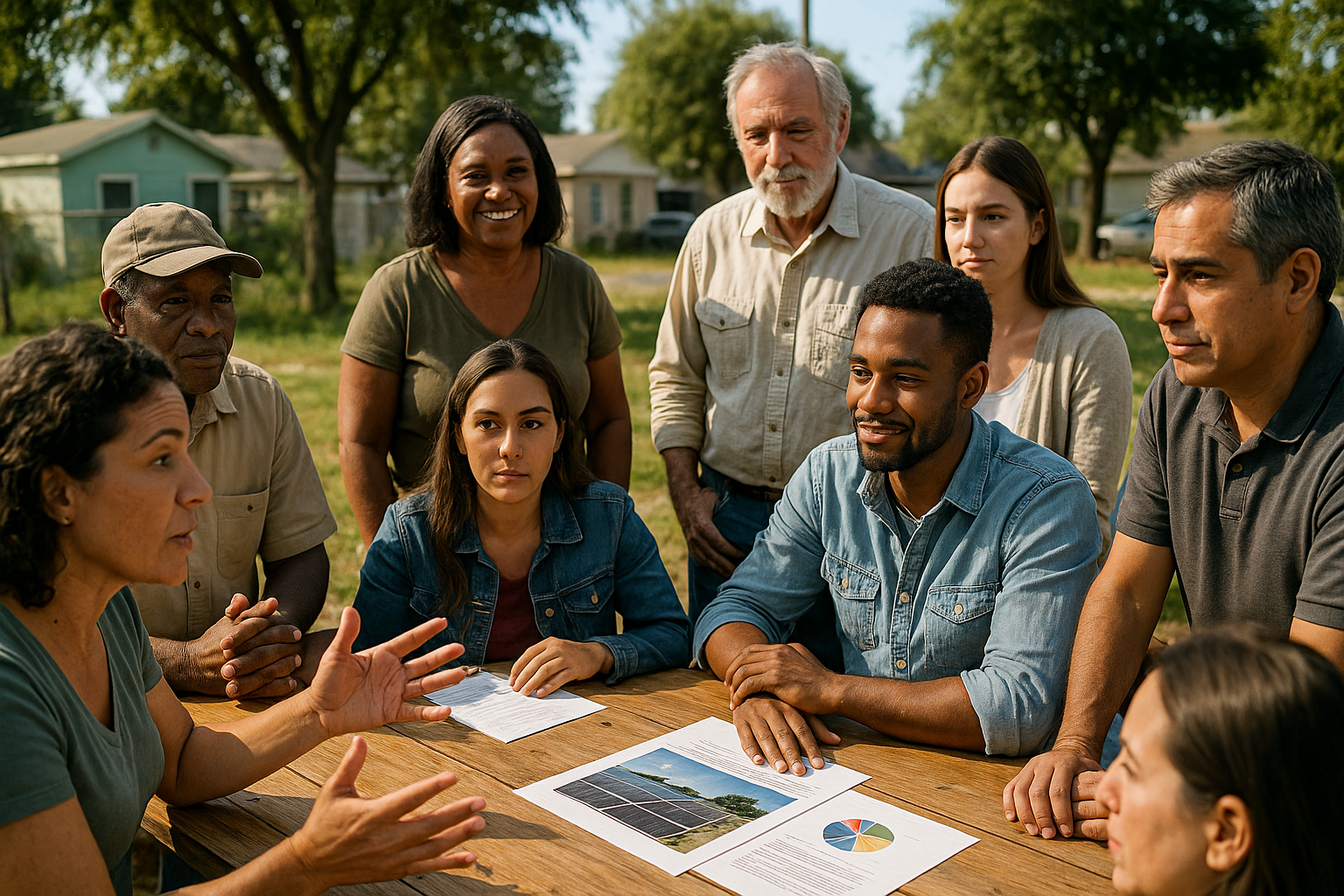
Embracing the Transformative Power of Participation 💪
The evidence is overwhelming: when communities are genuinely empowered to participate in development processes, outcomes improve across environmental, social, economic, and governance dimensions. Participatory approaches aren’t simply feel-good exercises in inclusion; they’re pragmatic strategies for achieving sustainable development goals more effectively and equitably.
Yet realizing participation’s full potential requires confronting uncomfortable truths about power, privilege, and conventional development practice. It demands institutional reforms that may threaten existing power structures. It requires patience with processes that can’t be rushed and outcomes that can’t be predetermined. Most fundamentally, it requires authentic commitment to the principle that communities have the right and capability to shape their own futures.
As we face unprecedented global challenges—climate change, inequality, environmental degradation, social fragmentation—the need for empowered communities has never been greater. Top-down solutions have proven insufficient for these complex, interconnected challenges. The path forward leads through communities actively engaged in creating sustainable futures rooted in local knowledge, priorities, and capabilities while contributing to global well-being.
The transformation begins when we shift our question from “How can we develop communities?” to “How can we support communities in developing themselves?” This subtle but profound reframing acknowledges communities as agents of their own development rather than passive recipients of external interventions. It opens space for innovation, ownership, and sustainability that imposed solutions can never achieve.
Sustainable development achieved through community empowerment and public participation represents more than an alternative approach—it’s an essential foundation for building equitable, resilient, thriving societies. The question isn’t whether communities should participate in shaping sustainable development but how quickly we can remove the barriers preventing them from exercising this fundamental right and responsibility.