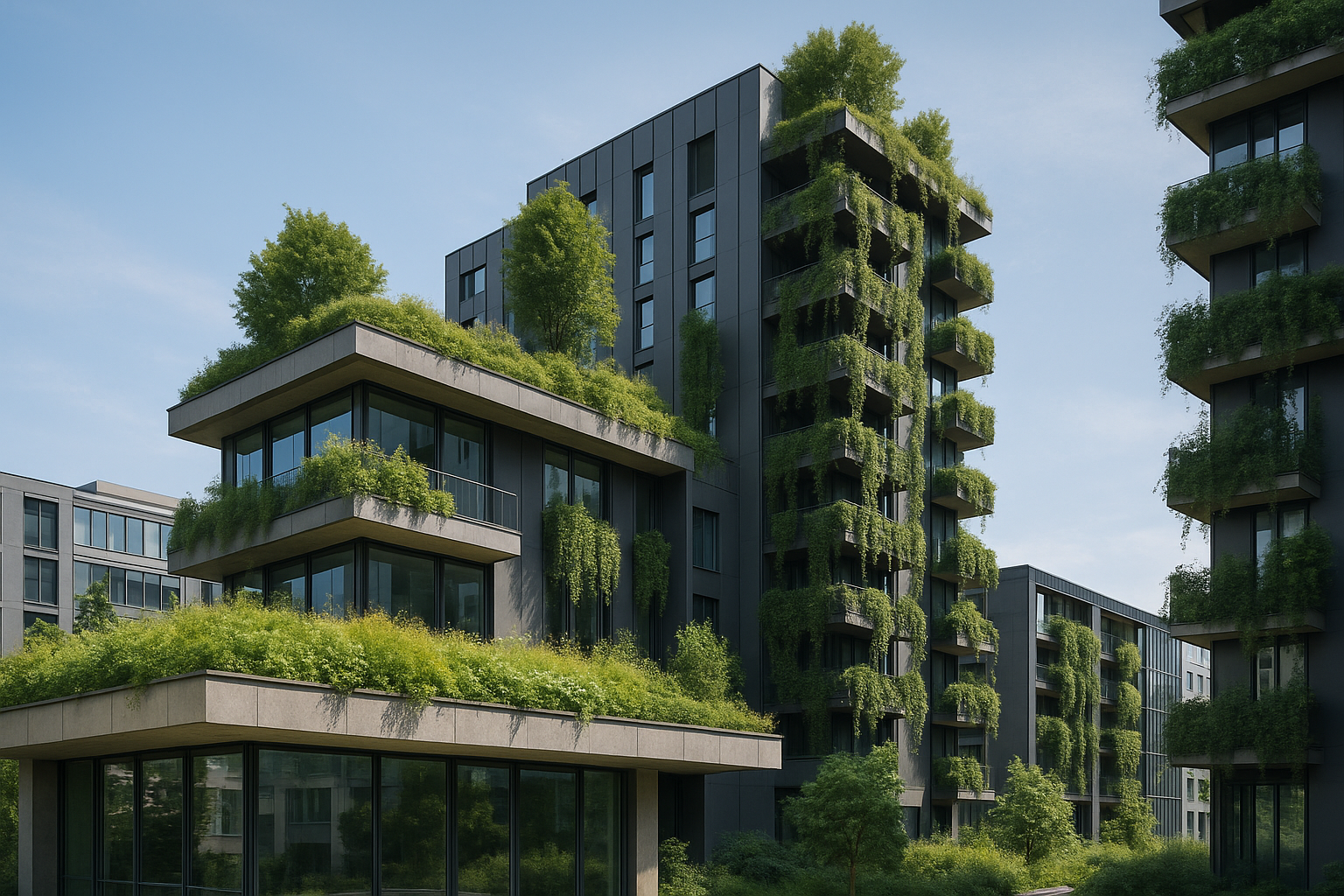
Modern architecture is experiencing a green revolution as cities worldwide embrace vertical gardens and living roofs to combat urban heat, improve air quality, and reconnect inhabitants with nature.

🌿 The Rise of Living Architecture in Urban Spaces
The concrete jungles that once defined metropolitan landscapes are gradually transforming into thriving ecosystems. Green roofs and vertical gardens represent more than aesthetic upgrades—they’re essential responses to climate change, biodiversity loss, and the psychological toll of urban living. As architects and city planners recognize the limitations of traditional building methods, biophilic design has emerged as a cornerstone of sustainable development.
This architectural evolution reflects a fundamental shift in how we perceive buildings. No longer mere shelters, modern structures are becoming active participants in urban ecology. The integration of vegetation into building envelopes addresses multiple challenges simultaneously: reducing energy consumption, managing stormwater, mitigating the urban heat island effect, and providing habitats for wildlife.
Cities like Singapore, Milan, and Sydney have become laboratories for these innovations, demonstrating that density and nature need not be mutually exclusive. Their success stories inspire architects globally to reimagine what urban infrastructure can achieve when designed with ecological intelligence.
Understanding Green Roofs: More Than Just Plants on Top
Green roofs, also known as living roofs or eco-roofs, consist of multiple layers working in harmony. The waterproof membrane protects the building structure, while drainage layers prevent water accumulation. Growing medium supports plant life specifically selected for rooftop conditions—species that withstand wind, temperature extremes, and limited water availability.
There are two primary categories of green roofs. Extensive green roofs feature shallow growing media (typically 2-6 inches deep) and support hardy, low-maintenance plants like sedums and grasses. These lightweight systems require minimal irrigation and are ideal for large commercial buildings. Intensive green roofs, conversely, support deeper soil profiles (6 inches to several feet) and can accommodate diverse plantings including shrubs, trees, and even small parks accessible to building occupants.
The Environmental Performance of Living Roofs
The environmental benefits of green roofs extend far beyond their visual appeal. Research consistently demonstrates their capacity to reduce building energy consumption by 25-30% through natural insulation. During summer, plant transpiration and shade lower surface temperatures by up to 50°F compared to conventional roofs. In winter, the soil layers provide additional thermal resistance, reducing heating demands.
Stormwater management represents another critical advantage. Traditional roofs shed rainfall immediately into overwhelmed sewer systems, contributing to urban flooding and water pollution. Green roofs absorb 40-90% of precipitation, releasing water gradually through evapotranspiration. This retention capacity reduces infrastructure strain while filtering pollutants before water enters drainage systems.
Air quality improvements occur through multiple mechanisms. Plants absorb carbon dioxide, particulate matter, and volatile organic compounds while releasing oxygen. A 2000-square-foot green roof can capture approximately 40 pounds of particulate matter annually—equivalent to removing 15 cars from the road for one year.
🏙️ Vertical Gardens: Bringing Nature to Building Facades
Vertical gardens, living walls, or green facades transform building exteriors and interiors into lush vertical ecosystems. French botanist Patrick Blanc pioneered modern techniques in the 1980s, developing hydroponic systems that support plant growth on vertical surfaces without soil. His innovations demonstrated that carefully engineered systems could sustain diverse plant communities on walls previously considered inhospitable to vegetation.
Contemporary vertical garden systems employ various technologies. Felt-based systems use synthetic fabric pockets containing growing media and nutrients. Panel systems feature modular trays with integrated irrigation. Cable and trellis systems support climbing plants rooted at ground level. Each approach offers distinct advantages depending on building orientation, climate, maintenance capacity, and aesthetic goals.
The Science Behind Successful Vertical Installations
Creating thriving vertical gardens requires understanding plant physiology and microclimate dynamics. Light availability varies dramatically across building facades—south-facing walls receive intense sun exposure while north-facing surfaces remain shaded. Successful installations match plant species to specific microclimatic conditions, ensuring long-term viability without excessive maintenance.
Irrigation systems must deliver precise water quantities to prevent both drought stress and oversaturation. Automated drip irrigation with moisture sensors optimizes water use while minimizing waste. Nutrient delivery through fertigation ensures plants receive essential minerals despite limited root zones. Regular monitoring and adjustment maintain system health across seasonal variations.
Structural considerations cannot be overlooked. Fully saturated vertical gardens add significant weight to building facades, requiring engineering assessments before installation. Waterproofing and moisture barriers protect building envelopes from water infiltration that could compromise structural integrity or create mold problems.
Transformative Case Studies from Around the Globe
The Bosco Verticale (Vertical Forest) in Milan stands as perhaps the most iconic example of residential green architecture. Completed in 2014, these twin towers host approximately 900 trees, 5,000 shrubs, and 11,000 perennial plants across balconies and facades. The vegetation absorbs CO2, produces oxygen, moderates temperatures, and reduces noise pollution while providing residents with unprecedented access to nature in a dense urban context.
Singapore’s commitment to biophilic urbanism has produced remarkable results. The city-state mandates green plot ratios requiring new developments to replace greenery lost during construction. The result: buildings like Parkroyal on Pickering, featuring 15,000 square meters of sky gardens, cascading greenery, and integrated water features that capture and recycle rainwater.
California Academy of Sciences in San Francisco showcases how green roofs integrate with cultural institutions. Its 2.5-acre living roof, planted with 1.7 million native California plants, provides insulation, manages stormwater, and creates habitat for local wildlife. The undulating roof design incorporates skylights while maintaining continuous vegetation coverage.
💡 Economic Considerations and Return on Investment
The financial case for green roofs and vertical gardens extends beyond environmental ethics. Initial installation costs typically exceed conventional roofing or facade treatments by 15-30%, but lifecycle analysis reveals substantial long-term savings. Energy cost reductions, extended roof membrane longevity (green roofs last 40-55 years versus 15-20 for conventional roofs), and stormwater fee reductions generate measurable returns.
Property value increases represent another economic benefit. Studies indicate buildings with prominent green features command rental premiums of 5-15% and sell faster than comparable properties. Corporations increasingly recognize that biophilic workspaces improve employee satisfaction, productivity, and retention—outcomes with direct financial implications.
Many municipalities incentivize green infrastructure through grants, tax credits, and expedited permitting. Cities including Toronto, Portland, and Copenhagen offer substantial rebates covering 25-75% of installation costs. These programs recognize that private green infrastructure provides public benefits by reducing municipal stormwater management costs and improving urban climate resilience.
Design Integration: From Concept to Completion
Successful green architecture begins during initial design phases, not as afterthoughts. Architects must coordinate with structural engineers to ensure adequate load-bearing capacity, mechanical engineers to integrate irrigation systems, and landscape architects to select appropriate plant palettes. This collaborative approach prevents costly retrofits and ensures cohesive integration.
Building orientation and microclimate analysis inform plant selection and system design. Computer modeling predicts solar exposure, wind patterns, and temperature variations across different building surfaces throughout seasons. These analyses guide decisions about plant communities, irrigation requirements, and maintenance protocols.
Accessibility for maintenance significantly impacts long-term success. Green roofs require periodic weeding, replanting, irrigation system checks, and drainage clearing. Vertical gardens need regular trimming, pest management, and nutrient supplementation. Designs that facilitate safe, efficient maintenance ensure installations remain vibrant rather than becoming neglected eyesores.
🌱 Plant Selection Strategies for Vertical and Horizontal Gardens
The harsh conditions of rooftops and vertical surfaces demand resilient plant species. Successful installations prioritize native and adapted plants evolved to withstand local climate extremes. For extensive green roofs, sedums dominate due to their drought tolerance, shallow root systems, and minimal maintenance requirements. These succulent plants store water in fleshy leaves, surviving weeks without irrigation.
Intensive green roofs and vertical gardens permit greater diversity. Ornamental grasses, perennial wildflowers, herbs, and even vegetables thrive when properly supported. Edible green walls in particular have gained popularity in restaurants and hotels, providing fresh herbs and microgreens steps from the kitchen while creating visually striking focal points.
Seasonal interest maintains visual appeal year-round. Thoughtful plant combinations ensure something remains attractive across seasons—spring bulbs, summer blooms, autumn foliage colors, and evergreen structure during winter. This temporal diversity also supports pollinators and other wildlife by providing nectar and habitat throughout the year.
Maintenance Requirements and Long-Term Stewardship
Contrary to marketing claims of “maintenance-free” systems, all green infrastructure requires ongoing care. However, well-designed installations minimize maintenance demands. Extensive green roofs typically need 2-4 visits annually for weeding, fertilization, and irrigation system checks. Intensive roofs and vertical gardens require more frequent attention—monthly visits during growing seasons for trimming, replanting, and pest management.
Irrigation system performance critically determines plant health. Automated systems with weather-based controllers and moisture sensors optimize water delivery while preventing overwatering. Regular inspections identify clogged emitters, leaks, or controller malfunctions before causing plant stress. Winterization in cold climates prevents freeze damage to irrigation components.
Establishing maintenance contracts before installation ensures long-term care. Many landscape companies now specialize in green roof and living wall maintenance, offering service packages that include regular visits, emergency response, and seasonal plantings. These professionals understand the unique requirements of vertical and rooftop gardens, preventing common problems that plague DIY maintenance approaches.
🌍 Climate Adaptation and Urban Resilience
As climate change intensifies urban heat islands, extreme rainfall events, and temperature variability, green infrastructure provides adaptive capacity. Cities like Rotterdam and Copenhagen have incorporated green roofs into comprehensive climate adaptation strategies, treating them as essential infrastructure rather than optional amenities. Their approaches demonstrate how distributed green systems create city-wide resilience.
During heat waves, the cooling effects of vegetated surfaces extend beyond individual buildings. Widespread adoption across urban areas can reduce ambient temperatures by 2-5°F, decreasing air conditioning demand across entire districts. This collective cooling effect reduces strain on electrical grids during peak demand periods when blackout risks peak.
Flood mitigation capacity becomes increasingly valuable as rainfall intensifies. A neighborhood where 20% of roofs incorporate green systems can reduce stormwater runoff by millions of gallons annually. This distributed retention capacity supplements traditional gray infrastructure like pipes and detention basins, providing redundancy that enhances system reliability during extreme events.
Technology and Innovation Shaping the Future
Emerging technologies continue advancing green architecture capabilities. Smart irrigation systems employing artificial intelligence analyze weather forecasts, soil moisture data, and plant water requirements to optimize irrigation schedules automatically. These systems reduce water consumption by 30-50% compared to timer-based controllers while maintaining superior plant health.
Modular green wall systems with integrated sensors monitor plant health in real-time, alerting maintenance teams to problems before visible symptoms appear. Some systems photograph plants regularly, using image recognition algorithms to detect early signs of pest infestation, disease, or nutrient deficiency. This proactive approach prevents minor issues from escalating into system-wide failures.
Biodegradable growing media developed from recycled organic materials reduce environmental impacts while providing excellent plant support. These engineered substrates balance water retention, drainage, and aeration while remaining lightweight enough for vertical applications. Some incorporate slow-release fertilizers and beneficial microorganisms that enhance plant growth and disease resistance.
Connecting People With Nature Through Biophilic Design
The psychological and health benefits of green architecture extend the value proposition beyond environmental metrics. Research consistently demonstrates that exposure to nature reduces stress, improves cognitive function, and accelerates healing. Buildings incorporating visible vegetation, natural light, and organic forms create environments where occupants feel more relaxed, focused, and satisfied.
Workplace studies reveal productivity increases of 8-15% in offices with prominent biophilic elements compared to conventional spaces. Employee sick days decrease while job satisfaction and retention improve. These outcomes have convinced corporations to prioritize green features as strategic investments in human capital rather than discretionary amenities.
Educational institutions increasingly incorporate green roofs and living walls as outdoor classrooms and research laboratories. Students engage directly with ecology, botany, and environmental science through hands-on interaction with living systems. These installations transform abstract concepts into tangible experiences, fostering environmental stewardship among future generations.
🏗️ Policy Frameworks Accelerating Green Building Adoption
Progressive municipalities recognize that voluntary adoption alone cannot achieve sustainability goals quickly enough. Mandatory green building standards increasingly require vegetated surfaces as standard practice rather than optional features. Toronto’s Green Roof Bylaw mandates green roofs on most new buildings, resulting in over 500,000 square meters of green roofs installed since 2010.
Stormwater management regulations increasingly favor green infrastructure over traditional gray approaches. Fee structures charge property owners based on impervious surface area, creating financial incentives for green roofs that reduce runoff. Some cities offer complete stormwater fee exemptions for properties incorporating sufficient green infrastructure.
Building certification systems like LEED, BREEAM, and Living Building Challenge award points for vegetated roofs and walls, encouraging architects to incorporate these features when pursuing certification. As green building certifications become market expectations rather than differentiators, green infrastructure adoption accelerates across building sectors.
Overcoming Implementation Barriers
Despite growing enthusiasm, several obstacles slow green architecture adoption. Upfront cost concerns deter budget-conscious developers, even when lifecycle analyses demonstrate financial benefits. Educational initiatives highlighting long-term returns and available incentives help overcome this resistance. Financing mechanisms specifically designed for green infrastructure investments make upfront costs more manageable.
Knowledge gaps among design professionals create implementation challenges. Many architects lack training in green roof and living wall design, leading to hesitancy or poorly designed systems. Professional development programs, design guidebooks, and case study databases help build competency across the industry. Certification programs like Green Roof Professional accreditation establish standards and signal expertise.
Building code interpretations sometimes create unnecessary hurdles. Codes developed before green infrastructure existed may not address these systems appropriately, leaving approval processes unclear. Progressive jurisdictions update codes explicitly accommodating green roofs and living walls while establishing clear performance standards and approval pathways.
🌟 The Growing Future of Urban Green Architecture
The trajectory of green architecture points toward increasing integration and sophistication. Future buildings will likely treat vegetated surfaces as essential systems designed alongside structural, mechanical, and electrical components from project inception. Standardized modular systems will reduce installation costs while improving reliability and maintenance efficiency.
Urban agriculture integration represents an exciting frontier. Productive green roofs growing food for building occupants or local communities add social dimensions to environmental benefits. Rooftop farms in cities like Brooklyn, Paris, and Hong Kong demonstrate commercial viability while reconnecting urban populations with food production.
As climate pressures intensify and urban populations grow, green roofs and vertical gardens will transition from innovative features to standard practice. The question facing architects and urban planners is no longer whether to incorporate vegetation into buildings, but how to do so most effectively. The cities that embrace this transformation most completely will lead the way toward livable, resilient, and sustainable urban futures where architecture and nature flourish together.