Renewable energy is no longer a distant dream but a driving force reshaping how we design, build, and experience our cities in the 21st century.

The transformation of urban landscapes through sustainable energy solutions represents one of the most significant shifts in architectural and city planning history. As climate change accelerates and fossil fuel reserves dwindle, cities worldwide are reimagining their infrastructure, buildings, and public spaces around clean energy principles. This revolution extends far beyond simply installing solar panels on rooftops—it encompasses a fundamental rethinking of how urban environments function, interact with nature, and serve their inhabitants.
Modern cities consume approximately 75% of global energy and produce over 70% of carbon emissions, making them both the problem and the solution in our climate crisis. Urban designers, architects, and planners now recognize that integrating renewable energy sources into the very fabric of city design isn’t optional—it’s essential for survival and prosperity. From Copenhagen’s wind-powered districts to Singapore’s solar-covered skyscrapers, cities are becoming living laboratories for sustainable innovation.
🏙️ The Solar-Powered Skyline: Reimagining Building Design
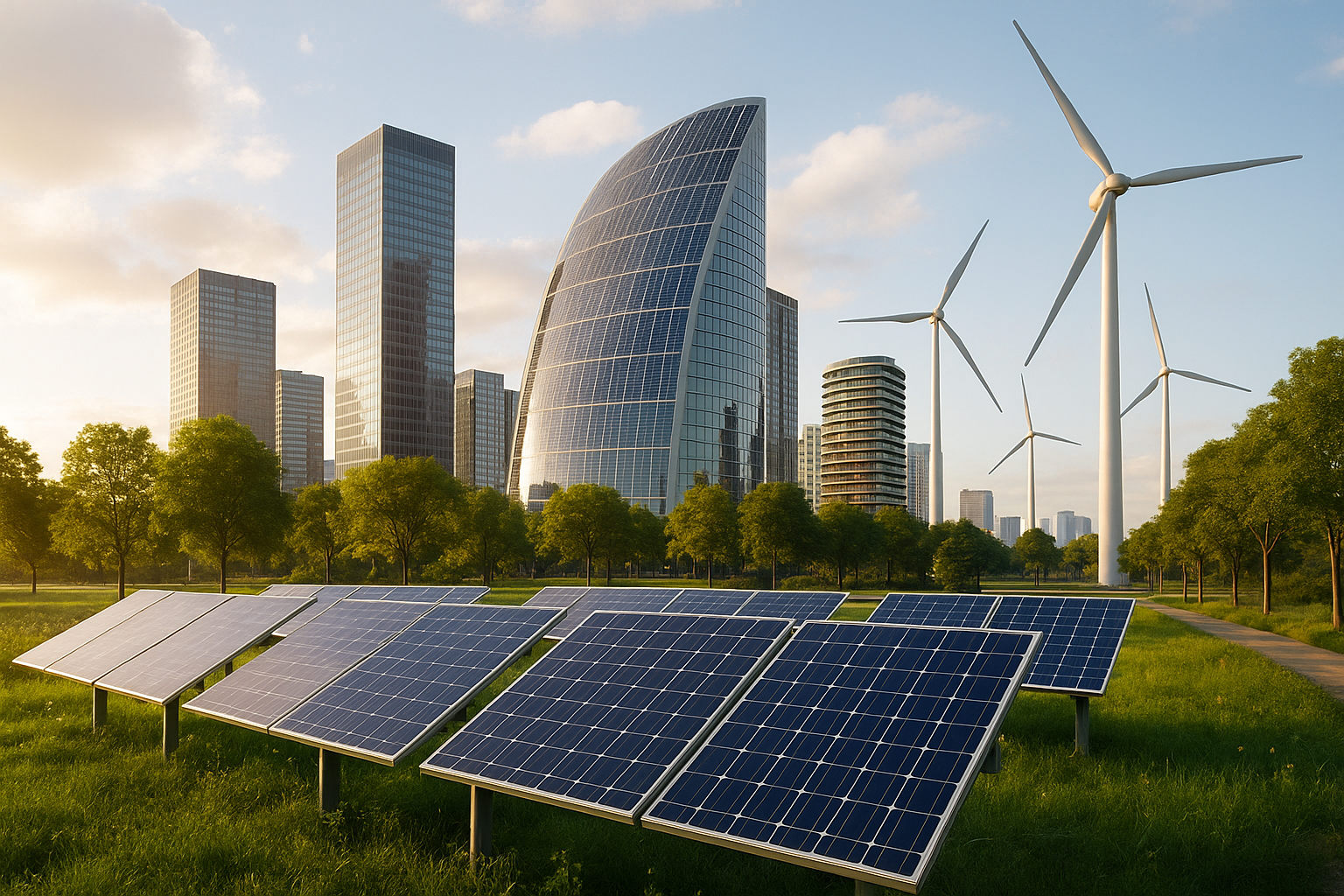
The integration of photovoltaic technology into building design has evolved dramatically from simple rooftop installations to sophisticated building-integrated photovoltaics (BIPV). Modern architects now treat solar panels as design elements rather than afterthoughts, incorporating them into facades, windows, and even sidewalks. This approach transforms every surface into a potential energy generator, maximizing urban areas’ power production capacity.
Smart buildings equipped with solar technology now feature energy management systems that optimize consumption patterns throughout the day. These structures don’t just generate power—they store it, distribute it, and share it with neighboring buildings through microgrids. The Bullitt Center in Seattle, often called the greenest commercial building in the world, generates 100% of its energy needs through rooftop solar panels while maintaining stunning architectural aesthetics.
Building designers are also experimenting with solar glass technology, allowing windows to generate electricity while maintaining transparency. This innovation opens possibilities for entire skyscrapers to become vertical power plants, dramatically reducing their carbon footprint while generating revenue through excess energy sales back to the grid.
⚡ Wind Energy: Bringing Turbines into the Urban Fabric
While large-scale wind farms typically occupy rural areas, innovative urban wind solutions are gaining traction in city planning. Small-scale vertical-axis wind turbines designed for urban environments can withstand turbulent wind patterns created by tall buildings and operate quietly enough for residential areas. These compact turbines integrate into building designs, bridge structures, and even street furniture.
Bahrain’s World Trade Center pioneered this approach with three massive wind turbines suspended between its twin towers, generating significant power while creating an iconic architectural statement. Similar projects in Rotterdam, Boston, and Dubai demonstrate that wind energy isn’t exclusively rural—it can enhance urban aesthetics while providing clean power.
Urban wind corridors are now being intentionally designed into city layouts, with building placement and street orientation optimized to channel wind toward turbine installations. This strategic approach transforms natural wind patterns from obstacles into assets, increasing renewable energy generation efficiency in dense urban environments.
🌊 Harnessing Water: Hydroelectric Innovation in City Planning
Rivers, tidal zones, and even wastewater systems are becoming energy sources for forward-thinking cities. Micro-hydroelectric installations in urban waterways generate power without requiring massive dams that disrupt ecosystems. Cities like Portland and Vancouver have installed turbines in existing water infrastructure, turning the constant flow through pipes and treatment facilities into electricity.
Tidal energy presents enormous potential for coastal cities. London’s Thames barrier system includes experimental tidal turbines, while projects in South Korea and France demonstrate how tidal patterns can provide predictable, reliable renewable energy for urban centers. Unlike solar and wind, tidal energy offers remarkable consistency, making it valuable for baseload power generation.
Rainwater harvesting systems are being integrated with micro-hydroelectric generators, allowing buildings to capture both water and energy from precipitation. This dual-purpose infrastructure exemplifies the efficiency thinking driving modern sustainable urban design.
🌱 Green Infrastructure: When Parks Become Power Sources
Urban green spaces are evolving beyond recreational areas into multifunctional energy-producing ecosystems. Bio-energy installations using organic waste from parks and urban agriculture generate power while managing waste sustainably. Piezoelectric pavements in high-traffic areas like parks, plazas, and sidewalks convert footsteps into electricity, turning human movement into renewable energy.
Living walls and green roofs provide insulation that reduces energy consumption while creating opportunities for integrated solar panels and micro-wind turbines. These installations cool urban heat islands, manage stormwater, improve air quality, and generate renewable energy simultaneously—delivering multiple benefits from single infrastructure investments.
Rotterdam’s experimental “energy-harvesting dance floor” demonstrated how public spaces can generate power through human activity. While still emerging, such technologies hint at futures where every urban surface and activity contributes to the city’s energy ecosystem.
🔌 Microgrids and Distributed Energy: Decentralizing Urban Power
Traditional centralized power systems are giving way to distributed energy networks where neighborhoods, districts, or individual buildings generate, store, and share power locally. Microgrids increase resilience against grid failures, reduce transmission losses, and enable communities to achieve energy independence while optimizing renewable resource use.
Brooklyn’s Park Slope neighborhood operates a pioneering blockchain-enabled microgrid where residents with solar panels sell excess power directly to neighbors through peer-to-peer energy trading. This model represents a fundamental shift in how urban energy systems function, democratizing power generation and distribution.
Battery storage technology advancements make distributed energy systems increasingly viable. Buildings store excess renewable energy during peak generation periods and deploy it during high demand or low generation times, smoothing out the intermittent nature of solar and wind power.
🚗 Electric Mobility Integration: Transportation Meets Energy Infrastructure
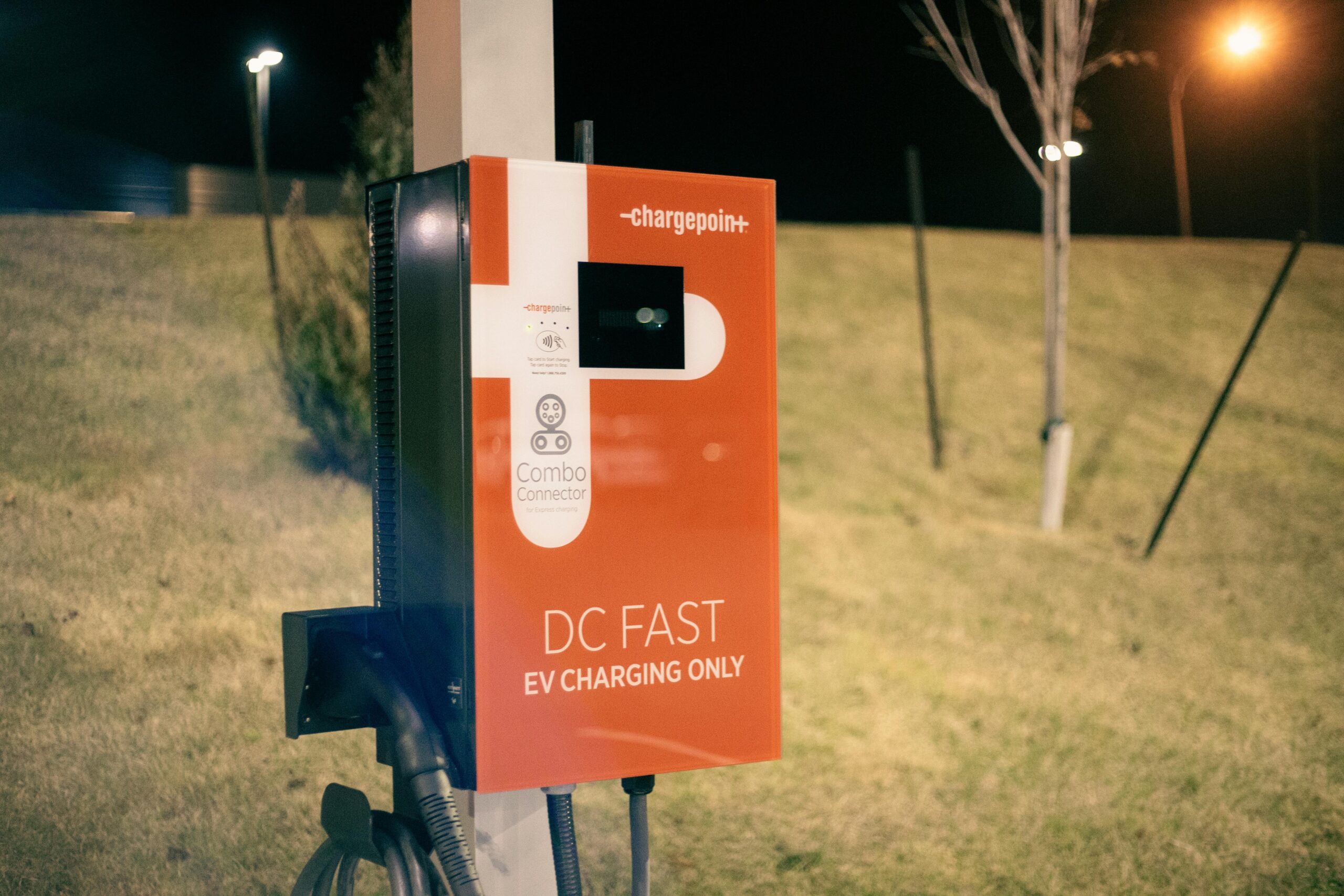
Renewable energy’s impact on urban design extends deeply into transportation systems. Electric vehicle charging infrastructure powered by renewable sources is becoming standard in new developments, with parking structures doubling as solar farms and charging hubs. Some innovative designs allow EV batteries to function as distributed energy storage, feeding power back to buildings during peak demand.
Cities like Oslo and Amsterdam are redesigning streets around electric public transportation, creating quieter, cleaner urban environments with improved air quality. Charging infrastructure integrated into street furniture, parking meters, and building facades makes electric mobility seamlessly accessible throughout urban areas.
Electric buses with pantograph charging systems connect to overhead renewable-powered charging points at stops, enabling continuous operation without lengthy charging downtime. This integration of transport and renewable energy infrastructure demonstrates how urban systems increasingly interconnect and reinforce each other.
🏗️ Smart Materials and Adaptive Architecture
Advanced materials are transforming how buildings interact with renewable energy sources. Thermochromic and photochromic materials adjust their properties based on temperature and light, reducing heating and cooling needs while optimizing solar energy capture. Phase-change materials integrated into building envelopes store thermal energy, reducing HVAC demand.
Kinetic architecture featuring building elements that move to track the sun or optimize wind capture represents the cutting edge of renewable-integrated design. The Al Bahar Towers in Abu Dhabi feature a responsive facade with panels that open and close based on sun position, reducing cooling loads by 50% while creating dramatic visual effects.
Researchers are developing concrete that generates electricity through piezoelectric properties and bio-concrete that self-heals using bacteria, extending building lifespans and reducing the energy-intensive replacement cycle. These innovations demonstrate how material science contributes to renewable energy integration at fundamental levels.
📊 Data-Driven Design: AI and IoT Optimizing Energy Use
Smart city technologies enable unprecedented optimization of renewable energy systems. Internet of Things sensors throughout urban environments collect real-time data on energy generation, consumption, weather conditions, and usage patterns. Artificial intelligence analyzes this data to predict energy needs, optimize distribution, and identify efficiency improvements.
Building management systems powered by machine learning continuously adjust lighting, heating, ventilation, and equipment operation to minimize energy consumption while maintaining comfort. These systems learn from patterns and anticipate needs, achieving efficiency levels impossible through manual management.
City-scale energy management platforms coordinate between buildings, transportation systems, and infrastructure to balance loads, maximize renewable energy utilization, and minimize waste. Singapore’s Virtual Singapore project creates a dynamic digital twin of the entire city, allowing planners to model energy scenarios and optimize renewable integration before implementing physical changes.
🌍 Community-Centered Design: Social Dimensions of Renewable Cities
The renewable energy revolution in urban design extends beyond technology to reshape how communities interact and organize. Community solar projects allow residents without suitable roofs to invest in shared renewable installations, democratizing access to clean energy benefits. Energy cooperatives give neighborhoods collective ownership of local renewable infrastructure, keeping economic benefits local.
Public spaces designed around renewable energy features create educational opportunities and community gathering points. Solar canopies over playgrounds, wind sculptures that generate power, and interactive displays showing real-time renewable energy generation transform abstract concepts into tangible community assets that residents understand and value.
The transition to renewable-powered urban design creates new employment opportunities in installation, maintenance, monitoring, and optimization. Cities implementing comprehensive renewable strategies report significant job creation in green energy sectors, contributing to economic resilience alongside environmental benefits.
💡 Policy and Planning: Regulatory Frameworks Enabling Innovation
Successful renewable integration requires supportive policy frameworks that incentivize innovation while ensuring equity and accessibility. Feed-in tariffs, renewable energy credits, tax incentives, and streamlined permitting processes help overcome initial cost barriers and accelerate adoption. Cities like San Francisco and Vancouver have implemented building codes requiring renewable energy systems in new construction, normalizing sustainable design practices.
Zoning regulations are evolving to facilitate renewable integration, with height bonuses for buildings incorporating advanced renewable systems and density allowances for districts achieving renewable energy targets. These policy tools align developer incentives with public sustainability goals.
International cooperation through initiatives like C40 Cities enables knowledge sharing and best practice dissemination, accelerating renewable urban design adoption globally. Cities learn from each other’s successes and failures, compressing the innovation cycle and avoiding repeated mistakes.
🔮 Future Horizons: Emerging Technologies and Possibilities
The renewable energy revolution in urban design continues accelerating with emerging technologies promising even greater transformation. Transparent solar coatings that turn every window into a power generator, fusion energy potentially offering unlimited clean power, and advanced energy storage systems enabling weeks of autonomous operation all hover on the horizon.
Vertical farming integrated with renewable energy systems could make cities food and energy self-sufficient, fundamentally altering urban metabolism. Atmospheric water generators powered by renewable energy could provide water security in arid cities, addressing multiple sustainability challenges simultaneously.
Quantum computing may optimize energy systems at scales and speeds currently impossible, while advanced AI could predict and respond to energy needs with perfect precision. These technologies remain speculative but indicate the trajectory of renewable-integrated urban design—toward increasingly efficient, resilient, and sustainable cities.
🌟 Creating Resilient, Livable Urban Futures
The integration of renewable energy into urban design represents more than environmental responsibility—it’s about creating cities that are healthier, more equitable, and more resilient. Reduced air pollution from fossil fuel elimination improves public health and reduces healthcare costs. Distributed energy systems increase resilience against natural disasters and grid failures. Local renewable energy generation keeps economic benefits within communities rather than exporting them to distant energy producers.
Cities embracing renewable-centered design report improved quality of life metrics, from reduced noise pollution to increased green space access. These environments attract talent, foster innovation, and enhance economic competitiveness while addressing climate challenges.
The renewable energy revolution in urban design isn’t a single technology or approach—it’s a comprehensive reimagining of how cities function. It requires integrating multiple renewable sources, smart management systems, efficient buildings, sustainable transportation, and supportive policies into coherent urban ecosystems. The cities succeeding in this transition demonstrate that sustainability and prosperity aren’t opposing goals but mutually reinforcing objectives.
As urban populations continue growing and climate pressures intensify, the imperative for renewable-powered cities becomes ever more urgent. The architectural and planning innovations emerging today will define urban life for generations to come. Cities that embrace this transformation position themselves as leaders in the emerging sustainable economy, while those that resist risk obsolescence and decline.
The future of urban design is undeniably renewable, and that future is being built today in cities worldwide. From solar skyscrapers to wind-harvesting bridges, from micro-hydro systems to piezoelectric pavements, renewable energy is revolutionizing not just how cities power themselves but how they look, function, and feel. This transformation represents humanity’s most ambitious urban undertaking—creating cities that don’t just minimize environmental harm but actively contribute to planetary health while enhancing human wellbeing. The renewable energy revolution in urban design proves that with creativity, technology, and commitment, we can build urban futures worth inhabiting for centuries to come.