Cities worldwide are reimagining urban development to withstand climate challenges, creating innovative models that protect both people and planet for generations to come.

Climate change has emerged as one of the defining challenges of our era, transforming how we think about urban planning, infrastructure, and community development. As extreme weather events become more frequent and severe, cities are at the forefront of both vulnerability and innovation. From rising sea levels threatening coastal metropolises to unprecedented heatwaves affecting inland communities, urban centers house more than half of the world’s population and face mounting pressures to adapt and transform.
The concept of resilient cities has evolved from a theoretical framework to a practical necessity. These urban environments don’t just survive climate shocks—they adapt, learn, and emerge stronger. By integrating sustainable practices, green infrastructure, and community-centered planning, resilient cities are demonstrating that economic prosperity and environmental stewardship can coexist harmoniously.
🌍 Understanding Urban Resilience in the Climate Era
Urban resilience refers to the capacity of cities to withstand, adapt to, and recover from climate-related stresses and shocks. This goes beyond simple disaster preparedness to encompass systemic thinking about how cities function, how resources flow, and how communities interact with their environment.
Resilient cities operate on several interconnected principles. They maintain redundancy in critical systems, ensuring that if one component fails, alternatives exist. They embrace flexibility in planning, recognizing that climate impacts continue evolving and solutions must adapt accordingly. Most importantly, they prioritize inclusivity, ensuring that climate action benefits all residents, particularly vulnerable populations who often bear the brunt of environmental degradation.
The difference between traditional urban planning and resilience-focused development is profound. Where conventional approaches might focus on engineering solutions like higher seawalls, resilient thinking incorporates nature-based solutions, social cohesion, economic diversification, and adaptive governance structures that can respond dynamically to changing conditions.
🏙️ Pioneering Cities Leading the Resilience Revolution
Copenhagen stands as a remarkable example of urban transformation. The Danish capital has committed to becoming carbon-neutral by 2025, implementing an integrated approach that combines renewable energy, sustainable transportation, and green infrastructure. The city’s climate adaptation plan includes innovative stormwater management systems that transform streets into temporary waterways during extreme rainfall, protecting properties while creating recreational spaces during dry periods.
Singapore has developed comprehensive strategies to address its unique vulnerabilities as a low-lying island nation. The city-state has invested heavily in water security through advanced desalination and water recycling technologies, making it nearly self-sufficient despite limited natural freshwater resources. Marina Barrage, a dam that creates a freshwater reservoir while preventing flooding, exemplifies Singapore’s multi-functional infrastructure approach.
Rotterdam in the Netherlands has embraced its relationship with water rather than fighting against it. The city has created water plazas that serve as public spaces in normal conditions but transform into temporary water storage during heavy rainfall. Floating pavilions and amphibious housing demonstrate how architecture can adapt to changing water levels, turning vulnerability into innovation.
💡 Innovative Infrastructure Solutions Reshaping Urban Landscapes
Green infrastructure has emerged as a cornerstone of urban resilience. Unlike traditional gray infrastructure built from concrete and steel, green infrastructure works with natural systems to provide multiple benefits. Urban forests, green roofs, bioswales, and permeable pavements manage stormwater, reduce urban heat island effects, improve air quality, and enhance biodiversity—all while creating more livable spaces for residents.
Melbourne’s urban forest strategy aims to increase tree canopy cover to 40% by 2040, recognizing that trees provide critical cooling during increasingly frequent heatwaves. The city has even assigned email addresses to individual trees, allowing residents to report problems but inadvertently creating touching correspondence between citizens and their arboreal neighbors, highlighting the emotional connections people develop with urban nature.
Smart city technologies are revolutionizing how cities monitor and respond to climate challenges. Sensor networks provide real-time data on air quality, temperature, water levels, and energy consumption, enabling rapid response to emerging problems. Predictive analytics help city managers anticipate issues before they become crises, allocating resources more efficiently and effectively.
🚇 Transforming Transportation for a Low-Carbon Future
Transportation accounts for a significant portion of urban carbon emissions, making it a critical focus for climate action. Resilient cities are fundamentally reimagining mobility, moving away from car-centric planning toward integrated, multimodal transportation systems that prioritize walking, cycling, and public transit.
Paris has undertaken ambitious transformations under its “15-minute city” concept, where residents can access essential services within a short walk or bike ride. The city has converted car lanes into bike paths, created pedestrian-only zones, and expanded green spaces, fundamentally changing the urban experience while dramatically reducing emissions.
Bogotá’s TransMilenio bus rapid transit system demonstrates how developing cities can create world-class public transportation without the enormous costs of subway systems. The dedicated bus lanes move millions of passengers daily, reducing congestion and emissions while providing affordable mobility to all economic classes.
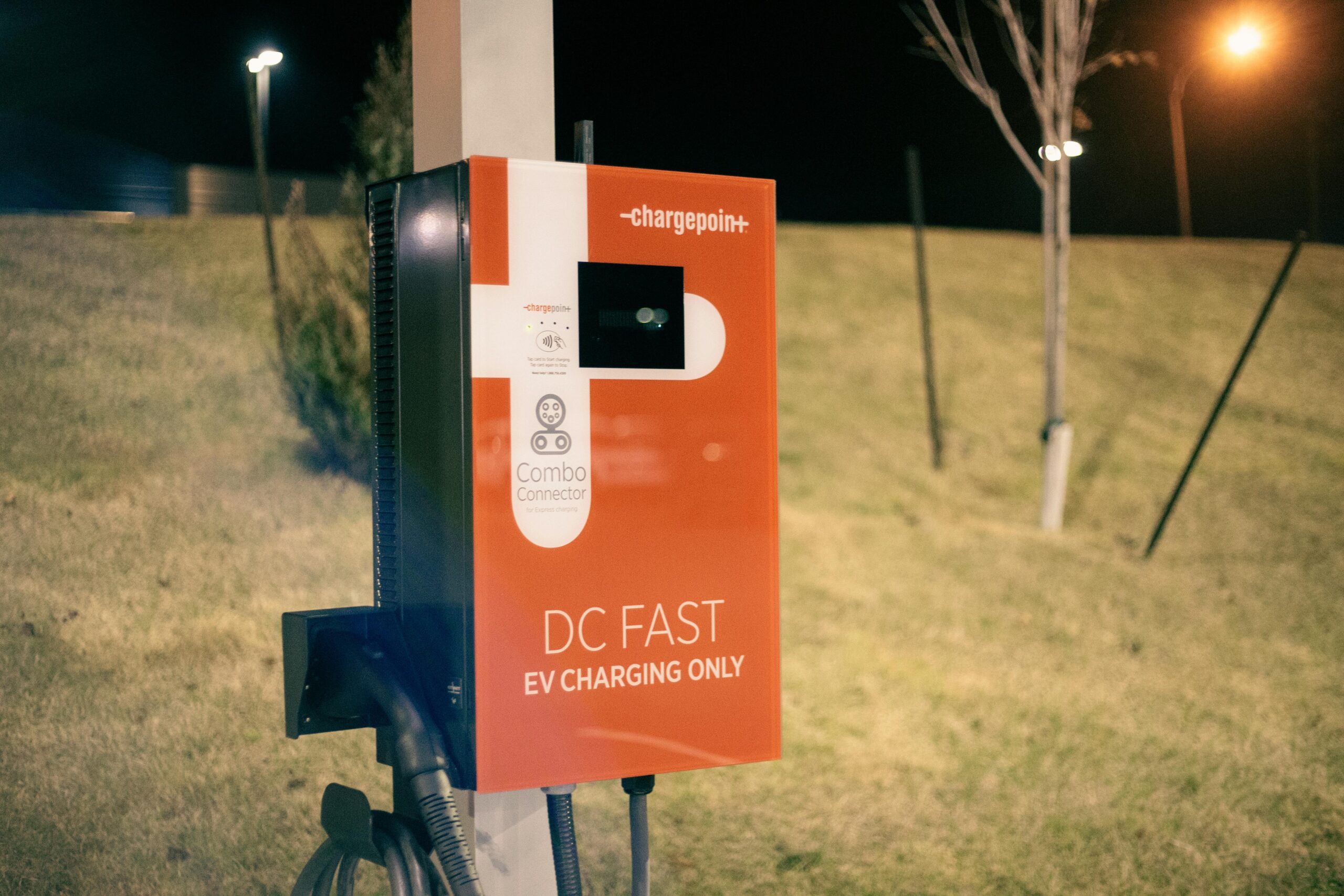
Electric vehicle infrastructure is expanding rapidly in resilient cities. Oslo has become the electric vehicle capital of the world, with EVs accounting for the majority of new car sales. Comprehensive charging networks, financial incentives, and access to bus lanes have accelerated adoption, proving that rapid transitions are possible with the right policy frameworks.
🏘️ Community-Centered Approaches to Climate Adaptation
True resilience emerges from empowered communities that participate actively in shaping their environments. Top-down planning alone cannot address the complex, localized challenges that climate change presents. Successful resilient cities engage residents as partners in identifying vulnerabilities, developing solutions, and implementing changes.
Barcelona’s superblock model transforms neighborhood streets by restricting through traffic and reclaiming space for people. Residents participate in deciding how reclaimed areas will be used—whether as playgrounds, gardens, or gathering spaces—creating stronger community bonds while reducing pollution and improving safety.
Community gardens and urban agriculture initiatives serve multiple resilience functions. They provide food security, reduce food miles, manage stormwater, combat urban heat, and create social connections among neighbors. Detroit has transformed thousands of vacant lots into productive gardens, turning blight into abundance while building community capacity.
Climate education and awareness programs help residents understand both the challenges ahead and the actions they can take. When people understand why changes are necessary and feel ownership over solutions, adoption accelerates and initiatives become self-sustaining.
💧 Water Management Strategies for Uncertain Futures
Water presents paradoxical challenges for cities: too much during floods, too little during droughts. Resilient cities are developing integrated water management approaches that address both extremes while ensuring water security for all residents.
Sponge cities in China represent an innovative approach to urban water management. These cities incorporate permeable surfaces, rain gardens, wetlands, and other features that allow landscapes to absorb, store, and purify rainwater like natural sponges. This approach reduces flooding, replenishes groundwater, and creates more pleasant urban environments.
Water-sensitive urban design considers the entire water cycle in planning decisions. Melbourne has pioneered this approach, integrating water considerations into development at every scale, from individual buildings to entire neighborhoods. Harvesting rainwater, treating stormwater as a resource rather than waste, and protecting natural waterways are core principles.
Drought-resistant landscaping reduces water consumption while maintaining green spaces. Cities like Los Angeles have implemented rebate programs encouraging residents to replace thirsty lawns with native, drought-tolerant plants. These landscapes require less water, support local biodiversity, and reduce maintenance costs.
🏗️ Retrofitting Existing Buildings for Climate Resilience
While new construction can incorporate the latest sustainable technologies, the vast majority of buildings that will exist in 2050 are already standing today. Retrofitting existing structures for energy efficiency and climate resilience represents an enormous opportunity to reduce emissions and protect communities.
Energy efficiency improvements like enhanced insulation, high-performance windows, and efficient heating and cooling systems dramatically reduce energy consumption and emissions. When scaled across entire neighborhoods, these interventions can significantly reduce urban carbon footprints while lowering energy costs for residents.
Green roofs and cool roofs transform building surfaces from liabilities into assets. Vegetated green roofs provide insulation, manage stormwater, create habitats, and reduce urban heat. Cool roofs with reflective surfaces reduce cooling loads and combat the urban heat island effect, particularly important for protecting vulnerable populations during heatwaves.
Historic building preservation aligns surprisingly well with sustainability goals. The embodied energy in existing structures represents a valuable resource, and adaptive reuse avoids the emissions associated with demolition and new construction. Many resilient cities are finding creative ways to retrofit heritage buildings for modern performance while preserving architectural character.
📊 Financing the Resilient City Transition
The scale of investment required for urban climate resilience is substantial, but the costs of inaction far exceed the expenses of proactive adaptation. Resilient cities are developing innovative financing mechanisms to fund necessary transformations.
Green bonds have emerged as a powerful tool for financing sustainability projects. These bonds raise capital specifically for environmental initiatives, attracting investors increasingly concerned about climate risks. Cities worldwide have issued green bonds to fund renewable energy, public transit, green infrastructure, and energy efficiency projects.
Public-private partnerships leverage private sector expertise and capital while maintaining public oversight and ensuring projects serve community needs. These collaborations have funded everything from district energy systems to green building programs, sharing risks and rewards between public and private actors.
The economic case for resilience investment is compelling. Studies consistently show that every dollar invested in resilience saves multiple dollars in avoided disaster losses. Beyond disaster avoidance, resilience investments create jobs, improve public health, enhance property values, and boost economic competitiveness.
🌱 Nature-Based Solutions Delivering Multiple Benefits
Nature-based solutions harness the power of ecosystems to address climate challenges while providing co-benefits for biodiversity, human health, and quality of life. These approaches often prove more cost-effective than engineered alternatives while delivering superior long-term performance.
Urban wetlands and constructed marshes filter pollutants, store floodwater, sequester carbon, and provide wildlife habitat. Cities like Portland have created extensive networks of naturalized stormwater facilities that perform better than traditional drainage systems while creating beautiful amenities.
Coastal ecosystems like mangroves, salt marshes, and oyster reefs provide natural storm protection while supporting fisheries and sequestering carbon. Restoring these ecosystems protects communities from storm surge and sea-level rise more cost-effectively than seawalls while delivering ongoing ecological benefits.
Urban biodiversity supports resilient ecosystems that can better withstand climate stresses. Cities that protect and enhance biodiversity through habitat corridors, native plantings, and reduced pesticide use create more robust urban ecosystems that continue functioning even as conditions change.
🔄 Circular Economy Principles Reducing Urban Waste
The linear economy model of take-make-dispose generates enormous waste and emissions. Resilient cities are embracing circular economy principles where resources flow in continuous loops, waste becomes feedstock, and systems mimic natural cycles where nothing is truly wasted.
Amsterdam has positioned itself as a global circular economy leader, with ambitious goals to achieve full circularity by 2050. The city is reimagining everything from construction practices to food systems, ensuring materials remain in productive use for as long as possible and are regenerated rather than discarded.
Zero-waste programs challenge cities to dramatically reduce landfill disposal through comprehensive recycling, composting, and waste reduction initiatives. San Francisco has achieved an 80% landfill diversion rate through mandatory composting, extensive recycling, and programs helping businesses reduce waste generation.
Industrial symbiosis creates networks where one industry’s waste becomes another’s raw material. These eco-industrial parks reduce resource consumption, minimize waste, and strengthen local economies by creating new value from materials previously considered worthless.
🌟 Building Social Equity into Climate Resilience
Climate change disproportionately impacts vulnerable populations who have contributed least to the problem. Low-income communities, elderly residents, and marginalized groups often face greater exposure to climate hazards with fewer resources to adapt. Equitable resilience ensures that climate action reduces rather than reinforces existing inequalities.
Just transition frameworks ensure that the shift to a sustainable economy creates opportunities for workers and communities currently dependent on fossil fuel industries. Retraining programs, economic diversification initiatives, and inclusive planning processes help ensure no one is left behind in the transition.
Cooling centers, flood protection, and emergency response systems must prioritize vulnerable populations who face the greatest risks during climate disasters. Heat action plans identify at-risk individuals and ensure they have access to cooling during dangerous heatwaves that are becoming increasingly common.
Affordable housing and climate resilience must advance together. Green affordable housing provides low-income residents with the same energy efficiency, healthy indoor environments, and resilience features available to affluent communities, reducing energy burdens while protecting vulnerable populations.
🚀 Emerging Technologies Accelerating Urban Sustainability
Technological innovation continues opening new possibilities for urban resilience. While technology alone cannot solve climate challenges, when combined with policy changes, community engagement, and nature-based solutions, it significantly enhances cities’ capacity to adapt and transform.
Artificial intelligence and machine learning optimize building energy systems, traffic flows, and resource allocation at scales and speeds impossible for human managers. These systems learn from data patterns, continuously improving performance and identifying efficiency opportunities that might otherwise go unnoticed.
Building information modeling and digital twins create virtual replicas of cities where planners can test interventions before implementing them in the physical world. These tools allow cities to evaluate different resilience strategies, anticipate unintended consequences, and optimize designs before breaking ground.
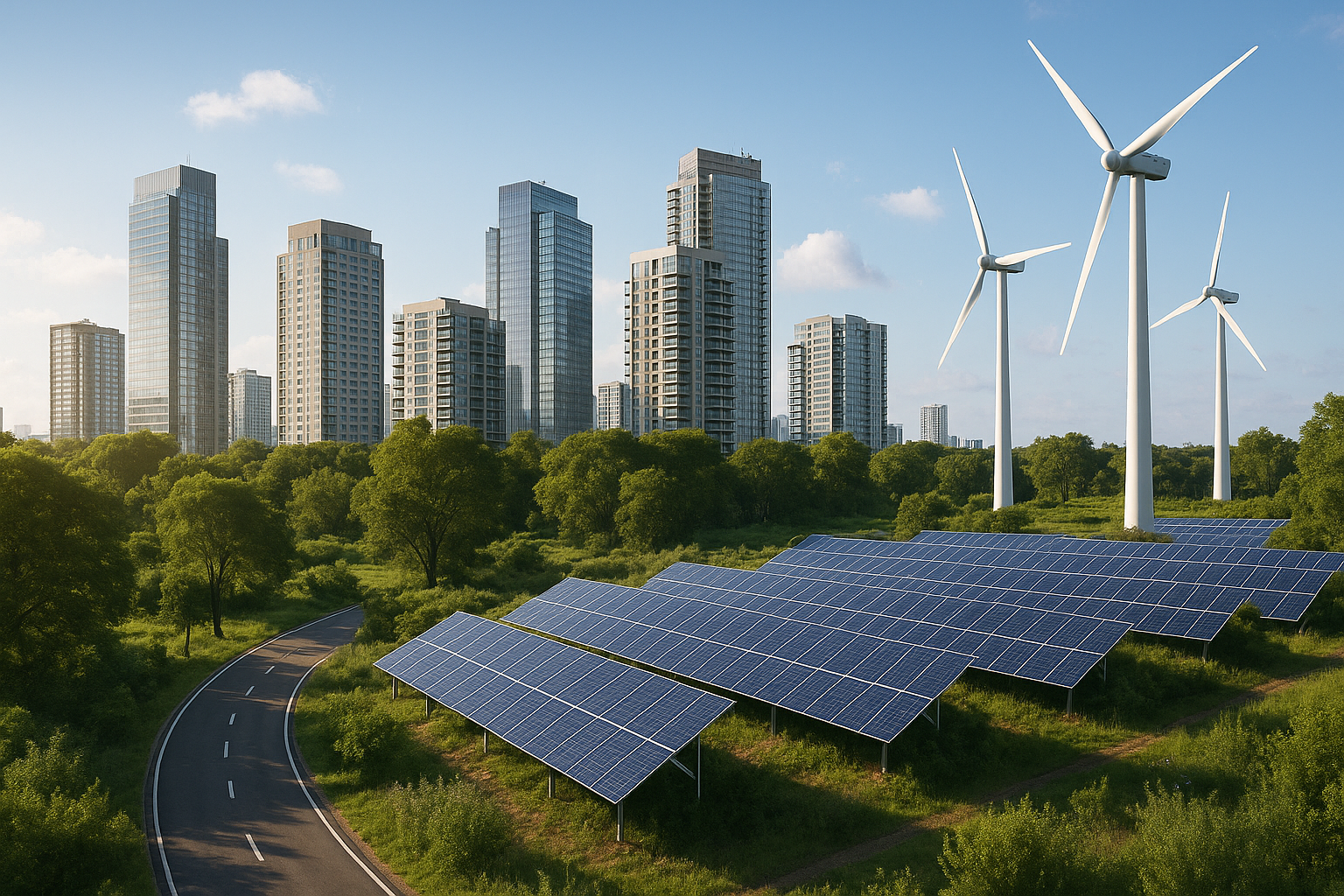
Renewable energy technologies continue advancing rapidly, with costs plummeting and performance improving. Solar panels, wind turbines, battery storage, and green hydrogen are making clean energy increasingly competitive with fossil fuels, enabling cities to decarbonize while enhancing energy security.
🌐 Global Networks Sharing Resilience Knowledge
Cities learn from each other, and global networks have emerged to facilitate knowledge sharing about what works in building urban resilience. These collaborations accelerate innovation by helping cities avoid repeating mistakes and adapt successful strategies to local contexts.
C40 Cities connects nearly 100 of the world’s largest cities committed to addressing climate change. The network facilitates peer-to-peer learning, develops best practice guides, and amplifies city voices in international climate negotiations where national governments have often moved too slowly.
The Rockefeller Foundation’s 100 Resilient Cities program helped cities worldwide develop comprehensive resilience strategies, hire chief resilience officers, and access tools and expertise. Although the program has concluded, participating cities continue collaborating and implementing transformative changes.
These networks demonstrate that cities can lead on climate action even when national governments lag. By sharing innovations, pooling resources, and advocating collectively, cities are driving the transformation necessary for a sustainable future.
🎯 Measuring Progress and Ensuring Accountability
What gets measured gets managed. Resilient cities establish clear metrics to track progress, ensure accountability, and identify areas needing additional attention. Transparent reporting builds public trust and maintains momentum for ongoing transformation.
Carbon emission inventories provide baseline data and track progress toward reduction goals. Comprehensive inventories account for emissions from energy, transportation, waste, and other sources, helping cities understand where reductions are occurring and where additional efforts are needed.
Resilience indicators go beyond emissions to assess vulnerability, adaptive capacity, and transformation potential. These holistic frameworks recognize that true resilience encompasses environmental, social, and economic dimensions that interact in complex ways.
Regular reporting to residents maintains transparency and engagement. When people can see tangible progress toward resilience goals, they’re more likely to support continued action and participate actively in transformation efforts.
The journey toward sustainable, resilient cities continues evolving as climate impacts intensify and innovative solutions emerge. Cities that embrace adaptation, invest in transformation, and center communities in decision-making are not just surviving climate change—they’re thriving, demonstrating that a sustainable future is both necessary and possible. Through green infrastructure, renewable energy, equitable planning, circular economy principles, and community engagement, urban centers worldwide are reimagining what cities can be: healthy, prosperous, inclusive, and sustainable places where people and nature flourish together. The resilient cities emerging today are blueprints for the urban future, proving that with vision, commitment, and collaboration, we can build communities that withstand climate challenges while creating better lives for all residents. 🌱