Public spaces are the heartbeat of thriving communities, shaping how we connect, interact, and envision our collective future together.

In an era where urbanization continues to accelerate and environmental concerns demand immediate attention, the design of public spaces has never been more critical. These communal areas—parks, plazas, streetscapes, and waterfronts—serve as the stage where community life unfolds, where strangers become neighbors, and where cities reveal their true character. The challenge facing urban planners, designers, and community leaders today is creating spaces that are not only functional and beautiful but also sustainable, inclusive, and capable of inspiring genuine community engagement.
The transformation of public spaces requires a fundamental shift in how we approach urban design. It’s no longer sufficient to simply allocate green space or install benches and call it a park. Today’s public spaces must respond to complex social, environmental, and economic challenges while fostering the kind of vibrant community life that makes cities truly livable. This article explores innovative strategies that are reshaping how we design tomorrow’s public spaces, creating environments that sustain both people and planet.
🌱 The Foundation: Understanding What Makes Public Spaces Truly Public
Before diving into innovative strategies, it’s essential to understand what transforms a space from merely accessible to genuinely public. True public spaces are democratic by nature—they welcome everyone regardless of age, income, ability, or background. They’re flexible enough to accommodate diverse activities and adaptable enough to evolve with community needs over time.
Research consistently shows that successful public spaces share common characteristics: they’re accessible and visible, comfortable and safe, they encourage social interaction, and they reflect the community’s identity. These fundamental principles haven’t changed, but the methods for achieving them have evolved dramatically. Today’s designers are leveraging technology, sustainable materials, and participatory planning processes to create spaces that meet these criteria while addressing contemporary challenges like climate change, social fragmentation, and public health concerns.
Biophilic Design: Reconnecting Urban Dwellers with Nature
One of the most powerful strategies emerging in public space design is the integration of biophilic principles—designing environments that strengthen our innate connection to nature. This approach goes far beyond adding trees or planters; it involves creating immersive natural experiences within urban contexts that provide tangible psychological and physiological benefits to users.
Cities like Singapore have pioneered this approach with projects like Gardens by the Bay, which brings diverse ecosystems into the heart of the city. Closer to home, projects such as New York’s High Line demonstrate how abandoned infrastructure can be transformed into green corridors that support biodiversity while providing residents with essential contact with nature.
Practical Applications of Biophilic Design
- Living walls and green roofs: Vertical gardens that improve air quality, reduce urban heat island effects, and create habitat for pollinators
- Water features: Fountains, streams, and rain gardens that provide cooling effects, manage stormwater, and create calming auditory experiences
- Native plantings: Landscaping with indigenous species that require less maintenance, support local ecosystems, and connect people to regional identity
- Natural play spaces: Replacing traditional playgrounds with landscapes featuring rocks, logs, and varied topography that encourage creative, unstructured play
- Urban forests: Dense tree canopy that provides shade, sequesters carbon, and creates microclimates within larger public spaces
🔄 Circular Design: Building Sustainability from the Ground Up
Sustainable public space design today embraces circular economy principles, where materials are selected for their entire lifecycle impact and spaces are designed for longevity, adaptability, and eventual regeneration. This represents a radical departure from the linear “take-make-dispose” model that has dominated urban development for decades.
Forward-thinking municipalities are implementing circular strategies in their public spaces by using reclaimed materials, designing for disassembly, and creating closed-loop systems for water and organic matter. These approaches not only reduce environmental impact but also create opportunities for community engagement and education around sustainability.
Copenhagen’s approach to urban design exemplifies this philosophy. The city has transformed harbor areas into public swimming spaces with natural filtration systems, created parks from demolition waste, and installed street furniture made from recycled plastics collected from local waterways. These initiatives demonstrate that sustainability and quality design aren’t mutually exclusive—in fact, they often enhance each other.
Technology Integration: Smart Spaces for Smarter Communities
While the term “smart city” sometimes conjures images of dystopian surveillance, thoughtfully integrated technology can genuinely enhance public space functionality and user experience. The key is ensuring technology serves human needs rather than dictating behavior or compromising privacy.
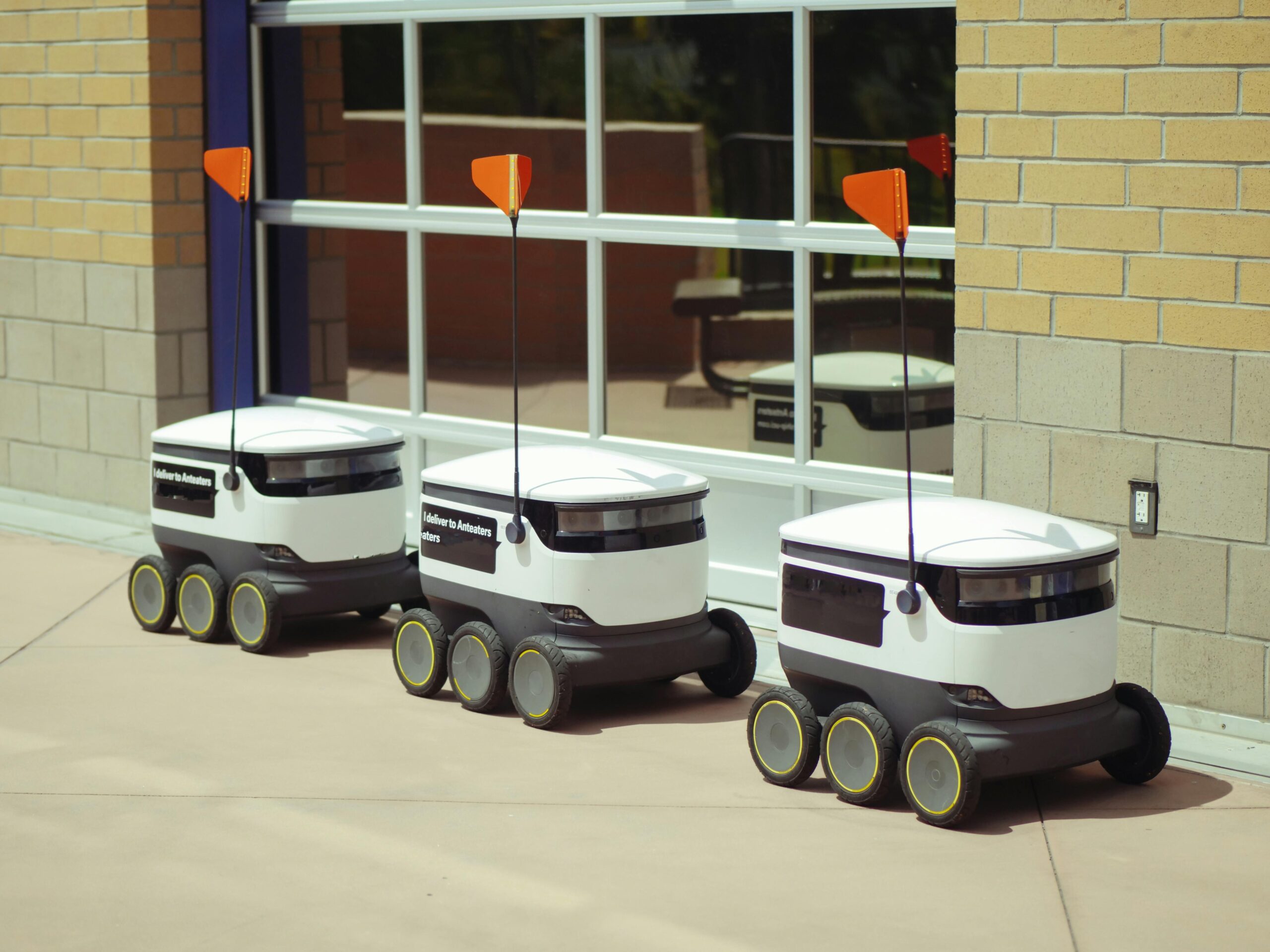
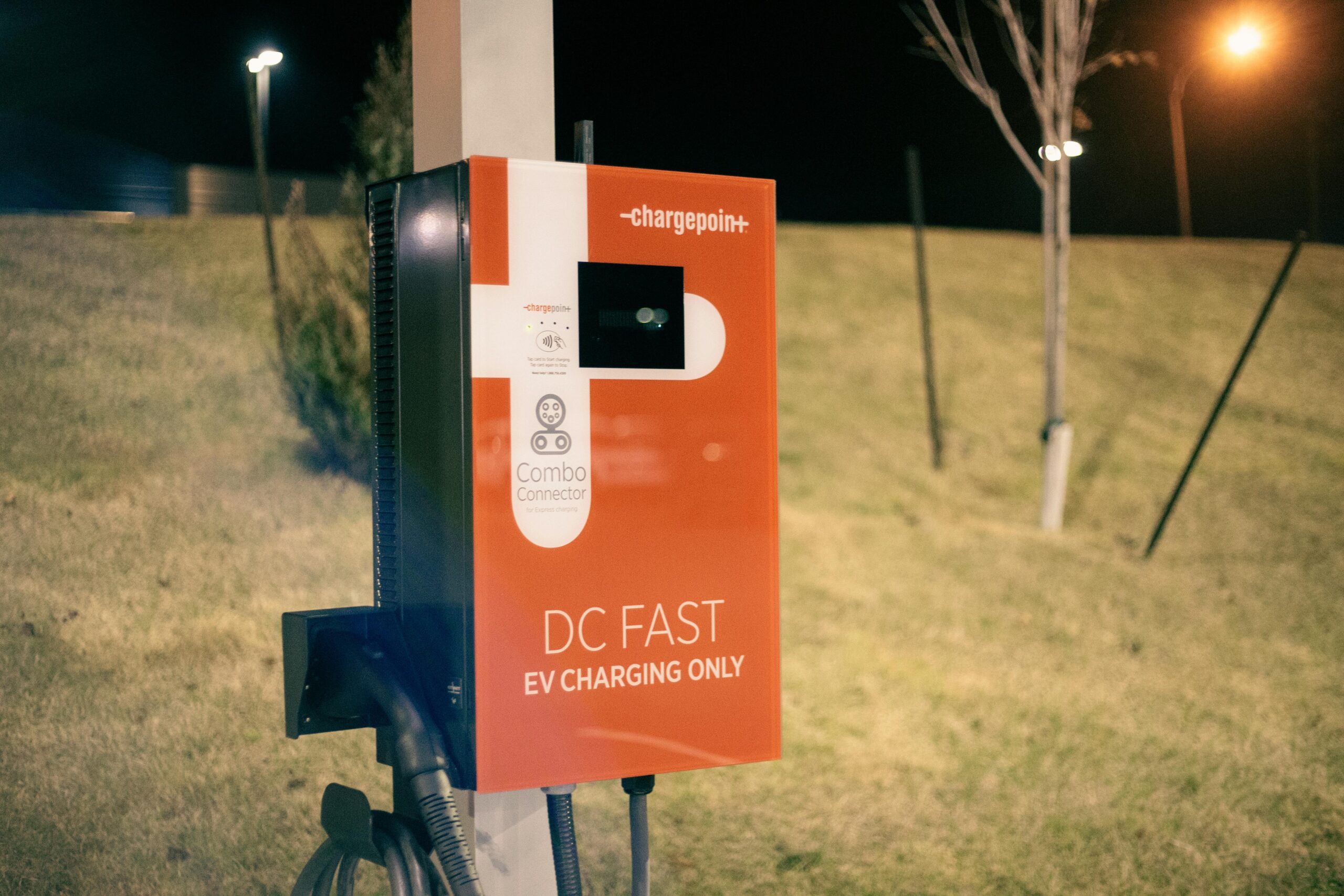
Successful technology integration in public spaces focuses on improving accessibility, facilitating community connection, and gathering data to inform ongoing improvements. Solar-powered charging stations, interactive wayfinding systems, programmable lighting that responds to activity levels, and sensors that monitor environmental conditions all contribute to more responsive, efficient public spaces.
Technology That Enhances Without Overwhelming
Barcelona’s network of “superblocks” demonstrates how technology can support community-focused design. These car-free zones use sensors to monitor air quality, noise levels, and foot traffic, providing data that helps planners understand how spaces are being used and make evidence-based improvements. Importantly, the technology remains invisible to users, who simply experience cleaner air, quieter streets, and safer conditions for walking and cycling.
Apps and digital platforms are also playing a role in connecting people to public spaces and facilitating community input. Platforms that allow residents to report maintenance issues, suggest improvements, or discover events happening in nearby parks create feedback loops that help spaces evolve to meet actual community needs.
🤝 Participatory Design: From Consultation to Co-Creation
Perhaps the most significant shift in public space design is the movement from top-down planning to genuine community co-creation. Traditional public consultation—where finished designs are presented for comment—is giving way to participatory processes that involve community members from the earliest conceptual stages through implementation and ongoing stewardship.
This approach recognizes that residents are experts in their own communities and that spaces designed with authentic community input are more likely to be used, valued, and maintained. Participatory design also addresses historical inequities in urban planning, where marginalized communities often bore the brunt of poor design decisions without having meaningful voice in the process.
Methods for participatory design range from community workshops and design charrettes to temporary installations that allow people to experience and respond to proposed changes before they become permanent. Some cities are creating “tactical urbanism” programs that empower neighborhoods to implement small-scale interventions—like parklets, painted crosswalks, or community gardens—that can be tested and refined based on actual use.
Flexible Design: Spaces That Adapt and Evolve
Static, single-purpose spaces increasingly feel outdated in our rapidly changing world. Today’s most successful public spaces are designed for flexibility, allowing them to accommodate diverse activities and evolve with community needs over time. This adaptability is crucial for sustainability—spaces that can transform are less likely to become obsolete and require complete reconstruction.
Flexible design might involve movable furniture that allows people to configure spaces to their needs, modular structures that can be reconfigured for different events, or open lawns that can host everything from informal picnics to organized festivals. The key is creating frameworks that provide structure while allowing for spontaneity and improvisation.
| Design Element | Fixed Approach | Flexible Approach |
|---|---|---|
| Seating | Permanent benches in predetermined locations | Movable chairs and varied seating types that users can arrange |
| Programming | Dedicated spaces for specific activities | Multi-use areas that accommodate diverse activities throughout the day and seasons |
| Landscape | Formal plantings with fixed design | Adaptable gardens that can be reconfigured and evolve with community involvement |
| Infrastructure | Permanent structures designed for single purposes | Modular systems that can be expanded, relocated, or repurposed |
🎨 Placemaking Through Art and Culture
Public art and cultural programming transform spaces from mere infrastructure into destinations that reflect and celebrate community identity. When integrated thoughtfully, art doesn’t just decorate public spaces—it creates meaning, sparks conversation, and gives people reasons to visit, linger, and return.
The most effective public art strategies involve community members in creation and curation, ensuring that artworks reflect local culture and history rather than imposing outside perspectives. Temporary installations, rotating exhibitions, and participatory art projects keep spaces feeling fresh and dynamic while engaging diverse community members in ongoing cultural production.
Music, performance, and cultural festivals also activate public spaces, transforming them from passive environments into stages for community expression. Cities that support regular programming in public spaces—from free concerts to farmers markets to fitness classes—see higher usage rates and stronger community attachment to these areas.
Inclusive Design: Creating Spaces for Everyone
True inclusivity in public space design goes beyond ADA compliance to consider the full spectrum of human diversity—physical abilities, age, neurodiversity, cultural background, and socioeconomic status. Inclusive spaces welcome everyone and allow all community members to participate fully in public life.
This means designing for children and elderly people, ensuring features like smooth pathways, varied seating heights, and good lighting. It means considering sensory experiences and creating quieter zones for people who find overstimulation challenging. It means providing free amenities like water fountains and public restrooms so that access isn’t contingent on purchasing power. It means incorporating cultural elements that reflect the community’s diversity and make all residents feel represented.
Universal Design Principles in Action
Portland’s Director Park exemplifies inclusive design through features like flush transitions between different surface materials, seating at multiple heights, interactive water features accessible to wheelchair users, and clear sightlines that help people with visual impairments navigate confidently. The space succeeds precisely because it was designed from the outset to be genuinely accessible to everyone, not retrofit for compliance after the fact.
🌍 Climate Resilience: Designing for an Uncertain Future
As climate change brings more frequent extreme weather events and shifting environmental conditions, public spaces must be designed not just for sustainability but for resilience. This means creating landscapes that can manage increased rainfall and flooding, provide cooling during heat waves, and maintain functionality even when conditions deviate from historical norms.
Green infrastructure—bioswales, rain gardens, permeable paving, and urban wetlands—manages stormwater naturally while creating attractive landscape features. Urban tree canopy provides critical cooling during heat events, which are becoming more frequent and severe in cities worldwide. Durable materials and robust construction ensure that spaces can withstand extreme weather without requiring constant repair.
Some cities are going further, designing public spaces that actually improve environmental conditions. Urban forests that sequester carbon, wetland parks that filter pollutants from water, and landscapes that support pollinator populations all contribute to broader ecosystem health while serving as community amenities.
Economic Vitality: The Business Case for Better Public Spaces
Investing in high-quality public spaces isn’t just about quality of life—it makes economic sense. Well-designed public spaces increase property values, attract businesses and talent, boost tourism, and reduce healthcare costs by promoting active lifestyles and social connection. These economic benefits help build political support for continued investment in public realm improvements.
Studies consistently show that properties near parks and quality public spaces command premium prices. Retail businesses in areas with attractive streetscapes and pedestrian-friendly design see higher foot traffic and sales. Cities known for exceptional public spaces attract creative workers and innovative companies, driving economic development.
The economic argument extends to maintenance and operations. Spaces designed with sustainability principles typically cost less to maintain over their lifecycle. Participatory planning processes that build community ownership often result in residents helping maintain spaces through volunteer efforts. These factors make quality public space development not just desirable but fiscally responsible.
💡 Learning from Success: Global Examples Lighting the Way
Around the world, cities are demonstrating what’s possible when innovation, community engagement, and commitment to sustainability converge in public space design. Seoul’s Cheonggyecheon Stream restoration transformed a congested elevated highway into a linear park with restored waterway, providing recreation space while cooling the surrounding area. Melbourne’s network of laneways shows how underutilized urban spaces can become vibrant cultural destinations. Rotterdam’s water plazas serve as parks during dry weather and flood management infrastructure during storms, exemplifying climate-adaptive design.
These projects share common threads: they involve extensive community engagement, embrace sustainability from conception through construction, integrate multiple functions rather than single purposes, and prioritize long-term resilience over short-term expediency. They demonstrate that exceptional public spaces require vision, patience, and willingness to challenge conventional approaches.
Moving Forward: From Vision to Reality
Creating the sustainable, vibrant public spaces that communities need requires action at multiple levels. Policymakers must prioritize public space investment and reform regulations that impede innovative approaches. Design professionals need continued education in sustainability, community engagement, and inclusive design. Community members should demand meaningful participation in planning processes and hold decision-makers accountable for creating quality public spaces.
Funding remains a persistent challenge, but creative approaches are emerging. Public-private partnerships, community land trusts, green bonds, and participatory budgeting all offer models for financing public space improvements. The key is ensuring that funding mechanisms don’t compromise public access or community control over these essential shared resources.
The public spaces we create today will shape community life for generations. By embracing innovative strategies—biophilic design, circular economy principles, participatory planning, flexible infrastructure, inclusive design, and climate resilience—we can create environments that truly serve communities while respecting planetary boundaries. These spaces will be gathering places where social bonds form, democratic values are practiced, and communities discover their collective potential. They will be landscapes that nurture both human wellbeing and ecological health, proving that sustainability and vibrancy aren’t opposing goals but complementary aspects of genuinely successful public spaces.
The work of designing tomorrow’s public spaces begins today, in our communities, with our collective commitment to creating shared environments worthy of the vibrant, sustainable future we hope to build together. 🌟