Cities worldwide stand at a pivotal moment, where renewable energy integration defines not just environmental goals but urban survival and prosperity in an era of climate urgency.

🌆 The Urban Energy Challenge: Why Cities Must Transform Now
Urban centers consume over 75% of global energy production while occupying just 3% of Earth’s land surface. This staggering concentration creates both an enormous challenge and an unprecedented opportunity. As populations continue migrating toward cities, with projections indicating that 68% of humanity will live in urban areas by 2050, the pressure on energy infrastructure intensifies exponentially.
Traditional fossil fuel-based power systems cannot sustain this growth trajectory. Cities face frequent blackouts, air quality crises, and carbon emissions that accelerate climate change. The solution lies not in incremental improvements but in fundamental transformation—seamlessly integrating renewable energy sources into the urban fabric itself.
Forward-thinking municipalities recognize that renewable energy integration represents more than environmental responsibility. It creates economic opportunities, enhances energy security, improves public health, and positions cities competitively in a rapidly evolving global economy where sustainability drives investment and talent attraction.
⚡ Understanding Seamless Renewable Energy Integration
Seamless integration means renewable energy becomes invisible infrastructure—as reliable and unnoticeable as turning on a light switch. This requires sophisticated coordination between generation, storage, distribution, and consumption across multiple technologies and stakeholders.
Unlike conventional power plants that generate electricity at centralized locations, renewable energy integration distributes generation throughout the urban landscape. Solar panels crown buildings, wind turbines rise along coastlines, geothermal systems tap underground heat, and waste-to-energy facilities convert municipal refuse into electrical power.
Key Components of Successful Integration
Effective renewable energy systems in cities depend on several interconnected elements working harmoniously:
- Diverse Generation Sources: Combining solar, wind, geothermal, hydroelectric, and biomass ensures consistent power supply despite variable weather conditions
- Advanced Storage Solutions: Battery systems, pumped hydro storage, and emerging technologies store excess energy for high-demand periods
- Smart Grid Infrastructure: Digital networks monitor and balance supply and demand in real-time, optimizing energy flow across the city
- Demand Response Systems: Intelligent systems adjust consumption patterns automatically, shifting non-essential loads to off-peak hours
- Microgrids and Distributed Networks: Neighborhood-scale systems enhance resilience by maintaining power during broader grid disruptions
🏗️ Transforming Urban Infrastructure for Renewable Power
Cities must reimagine their physical infrastructure to accommodate renewable energy at scale. This transformation touches every aspect of urban design, from individual buildings to transportation networks and industrial zones.
Building-Integrated Renewable Energy Systems
Modern architecture increasingly treats buildings as power generators rather than mere consumers. Building-integrated photovoltaics (BIPV) incorporate solar cells directly into facades, windows, and roofing materials. These systems generate electricity while serving structural and aesthetic functions, eliminating the need for separate solar panel installations.
Copenhagen’s International School showcases this approach brilliantly, with 12,000 colored solar panels forming the building’s entire exterior. The installation generates over 300 MWh annually—more than half the school’s energy needs—while creating a striking architectural statement that inspires students and visitors about renewable possibilities.
Vertical wind turbines designed for urban environments capture air currents between buildings, generating power without the space requirements of traditional horizontal-axis turbines. Bahrain’s World Trade Center pioneered this integration, with three large turbines suspended between twin towers providing approximately 15% of the buildings’ electricity needs.
Smart Transportation Networks Powered by Renewables
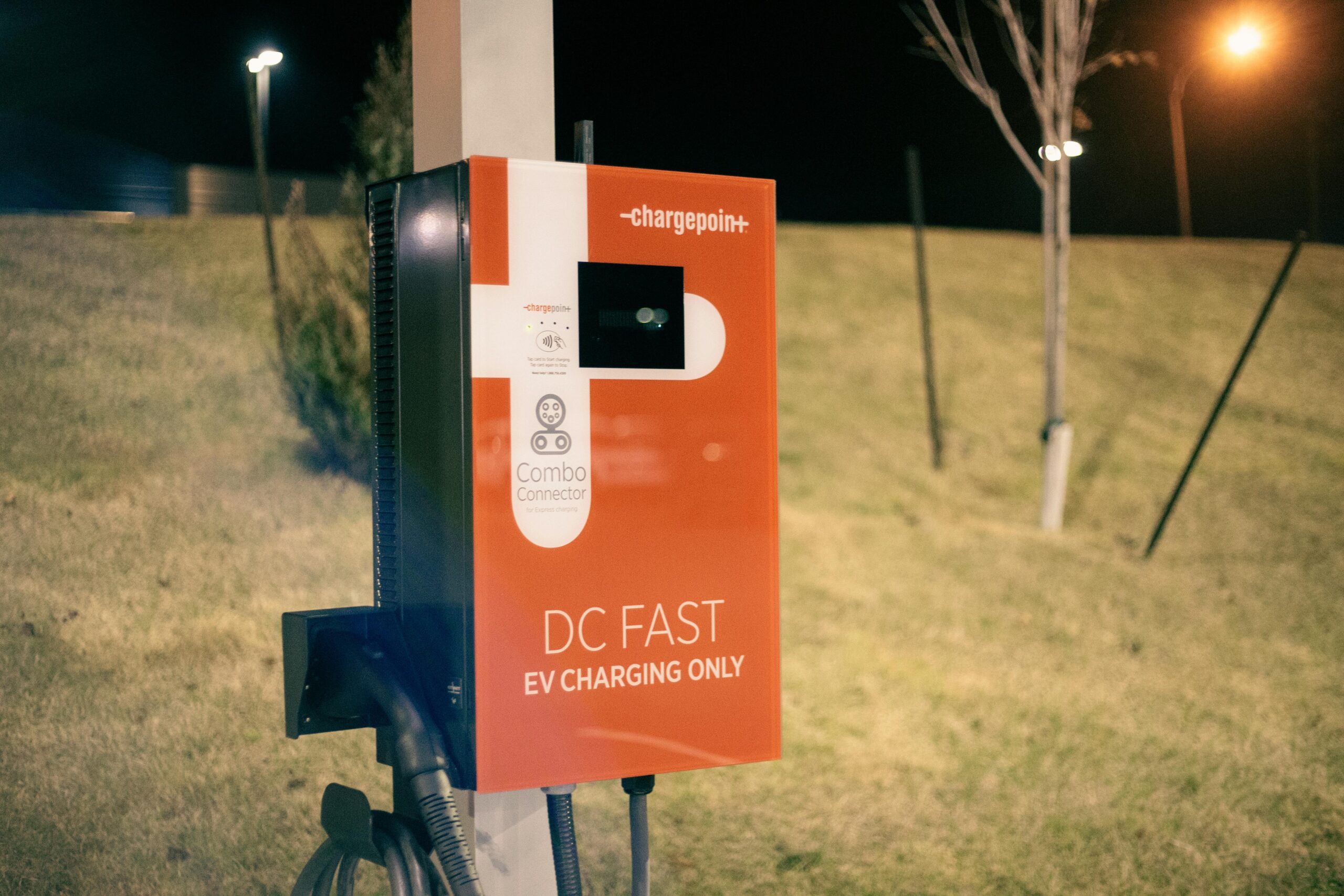
Transportation represents one of cities’ largest energy consumers and carbon emitters. Electric vehicle adoption combined with renewable-powered charging infrastructure creates virtuous cycles—clean transportation fueled by clean energy.
Amsterdam demonstrates comprehensive integration with over 3,000 public charging stations powered primarily by wind energy. The city’s vehicle-to-grid (V2G) technology allows electric cars to return stored energy to the grid during peak demand, transforming vehicles into distributed battery storage that stabilizes the entire energy system.
Public transportation electrification accelerates urban energy transformation. Electric buses charged by solar canopies at depot stations eliminate diesel emissions while creating additional renewable generation capacity. Santiago, Chile operates South America’s largest electric bus fleet with over 800 vehicles, dramatically improving air quality while reducing operational costs.
💡 Smart Technology Enabling Renewable Integration
Technology serves as the nervous system connecting renewable energy sources into functional urban power networks. Artificial intelligence, Internet of Things sensors, and advanced analytics transform intermittent renewable sources into reliable baseload power.
Artificial Intelligence Optimizing Energy Systems
AI algorithms predict renewable energy generation with remarkable accuracy by analyzing weather patterns, historical data, and real-time conditions. These predictions allow grid operators to balance supply proactively, scheduling backup systems or adjusting demand before shortfalls occur.
Machine learning systems also optimize energy storage, determining precisely when to charge batteries with excess renewable generation and when to discharge stored power for maximum economic and environmental benefit. Google’s DeepMind reduced cooling energy in data centers by 40% using AI optimization—technology now scaling to entire city energy networks.
Internet of Things Creating Responsive Urban Energy
Millions of connected sensors throughout cities monitor energy generation, consumption, grid conditions, and environmental factors. This data flows into central management systems that coordinate responses across the entire urban energy ecosystem.
Smart meters in homes and businesses provide granular consumption data, enabling dynamic pricing that incentivizes energy use during renewable abundance and discourages consumption during scarcity. Barcelona’s smart city initiative reduced water consumption by 25% and improved energy efficiency across municipal operations by 30% through IoT sensor networks.
🌍 Global Cities Leading the Renewable Revolution
Numerous cities worldwide demonstrate that comprehensive renewable energy integration achieves practical, measurable results rather than remaining theoretical aspiration.
Reykjavik: Geothermal Power Pioneer
Iceland’s capital derives virtually 100% of electricity and heating from renewable sources, predominantly geothermal energy supplemented by hydropower. The city’s district heating system pipes naturally hot water from geothermal reservoirs directly to buildings throughout the metropolitan area, eliminating fossil fuel consumption for heating in one of Earth’s coldest climates.
Reykjavik’s success stems from fortunate geography but also from decades of consistent policy, infrastructure investment, and technological innovation that maximized natural advantages while creating replicable lessons for other cities.
Burlington: North American Renewable Leader
Burlington, Vermont became the first U.S. city achieving 100% renewable electricity in 2014. The city’s utility company combines hydroelectric, wind, solar, and biomass sources through careful portfolio management that ensures reliability while maintaining affordable rates.
Burlington proves that renewable transformation doesn’t require megacity resources. Mid-sized municipalities with committed leadership, community engagement, and strategic planning achieve remarkable results that demonstrate scalability for cities worldwide.
Singapore: Solar Innovation in Space-Constrained Environments
Despite limited land area and equatorial location with significant cloud cover, Singapore aggressively pursues solar energy through innovative deployment. Floating solar farms on reservoirs maximize limited space while improving water quality through reduced evaporation and algae growth.
The Tengeh Reservoir solar farm generates 60 MWp from 122,000 panels floating on water—one of the world’s largest floating solar installations. Singapore demonstrates that geographical constraints inspire creative solutions rather than preventing renewable adoption.
📊 Economic Benefits Driving Urban Renewable Adoption
Financial considerations increasingly favor renewable energy integration, transforming what was once viewed as costly environmental commitment into sound economic strategy.
| Economic Benefit | Impact on Cities | Timeframe |
|---|---|---|
| Reduced Energy Costs | 15-40% savings on municipal energy expenditure | 3-7 years |
| Job Creation | 3-5x more jobs per dollar than fossil fuel sector | Immediate-ongoing |
| Energy Independence | Reduced vulnerability to volatile fossil fuel prices | 5-10 years |
| Property Values | 8-15% premium for renewable-powered buildings | 2-5 years |
| Healthcare Savings | Reduced air pollution-related medical costs | Immediate-ongoing |
Renewable energy prices have plummeted dramatically over the past decade. Solar photovoltaic costs decreased by 89% since 2010, while onshore wind costs fell 70%. In many markets, new renewable generation now costs less than operating existing fossil fuel plants, making the economic case overwhelming regardless of environmental considerations.
Creating Green Jobs and Economic Opportunity
Renewable energy transition creates substantial employment opportunities across manufacturing, installation, maintenance, engineering, and management sectors. The International Renewable Energy Agency estimates the sector employed 12 million people globally in 2020, with projections reaching 42 million by 2050.
Cities that position themselves as renewable energy hubs attract investment, talent, and innovation ecosystems. Austin, Texas cultivated clean energy leadership that contributed to broader technology sector growth, establishing the city as a major innovation center partially through renewable energy commitment.
🔋 Energy Storage: The Missing Link Becoming Reality
Energy storage historically represented the greatest challenge for renewable integration—how to provide consistent power when sun doesn’t shine and wind doesn’t blow. Rapid technological advancement and cost reduction now solve this fundamental problem.
Lithium-ion battery costs decreased 97% since 1991, with continued improvements making grid-scale storage economically viable. Tesla’s Hornsdale Power Reserve in South Australia demonstrates storage effectiveness, providing 150 MW capacity that stabilizes the grid, prevents blackouts, and generates revenue through energy arbitrage.
Emerging Storage Technologies
Beyond lithium-ion batteries, diverse storage technologies address different temporal and scale requirements. Pumped hydro storage provides massive capacity for seasonal variation. Compressed air energy storage uses underground caverns. Flow batteries offer unlimited scaling potential. Green hydrogen converts excess renewable electricity into fuel for long-term storage and transportation.
Cities increasingly deploy multiple storage technologies appropriate to specific needs—short-duration batteries for hourly variation, pumped hydro for daily cycles, and hydrogen for seasonal storage—creating comprehensive systems that ensure reliable renewable power regardless of generation fluctuations.
🚀 Overcoming Barriers to Seamless Integration
Despite compelling benefits, cities face real obstacles implementing comprehensive renewable energy systems. Addressing these challenges requires coordinated action across technical, regulatory, financial, and social dimensions.
Regulatory and Policy Frameworks
Outdated regulations designed for centralized fossil fuel generation often impede distributed renewable systems. Feed-in tariffs, net metering policies, and interconnection standards determine whether building-scale generation becomes practical or prohibitively complex.
Progressive cities reform regulations to facilitate renewable adoption—streamlining permitting processes, establishing ambitious renewable targets with concrete timelines, and creating economic incentives that align private interests with public renewable energy goals.
Financing Mechanisms Making Projects Viable
High upfront costs deter renewable investments despite favorable long-term economics. Innovative financing structures overcome this barrier. Property Assessed Clean Energy (PACE) programs allow property owners to finance improvements through property tax assessments. Power purchase agreements eliminate upfront costs by having third parties own and maintain systems while selling electricity to building occupants.
Green bonds increasingly fund municipal renewable infrastructure, attracting capital specifically targeted toward sustainable investments. The global green bond market exceeded $500 billion in 2021, providing cities access to capital for renewable energy transformation.
Community Engagement and Social Equity
Successful renewable integration requires community support and ensures benefits reach all residents, particularly disadvantaged populations historically suffering greatest environmental harm from fossil fuel systems.
Community solar programs allow renters and residents without suitable roofs to participate in renewable energy through shared installations. Washington D.C.’s Solar for All initiative specifically targets low-income residents, reducing energy costs for vulnerable populations while advancing citywide renewable goals.

🌟 The Path Forward: Accelerating Urban Renewable Transformation
Cities possess unprecedented opportunity to lead humanity’s energy transformation. Urban renewable integration delivers cleaner air, climate action, economic development, energy security, and improved quality of life—benefits that compound across generations.
Technology continues advancing rapidly. Costs keep declining. Best practices emerge from pioneering cities. The knowledge, tools, and economic conditions for comprehensive urban renewable transformation exist today. What remains is political will, community commitment, and coordinated action across stakeholders.
Every city regardless of size, geography, or current energy mix can take meaningful steps toward renewable integration. Starting with municipal buildings, expanding to transportation, incentivizing private sector adoption, and investing in storage and smart grid infrastructure creates momentum that builds toward comprehensive transformation.
The renewable urban future isn’t distant aspiration—it’s emerging reality in leading cities worldwide. The question facing every municipality isn’t whether to transform but how quickly to act and how boldly to commit. Cities choosing aggressive renewable integration position themselves competitively for the 21st century economy while contributing essential climate action.
Urban futures powered by seamless renewable energy integration represent more than technical achievement. They embody humanity’s ability to innovate, adapt, and create prosperity while respecting planetary boundaries. Cities transforming energy systems today build foundations for sustainable civilization benefiting billions of people for generations to come.