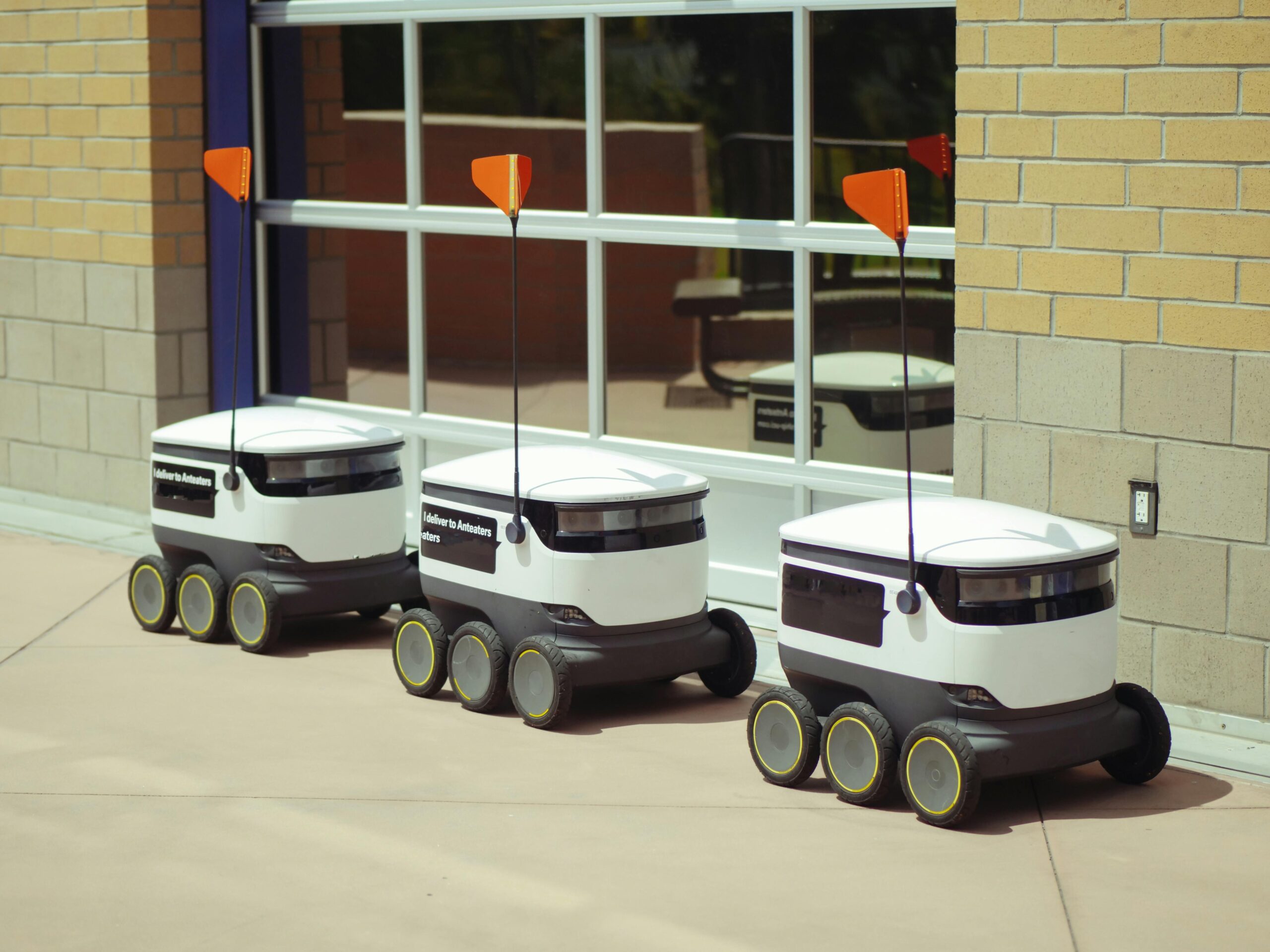
The future of urban living depends on our ability to design cities that are not only technologically advanced but also environmentally responsible and resource-efficient.

As the world’s population continues to migrate toward urban centers, with projections indicating that nearly 70% of humanity will reside in cities by 2050, the pressure on existing infrastructure, natural resources, and ecosystems intensifies dramatically. This unprecedented urbanization presents both challenges and opportunities for reimagining how we design, build, and manage our metropolitan areas.
Smart cities represent a paradigm shift in urban planning, leveraging cutting-edge technology, data analytics, and innovative design principles to create living environments that are sustainable, efficient, and responsive to the needs of their inhabitants. The integration of digital solutions with physical infrastructure offers unprecedented opportunities to optimize resource consumption, reduce environmental impact, and enhance quality of life for millions of people worldwide.
🌍 Understanding the Smart City Revolution
Smart cities are fundamentally different from traditional urban environments. They incorporate Internet of Things (IoT) sensors, artificial intelligence, machine learning, and big data analytics to monitor, manage, and optimize city operations in real-time. This technological infrastructure enables municipal authorities to make data-driven decisions that improve efficiency across multiple domains, from traffic management to waste collection.
The concept extends far beyond simply adding technology to existing systems. True smart city development requires a holistic approach that considers social equity, environmental sustainability, economic viability, and cultural preservation. Resource efficiency sits at the heart of this transformation, driving innovations that reduce consumption while maintaining or improving service delivery.
Cities like Singapore, Barcelona, Copenhagen, and Amsterdam have emerged as global leaders in smart city implementation, demonstrating how strategic investments in digital infrastructure and sustainable design can transform urban living. Their experiences provide valuable blueprints for other municipalities seeking to embark on similar journeys toward sustainability and efficiency.
⚡ Energy Systems: Powering Cities Intelligently
Energy consumption in urban areas accounts for approximately 75% of global carbon emissions, making it a critical focus area for sustainable city design. Smart energy grids represent one of the most impactful innovations in resource-efficient urban development, enabling real-time monitoring and dynamic distribution of electricity based on demand patterns.
These intelligent networks integrate renewable energy sources such as solar, wind, and geothermal power, reducing dependence on fossil fuels while improving grid resilience. Advanced metering infrastructure provides consumers with detailed insights into their energy consumption patterns, empowering them to make informed decisions about usage and conservation.
Building-integrated photovoltaics (BIPV) transform structures themselves into energy generators, with solar panels seamlessly incorporated into facades, roofs, and windows. This distributed generation model reduces transmission losses and enhances energy security by creating multiple production nodes throughout the urban landscape.
District Energy Systems and Thermal Networks
District heating and cooling systems exemplify resource efficiency by capturing waste heat from industrial processes, power generation, or even data centers, and redistributing it to residential and commercial buildings. Cities like Helsinki and Stockholm have successfully implemented extensive thermal networks that significantly reduce primary energy consumption for heating purposes.
These systems create synergies between different urban sectors, turning waste products from one activity into valuable resources for another. Combined heat and power (CHP) installations maximize fuel utilization by simultaneously generating electricity and capturing thermal energy that would otherwise be lost.
💧 Water Management: Every Drop Counts
Water scarcity increasingly threatens urban populations worldwide, with climate change exacerbating supply challenges through altered precipitation patterns and more frequent droughts. Smart water management systems employ sensor networks, predictive analytics, and automated controls to optimize distribution, detect leaks, and minimize waste throughout municipal water systems.
Advanced metering infrastructure for water provides real-time consumption data, enabling both utilities and consumers to identify inefficiencies and respond promptly to anomalies. Leak detection algorithms can pinpoint infrastructure failures before they escalate into major problems, preventing millions of gallons of water loss annually.
Rainwater harvesting systems integrated into building designs capture precipitation for non-potable uses such as irrigation, toilet flushing, and industrial processes. Permeable pavements and green infrastructure solutions allow rainwater to infiltrate naturally into the ground, replenishing aquifers while reducing stormwater runoff that can overwhelm drainage systems.
Greywater Recycling and Treatment Innovation
Decentralized water treatment systems enable buildings or neighborhoods to recycle greywater from sinks, showers, and laundry for reuse in irrigation and toilet flushing. This approach reduces demand on centralized water treatment facilities while decreasing the volume of wastewater requiring processing.
Innovative biological treatment systems using constructed wetlands or living machine technologies provide natural, energy-efficient alternatives to conventional treatment processes. These nature-based solutions simultaneously improve water quality, create valuable green spaces, and enhance urban biodiversity.
🚆 Mobility Solutions: Moving People, Not Just Vehicles
Transportation accounts for a significant portion of urban energy consumption and emissions. Smart mobility strategies prioritize efficient movement of people rather than vehicles, emphasizing public transit, active transportation, and shared mobility services over private car ownership.
Integrated multimodal transportation systems connect various transit options through unified digital platforms, making it seamless for residents to plan journeys combining buses, trains, bike-sharing, and ride-sharing services. Real-time information systems provide accurate arrival predictions and service updates, improving user experience and encouraging public transit adoption.
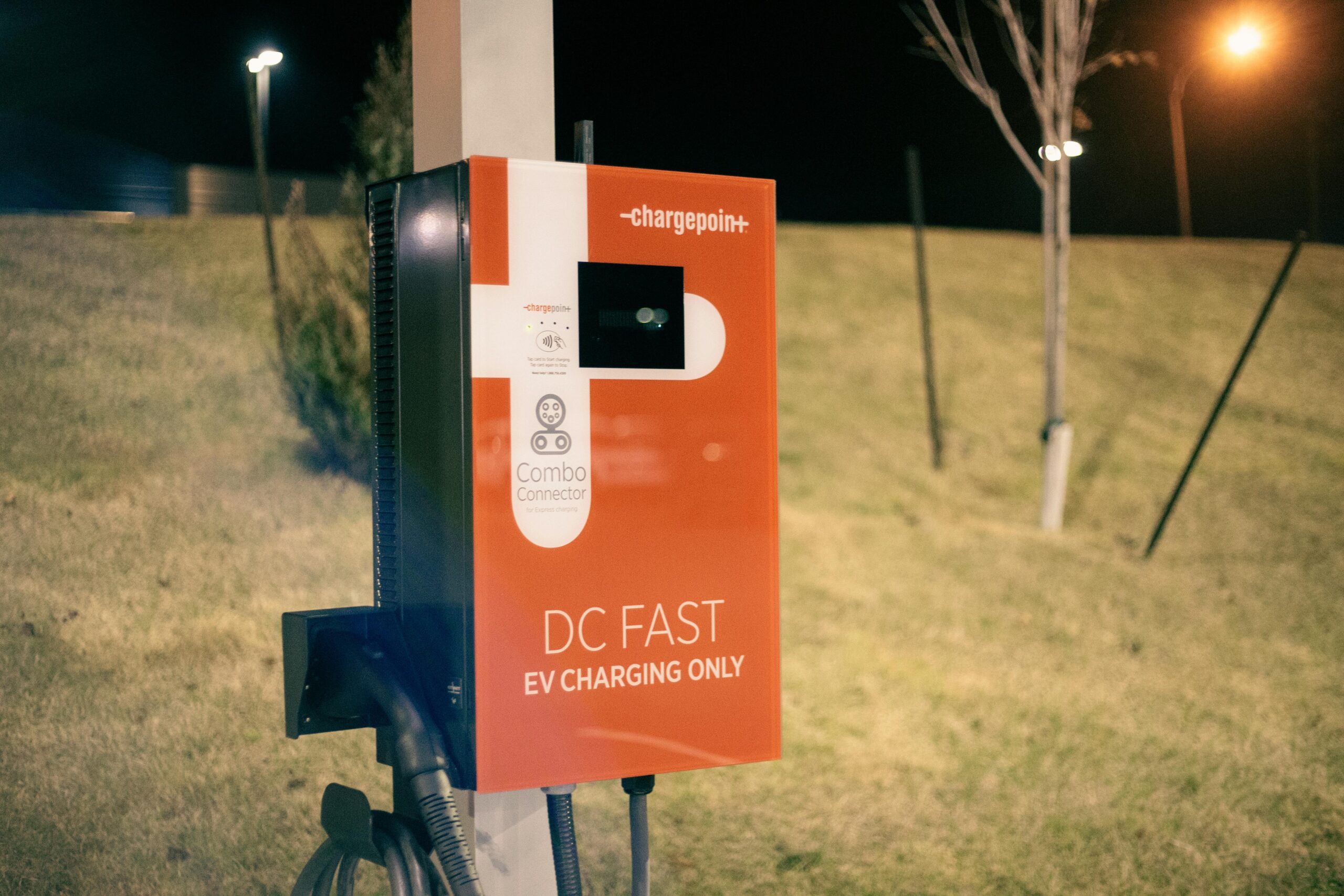
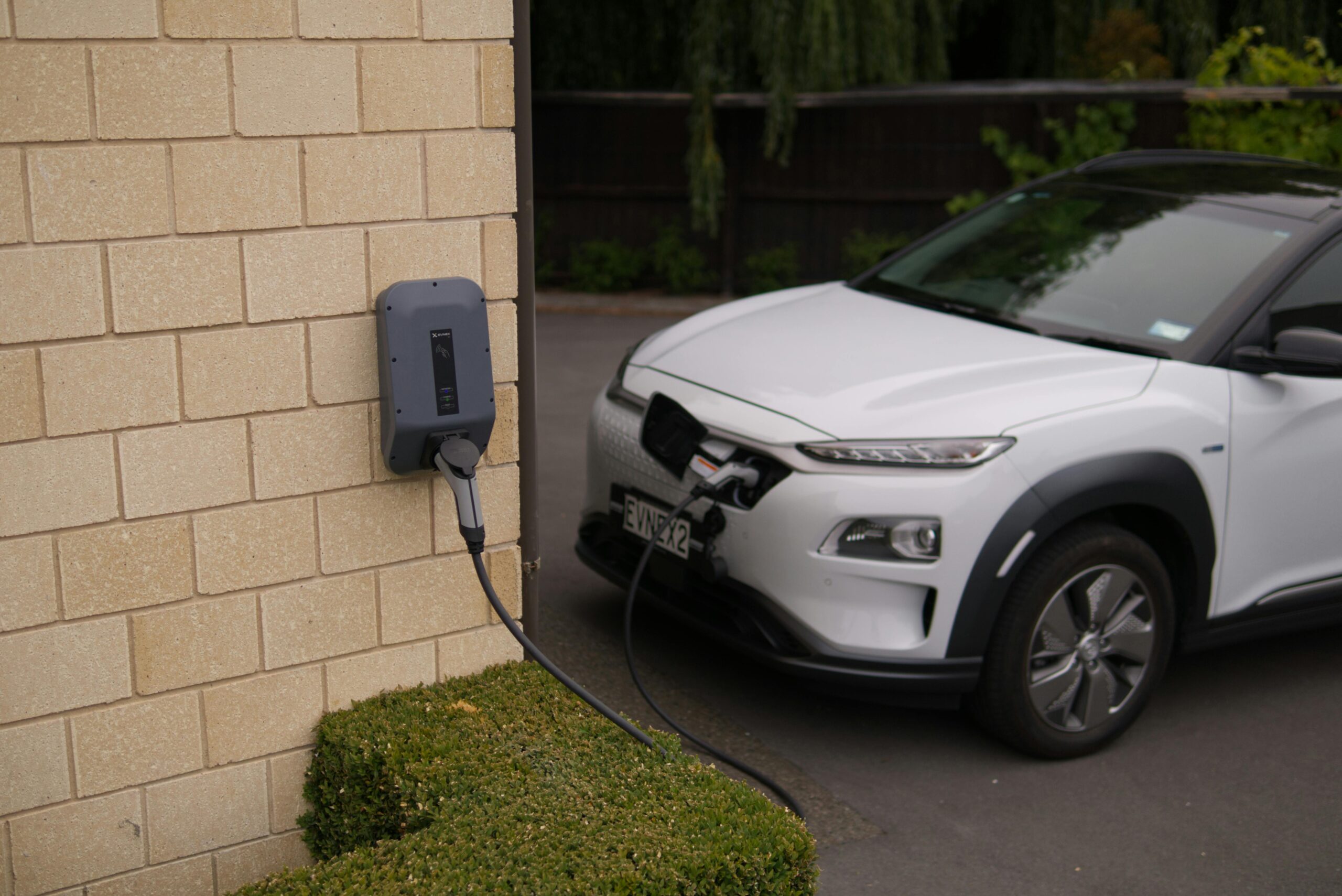
Electric vehicle infrastructure continues expanding rapidly, with charging stations integrated into parking facilities, street furniture, and residential developments. Smart charging systems coordinate with energy grids to optimize charging times, taking advantage of off-peak rates and renewable energy availability.
Autonomous Vehicles and Urban Space Optimization
The anticipated deployment of autonomous vehicles presents opportunities to fundamentally reimagine urban space allocation. Shared autonomous fleets could dramatically reduce the number of vehicles needed to serve urban populations, freeing vast areas currently devoted to parking for conversion into parks, housing, or commercial uses.
Traffic management systems using artificial intelligence optimize signal timing based on real-time conditions, reducing congestion and idling emissions. Predictive analytics anticipate traffic patterns, enabling proactive interventions that maintain flow and minimize delays.
🏗️ Built Environment: Designing Resource-Efficient Structures
Buildings consume approximately 40% of global energy and contribute substantially to carbon emissions, making them critical targets for efficiency improvements. Green building standards like LEED, BREEAM, and Living Building Challenge establish frameworks for designing structures that minimize environmental impact throughout their lifecycles.
Passive design strategies harness natural phenomena—sunlight, airflow, and thermal mass—to maintain comfortable interior conditions with minimal mechanical systems. Proper orientation, shading devices, natural ventilation, and high-performance insulation dramatically reduce energy requirements for heating and cooling.
Smart building management systems continuously monitor and adjust lighting, HVAC, and other systems based on occupancy patterns and environmental conditions. Machine learning algorithms identify optimization opportunities, steadily improving performance over time without human intervention.
Circular Economy Principles in Construction
Implementing circular economy principles in construction emphasizes material reuse, recyclability, and reduced waste generation. Design for disassembly enables building components to be easily recovered and repurposed at end-of-life rather than destined for landfills.
Innovative materials such as cross-laminated timber, recycled composites, and bio-based insulation offer sustainable alternatives to conventional construction products with lower embodied energy and carbon footprints. Material passports document component origins and characteristics, facilitating future recovery and reuse.
🌳 Green Infrastructure: Nature-Based Urban Solutions
Green infrastructure integrates natural systems into urban environments, providing multiple benefits including stormwater management, air quality improvement, urban heat island mitigation, and enhanced biodiversity. Parks, green roofs, vertical gardens, and street trees constitute essential components of resource-efficient city design.
Urban forests deliver remarkable ecosystem services, sequestering carbon, producing oxygen, filtering air pollutants, and reducing ambient temperatures through evapotranspiration. Strategic tree planting in areas experiencing severe heat island effects can decrease local temperatures by several degrees, reducing cooling energy demands.
Bioswales, rain gardens, and constructed wetlands manage stormwater through natural infiltration and treatment processes, reducing pressure on conventional grey infrastructure while creating attractive landscape features. These systems filter pollutants, recharge groundwater, and provide habitat for beneficial insects and wildlife.
📱 Digital Platforms Enabling Citizen Engagement
Successful smart cities recognize residents as active participants rather than passive consumers of services. Digital engagement platforms enable citizens to report issues, provide feedback, and contribute to decision-making processes, fostering collaborative governance and shared responsibility for urban sustainability.
Mobile applications connect residents with city services, providing interfaces for everything from transit navigation to waste collection schedules. Gamification strategies encourage sustainable behaviors by rewarding actions like recycling, using public transit, or reducing energy consumption.
Open data initiatives make municipal information accessible to developers, researchers, and entrepreneurs, catalyzing innovation as third parties create applications and services that address urban challenges in novel ways. Transparency builds trust and accountability while unleashing creative problem-solving capacity.
♻️ Circular Waste Management Systems
Traditional linear waste management—collect, dispose, forget—proves increasingly unsustainable as landfill capacity diminishes and environmental consequences mount. Smart cities implement circular approaches that view waste as valuable resources awaiting recovery and reprocessing.
Sensor-equipped waste bins monitor fill levels and communicate with collection services, enabling optimized routing that reduces fuel consumption and emissions. Automated underground collection systems use pneumatic tubes to transport waste from deposit points to central processing facilities, eliminating collection vehicle traffic in residential areas.
Advanced sorting facilities employ optical sensors, robotics, and artificial intelligence to separate waste streams with unprecedented precision, maximizing material recovery rates. Organic waste undergoes anaerobic digestion or composting, producing renewable energy or valuable soil amendments rather than generating methane in landfills.
🔐 Data Privacy and Ethical Considerations
The extensive data collection inherent in smart city systems raises legitimate concerns about privacy, surveillance, and potential misuse. Responsible implementation requires robust governance frameworks that establish clear boundaries on data collection, storage, access, and usage.
Privacy-by-design principles embed protections directly into system architectures rather than treating them as afterthoughts. Data minimization practices collect only information necessary for specific purposes, while anonymization techniques protect individual identities in aggregated datasets used for analysis and optimization.
Transparent policies clearly communicate what data is collected, how it’s used, and who has access. Democratic oversight mechanisms ensure accountability and provide channels for addressing grievances or adjusting practices that communities find problematic.
🚀 Financing Innovation and Enabling Implementation
Transforming cities requires substantial capital investment, presenting challenges particularly for municipalities with limited fiscal capacity. Innovative financing mechanisms help bridge funding gaps and accelerate smart city implementation.
Public-private partnerships leverage private sector expertise and capital while maintaining public oversight of critical infrastructure. Performance-based contracts align incentives by compensating providers based on outcomes achieved rather than inputs delivered.
Green bonds specifically designated for environmental projects attract investors seeking both financial returns and positive impact. Revolving loan funds capture savings from efficiency improvements and reinvest them in additional projects, creating self-sustaining investment cycles.
🌟 Pathways Toward Resilient Urban Futures
Building smarter, more resource-efficient cities represents one of humanity’s most pressing imperatives as we navigate the interconnected challenges of climate change, resource scarcity, and population growth. The innovations and strategies explored throughout this discussion demonstrate that sustainable urban futures are not merely aspirational visions but achievable realities supported by proven technologies and successful implementations worldwide.
The transformation requires coordinated action across multiple stakeholders—government agencies, private enterprises, academic institutions, community organizations, and individual citizens. No single entity possesses all necessary resources or expertise; progress depends on collaboration, knowledge sharing, and willingness to experiment with novel approaches.
Cities beginning their smart transformation journeys benefit from starting with pilot projects that demonstrate value and build stakeholder confidence before scaling to city-wide implementation. Incremental progress proves more sustainable than attempting comprehensive overnight transformations that overwhelm organizational capacity and strain budgets.
Continuous learning and adaptation remain essential as technologies evolve, climate conditions shift, and social priorities change. Cities must maintain flexibility, regularly reassessing strategies and adjusting approaches based on performance data and emerging opportunities.
The resource-efficient cities we design today will shape human experiences for generations to come. By embracing innovation while honoring principles of sustainability, equity, and livability, we can create urban environments that support human flourishing within planetary boundaries. The future beckons with unprecedented challenges, but also extraordinary possibilities for those willing to reimagine what cities can become when intelligence, technology, and sustainability converge in service of genuine human needs.