The transportation sector stands at a critical crossroads, accounting for nearly a quarter of global carbon emissions and demanding urgent, innovative solutions for environmental sustainability.

🚗 Understanding the Transportation Emissions Challenge
Transportation has become one of the most significant contributors to greenhouse gas emissions worldwide. From personal vehicles to cargo ships, the way we move people and goods creates an enormous carbon footprint that threatens our planet’s future. The urgency to address this challenge has never been more apparent, as climate change accelerates and air quality deteriorates in urban centers across the globe.
Current data reveals that road transport alone accounts for approximately 75% of transportation-related emissions, with aviation and maritime shipping contributing substantial portions as well. This reality underscores the need for comprehensive strategies that address multiple transportation modes simultaneously while considering economic viability and societal needs.
The complexity of reducing transportation emissions extends beyond simply switching fuel types. It involves reimagining entire systems, from urban planning and infrastructure development to consumer behavior and technological innovation. Success requires coordinated efforts among governments, industries, and individuals working toward common sustainability goals.
⚡ Electrification: Accelerating the Transition to Zero-Emission Vehicles
Electric vehicles represent one of the most promising pathways toward cleaner transportation. The global EV market has experienced exponential growth, with sales increasing by over 40% annually in recent years. This surge reflects improving technology, expanding infrastructure, and growing consumer awareness about environmental issues.
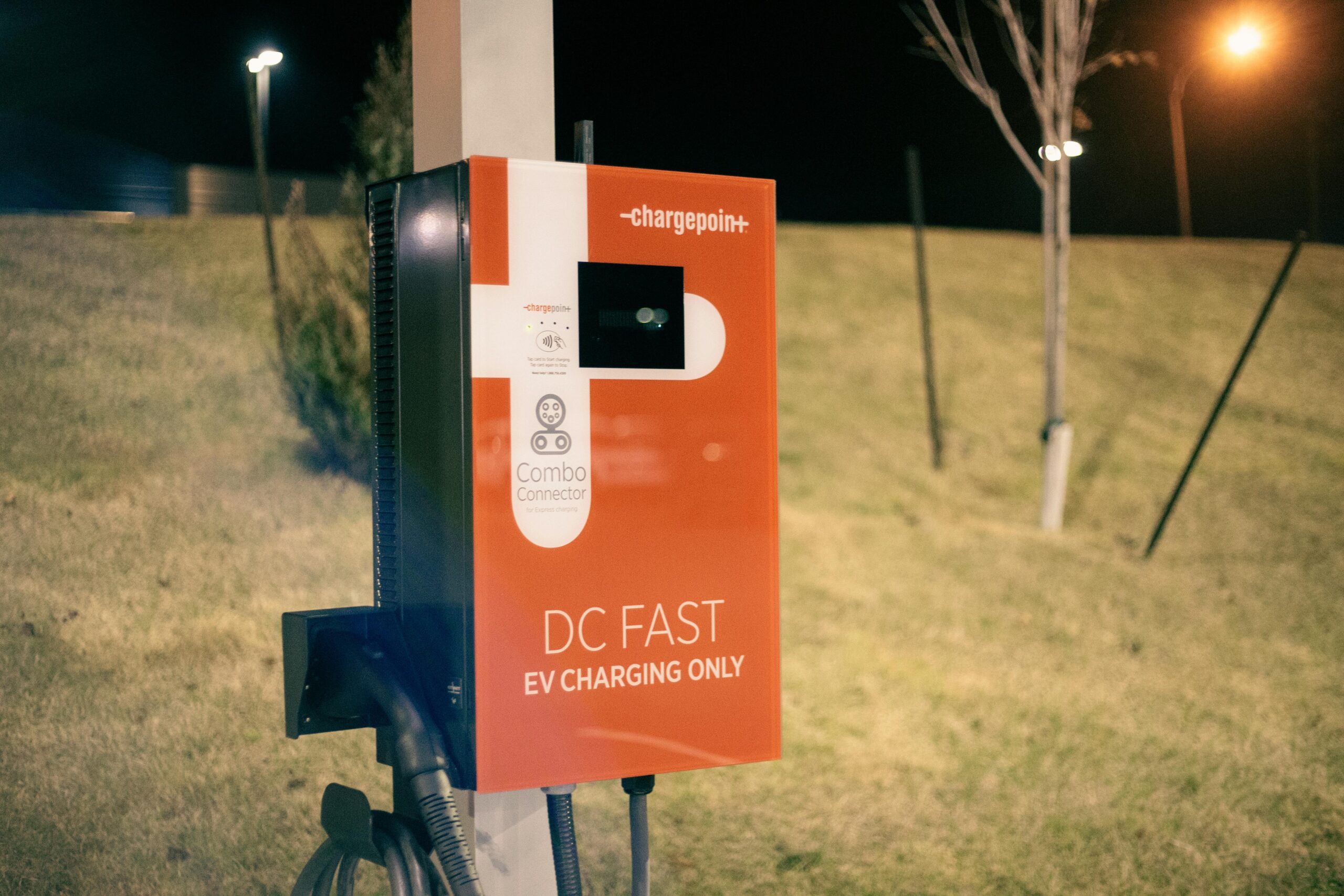
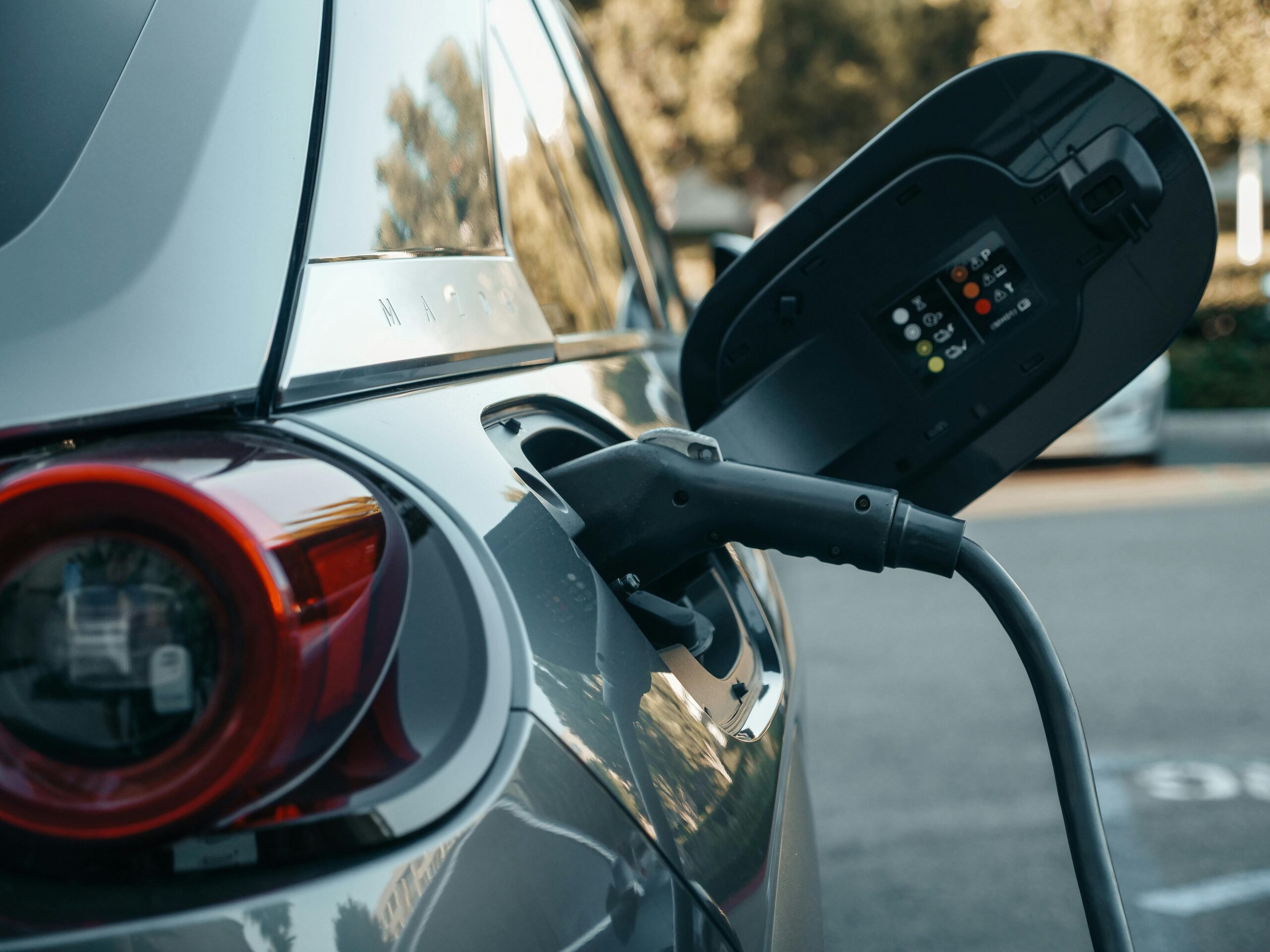
Battery technology continues advancing rapidly, addressing previous concerns about range anxiety and charging times. Modern electric vehicles now offer ranges exceeding 300 miles on single charges, with some premium models reaching 500 miles. Fast-charging networks are proliferating globally, reducing charging times to under 30 minutes for significant battery replenishment.
The environmental benefits of electric vehicles extend beyond zero tailpipe emissions. When powered by renewable energy sources, EVs produce dramatically lower lifetime emissions compared to conventional vehicles. Even when charged using current electricity grids that include fossil fuels, EVs typically generate fewer emissions than their gasoline-powered counterparts due to the superior efficiency of electric motors.
Overcoming Electric Vehicle Adoption Barriers
Despite impressive progress, several obstacles still hinder widespread EV adoption. Initial purchase costs remain higher than comparable gasoline vehicles, though this gap continues narrowing as battery prices decline and production scales increase. Government incentives in many countries help offset these costs, making EVs financially accessible to broader consumer segments.
Charging infrastructure development remains crucial for accelerating adoption. Cities and countries investing heavily in public charging networks experience higher EV uptake rates. Workplace charging stations, residential charging solutions, and strategic placement of fast chargers along highways all contribute to creating seamless charging ecosystems that eliminate range concerns.
🚌 Revolutionizing Public Transportation Systems
Public transportation offers enormous potential for emission reductions by moving more people with fewer vehicles. Cities with robust public transit systems demonstrate significantly lower per-capita transportation emissions compared to car-dependent communities. Investing in efficient, accessible, and comfortable public transit encourages modal shifts away from private vehicle use.
Electric buses are transforming urban transit fleets worldwide. Major cities from Shenzhen to Los Angeles have committed to fully electric bus fleets, eliminating diesel emissions while reducing noise pollution and maintenance costs. These transitions demonstrate the technical and economic feasibility of large-scale transit electrification.
Rail systems, both urban metro networks and intercity trains, provide highly efficient transportation alternatives. Electrified rail networks powered by renewable energy offer near-zero emission travel for millions of passengers daily. Expanding rail infrastructure and improving service frequency can significantly reduce dependence on more polluting transportation modes.
Integrating Multimodal Transportation Networks
Successful public transportation requires seamless integration between different modes. Bike-sharing programs, electric scooters, and pedestrian-friendly infrastructure create last-mile solutions that connect people to transit hubs. Digital platforms that consolidate scheduling, ticketing, and payment across multiple transit options remove friction from public transportation use.
Smart city technologies enable dynamic routing and real-time information sharing that optimizes public transit efficiency. Artificial intelligence algorithms can predict demand patterns, adjust service frequencies, and reduce wait times, making public transportation more competitive with private vehicle convenience.
✈️ Decarbonizing Aviation and Maritime Transport
Aviation and shipping present unique decarbonization challenges due to their energy-intensive nature and limited alternative fuel options. However, innovative approaches are emerging that promise substantial emission reductions in these traditionally difficult sectors.
Sustainable aviation fuels (SAFs) produced from biomass, waste materials, or synthetic processes can reduce lifecycle emissions by up to 80% compared to conventional jet fuel. Airlines are increasingly blending SAFs into their fuel supplies, though production capacity remains limited. Scaling SAF production requires significant investment and supportive policies.
Electric and hydrogen-powered aircraft development is progressing for short-distance flights. Several companies are testing electric planes for regional routes, while hydrogen fuel cells show promise for medium-range aviation. Though large, long-haul electric aircraft remain distant prospects, these technologies could revolutionize shorter flights within decades.
Maritime Shipping’s Green Transformation
The shipping industry is exploring multiple decarbonization pathways, including liquefied natural gas, hydrogen, ammonia, and methanol as alternative fuels. Wind-assisted propulsion technologies are experiencing a renaissance, with modern automated sails and rotor systems reducing fuel consumption on cargo vessels.
Electric ferries and short-sea shipping vessels are already operational in several countries, demonstrating the viability of battery-electric propulsion for maritime applications. Port electrification, allowing ships to power down engines while docked, significantly reduces emissions in coastal cities.
🏙️ Urban Planning and Infrastructure Design for Emission Reduction
Transportation emissions are fundamentally linked to how cities are designed and developed. Sprawling, car-dependent urban patterns generate far higher emissions than compact, mixed-use communities where people can walk, cycle, or use public transit for daily needs.
Complete streets design principles prioritize multiple transportation modes, creating safe, attractive environments for pedestrians and cyclists while maintaining vehicle access. Protected bike lanes, wide sidewalks, and traffic-calming measures encourage active transportation that produces zero emissions while improving public health.
Transit-oriented development concentrates housing, employment, and services around public transportation hubs, reducing travel distances and making car ownership less necessary. These developments demonstrate that thoughtful planning can create vibrant, livable communities with dramatically lower transportation emissions.
Green Corridors and Low-Emission Zones
Many cities are establishing low-emission or zero-emission zones in urban centers, restricting access to polluting vehicles while promoting cleaner alternatives. These zones have proven effective at reducing local air pollution and encouraging vehicle fleet modernization.
Green freight corridors prioritize zero-emission commercial vehicles for urban deliveries, combining infrastructure investments, regulatory incentives, and industry partnerships. Electric delivery vans and cargo bikes are replacing diesel trucks for last-mile logistics in forward-thinking cities.
📱 Digital Technologies Optimizing Transportation Efficiency
Digital innovation is transforming transportation systems, enabling efficiency gains that reduce emissions without requiring complete infrastructure overhauls. Smart mobility solutions leverage data analytics, artificial intelligence, and connectivity to optimize transportation networks.
Ride-sharing platforms and carpooling applications reduce the number of vehicles on roads by increasing average vehicle occupancy. When combined with electric vehicle fleets, these services can substantially decrease urban transportation emissions while maintaining mobility access.
Navigation applications that provide real-time traffic information help drivers avoid congestion, reducing fuel consumption from idling and stop-and-go driving. Advanced routing algorithms can optimize for fuel efficiency or suggest multimodal routes incorporating public transit, walking, or cycling segments.
Autonomous Vehicles and Shared Mobility
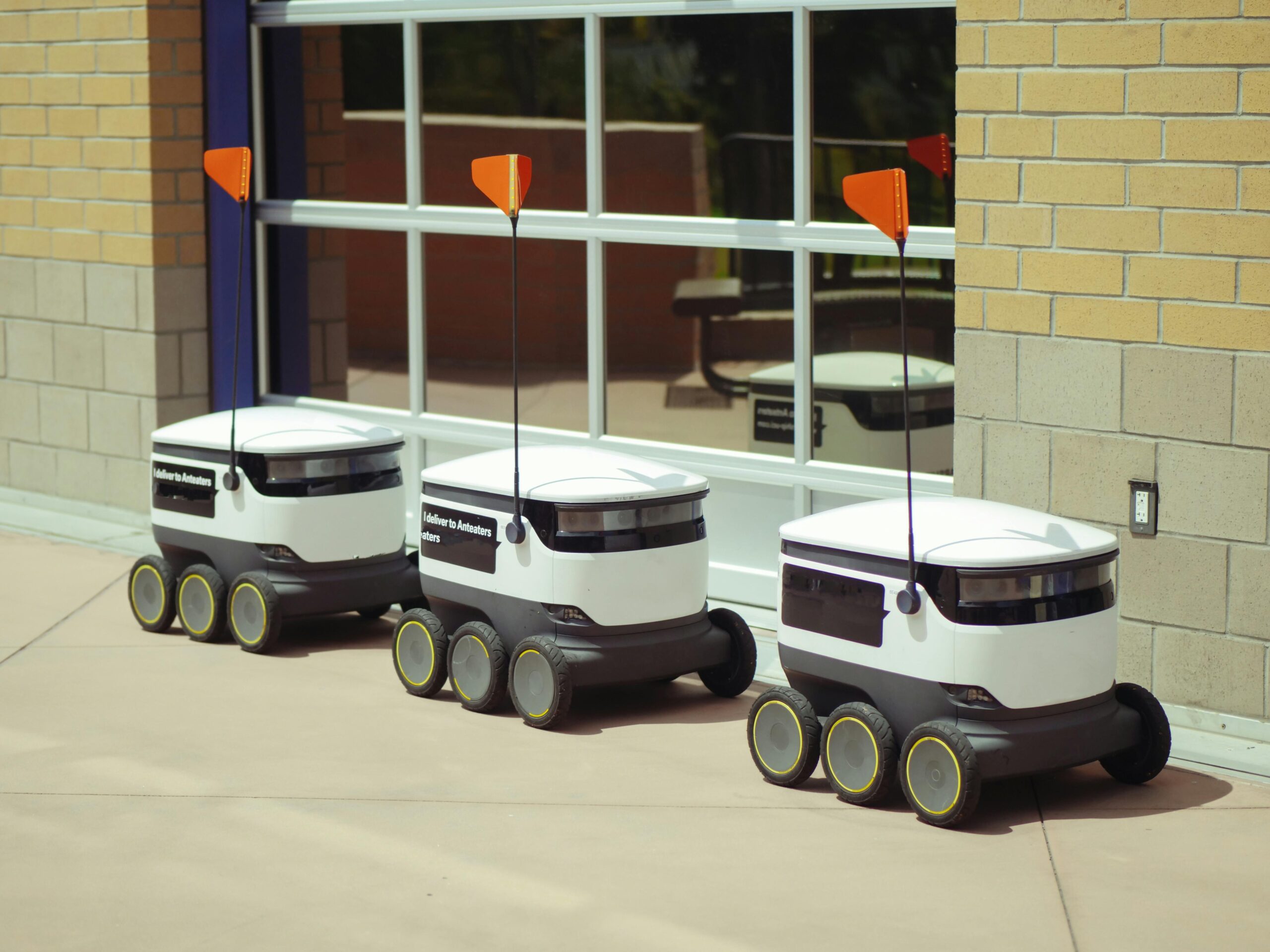
Autonomous vehicle technology promises to revolutionize transportation efficiency through optimized driving patterns, reduced congestion, and facilitation of shared mobility services. Self-driving electric vehicles operating in coordinated fleets could dramatically reduce urban transportation emissions while improving accessibility.
However, realizing these benefits requires careful planning to ensure autonomous vehicles supplement rather than replace public transit, and that they operate as shared resources rather than increasing total vehicle miles traveled.
💡 Policy Frameworks Driving Transportation Transformation
Government policies play crucial roles in accelerating transportation emission reductions. Effective policy frameworks combine regulatory standards, economic incentives, infrastructure investments, and research support to create environments where sustainable transportation thrives.
Vehicle emission standards progressively tighten requirements, driving automotive manufacturers to develop cleaner technologies. Many countries have announced phase-out dates for internal combustion engine vehicle sales, creating clear market signals that accelerate industry transformation.
Carbon pricing mechanisms, whether through taxes or cap-and-trade systems, internalize the environmental costs of emissions, making cleaner transportation options economically competitive. Revenue from carbon pricing can fund public transit improvements, charging infrastructure, and incentive programs.
Incentivizing Clean Transportation Choices
Financial incentives for electric vehicle purchases, charging infrastructure installation, and public transit use help overcome adoption barriers. Tax credits, rebates, and reduced registration fees make sustainable choices more accessible to diverse income groups.
Investments in cycling infrastructure, pedestrian improvements, and public transit expansion demonstrate government commitment to providing viable alternatives to private vehicle use. These investments create positive feedback loops where improved infrastructure encourages usage, which justifies further improvements.
🌱 Individual Actions Contributing to Transportation Sustainability
While systemic changes are essential, individual choices collectively create significant impacts. Conscious transportation decisions by millions of people drive market demand for sustainable options and demonstrate public support for green policies.
Choosing active transportation for short trips provides health benefits while producing zero emissions. Walking or cycling for errands within a few miles reduces vehicle use and connects people more directly with their communities.
When longer distances require motorized transport, public transit, carpooling, or electric vehicles offer progressively cleaner alternatives. Even among conventional vehicles, choosing fuel-efficient models and maintaining proper tire pressure significantly reduces emissions.
🔮 Emerging Technologies Shaping Transportation’s Future
Beyond current solutions, emerging technologies promise even greater emission reductions. Hydrogen fuel cells are advancing as zero-emission powertrains for heavy-duty vehicles where batteries remain impractical due to weight and range requirements.
Advanced biofuels and synthetic fuels produced using renewable energy could decarbonize existing vehicle fleets without requiring complete replacement. These drop-in fuels offer transition pathways for sectors where electrification faces technical challenges.
Hyperloop and other high-speed transportation concepts could revolutionize intercity travel with dramatically lower emissions than aviation. While still developmental, these technologies represent the transportation sector’s innovative potential.
🤝 Building Collaborative Pathways Forward
Achieving truly sustainable transportation requires unprecedented collaboration across sectors, disciplines, and borders. Industry partnerships, public-private cooperation, and international agreements all contribute to accelerating progress toward emission reduction goals.
Businesses are increasingly recognizing sustainability as competitive advantage, investing in green logistics, electric fleets, and carbon-neutral operations. Corporate commitments drive innovation and create markets for emerging clean technologies.
International cooperation facilitates technology transfer, harmonizes standards, and coordinates policies across borders. Climate agreements specifically addressing transportation emissions demonstrate global commitment to this critical challenge.
The transformation of transportation systems from major emission sources to sustainable, efficient networks represents one of the defining challenges of our time. Success requires deploying proven solutions at scale while continuing to innovate and adapt. Electric vehicles, enhanced public transit, smarter urban planning, and supportive policies form the foundation of this transformation.
The path forward demands persistence, investment, and collective action. Yet the benefits extend far beyond emission reductions, encompassing cleaner air, healthier communities, economic opportunities, and enhanced quality of life. By embracing innovative strategies and maintaining commitment to change, we can drive the transportation revolution necessary for a greener, more sustainable future for generations to come.