Modern logistics and transportation are undergoing a revolutionary transformation through data-driven route optimization solutions that deliver unprecedented efficiency and cost savings for businesses worldwide.

In today’s fast-paced commercial environment, companies face mounting pressure to deliver goods faster, reduce operational costs, and minimize their environmental footprint. Traditional route planning methods—relying on manual calculations, driver intuition, or static maps—simply cannot compete with the precision and adaptability of advanced route optimization technology. The difference between success and obsolescence often hinges on how effectively organizations leverage data to navigate the complexities of modern transportation networks.
The convergence of artificial intelligence, machine learning, real-time traffic data, and cloud computing has created an ecosystem where every delivery route can be continuously optimized. This technological evolution represents more than incremental improvement; it’s a fundamental reimagining of how goods move through our world. Companies that embrace these solutions are discovering that the road ahead isn’t just more efficient—it’s transformative for their entire business model.
🚀 The Power of Data-Driven Decision Making in Route Planning
Data-driven route optimization fundamentally changes how transportation decisions are made. Instead of relying on assumptions or outdated information, modern systems analyze millions of data points in real-time to determine the most efficient paths. These solutions consider variables that would be impossible for human planners to process simultaneously: current traffic conditions, historical traffic patterns, weather forecasts, vehicle capacities, driver schedules, delivery time windows, fuel costs, and customer priorities.
The mathematical algorithms behind these systems solve what’s known as the “vehicle routing problem”—a complex computational challenge that becomes exponentially more difficult as the number of stops increases. A route with just 10 stops has over 3.6 million possible combinations. For fleets handling hundreds of deliveries daily, the possibilities become astronomical. Only sophisticated algorithms can navigate this complexity efficiently.
What makes modern solutions particularly powerful is their ability to learn and adapt. Machine learning models identify patterns in delivery performance, customer behavior, and traffic flows that inform future routing decisions. Over time, these systems become increasingly accurate at predicting optimal routes for specific circumstances, creating a continuous improvement cycle that traditional methods cannot match.
💰 Quantifying the Financial Impact of Route Optimization
The economic benefits of route optimization extend far beyond simple fuel savings, though those alone can be substantial. Companies implementing advanced routing solutions typically report fuel cost reductions of 15-30%, which translates to significant savings for operations of any size. For a mid-sized delivery fleet covering 100,000 miles annually, this could mean saving tens of thousands of dollars in fuel expenses alone.
However, the financial advantages permeate every aspect of fleet operations. Optimized routes reduce vehicle wear and tear, extending vehicle lifespan and decreasing maintenance costs. Drivers complete more deliveries in less time, improving labor productivity without requiring additional workforce investment. Reduced mileage also means lower insurance premiums and decreased depreciation rates.
Customer satisfaction improvements driven by accurate delivery windows and reduced late deliveries protect revenue streams and enhance brand reputation. The cost of customer acquisition far exceeds retention costs, making the reliability enabled by route optimization invaluable. Furthermore, companies can often serve more customers with existing resources, enabling growth without proportional increases in operational expenses.
Return on Investment Timeline
Most organizations implementing comprehensive route optimization solutions experience positive ROI within 3-6 months. The initial investment includes software licensing or subscription fees, hardware installation if needed, and employee training. However, these costs are typically offset quickly by immediate operational savings and efficiency gains.
| Cost Category | Typical Savings Range | Impact Timeframe |
|---|---|---|
| Fuel Consumption | 15-30% | Immediate |
| Labor Costs | 10-25% | 1-3 months |
| Vehicle Maintenance | 12-20% | 3-6 months |
| Fleet Size Optimization | 5-15% | 6-12 months |
🌍 Environmental Benefits Beyond the Bottom Line
While financial considerations drive initial adoption, the environmental benefits of route optimization are increasingly important to businesses, regulators, and consumers. Transportation accounts for a significant portion of global greenhouse gas emissions, and delivery vehicles contribute substantially to urban air pollution. Route optimization directly addresses these environmental challenges.
By minimizing unnecessary mileage, optimized routing reduces carbon emissions proportionally to fuel savings. A company reducing fuel consumption by 20% achieves a corresponding 20% reduction in carbon dioxide emissions from those vehicles. For large fleets, this represents meaningful environmental progress measurable in tons of avoided emissions annually.
The environmental advantages extend beyond emissions reduction. Less time on roads means reduced noise pollution in residential areas, decreased traffic congestion, and lower particulate matter from tire and brake wear. Companies pursuing sustainability certifications or responding to increasingly stringent environmental regulations find route optimization essential to meeting their goals.
Moreover, consumers increasingly prefer environmentally conscious companies. Demonstrating tangible commitment to reducing environmental impact through measurable routing efficiency can differentiate brands in competitive markets and attract environmentally motivated customers.
📱 Technology Integration and Real-Time Adaptability
Modern route optimization solutions don’t exist in isolation—they integrate seamlessly with broader business systems to create comprehensive operational visibility. Integration with GPS tracking systems provides real-time vehicle location data, enabling dynamic route adjustments when circumstances change. If a delivery takes longer than expected or traffic conditions suddenly worsen, the system can automatically recalculate routes for remaining stops.
Integration with customer relationship management (CRM) systems ensures routing decisions reflect customer priorities and service level agreements. High-value customers or time-sensitive deliveries receive appropriate prioritization automatically. Warehouse management system (WMS) integration optimizes loading sequences so items are accessible in delivery order, reducing time at each stop.
Mobile applications empower drivers with turn-by-turn navigation, delivery instructions, and customer information at their fingertips. Drivers can provide real-time updates on delivery status, traffic conditions, or issues requiring attention. This bidirectional communication creates a responsive network where information flows seamlessly between office, vehicles, and customers.
The Internet of Things Revolution in Fleet Management
Internet of Things (IoT) sensors transform vehicles into data-generating platforms that feed optimization algorithms with unprecedented detail. Telematics devices monitor fuel consumption, engine performance, braking patterns, and speed variations. This granular data enables predictive maintenance, identifies inefficient driving behaviors, and provides precise inputs for route optimization calculations.
Temperature sensors ensure cold chain integrity for perishable goods, while load sensors verify cargo capacity utilization. Door sensors track loading and unloading times, identifying opportunities for process improvements. Together, these technologies create a comprehensive digital twin of fleet operations that enables continuous optimization.
🎯 Overcoming Implementation Challenges
Despite compelling benefits, implementing route optimization solutions presents challenges that organizations must address thoughtfully. Change management represents perhaps the greatest hurdle—drivers and dispatchers accustomed to traditional methods may resist computer-generated routes. Success requires demonstrating that optimization technology supports rather than replaces human expertise.
Data quality issues can undermine optimization effectiveness. Inaccurate customer addresses, outdated traffic information, or incomplete delivery requirements produce suboptimal routes. Organizations must invest in data cleansing and establish processes ensuring ongoing data accuracy. The principle “garbage in, garbage out” applies absolutely to route optimization.
Integration complexity varies depending on existing technology infrastructure. Companies with legacy systems may face technical challenges connecting disparate platforms. Selecting solutions with robust APIs and proven integration capabilities minimizes these difficulties. Some organizations benefit from phased implementations, starting with core functionality before adding advanced features.
Training investments are essential but sometimes underestimated. Dispatchers must understand how to interpret optimization recommendations and when manual adjustments are appropriate. Drivers need familiarity with mobile applications and procedures for communicating exceptions. Comprehensive training programs accelerate adoption and maximize solution effectiveness.
🔮 Emerging Trends Shaping the Future of Route Optimization
Artificial intelligence continues advancing route optimization capabilities beyond current achievements. Next-generation systems will incorporate computer vision to analyze loading dock congestion in real-time, automatically adjusting arrival times to minimize waiting. Natural language processing will enable conversational interfaces where dispatchers can simply describe routing needs rather than configuring complex parameters.
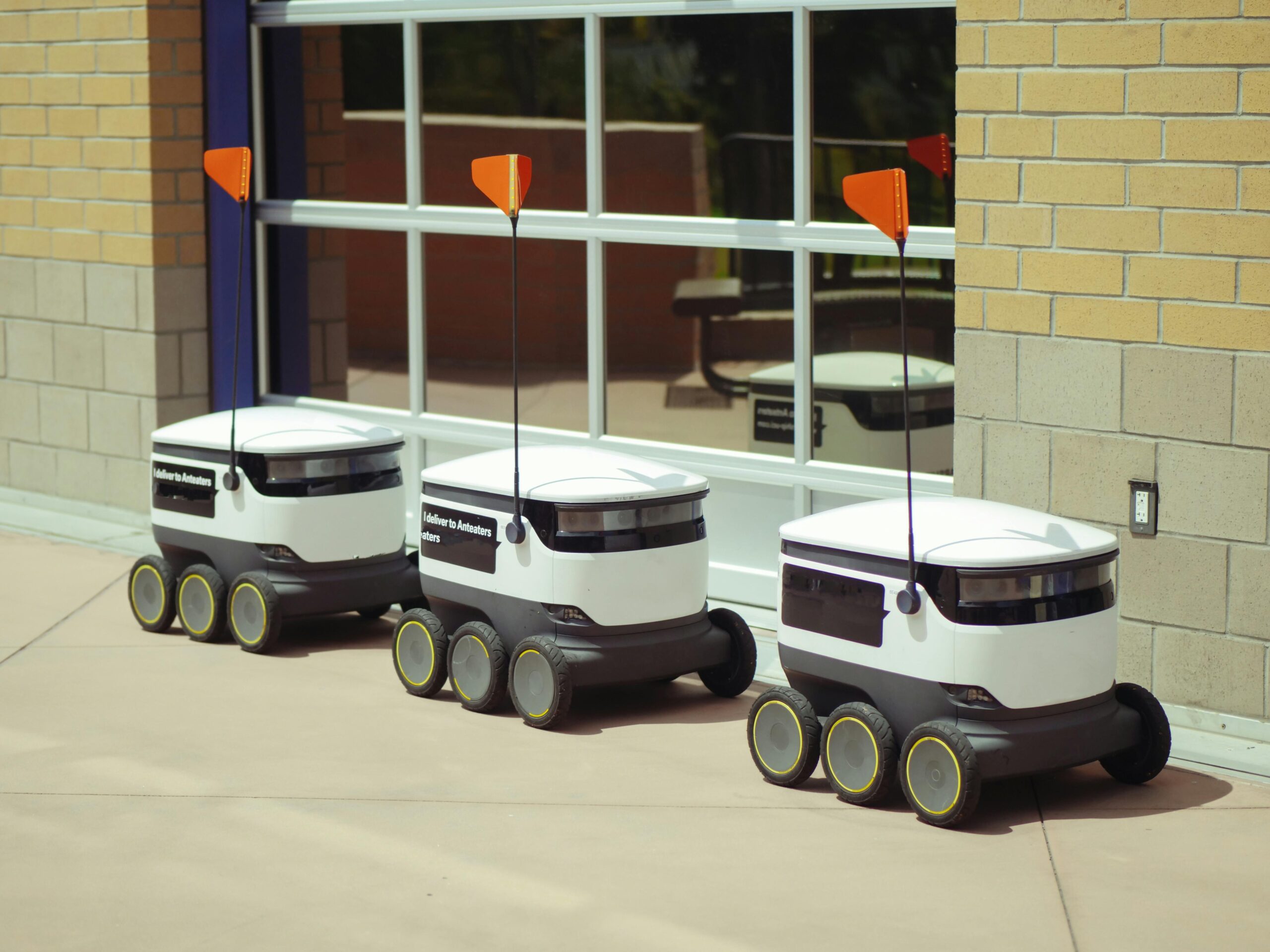
Autonomous vehicle integration represents a paradigm shift for route optimization. Self-driving delivery vehicles will execute optimized routes with perfect consistency, eliminating human variability while enabling 24-hour operations. Optimization algorithms will coordinate fleets of autonomous vehicles with unprecedented precision, treating individual vehicles as components of a unified logistics organism.
Drone delivery integration introduces three-dimensional routing challenges and opportunities. Optimization systems will coordinate ground vehicles and aerial drones, leveraging each mode’s advantages while managing airspace restrictions and weather limitations. This multimodal approach will dramatically expand delivery speed and reach.
Blockchain technology promises enhanced transparency and trust in logistics networks. Smart contracts could automatically trigger route adjustments based on verified delivery confirmations, while immutable records provide complete audit trails. These capabilities particularly benefit complex supply chains involving multiple carriers and stakeholders.
Sustainability-Focused Optimization Criteria
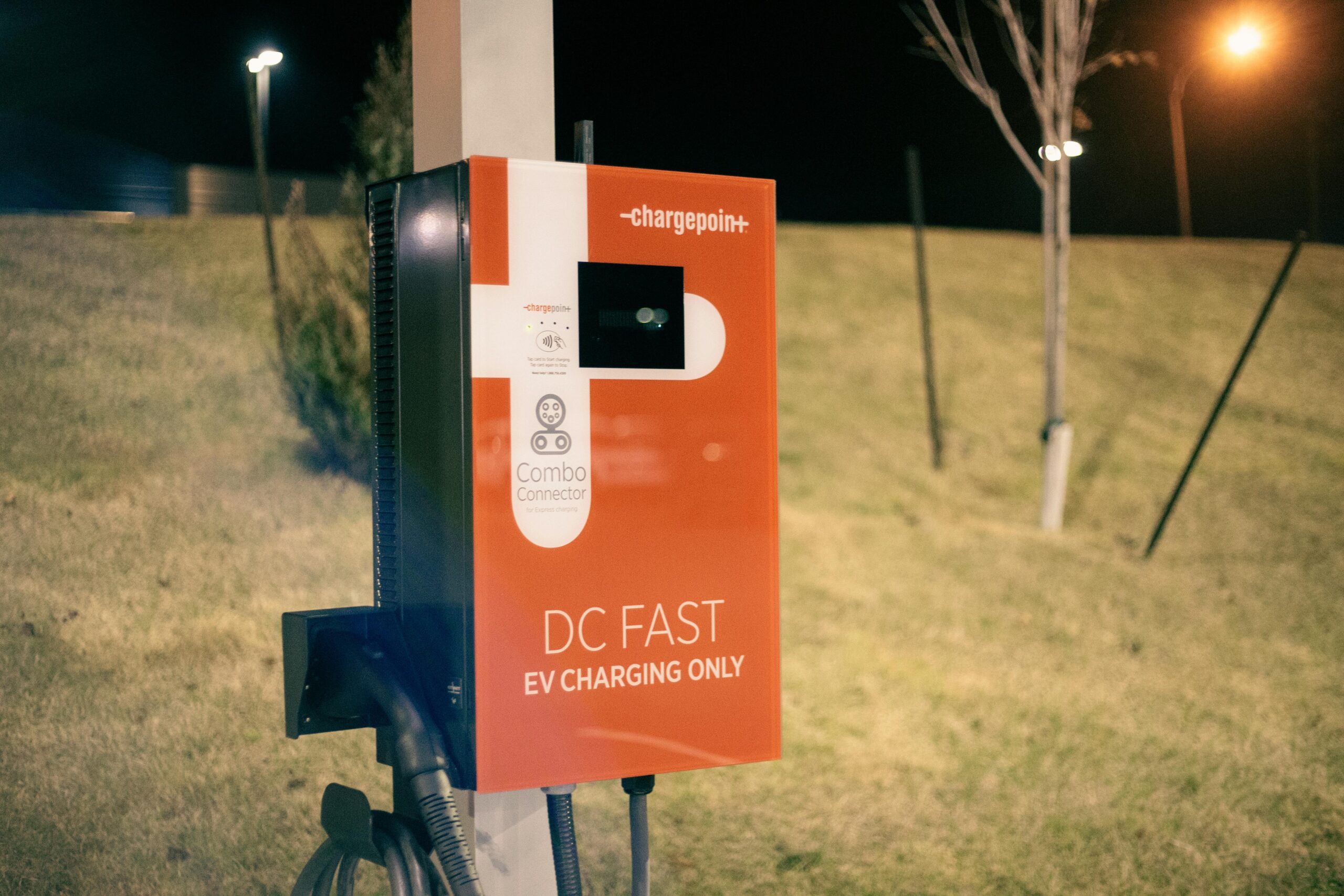
Future route optimization will increasingly prioritize environmental metrics alongside traditional efficiency measures. Carbon-aware routing will select paths minimizing emissions even if they don’t represent the shortest distance or fastest time. Electric vehicle integration will incorporate charging station locations, battery range calculations, and electricity pricing into routing decisions.
Circular economy principles will influence routing logic, facilitating reverse logistics for product returns, recycling programs, and packaging recovery. Optimization systems will seamlessly integrate forward and reverse flows, maximizing vehicle utilization while supporting sustainability initiatives.
🏆 Selecting the Right Route Optimization Solution
Choosing appropriate route optimization technology requires careful evaluation of business requirements, existing infrastructure, and growth objectives. Organizations should begin by clearly defining their optimization priorities—whether emphasizing cost reduction, service improvement, environmental impact, or balanced objectives across multiple dimensions.
Scalability considerations are crucial. Solutions must accommodate current operational volumes while supporting anticipated growth without requiring complete replacement. Cloud-based platforms typically offer superior scalability compared to on-premises systems, with the added benefits of automatic updates and reduced IT infrastructure requirements.
User experience significantly impacts adoption success. Intuitive interfaces reduce training requirements and encourage consistent usage. Mobile applications should function reliably in areas with limited connectivity, with offline capabilities for essential functions. Demonstration periods or pilot programs allow evaluation of real-world usability before full commitment.
Vendor support and expertise matter tremendously. Implementation partners should offer industry-specific knowledge, proven methodologies, and ongoing optimization consulting. The relationship extends far beyond initial software installation—continuous improvement requires collaborative partnership with vendors who understand your business challenges.
- Comprehensive reporting and analytics capabilities for performance monitoring
- Flexible customization options to accommodate unique business rules
- Robust API ecosystem for seamless system integration
- Regular feature enhancements reflecting technological advances
- Strong security measures protecting sensitive business and customer data
- Transparent pricing models aligned with business value delivered
🚦 Real-World Success Stories Demonstrating Transformative Impact
Organizations across industries have achieved remarkable results through route optimization implementation. A regional food distributor reduced delivery fleet size by 18% while maintaining service levels, eliminating several vehicle leases and associated operating costs. The optimization system identified inefficiencies in route assignments that had persisted for years under manual planning methods.
A pharmaceutical company facing strict temperature control requirements implemented route optimization integrated with cold chain monitoring. The solution reduced temperature excursions by 73% while decreasing delivery times by 22%. Compliance improvements protected product integrity and brand reputation while efficiency gains directly enhanced profitability.
A last-mile delivery service competing in the demanding e-commerce sector deployed advanced route optimization with dynamic rerouting capabilities. Customer satisfaction scores improved by 31% due to more accurate delivery windows and reduced late deliveries. The company expanded service territory by 40% without adding vehicles, using optimization to extract maximum productivity from existing assets.
These examples illustrate that route optimization delivers value across diverse operational contexts. Whether serving established routes or adapting to constantly changing demands, data-driven optimization provides competitive advantages that manual methods simply cannot match.
💡 Strategic Implementation Best Practices
Successful route optimization implementation follows proven methodologies that maximize benefits while minimizing disruption. Starting with comprehensive process documentation establishes baseline performance metrics and identifies specific improvement opportunities. Understanding current-state operations reveals optimization priorities and helps set realistic expectations.
Pilot programs focused on specific routes, vehicle types, or geographic areas allow controlled evaluation before full deployment. Pilots generate compelling proof points demonstrating tangible benefits, building organizational support for broader implementation. They also reveal integration challenges or process adjustments needed before enterprise-wide rollout.
Stakeholder engagement throughout implementation is critical. Drivers possess valuable knowledge about customer locations, access restrictions, and delivery challenges that should inform system configuration. Including drivers in pilot programs creates advocates who help drive adoption across the broader workforce.
Performance monitoring must extend beyond initial implementation. Establishing regular reviews of key metrics—fuel consumption, delivery times, customer satisfaction, route compliance—ensures sustained benefits and identifies opportunities for continuous improvement. Route optimization is not a “set and forget” technology but rather an ongoing operational discipline.
🌟 Embracing the Future of Intelligent Transportation
The trajectory of route optimization technology points toward increasingly intelligent, autonomous systems that fundamentally transform logistics operations. Companies embracing these solutions today position themselves advantageously for the transportation landscape of tomorrow. The competitive gaps between optimized and traditional operations will only widen as technology capabilities advance.
Beyond immediate operational benefits, route optimization provides strategic flexibility enabling business model innovation. Companies can confidently pursue expansion into new markets, offer premium delivery services, or develop sustainability-focused value propositions knowing their routing infrastructure can support these initiatives.
The investment in route optimization technology represents more than cost reduction—it’s a strategic commitment to operational excellence that permeates organizational culture. Data-driven decision-making becomes embedded in daily operations, creating foundations for continuous improvement across all business functions.
Organizations still relying on manual routing methods face an increasingly untenable competitive position. Customer expectations for fast, reliable delivery continue rising while margin pressures intensify across industries. Route optimization isn’t merely an advantageous technology—it’s becoming essential infrastructure for logistics-dependent businesses.
The road ahead promises exciting developments in transportation technology, from autonomous vehicles to artificial intelligence breakthroughs. Companies that master route optimization today build capabilities and cultural readiness to leverage tomorrow’s innovations. The journey toward transportation excellence begins with embracing data-driven optimization solutions that unlock efficiency, generate savings, and create sustainable competitive advantages in an increasingly demanding marketplace.