Urban mobility is undergoing a dramatic transformation as cities worldwide embrace innovative technologies to optimize public transit, reduce congestion, and deliver faster, more reliable commutes for millions of passengers daily.

🚇 The Urban Transit Crisis: Why Optimization Matters Now
Metropolitan areas are experiencing unprecedented population growth, with the United Nations projecting that 68% of the world’s population will reside in urban centers by 2050. This demographic shift places enormous pressure on existing public transportation infrastructure, creating challenges that traditional planning approaches simply cannot address effectively.
Transit agencies face a complex balancing act: they must accommodate increasing ridership while managing limited budgets, aging infrastructure, and growing environmental concerns. The cost of urban congestion extends beyond mere inconvenience—it represents billions in lost productivity, increased pollution, and diminished quality of life for city residents.
Modern optimization technologies offer a promising solution to these challenges. By leveraging real-time data, artificial intelligence, and predictive analytics, cities can transform their public transit systems from rigid, schedule-bound networks into dynamic, responsive transportation ecosystems that adapt to actual demand patterns and changing conditions.
🤖 Artificial Intelligence: The Brain Behind Smart Transit
Artificial intelligence has emerged as the cornerstone of next-generation public transit optimization. Machine learning algorithms analyze vast datasets encompassing historical ridership patterns, weather conditions, special events, and real-time sensor information to predict demand with remarkable accuracy.
These AI-powered systems continuously learn from operational data, identifying patterns that human planners might overlook. For instance, algorithms can detect subtle correlations between weather conditions and route preferences, enabling transit agencies to preemptively adjust service levels before demand spikes occur.
Transit agencies in cities like Singapore and Barcelona have implemented AI-driven scheduling systems that dynamically optimize bus frequencies based on predicted passenger loads. The results have been impressive: reduced wait times, decreased crowding, and more efficient use of vehicle fleets without requiring additional capital investment in new buses or trains.
Predictive Maintenance Revolutionizes Fleet Management
Beyond scheduling, AI excels at predictive maintenance—identifying potential vehicle failures before they occur. Sensors embedded throughout buses, trains, and trams continuously monitor critical systems, transmitting data to centralized platforms that apply machine learning models to detect anomalies indicating impending failures.
This proactive approach transforms maintenance from reactive crisis management to strategic prevention. Transit agencies report significant reductions in unexpected breakdowns, improved vehicle availability, and substantial cost savings from avoiding emergency repairs and the associated service disruptions that frustrate passengers.
📱 Real-Time Passenger Information Systems Transform the Commute Experience
Information asymmetry has long plagued public transit users. Passengers waiting at stops often have no reliable way to know when their bus or train will actually arrive, leading to anxiety and perceived unreliability that drives commuters back to private vehicles.
Modern real-time passenger information systems eliminate this frustration through GPS tracking, automated vehicle location systems, and sophisticated prediction algorithms. Digital displays at stations and mobile applications provide accurate arrival predictions, allowing passengers to plan their journeys with confidence.
Cities like London and New York have invested heavily in comprehensive real-time information infrastructure. The impact on passenger satisfaction has been measurable and significant—studies show that providing accurate wait time information improves perceived service quality even when actual wait times remain unchanged.
Applications like Citymapper integrate real-time data from multiple transit agencies, providing comprehensive journey planning that seamlessly combines buses, trains, bike-sharing, and walking routes. These platforms represent a fundamental shift toward mobility-as-a-service, where the focus transitions from individual transit modes to integrated, door-to-door journey solutions.
🌐 Internet of Things: Connecting Every Element of the Transit Network
The Internet of Things has enabled unprecedented connectivity within public transit systems. Smart sensors deployed throughout the network collect granular data on vehicle location, passenger counts, environmental conditions, and infrastructure status, creating a comprehensive digital twin of the entire transit ecosystem.
Automatic passenger counting systems using infrared sensors or computer vision provide accurate, real-time ridership data for every route and vehicle. This information proves invaluable for both immediate operational decisions and long-term strategic planning, replacing the costly and imprecise manual counting methods that many agencies previously relied upon.
Smart Infrastructure Enhances Safety and Efficiency
Beyond vehicles, IoT technology extends to transit infrastructure itself. Smart traffic signals can detect approaching buses and extend green lights to reduce delays, a technique known as transit signal priority. When implemented system-wide, this technology can significantly reduce journey times without requiring dedicated bus lanes or other expensive infrastructure modifications.
Environmental sensors monitor air quality, temperature, and noise levels at stations and aboard vehicles, ensuring passenger comfort while identifying maintenance needs. Connected surveillance systems enhance security, with AI-powered video analytics detecting unusual behavior patterns and alerting security personnel to potential incidents before they escalate.
🗺️ Dynamic Route Optimization: Flexibility Meets Efficiency
Traditional transit planning relies on fixed routes designed to serve established demand patterns. However, urban activity patterns constantly evolve as neighborhoods develop, employment centers shift, and social behaviors change. Static route networks struggle to adapt to these transformations, leading to inefficient service allocation.
Dynamic route optimization technologies enable transit systems to respond fluidly to changing demand. Demand-responsive transit (DRT) systems use algorithms to create flexible routes based on actual passenger requests, operating somewhere between traditional fixed-route buses and individual taxi services.
Several cities have successfully implemented DRT services in lower-density areas where conventional fixed-route service proves economically unsustainable. Passengers request rides through mobile applications, and sophisticated algorithms group requests into efficient shared routes, maximizing vehicle utilization while minimizing passenger detours.
Microtransit Bridges the First-Mile, Last-Mile Gap
One persistent challenge in public transit adoption is the “first-mile, last-mile” problem—the difficulty of reaching transit stations from origins and destinations. Microtransit services address this challenge through small, flexible vehicles operating in defined zones, complementing rather than replacing trunk transit services.
Technology platforms coordinate these microtransit operations, matching passengers heading in similar directions and dynamically routing vehicles to maximize efficiency. The result is transit coverage that adapts to actual demand patterns rather than forcing passengers to conform to predetermined routes and schedules.
💳 Integrated Fare Payment Systems Simplify Multi-Modal Journeys
Fare payment complexity has historically deterred occasional transit users. Different agencies often employ incompatible payment systems, requiring passengers to navigate multiple ticketing platforms when connecting between buses, trains, and other transit modes.
Modern contactless payment systems and account-based ticketing eliminate this friction. Passengers simply tap credit cards, smartphones, or smart cards when boarding, with fare calculation and capping handled automatically in the background. This approach dramatically simplifies the user experience while providing transit agencies with valuable data on journey patterns.
Cities like London have demonstrated the transformative potential of integrated payment systems. The Oyster card and subsequent contactless payment integration removed significant barriers to transit use, contributing to sustained ridership growth even as competing mobility options emerged.
📊 Data Analytics: Turning Information Into Insight
Public transit systems generate enormous volumes of data from ticketing systems, vehicle sensors, passenger counters, and external sources. The challenge lies not in data collection but in extracting actionable insights from this information deluge.
Advanced analytics platforms aggregate data from disparate sources, applying statistical techniques and visualization tools to reveal patterns invisible to human observers. Transit planners can identify underutilized capacity, pinpoint bottlenecks, and evaluate the impact of service changes with unprecedented precision.
Performance metrics once calculated monthly from manual surveys can now be monitored in real-time, enabling rapid response to emerging issues. Dashboard systems provide executives with comprehensive views of system performance, while frontline managers receive alerts about specific operational concerns requiring immediate attention.
Privacy Considerations in Data-Driven Transit
The extensive data collection necessary for optimization raises legitimate privacy concerns. Transit agencies must balance the benefits of granular data analysis against passengers’ reasonable expectations of anonymity when using public services.
Leading agencies address these concerns through privacy-by-design principles, collecting only necessary data, anonymizing information wherever possible, and implementing robust security measures to prevent unauthorized access. Transparent data policies help build public trust, ensuring that passengers understand how their information is used and protected.
🌍 Environmental Benefits: Green Technology for Sustainable Cities
Transit optimization delivers significant environmental benefits beyond improved passenger experience. Efficient operations reduce fuel consumption and emissions per passenger-mile, while making public transit more attractive encourages modal shift from private vehicles, multiplying environmental gains.
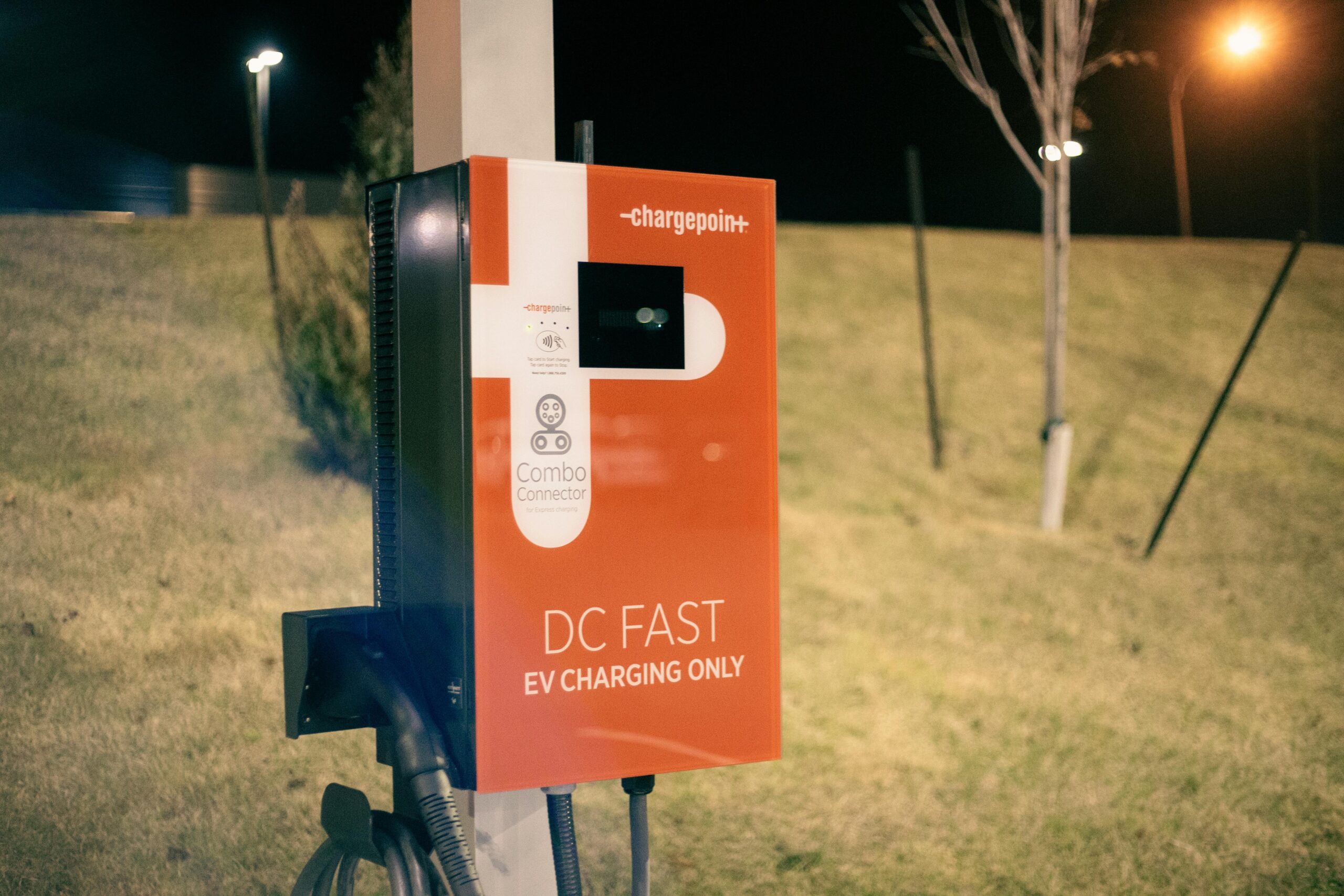
Electric bus fleets, increasingly common in major cities, benefit particularly from optimization technologies. Intelligent charging systems schedule vehicle charging during off-peak electricity demand periods when renewable energy generation often exceeds consumption, reducing both costs and carbon intensity.
Route optimization algorithms consider energy efficiency alongside journey time, identifying paths that minimize energy consumption through factors like elevation changes and traffic congestion. Over time, these seemingly minor optimizations accumulate into substantial environmental and economic benefits.
🔮 Emerging Technologies Shaping Tomorrow’s Transit
The current wave of optimization technologies represents just the beginning of transit’s digital transformation. Several emerging technologies promise to further revolutionize urban mobility in coming years.
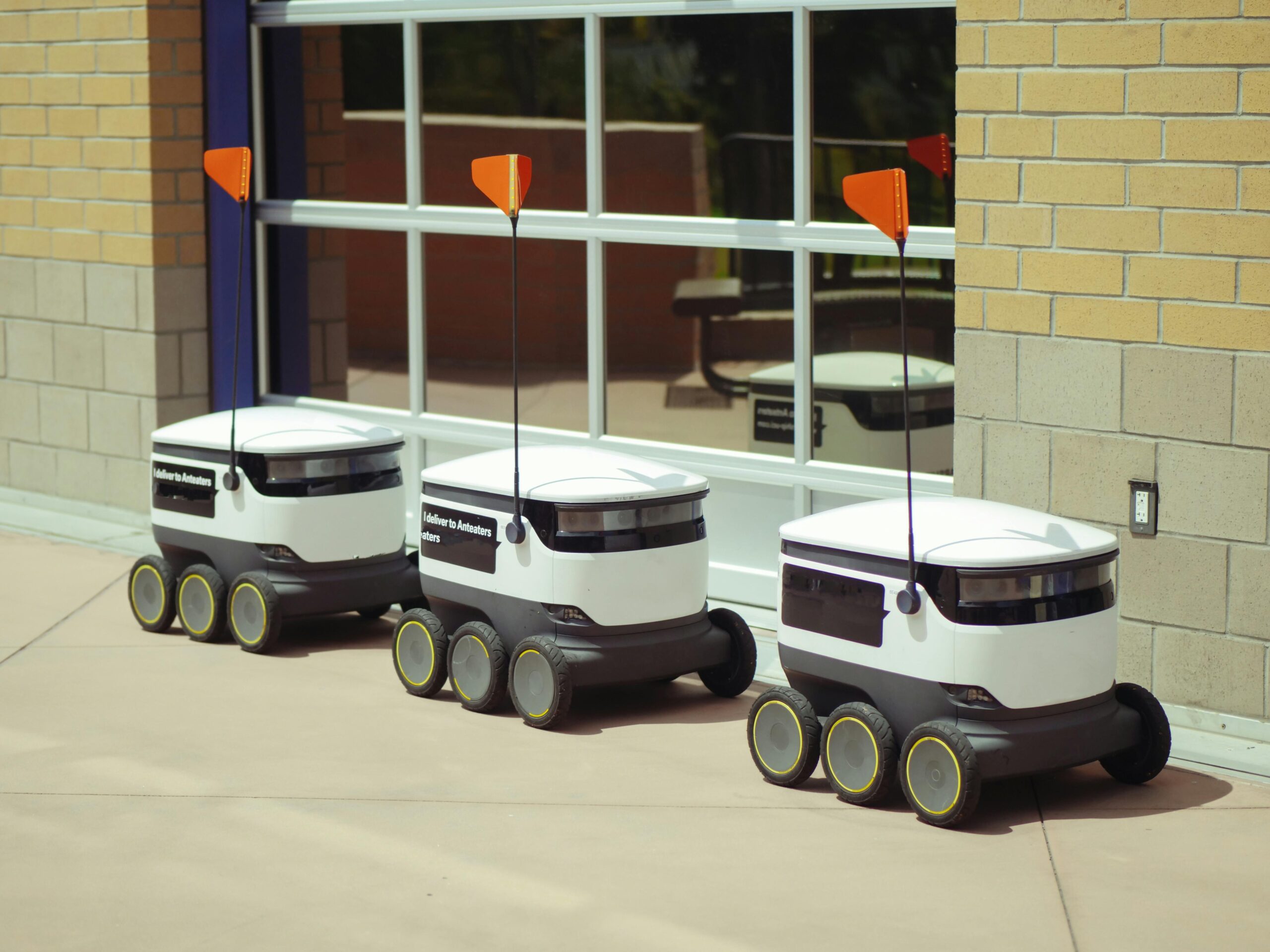
Autonomous vehicles may eventually transform public transit operations, potentially reducing labor costs while increasing service frequency and hours. However, the path to widespread autonomous transit deployment remains uncertain, with technical, regulatory, and social challenges yet to be fully resolved.
Blockchain technology offers potential applications in transparent, secure fare payment systems and data sharing between agencies. Smart contracts could automate compensation for service disruptions or enable seamless interoperability between different transit providers.
5G Connectivity Enables Real-Time Coordination
Fifth-generation mobile networks promise the ultra-low latency and high bandwidth necessary for true real-time transit system coordination. Vehicle-to-infrastructure and vehicle-to-vehicle communication could enable precise coordination between buses, trains, and traffic signals, optimizing flow throughout the network.
Augmented reality applications may transform how passengers interact with transit systems, overlaying navigation information onto real-world views and providing contextual information about points of interest along routes. These technologies could make public transit more accessible to visitors and occasional users unfamiliar with local systems.
🚀 Implementation Challenges: From Theory to Practice
Despite the impressive potential of optimization technologies, implementation faces significant practical challenges. Legacy systems often prove difficult to integrate with modern platforms, requiring expensive middleware solutions or complete replacement of functioning equipment.
Organizational resistance represents another substantial barrier. Transit agencies with decades of experience operating traditional systems may view new technologies with skepticism, particularly when initial implementations encounter inevitable teething problems. Successful technology adoption requires not just technical solutions but also change management, training, and cultural transformation.
Financial constraints limit many agencies’ ability to invest in optimization technologies, particularly in developing countries where transit needs often exceed available funding. Creative financing approaches, including public-private partnerships and phased implementation strategies, can help overcome these limitations.
🏆 Success Stories: Cities Leading the Transit Revolution
Several cities have emerged as leaders in transit optimization, demonstrating the transformative potential of these technologies when implemented thoughtfully and comprehensively.
Singapore’s Land Transport Authority has created one of the world’s most sophisticated intelligent transportation systems, integrating real-time data from buses, trains, and roads to optimize network performance. The city-state’s compact geography and strong government support have enabled rapid technology deployment that serves as a model for other cities.
Helsinki has pioneered the mobility-as-a-service concept through its Whim application, which integrates public transit, bike-sharing, car-sharing, and taxi services into a single platform with unified payment. This approach represents a fundamental reimagining of urban mobility, prioritizing seamless journeys over promotion of specific transit modes.
Los Angeles, despite its car-centric reputation, has invested heavily in transit optimization technologies as it expands its rail network. Real-time information systems, signal priority, and data-driven service planning have contributed to significant ridership growth even in a region historically dominated by private vehicles.

🎯 Building Transit Systems for the Future
The technologies revolutionizing urban mobility today represent more than incremental improvements to existing systems. They enable a fundamental reconceptualization of what public transit can be: not rigid, schedule-bound services but dynamic, responsive networks that adapt continuously to actual passenger needs.
Success requires more than simply deploying the latest technologies. Transit agencies must cultivate data literacy among staff, foster partnerships with technology providers and academic institutions, and maintain focus on passenger needs amid technical complexity. The goal is not technology for its own sake but measurably better service that attracts and retains riders.
As cities worldwide grapple with congestion, pollution, and quality-of-life challenges, optimized public transit offers a scalable, sustainable solution. The technologies discussed here provide the tools necessary to deliver the fast, reliable, convenient service that can compete with private vehicles and ride-hailing services.
The urban mobility revolution is already underway. Cities that embrace optimization technologies today position themselves to thrive in an increasingly urbanized, environmentally conscious future. Those that delay risk being left behind, struggling with outdated systems ill-equipped for 21st-century challenges. The choice facing urban leaders is clear: innovate and optimize, or accept perpetual gridlock and declining livability.