The modern traveler demands more than isolated transport options—they expect integrated, intelligent systems that connect every mode of movement into one fluid experience.

🚀 The Evolution of Modern Mobility
Transportation has undergone a remarkable transformation over the past decade. What once required multiple apps, tickets, and endless planning has evolved into sophisticated ecosystems where artificial intelligence, real-time data, and user-centric design converge. Smart multimodal transportation planning represents the pinnacle of this evolution, creating seamless journeys that adapt to individual needs while optimizing urban mobility at scale.
Traditional transportation systems operated in silos. Buses, trains, bicycles, and ride-sharing services existed independently, forcing travelers to navigate fragmented networks without coordination. This disconnection created inefficiencies, wasted time, and frustrated commuters who deserved better solutions. The revolution in connectivity has fundamentally changed this landscape, introducing integrated platforms that treat all transportation modes as complementary components of a unified network.
Understanding Multimodal Transportation Integration
Multimodal transportation planning goes beyond simply offering multiple travel options. It involves sophisticated algorithms that analyze various factors simultaneously—traffic patterns, weather conditions, real-time availability, user preferences, cost considerations, environmental impact, and accessibility requirements. These systems process massive datasets instantly to recommend optimal journey combinations that might include walking to a bus stop, taking public transit to a train station, and completing the final leg with a shared bicycle.
The intelligence behind these systems continuously learns from user behavior and urban patterns. Machine learning models identify peak congestion times, predict service disruptions before they become critical, and suggest alternative routes that save time and reduce environmental footprints. This predictive capability transforms reactive navigation into proactive journey planning.
The Technology Powering Seamless Connectivity
Several technological pillars support smart multimodal transportation systems. Internet of Things (IoT) sensors embedded throughout urban infrastructure provide real-time data on vehicle locations, traffic flow, parking availability, and environmental conditions. Cloud computing platforms process this information at scale, enabling instant updates across millions of users simultaneously.
Artificial intelligence serves as the brain of these operations, making split-second decisions about route optimization and resource allocation. Natural language processing allows travelers to interact with systems conversationally, while computer vision helps autonomous vehicles navigate safely. Blockchain technology is increasingly used to create secure, transparent payment systems that work across different operators and jurisdictions.
🌍 Environmental Benefits of Integrated Transportation
The environmental implications of smart multimodal transportation extend far beyond individual carbon footprint reductions. By optimizing journey efficiency and encouraging shared mobility, these systems significantly decrease urban emissions. Studies demonstrate that integrated transportation networks reduce private vehicle usage by up to 30% in well-implemented cities, directly translating to improved air quality and reduced greenhouse gas emissions.
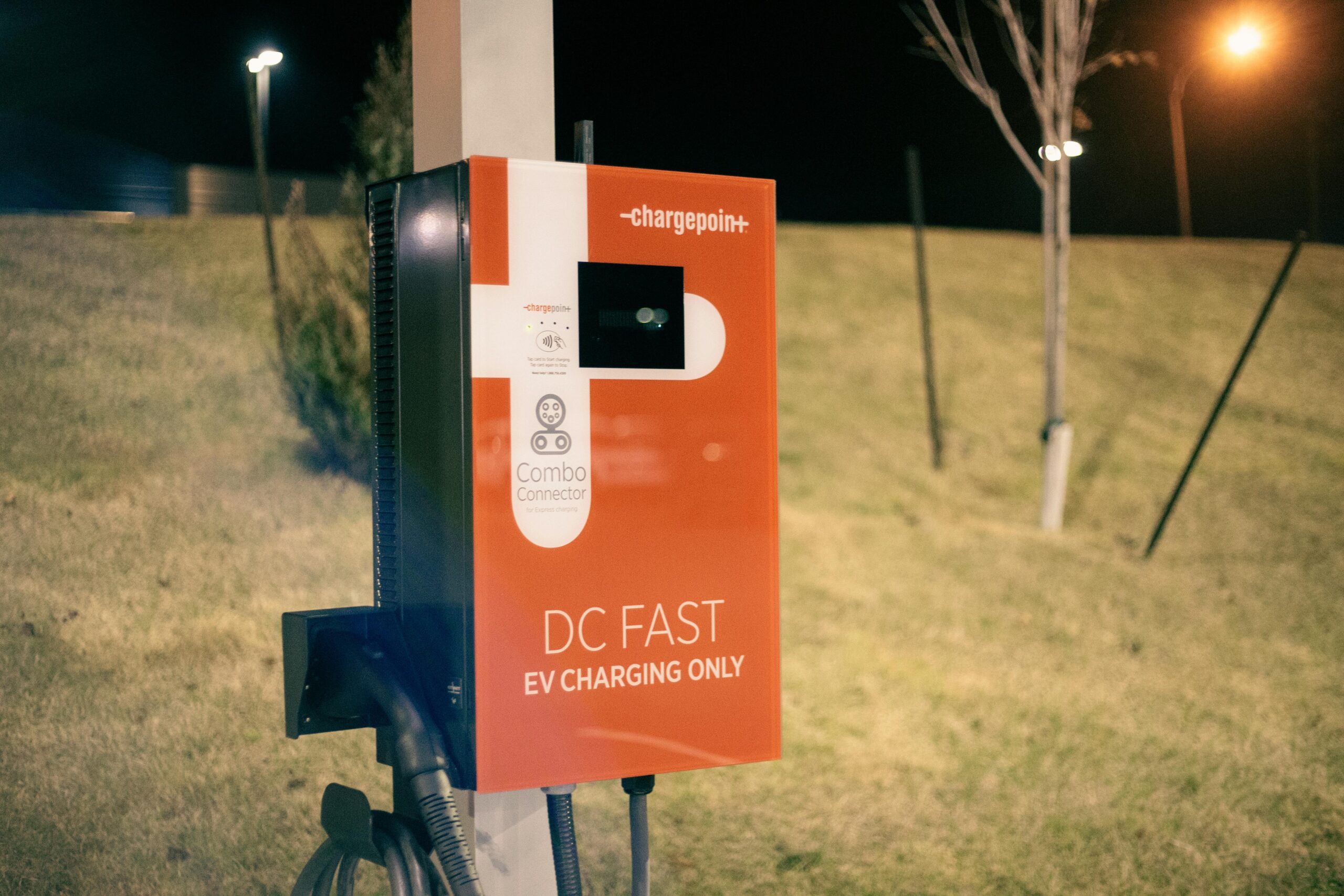
Electric vehicle integration within multimodal networks amplifies these benefits. Smart systems direct users toward electrified options when available, charging infrastructure locations are incorporated into route planning, and battery management is optimized across fleets. This coordination accelerates the transition away from fossil fuel dependency while ensuring reliable service availability.
Green transportation modes receive prioritized routing in advanced systems. Walking and cycling paths are highlighted when weather permits, micro-mobility options like electric scooters are seamlessly integrated, and public transit is presented as the backbone of efficient urban movement. This subtle encouragement toward sustainable choices shapes behavior without restricting freedom.
User Experience: The Heart of Seamless Journeys
The most sophisticated technology fails if users find it confusing or cumbersome. Successful multimodal transportation platforms prioritize intuitive interfaces that simplify complexity. Single-app solutions eliminate the need to juggle multiple applications, unified payment systems remove transactional friction, and personalized recommendations adapt to individual travel patterns and preferences.
Accessibility features ensure these systems serve all community members. Voice-guided navigation assists visually impaired travelers, wheelchair-accessible route options are prominently displayed, and multilingual support breaks down language barriers. Universal design principles create experiences that work for diverse populations rather than requiring separate accommodations.
Personalization Through Data Intelligence
Modern multimodal systems learn individual preferences through respectful data collection and analysis. Frequent travelers receive tailored suggestions based on their history—favorite routes, preferred transportation modes, typical travel times, and budget considerations. This personalization extends to notification preferences, with users controlling how and when they receive updates about delays, alternative routes, or new service options.
Privacy protection remains paramount in these data-driven systems. Transparent policies explain what information is collected and how it’s used, while encryption safeguards sensitive details. Users maintain control over their data, with options to limit collection or delete historical information without losing core functionality.
🏙️ Urban Planning and Infrastructure Implications
Smart multimodal transportation doesn’t exist in isolation—it fundamentally reshapes urban development. Cities implementing these systems reconsider infrastructure priorities, often reallocating road space toward public transit, cycling lanes, and pedestrian zones. Parking requirements decrease as car ownership becomes less necessary, freeing valuable urban land for housing, green spaces, and community facilities.
Transit-oriented development gains momentum when multimodal connectivity makes car-free living practical. Mixed-use neighborhoods designed around transportation hubs create vibrant communities where residents can access employment, services, and recreation without lengthy commutes. This urban form reduces sprawl, preserves natural landscapes, and fosters social connection.
Infrastructure investments shift toward network connectivity rather than isolated projects. Smart traffic signals coordinate with public transit schedules, dedicated bus lanes reduce congestion, and protected bicycle infrastructure encourages active transportation. These integrated improvements yield greater returns than traditional single-mode investments.
Economic Advantages and Business Opportunities
The multimodal transportation revolution creates substantial economic value across multiple dimensions. Individual travelers save money by optimizing journey costs across different modes rather than defaulting to expensive options. Businesses benefit from more reliable employee commutes and improved customer access. Cities see reduced infrastructure maintenance costs as private vehicle usage declines.
New business models emerge within these ecosystems. Mobility-as-a-Service (MaaS) platforms offer subscription-based access to multiple transportation modes through single monthly fees, similar to streaming services. Data analytics companies provide insights to transportation operators and urban planners. Technology providers compete to offer the most efficient routing algorithms and user-friendly interfaces.
Employment opportunities shift alongside these changes. While traditional transportation jobs may decrease, new positions emerge in system management, data analysis, customer service, and technology development. The transition requires workforce development programs that help workers adapt to these evolving opportunities.
🔧 Overcoming Implementation Challenges
Despite clear benefits, implementing smart multimodal transportation faces significant obstacles. Legacy infrastructure wasn’t designed for integration, requiring expensive retrofitting or replacement. Different transportation operators often compete rather than collaborate, making coordination difficult. Regulatory frameworks may not accommodate new mobility services, creating legal uncertainties.
Financial models present additional complexity. Who pays for integration platforms—users, operators, municipalities, or some combination? How are revenues distributed among different service providers? These questions lack universal answers, requiring context-specific solutions that balance stakeholder interests while ensuring system sustainability.
Building Stakeholder Collaboration
Success requires unprecedented cooperation among traditionally separate entities. Municipal governments must convene transportation operators, technology companies, community advocates, and business interests around shared visions. Open data standards enable different systems to communicate, while collaborative governance structures ensure all voices contribute to decision-making.
Public-private partnerships often provide the framework for implementation, combining government resources and regulatory authority with private sector innovation and efficiency. These arrangements require carefully structured agreements that protect public interests while allowing reasonable returns on private investment.
Global Examples of Successful Implementation
Helsinki’s Whim application pioneered the MaaS concept, offering unlimited access to public transit, taxis, bicycles, and rental cars through monthly subscriptions. The system’s success demonstrated that travelers would embrace multimodal options when sufficiently convenient, reducing private car usage significantly among subscribers.
Singapore’s integrated transportation network combines advanced infrastructure with sophisticated digital systems. Real-time information displays throughout the city provide accurate arrival predictions, while contactless payment cards work seamlessly across all public transit modes. The city-state’s compact geography facilitates integration, but its example inspires larger metropolitan areas.
Barcelona’s Superblock program reimagines urban space by restricting vehicle traffic within neighborhood zones while enhancing multimodal connectivity. Residents access excellent transit connections at Superblock edges while enjoying car-free interiors with expanded pedestrian areas, play spaces, and green infrastructure. This model demonstrates how multimodal systems enable radical urban transformation.
📱 The Role of Mobile Applications
Smartphones serve as the primary interface for multimodal transportation systems, placing comprehensive journey planning capabilities in every traveler’s pocket. Leading applications combine real-time information, booking functionality, payment processing, and customer support within unified experiences. Push notifications keep users informed about service changes, while location services enable context-aware recommendations.
Google Maps has evolved beyond simple navigation to incorporate multimodal routing, public transit schedules, ride-sharing options, and bicycle-friendly routes. Its widespread adoption makes multimodal planning accessible to billions of users worldwide, normalizing the expectation that all transportation modes should work together seamlessly.
Transit App focuses specifically on public transportation and complementary modes in cities across North America and Europe. Its clean interface emphasizes departure times and route options, helping users make quick decisions about the fastest way to reach destinations using available services.
Citymapper excels in dense urban environments, offering detailed multimodal routing that includes walking directions between connections, real-time service updates, and even seat availability information for some transit systems. Its playful interface makes complex journey planning feel approachable rather than overwhelming.
🔮 Future Trends in Multimodal Transportation
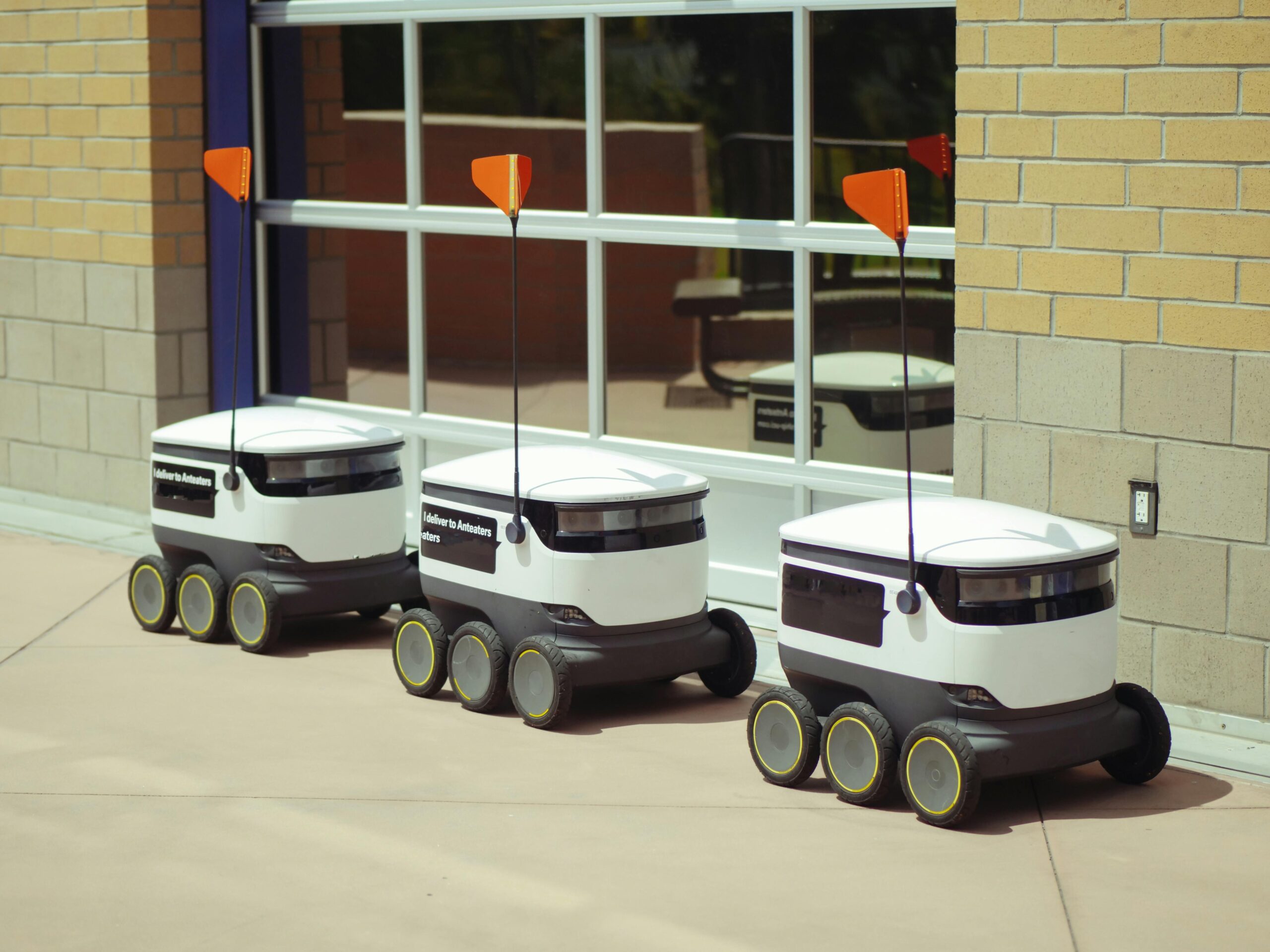
Autonomous vehicles will dramatically reshape multimodal networks over the coming decades. Self-driving shuttles could provide first-mile and last-mile connections to transit hubs, operating on-demand rather than fixed schedules. These vehicles would integrate seamlessly into broader transportation systems, optimizing fleet deployment based on real-time demand patterns.
Urban air mobility represents another frontier, with electric vertical takeoff and landing aircraft potentially serving as rapid connections between major nodes. While significant regulatory and technological hurdles remain, several cities are exploring how aerial transportation might complement ground-based networks for certain journey types.
Virtual and augmented reality technologies may transform how travelers interact with multimodal systems. AR wayfinding could overlay directional information onto real-world views, making complex transit hubs easier to navigate. VR might enable travelers to preview unfamiliar routes before embarking, reducing anxiety about using new transportation modes.
Sustainability as the Driving Force
Climate urgency will accelerate multimodal transportation adoption as cities recognize that sustainable urban mobility is non-negotiable. Carbon pricing mechanisms may make driving private vehicles increasingly expensive, while investments in public transit and active transportation infrastructure expand alternatives. Smart multimodal systems become essential tools for achieving emission reduction targets.
Circular economy principles will influence how transportation services are designed and delivered. Vehicle sharing maximizes resource utilization, modular infrastructure allows adaptation rather than replacement, and renewable energy powers increasingly electrified fleets. These approaches align environmental sustainability with economic efficiency.
💡 Making the Transition to Multimodal Thinking
Individual travelers can embrace multimodal transportation regardless of system maturity in their cities. Start by exploring all available transportation options for regular journeys, comparing time, cost, and environmental impact. Experiment with combinations—perhaps cycling to a train station rather than driving the entire distance, or using shared bikes for short trips instead of personal vehicles.
Advocate for improved multimodal infrastructure in your community. Attend municipal planning meetings, support investments in public transit and active transportation, and encourage local businesses to provide bicycle parking and transit information. Collective voices accelerate the policy changes necessary for comprehensive system transformation.
Employers play crucial roles by offering transit benefits, providing bicycle facilities, implementing flexible work arrangements that reduce peak-hour congestion, and locating offices near transportation hubs. These corporate decisions shape employee commuting patterns while demonstrating organizational commitment to sustainability.

The Road Ahead: Connected, Efficient, Sustainable
Smart multimodal transportation planning represents more than technological advancement—it embodies a fundamental reimagining of how communities function. By connecting diverse transportation modes into cohesive networks, we create cities that are more livable, sustainable, and equitable. The journey toward seamless connectivity requires continued innovation, collaboration, and commitment from all stakeholders.
As these systems mature, they will become invisible infrastructure—expected rather than exceptional, natural rather than novel. Future generations may struggle to understand how we once tolerated fragmented, inefficient transportation networks. The revolution in connectivity ultimately promises not just better journeys, but better communities where mobility serves human flourishing rather than dominating urban life.
The transformation is already underway in forward-thinking cities worldwide. Each successful implementation provides lessons for others, accelerating adoption and refinement. By embracing multimodal thinking—whether as travelers, planners, policymakers, or entrepreneurs—we collectively build the sustainable, connected future that our communities deserve. The seamless journey isn’t just a transportation concept; it’s a vision for how we move through the world together. 🌟