Urban mobility is undergoing a profound transformation as cities worldwide embrace innovative last-mile solutions that bridge the gap between public transport hubs and final destinations efficiently.

🚀 The Last-Mile Challenge in Modern Cities
The final leg of any urban journey has historically represented the most challenging segment of transportation planning. This “last mile” – the distance between a transit station and a person’s ultimate destination – accounts for a disproportionate amount of travel time, cost, and environmental impact. Despite covering the shortest distance, it often consumes the most resources and creates the greatest frustration for commuters.
Traditional solutions like personal vehicles and taxis have proven unsustainable in densely populated urban environments. They contribute to traffic congestion, air pollution, and inefficient use of urban space. As cities grow and environmental concerns intensify, the need for revolutionary last-mile mobility solutions has become urgent and undeniable.
The emergence of micro-mobility options, smart transportation platforms, and integrated mobility networks is reshaping how people navigate urban landscapes. These innovations aren’t merely technological improvements; they represent fundamental shifts in how we conceptualize urban transportation and our relationship with city spaces.
🛴 Micro-Mobility: Small Vehicles, Big Impact
Micro-mobility has emerged as a game-changing category in urban transportation, encompassing e-scooters, e-bikes, and similar compact electric vehicles. These solutions address last-mile challenges with remarkable efficiency, offering flexibility that traditional public transport cannot match.
Electric scooters have proliferated across major cities worldwide, providing convenient point-to-point transportation. Users can locate, unlock, and ride these vehicles through smartphone applications, paying only for actual usage time. This model eliminates ownership hassles while providing spontaneous mobility options exactly when needed.
E-bikes represent another powerful micro-mobility solution, particularly for slightly longer last-mile distances. They combine human power with electric assistance, making cycling accessible to broader demographics including those who might find traditional bicycles too physically demanding. Cities implementing robust e-bike infrastructure have witnessed significant reductions in short-distance car trips.
The Infrastructure Evolution Supporting Micro-Mobility
Successful micro-mobility implementation requires thoughtful infrastructure development. Cities are redesigning streets to accommodate these new transportation modes, creating dedicated lanes, parking zones, and charging stations. This physical infrastructure works synergistically with digital platforms to create seamless user experiences.
Protected bike lanes have proven essential for encouraging micro-mobility adoption. When cyclists and scooter riders feel safe from vehicular traffic, usage rates increase dramatically. Cities like Copenhagen and Amsterdam demonstrate how comprehensive cycling infrastructure transforms transportation patterns, with micro-mobility accounting for substantial percentages of all urban trips.
📱 Technology Platforms Orchestrating Mobility Ecosystems
Digital platforms have become the nervous system of modern last-mile mobility, connecting users with diverse transportation options through unified interfaces. These mobility-as-a-service (MaaS) applications integrate multiple transport modes into single, seamless journeys.
Users can plan trips combining public transit, bike-sharing, scooter rentals, and ride-hailing services through one application. These platforms optimize routes based on real-time data, considering factors like traffic conditions, weather, cost, and environmental impact. The result is a personalized transportation experience that adapts to individual preferences and circumstances.
Payment integration represents another crucial innovation. Rather than managing multiple accounts across different services, users maintain single digital wallets that handle all transportation expenses. This consolidation reduces friction, making multimodal journeys as convenient as single-mode travel.
Data-Driven Optimization
The real power of mobility platforms lies in their data analytics capabilities. By aggregating information from thousands of users, these systems identify patterns, predict demand, and optimize resource allocation. Service providers can position vehicles where they’re most needed, reducing wait times and improving overall system efficiency.
Machine learning algorithms continually refine these predictions, creating increasingly responsive transportation networks. During major events or disruptions, platforms can dynamically adjust recommendations, rerouting users around congestion or service interruptions. This adaptive capability makes urban transportation more resilient and reliable.
🚗 Autonomous Vehicles Redefining Last-Mile Logistics
While fully autonomous passenger vehicles remain partially realized promises, autonomous last-mile delivery is already operational in numerous cities. These vehicles address the exponential growth in urban deliveries driven by e-commerce, offering sustainable alternatives to traditional delivery methods.
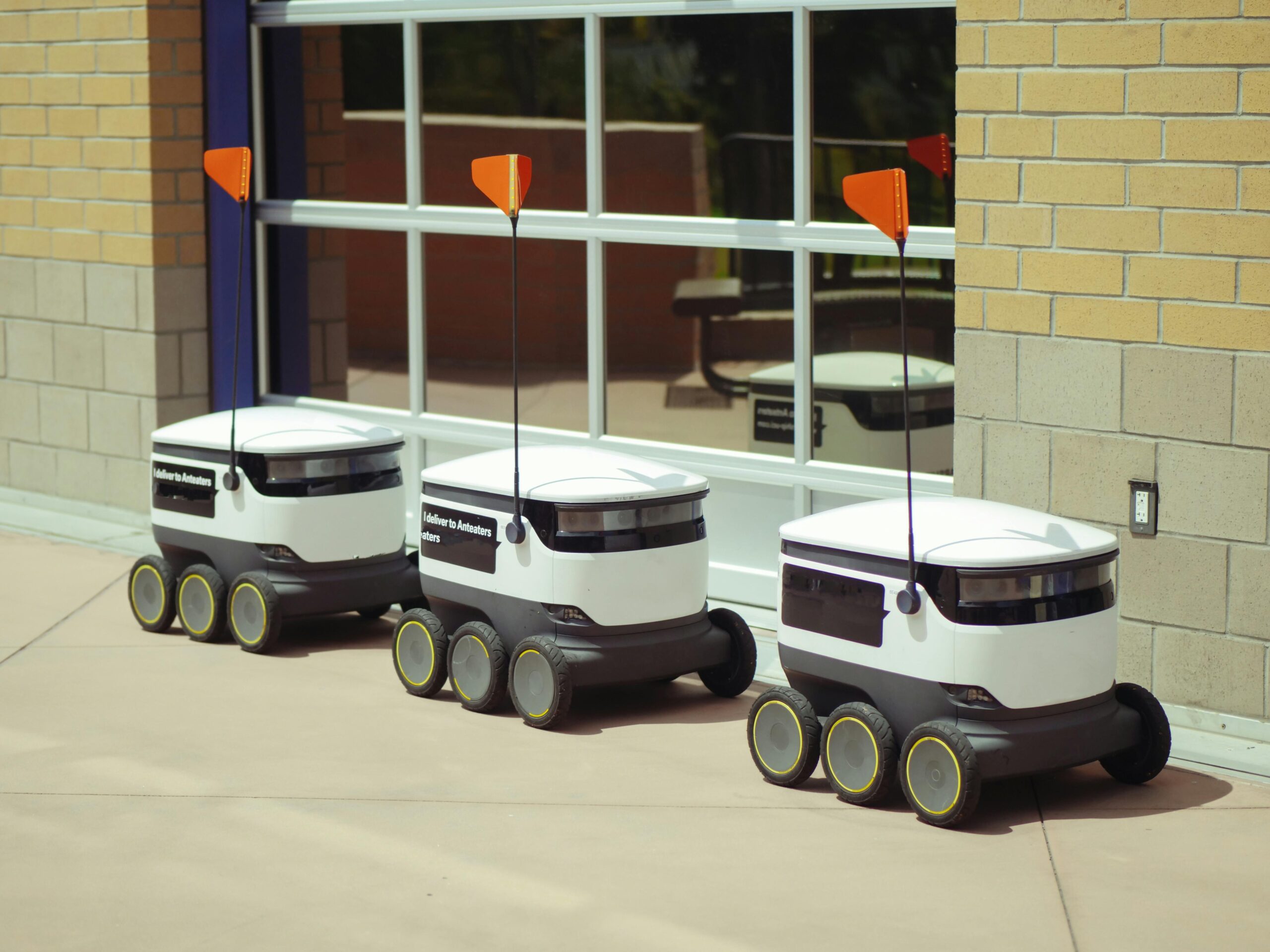
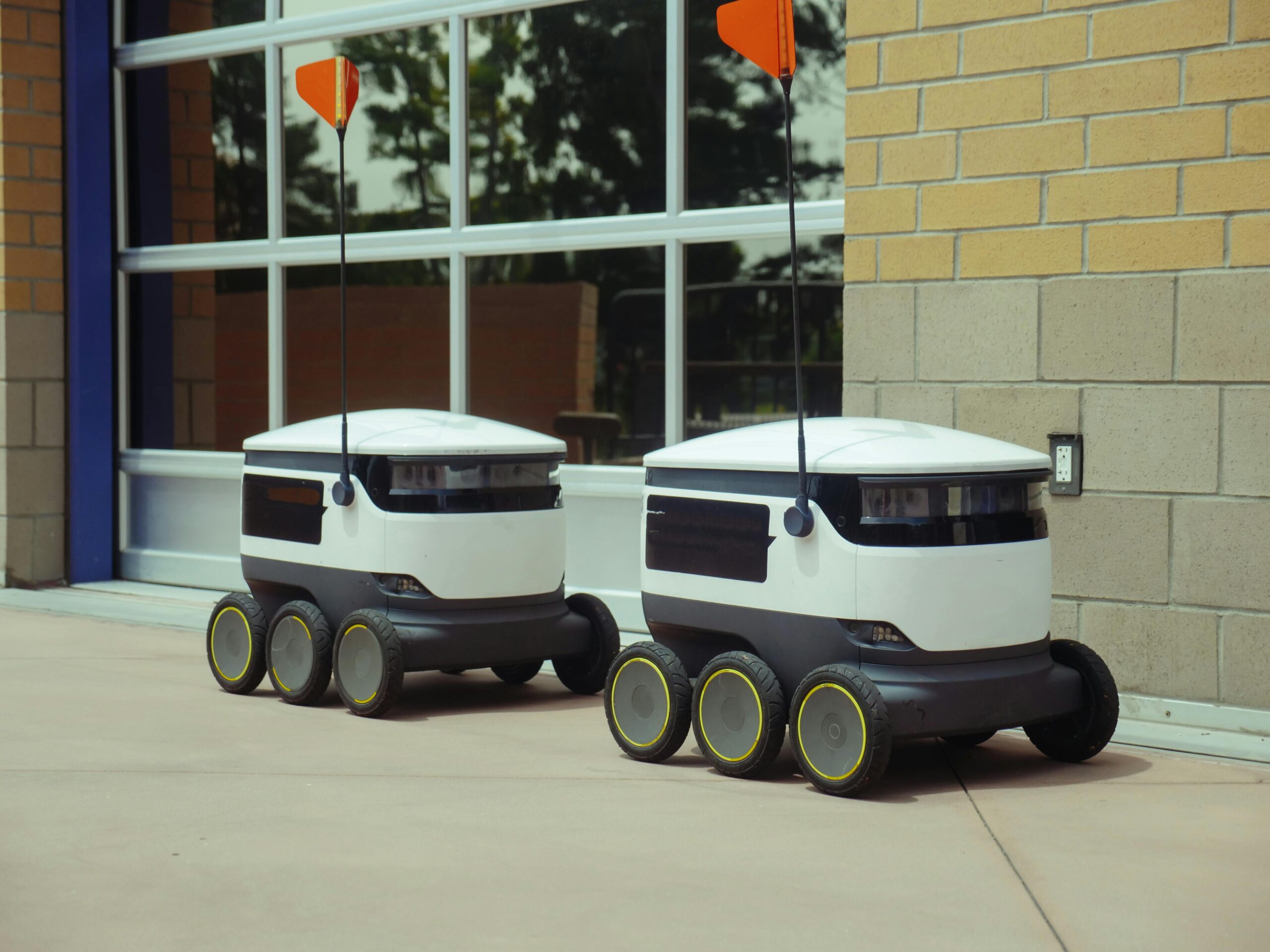
Small autonomous delivery robots navigate sidewalks, carrying packages from distribution centers to residential doorsteps. These robots operate at pedestrian speeds, using sophisticated sensors to avoid obstacles and navigate complex urban environments. Companies deploying these solutions report significant reductions in delivery costs and environmental impacts.
Autonomous shuttles are being tested for passenger transport in controlled environments like campuses, business districts, and planned communities. These vehicles operate on predetermined routes, providing reliable connections between transit hubs and nearby destinations. As technology matures and regulatory frameworks develop, autonomous shuttles could become integral components of urban mobility networks.
🌱 Sustainability at the Core of Innovation
Environmental considerations drive much of the innovation in last-mile mobility. Transportation accounts for significant portions of urban carbon emissions, with last-mile trips particularly inefficient when completed in personal vehicles. Sustainable alternatives are not merely preferable; they’re essential for meeting climate commitments.
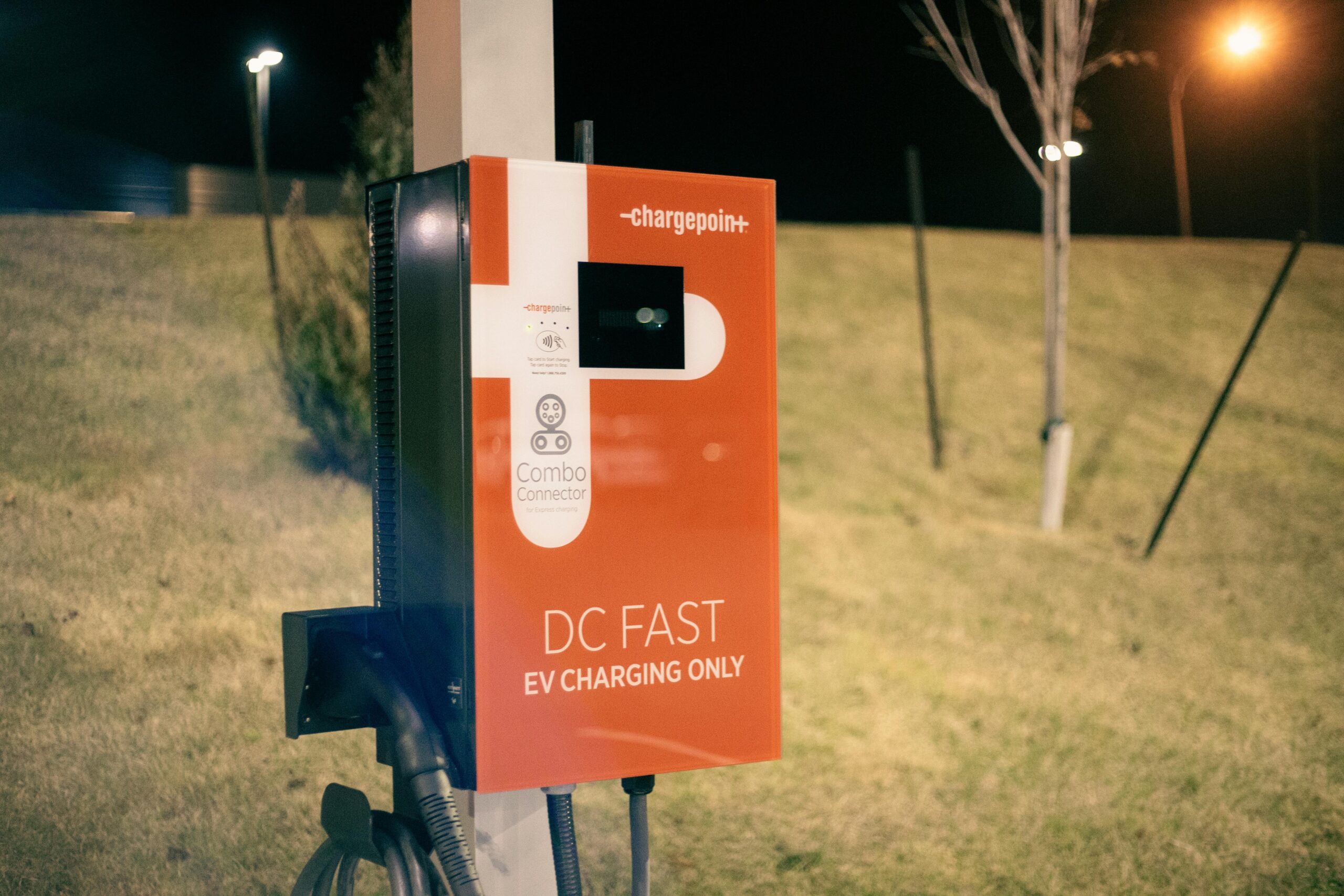
Electric propulsion has become standard in new mobility solutions. E-scooters, e-bikes, and electric vehicles produce zero direct emissions, significantly improving urban air quality. When charged with renewable energy, these vehicles approach carbon neutrality, making them genuinely sustainable transportation options.
Shared mobility models multiply environmental benefits by reducing the total number of vehicles required. When multiple users share the same scooter or bike throughout the day, fewer vehicles are manufactured, fewer raw materials are consumed, and less urban space is dedicated to parking. This efficiency extends sustainability benefits beyond just operational emissions.
Measuring and Communicating Environmental Impact
Modern mobility platforms increasingly display environmental metrics alongside traditional information like travel time and cost. Users can see the carbon footprint of different route options, empowering environmentally conscious decision-making. This transparency creates accountability and encourages sustainable choices.
Cities are establishing baseline measurements and tracking how last-mile innovations affect overall environmental indicators. Air quality improvements, noise reduction, and decreased traffic congestion can be quantified and attributed to specific interventions, building the evidence base for continued investment in sustainable mobility.
🏙️ Urban Planning Integration
Effective last-mile mobility solutions cannot exist in isolation; they must integrate into comprehensive urban planning strategies. Forward-thinking cities are redesigning public spaces to prioritize pedestrians, cyclists, and micro-mobility users over private vehicles.
Transit-oriented development concentrates housing, employment, and amenities around public transportation hubs, naturally reducing last-mile distances. When people live within comfortable walking or cycling distance of transit stations, the last-mile problem diminishes significantly. This planning approach complements technological solutions with spatial strategies.
Complete streets policies ensure that road redesigns accommodate all users, not just motor vehicles. These policies mandate infrastructure for walking, cycling, and micro-mobility, creating environments where sustainable last-mile solutions become natural choices rather than inconvenient alternatives.
💡 Innovative Business Models Enabling Access
The revolution in last-mile mobility extends beyond technology to encompass novel business models that make sustainable transportation accessible and affordable. Subscription services, corporate partnerships, and public-private collaborations are expanding access to innovative mobility solutions.
Subscription models allow users to pay fixed monthly fees for unlimited or extensive access to multiple mobility services. This approach removes the mental friction of per-trip pricing decisions, encouraging greater use of sustainable options. For users making frequent short trips, subscriptions often prove more economical than vehicle ownership.
Corporate mobility programs integrate last-mile solutions into employee benefits packages. Companies subsidize micro-mobility memberships, encouraging commuters to abandon personal vehicles for more sustainable alternatives. These programs reduce corporate parking requirements while improving employee wellness and satisfaction.
Public-Private Partnerships Scaling Solutions
Municipalities are partnering with private mobility providers to deploy infrastructure and services at scales impossible for either sector alone. Cities provide regulatory frameworks, physical infrastructure, and integration with public transit, while private companies contribute capital, technology, and operational expertise.
These partnerships enable rapid deployment of comprehensive mobility networks. Pilot programs can be launched, evaluated, and scaled or modified based on real-world performance. This experimental approach allows cities to innovate while managing risk and maintaining accountability to residents.
🔧 Overcoming Implementation Challenges
Despite promising innovations, significant challenges impede widespread last-mile mobility transformation. Regulatory uncertainty, infrastructure limitations, safety concerns, and behavioral inertia all create obstacles requiring thoughtful solutions.
Regulatory frameworks often lag behind technological innovation, creating ambiguity about where micro-mobility devices can operate, who can use them, and what safety standards apply. Progressive cities are developing adaptive regulatory approaches that balance innovation encouragement with legitimate safety and equity concerns.
Infrastructure gaps present practical barriers to micro-mobility adoption. Many cities lack adequate cycling infrastructure, making scooters and bikes feel unsafe. Retrofitting existing urban environments with appropriate infrastructure requires substantial investment and political will, but cities undertaking these improvements see corresponding increases in sustainable mobility adoption.
Addressing Safety and Accessibility
Safety concerns affect both micro-mobility users and pedestrians sharing sidewalks and paths. Helmet requirements, speed limitations, and designated parking zones address some concerns, but cultural shifts are equally important. Education campaigns teaching appropriate behavior benefit all street users.
Accessibility considerations ensure that last-mile innovations serve entire communities, not just young, able-bodied populations. Adaptive vehicles, audio navigation for visually impaired users, and pricing structures accommodating low-income residents make mobility solutions genuinely inclusive rather than inadvertently exclusive.
🌍 Global Perspectives and Local Adaptations
Last-mile mobility solutions manifest differently across global contexts, reflecting varied urban forms, climates, cultures, and economic conditions. Solutions successful in one environment require adaptation for others, but cross-pollination of ideas accelerates innovation worldwide.
Developing nations are leapfrogging traditional transportation infrastructure, implementing app-based motorcycle taxis and rickshaw services that provide affordable last-mile connections. These solutions work within existing transportation cultures while incorporating modern efficiency and safety improvements.
Nordic countries leverage their cycling cultures and compact urban forms to make micro-mobility dominant transportation modes. Year-round cycling infrastructure, including heated bike lanes in some cities, demonstrates commitment to sustainable mobility regardless of climate challenges.
Asian megacities face unique density and scale challenges, driving innovations in vertical mobility and ultra-high-capacity micro-transit. Solutions developed for environments with populations in the tens of millions provide insights applicable as other cities grow toward similar scales.
🔮 Emerging Technologies Shaping the Future
The next generation of last-mile mobility solutions is already emerging from research laboratories and startup incubators. Flying vehicles, hyperloop connections, and AI-optimized mobility networks promise further transformations in urban transportation.
Urban air mobility concepts envision electric vertical takeoff and landing vehicles providing rapid connections across cities. While significant regulatory, technical, and infrastructure challenges remain, pilot programs are testing feasibility. These vehicles could make distant suburbs effectively closer to urban centers, reshaping metropolitan geography.
Artificial intelligence will increasingly optimize entire mobility ecosystems in real-time. Rather than individuals planning trips using limited information, AI systems could orchestrate thousands of vehicles and millions of trips simultaneously, maximizing efficiency across entire networks. This coordination could reduce congestion, emissions, and travel times while improving reliability.
Integration with smart city infrastructure will enable mobility systems to respond to environmental conditions, security situations, and special events instantaneously. Traffic signals could prioritize sustainable mobility modes, parking could dynamically price based on demand, and entire street networks could reconfigure based on real-time needs.
🎯 Creating Inclusive Mobility Futures
As last-mile mobility evolves, ensuring equitable access remains paramount. Transportation is fundamentally about opportunity – access to employment, education, healthcare, and community. Innovations that improve mobility for affluent populations while leaving others behind exacerbate rather than address urban inequities.
Digital divide considerations ensure that smartphone ownership and technological literacy don’t become prerequisites for mobility access. Alternative access methods, simplified interfaces, and multilingual support make services accessible to diverse populations. Some cities maintain traditional non-app-based transportation options alongside digital innovations.
Geographic equity requires that mobility innovations serve all neighborhoods, not just affluent districts where profitability is highest. Service requirements in public-private partnerships can mandate coverage across entire cities, ensuring that all residents benefit from improved connectivity regardless of where they live.
The revolution in last-mile urban mobility represents one of the most significant transformations in how humans navigate cities. Innovations in vehicles, technology platforms, business models, and urban design are converging to create transportation systems that are more efficient, sustainable, and accessible than ever before. While challenges remain, the trajectory is clear: cities worldwide are moving toward mobility futures where the last mile is no longer the weakest link but rather a showcase for innovation, sustainability, and human-centered design. The question is not whether this transformation will occur, but how quickly cities can implement solutions and how equitably the benefits will be distributed across all urban residents.