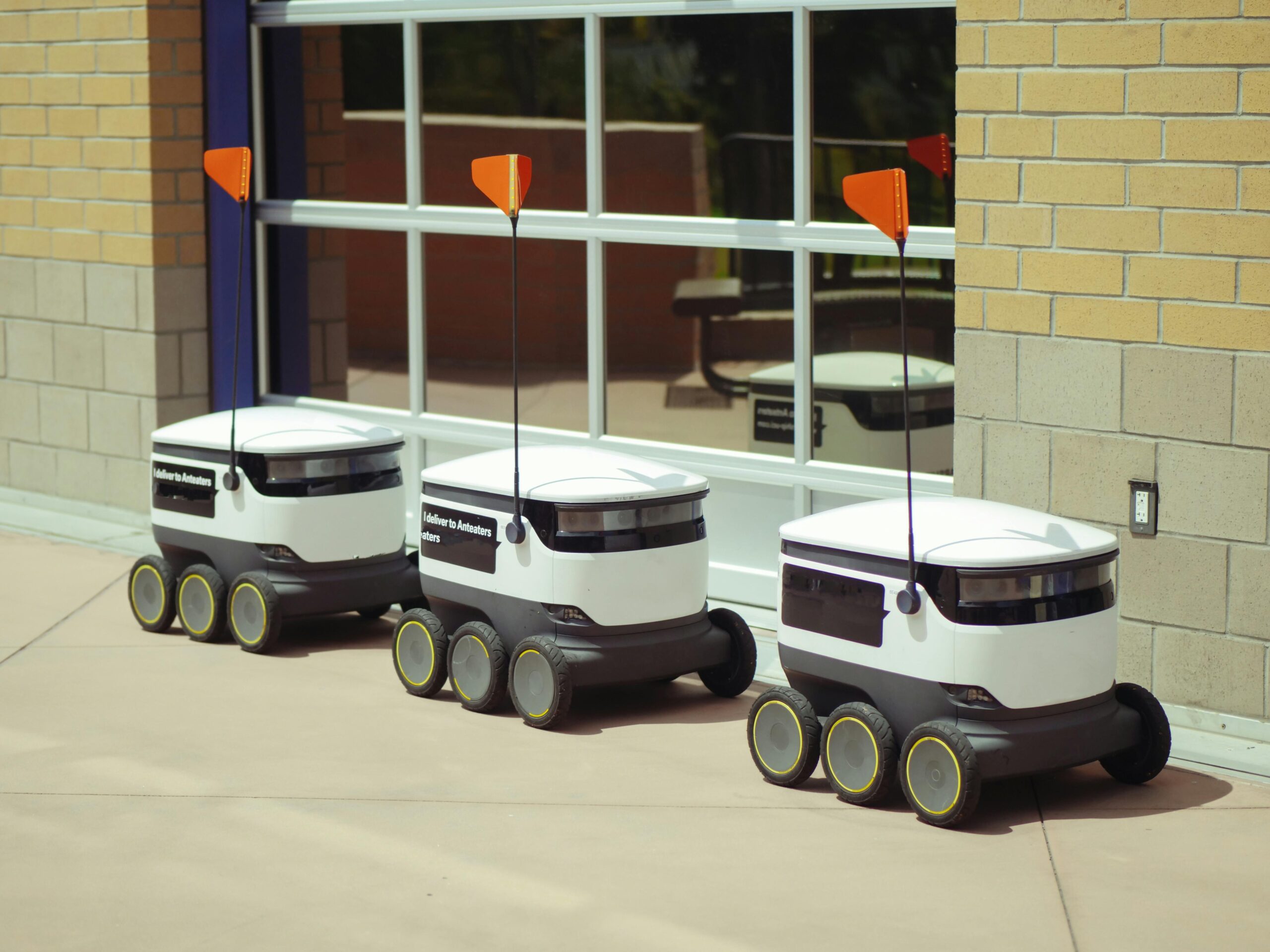
Smart transportation demand management is transforming how cities move people and goods, creating cleaner, faster, and more efficient urban environments worldwide. 🌍

Urban mobility has reached a critical crossroads. With over 55% of the world’s population now living in cities—a figure projected to reach 68% by 2050—traditional transportation systems are buckling under pressure. Traffic congestion costs the U.S. economy alone over $160 billion annually in lost productivity, wasted fuel, and environmental damage. The solution? Smart Transportation Demand Management (TDM) systems that leverage cutting-edge technology to revolutionize how we think about, plan, and execute urban mobility.
🚦 Understanding Transportation Demand Management in the Digital Age
Transportation Demand Management represents a paradigm shift from simply building more roads to intelligently managing existing infrastructure. These systems use data analytics, artificial intelligence, and real-time monitoring to influence when, where, and how people travel. Unlike traditional approaches that focus on supply-side solutions, smart TDM targets demand itself, creating sustainable transportation ecosystems.
Modern TDM systems integrate multiple data sources—from GPS tracking and mobile applications to IoT sensors and predictive algorithms—to optimize traffic flow, reduce congestion, and minimize environmental impact. This holistic approach considers not just vehicles, but pedestrians, cyclists, public transit users, and emerging mobility options like e-scooters and ride-sharing services.
The Technology Backbone of Smart TDM
At the heart of every effective transportation demand management system lies sophisticated technology infrastructure. Machine learning algorithms process millions of data points per second, identifying patterns in travel behavior, predicting congestion hotspots, and recommending alternative routes or travel times. Cloud computing enables real-time data sharing across multiple platforms, ensuring that commuters, transit operators, and city planners all work from the same information.
Artificial intelligence takes this further by learning from historical patterns and adapting to changing conditions. When a major event occurs—a concert, sporting event, or emergency—smart TDM systems automatically adjust traffic signal timing, reroute public transportation, and send notifications to affected travelers before problems escalate.
🌟 Key Components Driving the TDM Revolution
Successful smart transportation demand management systems integrate several critical components that work synergistically to create seamless mobility experiences:
- Real-Time Traffic Monitoring: Advanced sensors and cameras continuously collect data on vehicle speeds, volumes, and travel patterns across the entire transportation network.
- Dynamic Pricing Models: Congestion pricing and flexible parking rates incentivize travelers to choose off-peak times or alternative transportation modes.
- Integrated Mobility Platforms: Mobile applications that consolidate all transportation options—buses, trains, bikes, ride-shares—into single, user-friendly interfaces.
- Predictive Analytics: Forecasting tools that anticipate demand surges and enable proactive management rather than reactive responses.
- Multi-Modal Integration: Seamless connections between different transportation modes, making it easy for people to combine walking, cycling, and public transit in single journeys.
Data-Driven Decision Making Transforms Urban Planning
The wealth of data generated by smart TDM systems provides unprecedented insights into urban mobility patterns. City planners can now make evidence-based decisions about where to invest in infrastructure, which routes need capacity improvements, and how to allocate resources most effectively. This data-driven approach eliminates guesswork and political bias from transportation planning, replacing it with objective analysis of actual travel behavior.
Transportation agencies can track the effectiveness of interventions in real-time, making adjustments on the fly rather than waiting years to evaluate projects. This agility represents a fundamental shift in how cities approach mobility challenges, enabling continuous improvement and rapid adaptation to changing needs.
💡 Real-World Applications Delivering Measurable Results
Cities worldwide are implementing smart TDM systems with remarkable success. Singapore’s comprehensive approach combines electronic road pricing, integrated transit systems, and sophisticated traffic management to maintain mobility despite being one of the world’s most densely populated nations. The city-state’s transportation demand management strategies have reduced peak-hour congestion by 25% while increasing public transit ridership by 40% over the past decade.
Stockholm’s congestion pricing system, supported by intelligent monitoring and enforcement technology, cut traffic volumes in the city center by 20% and reduced emissions by 14% in its first year alone. The system adapts pricing based on real-time conditions, charging more during peak periods and less during off-peak times, effectively spreading demand throughout the day.
The Parking Revolution: From Problem to Solution
Smart parking management exemplifies how TDM systems transform traditional pain points into opportunities. Studies show that up to 30% of urban traffic consists of drivers searching for parking spaces. Intelligent parking systems use sensors to detect available spaces and guide drivers directly to them via mobile apps, dramatically reducing search time, congestion, and emissions.
Dynamic pricing adjusts parking rates based on demand, encouraging turnover in high-demand areas while directing drivers to underutilized facilities. San Francisco’s SFpark system reduced time spent searching for parking by 43% while increasing parking revenue by 22%, demonstrating that smart TDM creates win-win scenarios for cities and residents alike.
🚴 Promoting Sustainable Transportation Choices
Smart TDM systems excel at encouraging sustainable transportation behaviors through a combination of incentives, convenience, and information. Gamification strategies reward commuters for choosing eco-friendly options, with points redeemable for discounts on transit fares, bike-sharing memberships, or local business purchases. This positive reinforcement proves more effective than punitive measures alone in changing long-term behavior.
Mobility-as-a-Service (MaaS) platforms integrate all transportation options into single applications, making sustainable choices as convenient as driving. Users can compare travel times, costs, and environmental impacts across different modes, empowering informed decision-making. When public transit becomes as easy to use as a personal vehicle, adoption rates naturally increase.
Corporate Transportation Demand Management Programs
Forward-thinking employers implement workplace TDM programs that benefit both employees and communities. Subsidized transit passes, preferred parking for carpools, flexible work schedules, and remote work options reduce commute-related stress while decreasing traffic congestion during peak hours. Companies in Seattle, Portland, and San Francisco have achieved single-occupancy vehicle commute rates below 35% through comprehensive TDM initiatives, compared to national averages exceeding 75%.
These programs deliver measurable returns on investment through reduced parking infrastructure costs, improved employee satisfaction, and enhanced corporate sustainability credentials. Smart TDM platforms automate program administration, track participation, and quantify environmental benefits, making it easier than ever for organizations to implement effective transportation management strategies.
⚙️ Overcoming Implementation Challenges
Despite their tremendous potential, smart TDM systems face implementation hurdles that cities must address strategically. Initial investment costs can be substantial, requiring sophisticated sensors, communication networks, and software platforms. However, lifecycle analysis consistently shows positive returns, with congestion reduction, emission decreases, and improved productivity far outweighing upfront expenses.
Privacy concerns represent another significant challenge. Collecting detailed travel data raises legitimate questions about surveillance and personal information protection. Successful implementations address these concerns through transparent data governance policies, anonymization techniques, and giving citizens control over their information. Building public trust requires ongoing communication about how data is collected, used, and protected.
Ensuring Equity in Smart Transportation Systems
Transportation demand management must serve all community members, not just affluent, tech-savvy populations. Digital divide issues mean that smartphone-based solutions may exclude lower-income residents, elderly citizens, and others without reliable internet access. Comprehensive TDM strategies maintain traditional information channels alongside digital platforms, ensuring universal access to transportation options and information.
Pricing strategies require careful calibration to avoid disproportionately burdening vulnerable populations. Graduated fee structures, income-based exemptions, and investments in public transit serving underserved neighborhoods help ensure that smart TDM advances equity rather than exacerbating existing disparities. The most successful systems involve community stakeholders in design processes, incorporating diverse perspectives into planning and implementation.
🔮 The Future Landscape of Intelligent Mobility
Emerging technologies promise to amplify smart TDM capabilities exponentially. Autonomous vehicles will communicate directly with traffic management systems, enabling unprecedented coordination and efficiency. Vehicle-to-infrastructure (V2I) and vehicle-to-vehicle (V2V) communication will optimize traffic flow in real-time, potentially reducing congestion by 40% or more while dramatically improving safety.
5G networks provide the high-speed, low-latency connectivity necessary for real-time coordination of complex transportation systems. This enhanced communication infrastructure enables more sophisticated applications, from coordinated traffic signal timing across entire metropolitan regions to instant rerouting of hundreds of vehicles around unexpected incidents.
Integration with Smart City Ecosystems
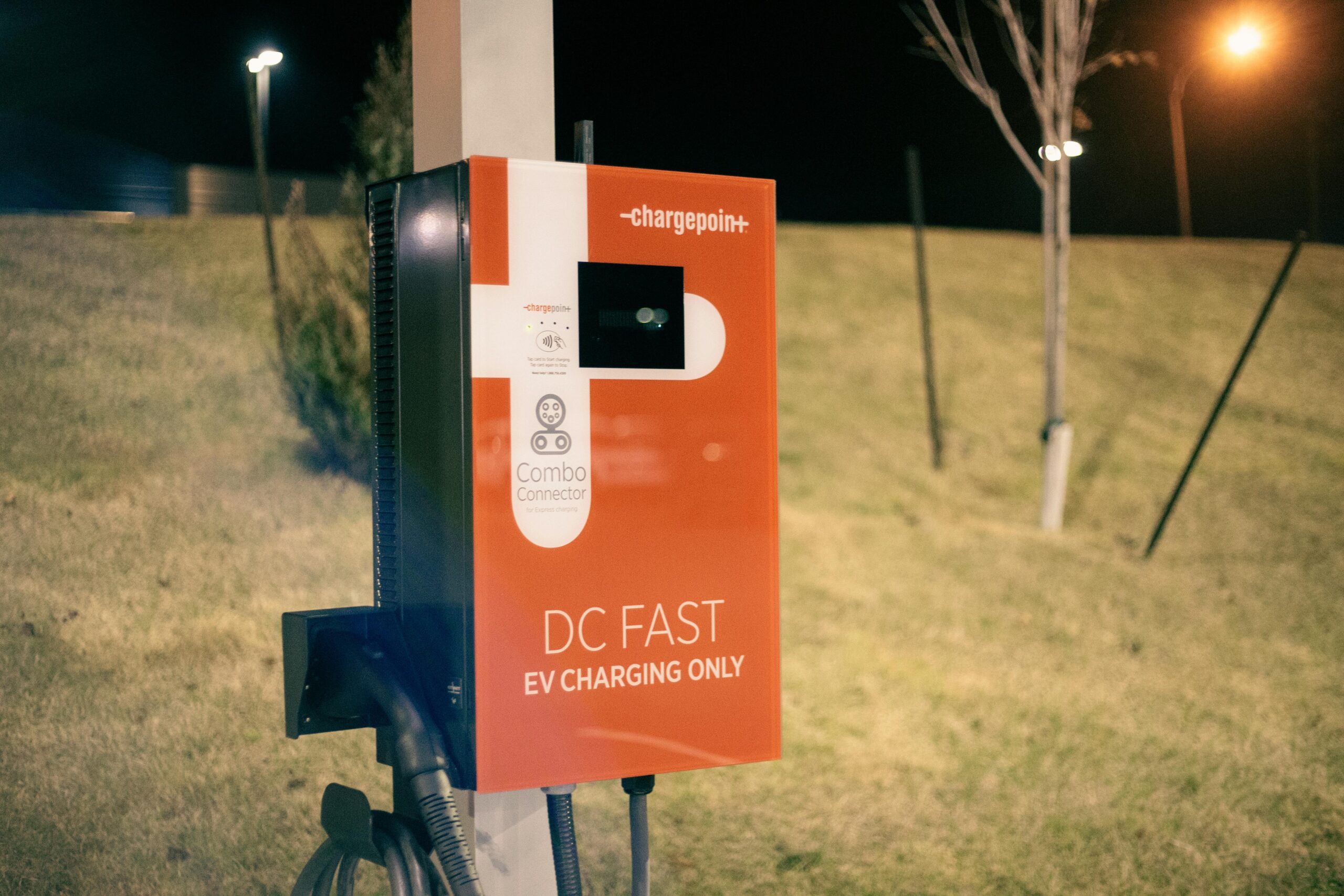
Transportation demand management increasingly integrates with broader smart city initiatives, creating synergies across multiple urban systems. Energy grids coordinate with electric vehicle charging to balance load and maximize renewable energy utilization. Public health data informs transportation planning to promote active mobility options like walking and cycling. Emergency response systems automatically adjust traffic signals and reroute vehicles during crises, facilitating faster response times.
This holistic approach recognizes that transportation doesn’t exist in isolation but interconnects with virtually every aspect of urban life. Smart TDM systems that integrate seamlessly with other city services deliver exponentially greater benefits than standalone solutions, creating truly intelligent urban environments.
📊 Measuring Success: Metrics That Matter
Effective transportation demand management requires clear success metrics that go beyond simple traffic volume measurements. Comprehensive evaluation frameworks consider multiple dimensions:
- Congestion Reduction: Peak-hour traffic speeds and travel time reliability improvements
- Environmental Impact: Greenhouse gas emissions, air quality improvements, and energy consumption reductions
- Economic Benefits: Productivity gains, reduced fuel costs, and enhanced business accessibility
- Social Equity: Transportation access improvements for underserved communities and vulnerable populations
- User Satisfaction: Commuter experience ratings and public perception surveys
- Mode Shift: Changes in transportation choice patterns toward sustainable options
Advanced analytics platforms automate data collection and reporting, providing real-time dashboards that track progress toward established goals. This transparency enables continuous refinement of strategies based on actual performance rather than assumptions or outdated models.
🎯 Strategic Implementation Roadmap
Successfully deploying smart transportation demand management systems requires thoughtful, phased approaches that build capability over time. Cities should begin with comprehensive mobility assessments that identify specific challenges, opportunities, and stakeholder priorities. This foundation ensures that technology investments address real needs rather than implementing solutions in search of problems.
Pilot projects allow cities to test technologies and strategies on limited scales before full deployment, reducing risk and enabling learning. Quick wins—like smart parking systems or real-time transit information—build public support and demonstrate value, creating momentum for more ambitious initiatives. Stakeholder engagement throughout the process ensures that systems meet diverse community needs and gain necessary political support.
Building Organizational Capacity
Technology alone doesn’t create successful TDM systems—human expertise and organizational culture matter equally. Transportation agencies must develop internal capabilities in data analytics, system integration, and performance management. Partnerships with technology providers, universities, and other cities accelerate learning and reduce implementation risks.
Cross-departmental collaboration breaks down traditional silos that often fragment transportation planning. When transit operators, traffic engineers, parking managers, and urban planners work together using shared data and common goals, synergies emerge that would be impossible in siloed environments.
🌱 Environmental and Public Health Transformations
The environmental benefits of smart transportation demand management extend far beyond emissions reductions. Decreased vehicle miles traveled means less tire and brake particulate pollution, reduced noise pollution, and minimized urban heat island effects. Cities implementing comprehensive TDM strategies report measurable improvements in air quality, with corresponding public health benefits including reduced asthma rates and cardiovascular disease incidence.
Promoting active transportation modes—walking and cycling—through TDM initiatives directly improves population health. Communities with higher rates of active commuting show lower obesity rates, better mental health outcomes, and reduced healthcare costs. Smart TDM systems that make active transportation safer and more convenient through dedicated infrastructure and route planning tools multiply these health benefits.
💼 Economic Advantages for Cities and Businesses
Transportation demand management generates substantial economic returns through multiple channels. Reduced congestion saves businesses billions in employee productivity losses and logistics inefficiencies. Improved accessibility enhances economic development opportunities, making cities more attractive to employers and workers alike. Infrastructure cost avoidance—delaying or eliminating needs for expensive road expansion projects—frees capital for other critical investments.
The smart mobility sector itself creates high-quality jobs in technology development, system operation, and data analysis. Cities positioning themselves as leaders in transportation innovation attract companies and talent in this growing industry, creating virtuous cycles of economic development and continued innovation.
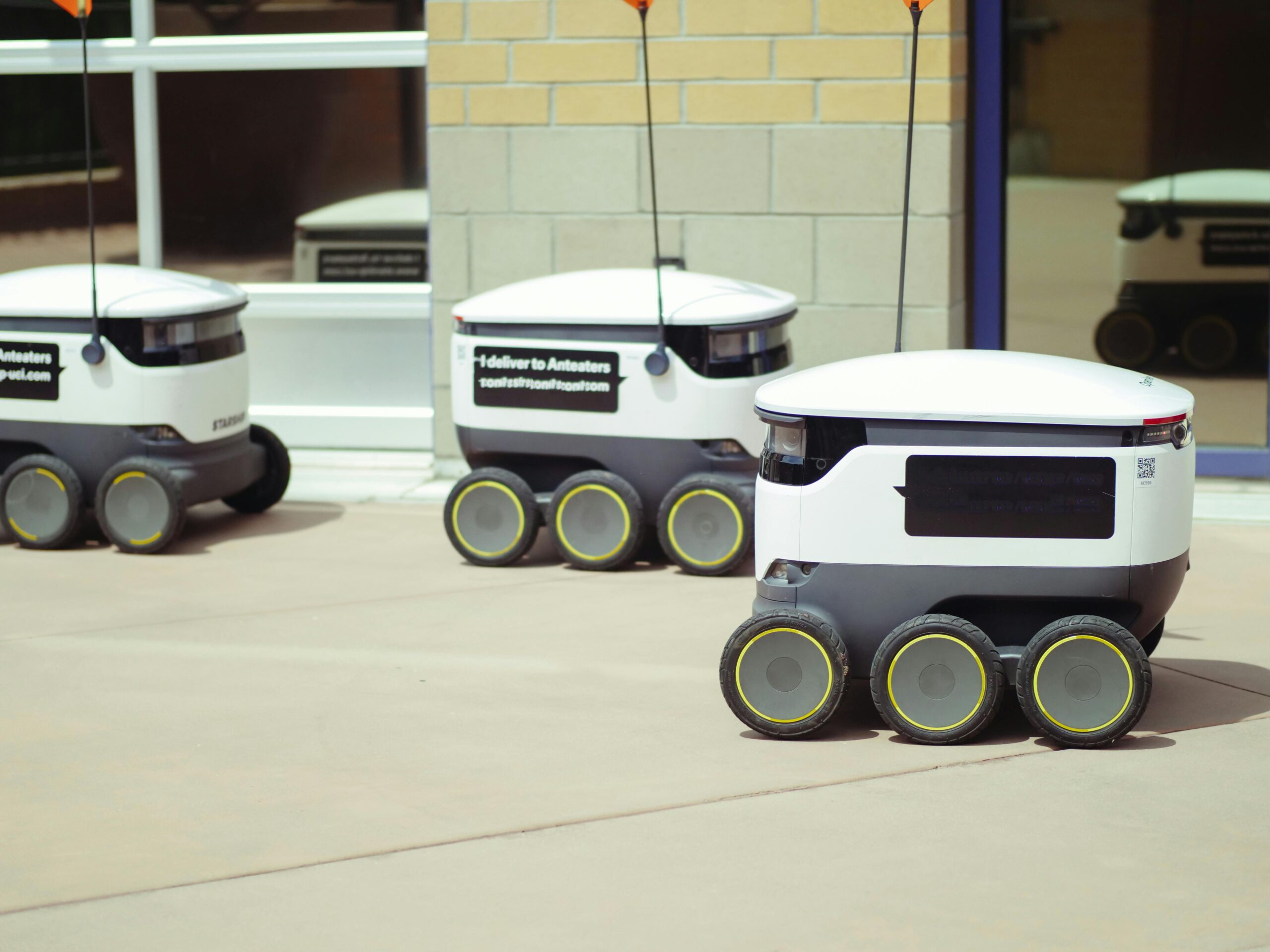
🚀 Taking Action: Your Role in the Mobility Revolution
Transforming urban transportation requires participation from all stakeholders—governments, businesses, technology providers, and individual citizens. City leaders must commit to data-driven decision making and invest in necessary infrastructure and expertise. Businesses should implement workplace TDM programs that support employee mobility choices while contributing to community sustainability goals.
Technology companies have opportunities to develop innovative solutions addressing specific mobility challenges, from better route planning algorithms to integration platforms that make multi-modal travel seamless. Individuals can make conscious transportation choices, provide feedback on system performance, and advocate for policies supporting sustainable mobility in their communities.
The revolution in transportation demand management is not a distant future possibility—it’s happening now in cities worldwide. Smart TDM systems are proven technologies delivering measurable benefits in congestion reduction, environmental protection, economic productivity, and quality of life. As these systems continue evolving and improving, they offer pathways toward truly sustainable urban mobility that serves all community members while protecting our planet for future generations.
The question is no longer whether smart transportation demand management works, but how quickly we can scale and refine these systems to address the urgent mobility challenges facing our rapidly urbanizing world. Every day of delay means continued congestion, wasted resources, and environmental degradation. The future of urban mobility is smart, sustainable, and within reach—if we have the vision and commitment to grasp it. 🌟