Urban centers worldwide are undergoing a profound transformation driven by interoperable infrastructure platforms that seamlessly connect services, systems, and communities across digital and physical boundaries.

🌆 The Dawn of Connected Urban Ecosystems
Cities have always been centers of innovation, commerce, and human interaction. However, the 21st century presents unprecedented challenges: population growth, climate change, resource scarcity, and the need for sustainable development. Traditional urban infrastructure—built in silos with incompatible systems—can no longer meet these demands. The solution lies in interoperable infrastructure platforms that enable different urban systems to communicate, share data, and coordinate operations seamlessly.
Interoperability represents more than just technical compatibility. It embodies a philosophical shift toward collaborative urban management where transportation networks, energy grids, water systems, healthcare services, and public safety mechanisms work in concert. This interconnectedness creates smarter, more responsive cities that adapt to citizens’ needs in real-time while optimizing resource allocation and reducing environmental impact.
The economic implications are equally compelling. According to recent research, cities implementing interoperable platforms experience significant cost reductions through improved efficiency, reduced redundancy, and better asset utilization. More importantly, these platforms create new opportunities for innovation, entrepreneurship, and economic growth by providing open ecosystems where diverse stakeholders can develop solutions addressing local challenges.
Breaking Down the Silos: What Interoperability Really Means
Interoperability in urban infrastructure encompasses multiple dimensions. Technical interoperability ensures that different systems can exchange data using compatible protocols and standards. Semantic interoperability guarantees that information exchanged between systems maintains its meaning and context. Organizational interoperability addresses governance structures, policies, and business processes that enable collaboration across different entities and jurisdictions.
Consider a practical example: when a traffic management system detects congestion, an interoperable platform can automatically adjust traffic light timing, notify public transportation systems to deploy additional vehicles, alert citizens through mobile applications about alternative routes, and even coordinate with parking systems to optimize space availability. This coordinated response would be impossible in traditional siloed infrastructure where each system operates independently.
The Technology Stack Enabling Urban Connectivity
Modern interoperable platforms rely on sophisticated technology architectures. At the foundation, Internet of Things (IoT) sensors and devices collect vast amounts of real-time data from across the urban landscape. These devices monitor everything from air quality and noise levels to traffic flow and energy consumption, creating a comprehensive digital representation of the physical city.
Cloud computing infrastructure provides the scalable processing power and storage capacity needed to handle massive data streams. Edge computing complements this by processing time-sensitive data locally, reducing latency and enabling faster decision-making for critical applications like autonomous vehicles or emergency response systems.
Application Programming Interfaces (APIs) serve as the connective tissue, allowing different systems to communicate regardless of their underlying technology. Well-designed APIs abstract complexity and enable third-party developers to create innovative applications that leverage city data and services, fostering a vibrant ecosystem of urban technology solutions.
🚀 Transforming Key Urban Systems Through Integration
Mobility and Transportation Revolution
Transportation represents one of the most visible beneficiaries of interoperable infrastructure. Modern mobility platforms integrate public transit, ride-sharing services, bike-sharing programs, parking systems, and pedestrian infrastructure into unified mobility-as-a-service (MaaS) offerings. Citizens can plan multimodal journeys, pay for all services through a single interface, and receive real-time updates about delays or alternatives.
These integrated systems dramatically improve urban mobility efficiency. Dynamic routing algorithms optimize traffic flow by analyzing real-time conditions and predicting future patterns. Adaptive traffic signals respond to actual demand rather than fixed schedules. Public transportation becomes more reliable and convenient when integrated with other mobility options, encouraging modal shift away from private vehicles and reducing congestion and emissions.
The integration extends to infrastructure planning and maintenance. Predictive analytics identify potential failures before they occur, enabling proactive maintenance that minimizes disruptions. Construction projects coordinate across different utilities and services, reducing the duplication of roadwork and minimizing citizen inconvenience.
Energy Grids Become Intelligent Networks
Energy systems exemplify how interoperability creates entirely new capabilities. Smart grids equipped with sensors, automation, and advanced analytics transform electricity distribution from one-way delivery into dynamic, bidirectional networks. Distributed energy resources—solar panels, wind turbines, battery storage—integrate seamlessly with traditional generation, creating resilient, sustainable energy ecosystems.
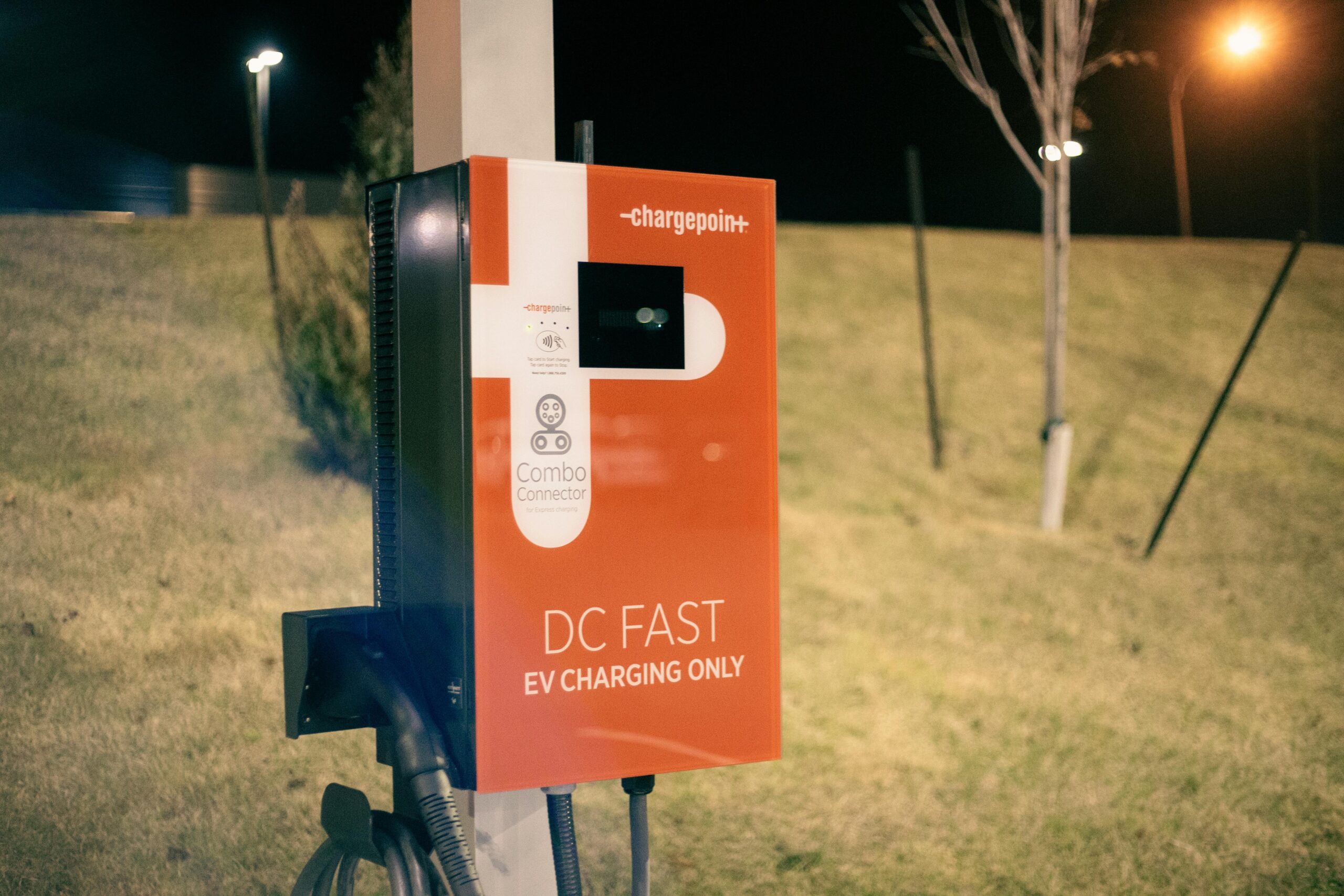
Interoperable energy platforms enable demand response programs where buildings automatically adjust consumption based on grid conditions and price signals. Electric vehicles become mobile energy storage units, charging during off-peak hours and potentially supplying power back to the grid during peak demand. This flexibility reduces the need for expensive peak generation capacity while accelerating renewable energy adoption.
Building management systems connect with grid operations, weather forecasts, and occupancy patterns to optimize heating, cooling, and lighting. The results include substantial energy savings, reduced carbon emissions, and improved occupant comfort—demonstrating how interoperability creates value across multiple dimensions simultaneously.
Citizen-Centric Services and Digital Governance
Interoperable platforms fundamentally transform how citizens interact with government and access urban services. Unified digital portals provide single points of access to diverse services—from permit applications and tax payments to healthcare appointments and education resources. Behind the scenes, integrated back-office systems eliminate redundant data entry, accelerate processing times, and improve service quality.
Data sharing across agencies enables more personalized, proactive services. For example, when a family registers a new baby, the system can automatically enroll the child in healthcare programs, provide information about early childhood services, and connect parents with relevant community resources—all without requiring multiple applications to different departments.
Enhancing Public Safety and Emergency Response
Emergency services benefit enormously from integrated infrastructure. When incidents occur, first responders receive comprehensive situational awareness—traffic conditions, building layouts, location of nearby medical facilities, environmental hazards—compiled from multiple data sources. Traffic management systems automatically clear routes for emergency vehicles. Hospitals receive advance notification about incoming patients, enabling better preparation.
Beyond acute emergencies, interoperable platforms support proactive public safety. Predictive analytics identify areas with elevated risk for specific incidents, enabling targeted preventive interventions. Environmental monitoring systems detect hazards like gas leaks or water contamination early, triggering rapid response protocols. Community engagement platforms facilitate two-way communication between residents and safety agencies, building trust and enhancing collective security.
🌍 Sustainability and Environmental Stewardship
Perhaps no urban challenge demands interoperability more urgently than environmental sustainability. Climate change, resource depletion, and pollution require coordinated responses across all urban systems. Interoperable platforms enable the comprehensive monitoring, analysis, and management necessary for meaningful environmental progress.
Integrated water management illustrates this potential. Sensors throughout distribution networks detect leaks instantly, preventing waste. Smart irrigation systems adjust watering based on weather forecasts, soil moisture, and plant needs. Wastewater treatment facilities coordinate with energy systems to optimize operations and even generate electricity from biogas. The result is dramatically improved water efficiency and reduced environmental impact.
Waste management similarly benefits from integration. Smart bins signal when they need emptying, enabling optimized collection routes that reduce fuel consumption and emissions. Sorting facilities use advanced automation and artificial intelligence to maximize recycling rates. Circular economy initiatives connect waste streams from some organizations to resource needs of others, minimizing landfill disposal while creating economic value.
Air Quality and Urban Health Monitoring
Dense sensor networks monitor air quality at unprecedented granularity, identifying pollution hotspots and sources. This data integrates with traffic management to reduce emissions in affected areas, with health systems to alert vulnerable populations, and with urban planning to inform development decisions. Citizens access real-time air quality information through mobile applications, enabling informed choices about outdoor activities and travel routes.
The health implications extend beyond air quality. Integrated environmental monitoring tracks noise pollution, heat islands, pollen levels, and other factors affecting wellbeing. Public health systems analyze these environmental data streams alongside health outcomes, identifying correlations and developing targeted interventions that improve population health.
Economic Development and Innovation Ecosystems
Interoperable urban platforms catalyze economic development by reducing friction, enabling innovation, and creating new market opportunities. Open data initiatives provide entrepreneurs and researchers with access to valuable urban datasets, spurring development of innovative applications and services that address local needs while creating jobs and economic value.
Small and medium enterprises particularly benefit from standardized platforms that reduce barriers to market entry. Rather than negotiating separate agreements with multiple agencies and systems, businesses can access comprehensive urban services through unified interfaces. This democratization of access levels the playing field, fostering competition and innovation.
Smart city infrastructure attracts talent and investment. Knowledge workers increasingly prioritize locations offering excellent quality of life, including efficient transportation, environmental quality, and digital services. Companies similarly favor cities with modern infrastructure supporting operational efficiency and employee satisfaction. Interoperable platforms thus become competitive advantages in the global competition for talent and capital.
Overcoming Implementation Challenges
Despite compelling benefits, implementing interoperable urban platforms presents significant challenges. Legacy systems built over decades using incompatible technologies resist integration. Different agencies and organizations maintain distinct cultures, priorities, and governance structures that complicate coordination. Privacy concerns and cybersecurity risks grow as systems become more connected and data more centralized.
Governance and Stakeholder Alignment
Successful implementation requires robust governance frameworks that align diverse stakeholders around common objectives while respecting legitimate differences. Multi-stakeholder governance bodies should include representation from government agencies, private sector partners, academic institutions, and citizen groups. Clear roles, responsibilities, and decision-making processes prevent gridlock while ensuring accountability.
Standards play a critical enabling role. Rather than mandating specific technologies, cities should adopt open standards that ensure interoperability while allowing innovation and competition. International collaboration on standards development accelerates adoption and prevents fragmentation into incompatible regional systems.
Privacy, Security, and Digital Rights
As urban systems collect and share increasing amounts of data, protecting privacy and security becomes paramount. Privacy-by-design principles should embed protection into systems from inception rather than adding it as an afterthought. Strong data governance frameworks must clearly define what data is collected, how it’s used, who can access it, and how long it’s retained.
Cybersecurity demands constant attention as interconnected systems create expanded attack surfaces. Defense-in-depth strategies employ multiple security layers, ensuring that compromises of individual components don’t cascade throughout entire platforms. Regular security audits, penetration testing, and incident response planning prepare organizations to detect and respond to threats effectively.
🎯 The Path Forward: Building Tomorrow’s Connected Cities
Realizing the vision of truly interoperable urban infrastructure requires sustained commitment, strategic investment, and collaborative action. Cities should begin by assessing current systems, identifying quick wins where integration delivers immediate value, and developing long-term roadmaps for comprehensive transformation.
Pilot projects provide valuable learning opportunities with manageable risk. Rather than attempting wholesale transformation immediately, cities can test approaches in limited areas or with specific use cases, refining strategies based on real-world experience before scaling to broader implementation.
Capacity building ensures organizations possess the skills and knowledge necessary for success. Training programs should address not only technical competencies but also change management, collaboration, and systems thinking. Partnerships with universities and research institutions can support workforce development while advancing the knowledge base around urban interoperability.
Measuring Success and Continuous Improvement
Clear metrics and key performance indicators enable cities to track progress and demonstrate value. Measurements should encompass multiple dimensions: efficiency gains, cost savings, environmental improvements, service quality, citizen satisfaction, and economic impacts. Transparent reporting builds public support and holds stakeholders accountable for commitments.
Continuous improvement processes institutionalize learning and adaptation. Regular reviews assess what’s working well and what needs adjustment. Feedback mechanisms capture insights from frontline workers, citizens, and partner organizations. This iterative approach ensures platforms evolve to meet changing needs and leverage emerging technologies.

Empowering Citizens as Active Participants
The ultimate measure of success lies in improved quality of life for urban residents. Citizens shouldn’t be passive recipients of services but active participants shaping their cities’ futures. Digital platforms can facilitate meaningful engagement, enabling residents to report issues, propose solutions, participate in planning processes, and hold governments accountable.
Digital inclusion efforts ensure that technology benefits reach all residents regardless of income, age, ability, or technical literacy. Public access points, digital literacy programs, and accessible interface design prevent the creation of new forms of inequality even as cities become more connected and data-driven.
Youth engagement deserves particular attention. Young people possess digital fluency and creative perspectives that can contribute significantly to urban innovation. Educational programs that connect students with real urban challenges foster the next generation of civic leaders while generating fresh ideas for current problems.
The revolution in urban life enabled by interoperable infrastructure platforms represents one of the most significant transformations in how humans organize and experience collective living. These platforms don’t simply make existing systems more efficient; they enable fundamentally new capabilities and possibilities. As cities worldwide embrace this transformation, they’re not just building better infrastructure—they’re creating the foundation for more sustainable, equitable, and prosperous futures for billions of people. The journey requires vision, collaboration, and persistence, but the destination—truly connected cities that empower all residents to thrive—justifies every effort invested in reaching it.