Artificial intelligence is transforming how we maintain critical infrastructure, making inspections faster, safer, and more cost-effective than ever before. 🚀

Infrastructure maintenance has long been a complex challenge for governments, municipalities, and private organizations worldwide. Bridges, roads, tunnels, railways, power grids, and water systems require constant monitoring to ensure public safety and operational efficiency. Traditional inspection methods, while reliable, are often time-consuming, expensive, and sometimes dangerous for personnel who must physically access hard-to-reach locations.
The integration of artificial intelligence into infrastructure diagnostics is creating a paradigm shift in how we approach maintenance, monitoring, and predictive analysis. By leveraging machine learning algorithms, computer vision, IoT sensors, and advanced data analytics, organizations can now detect potential failures before they become critical, optimize maintenance schedules, and allocate resources more effectively.
🔍 The Evolution of Infrastructure Inspection Technologies
Infrastructure maintenance has evolved significantly over the past few decades. Initially, inspections relied entirely on manual visual assessments conducted by trained engineers. These professionals would physically examine structures, document observations on paper, and make recommendations based on experience and established guidelines.
The introduction of basic digital tools improved documentation and reporting, but the fundamental approach remained unchanged. Inspectors still needed to access every part of a structure, which could be dangerous, especially for bridges, tall buildings, or underground systems. This traditional methodology also suffered from inconsistencies due to human error, subjective interpretations, and the sheer volume of data that needed processing.
The emergence of drone technology marked the first major technological leap, enabling remote visual inspections of difficult-to-access areas. However, the real transformation began when artificial intelligence entered the picture, turning vast amounts of visual and sensor data into actionable intelligence.
🤖 How AI-Powered Diagnostics Work in Infrastructure Maintenance
AI-powered diagnostic systems combine multiple technologies to create comprehensive maintenance solutions. At the core of these systems are machine learning algorithms trained on thousands of images and datasets representing both healthy infrastructure and various types of deterioration, damage, or defects.
Computer vision algorithms analyze images captured by drones, robots, or fixed cameras to identify cracks, corrosion, spalling, deformation, and other structural issues. These systems can detect anomalies that might be invisible to the human eye or easily overlooked during routine inspections.
Deep learning models, particularly convolutional neural networks (CNNs), excel at pattern recognition and can classify defects by type, severity, and urgency. The system learns continuously, improving its accuracy with each inspection and becoming more adept at distinguishing between minor surface issues and serious structural concerns.
Sensor Integration and IoT Connectivity
Modern infrastructure diagnostics don’t rely solely on visual data. IoT sensors embedded in structures continuously monitor stress, vibration, temperature, humidity, and other critical parameters. AI algorithms process this streaming data in real-time, establishing baseline patterns and immediately flagging deviations that could indicate developing problems.
This continuous monitoring capability represents a fundamental shift from periodic inspections to constant vigilance. Rather than discovering a problem during a scheduled inspection, maintenance teams receive alerts the moment anomalous behavior begins, allowing for proactive intervention before failures occur.
💡 Key Benefits Transforming the Infrastructure Maintenance Landscape
The adoption of AI-powered diagnostics delivers multiple advantages that extend beyond simple efficiency gains. These benefits fundamentally change how organizations approach infrastructure management and resource allocation.
Enhanced Safety for Inspection Personnel
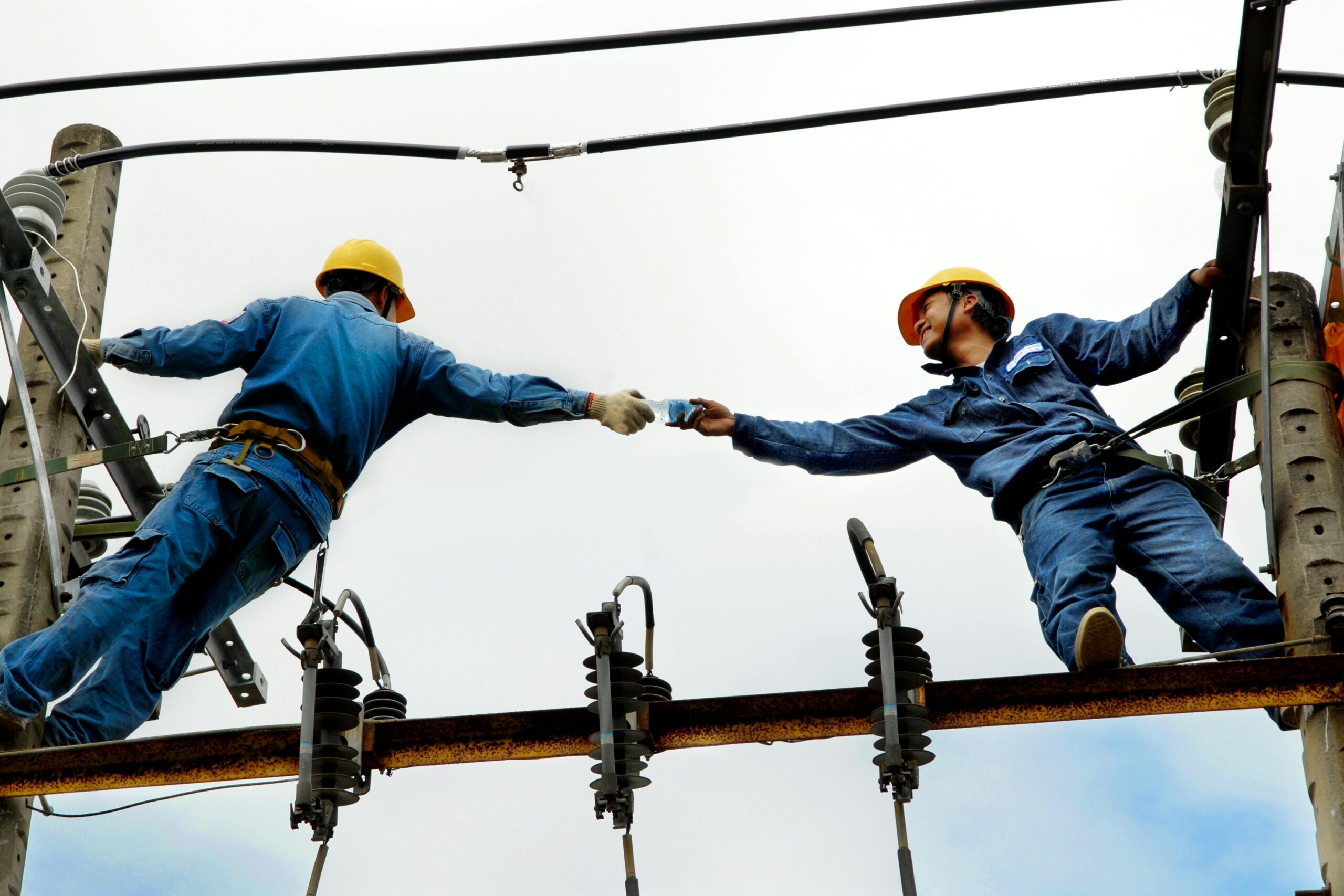
One of the most significant advantages is the dramatic improvement in worker safety. Inspectors no longer need to climb tall structures, work in confined spaces, or expose themselves to traffic hazards during roadway inspections. Drones, robots, and remote sensors can access dangerous locations while personnel analyze data from safe environments.
This safety improvement also extends to the public. By identifying potential failures earlier, AI diagnostics prevent catastrophic events that could endanger communities. Bridges don’t collapse unexpectedly, and power systems don’t fail without warning when continuous AI monitoring is in place.
Significant Cost Reduction and Resource Optimization
Traditional infrastructure inspections require substantial labor, equipment, and often temporary closures that disrupt services and commerce. AI-powered systems dramatically reduce these costs by accelerating inspection processes and eliminating unnecessary maintenance activities.
Predictive maintenance capabilities allow organizations to address issues at optimal times, preventing small problems from becoming expensive emergencies. Resources can be allocated based on actual need rather than rigid schedules, ensuring that critical issues receive immediate attention while less urgent matters wait for appropriate timing.
Improved Accuracy and Consistency
Human inspectors, regardless of expertise, bring inherent variability to assessments. Fatigue, distraction, or simple oversight can lead to missed defects. AI systems maintain consistent performance regardless of inspection duration, environmental conditions, or the volume of data being processed.
Machine learning models trained on vast datasets recognize subtle patterns that might escape even experienced professionals. This enhanced detection capability means fewer surprises and better long-term planning for infrastructure management.
🌉 Real-World Applications Across Infrastructure Types
AI-powered diagnostics are being deployed across virtually every category of critical infrastructure, each with unique requirements and challenges.
Bridges and Elevated Structures
Bridge inspection represents one of the most successful applications of AI diagnostics. Drones equipped with high-resolution cameras capture detailed imagery of bridge components, while AI algorithms identify cracks, corrosion, concrete spalling, and structural deformations. Some systems can even estimate remaining service life based on deterioration rates.
Advanced implementations use thermal imaging to detect delamination in concrete or hidden moisture problems that precede visible damage. Vibration sensors monitor structural responses to traffic loads, detecting changes that might indicate weakening support members or failing connections.
Transportation Networks and Roadways
Road maintenance traditionally relied on manual surveys or simple vehicle-mounted systems that required significant human review. AI-powered systems now process video feeds at traffic speeds, automatically identifying potholes, cracks, surface deterioration, and pavement markings that need refreshing.
These systems generate detailed condition maps with precise GPS coordinates, allowing maintenance crews to arrive at job sites with exact knowledge of required repairs. This eliminates wasteful reconnaissance trips and ensures crews have appropriate materials and equipment for the work ahead.
Railways and Transit Systems
Railway infrastructure demands exceptional reliability, as failures can cause derailments with catastrophic consequences. AI diagnostic systems mounted on regular service trains continuously monitor track geometry, rail surface conditions, overhead power systems, and signaling equipment during normal operations.
Machine learning algorithms detect subtle changes in track alignment, worn rails, loose fasteners, and vegetation encroachment that could interfere with operations. Predictive models forecast when components will reach end-of-life, enabling planned replacements during scheduled maintenance windows rather than emergency repairs that disrupt service.
Energy Infrastructure and Power Grids
Electrical transmission and distribution systems span vast territories, making comprehensive manual inspection impractical. Drone-based AI systems now inspect power lines, towers, and substations, identifying corrosion, damaged insulators, vegetation threats, and equipment overheating.
Thermal imaging combined with AI analysis detects hot spots that indicate failing components before they cause outages. In renewable energy, AI diagnostics inspect wind turbine blades for cracks and damage, and solar panel arrays for malfunctioning cells, maximizing energy production efficiency.
Water and Wastewater Systems
Underground water infrastructure presents unique inspection challenges due to accessibility limitations. AI-powered robotic systems navigate pipes, capturing video and sensor data while machine learning algorithms identify cracks, blockages, corrosion, and leaks.
Acoustic sensors combined with AI pattern recognition detect leaks in distribution systems by analyzing sound signatures, pinpointing problems even when physical inspection is impossible. Predictive models forecast pipe failures based on age, material, soil conditions, and historical data, enabling proactive replacement of high-risk segments.
📊 Implementation Strategies for Organizations
Successfully deploying AI-powered diagnostics requires careful planning and phased implementation. Organizations should begin by identifying infrastructure categories where AI can deliver the greatest immediate value, typically areas with high inspection costs, safety concerns, or historical maintenance challenges.
Pilot projects allow teams to build expertise, validate system performance, and demonstrate value to stakeholders before full-scale deployment. These initial implementations should focus on well-defined problems with clear success metrics, establishing credibility and momentum for broader adoption.
Data Infrastructure and Management
AI systems require substantial data infrastructure to function effectively. Organizations must establish protocols for data collection, storage, processing, and security. Cloud platforms provide scalable computing resources for AI processing, while edge computing enables real-time analysis for time-critical applications.
Historical inspection data, when available, provides valuable training material for machine learning models. Organizations should digitize legacy records and establish consistent data standards to maximize the value of accumulated knowledge.
Skills Development and Change Management
Introducing AI diagnostics changes workforce requirements and workflows. Rather than replacing personnel, these systems elevate their roles from manual inspection to data analysis, decision-making, and strategic planning. Organizations should invest in training programs that help existing staff develop new competencies in data interpretation, system operation, and AI-assisted maintenance planning.
Change management strategies should address concerns about job displacement while emphasizing opportunities for professional growth and safer working conditions. Successful implementations involve workers throughout the process, incorporating their expertise into system design and validation.
🚧 Challenges and Considerations
Despite impressive capabilities, AI-powered diagnostics face several challenges that organizations must address for successful implementation.
Data Quality and Model Training
AI systems are only as good as their training data. Models trained on insufficient or biased datasets may fail to recognize certain defect types or generate false positives that waste resources. Organizations must commit to ongoing model refinement and validation against ground-truth inspections.
Environmental variations present additional challenges. A system trained on bridges in dry climates may perform poorly in regions with freeze-thaw cycles or high humidity. Models must account for regional conditions, construction methods, and material types specific to each infrastructure category.
Integration with Legacy Systems
Many organizations operate established asset management systems that predate AI capabilities. Integrating new diagnostic technologies with legacy platforms requires careful planning to ensure data compatibility and workflow continuity. APIs, data transformation layers, and phased migration strategies help bridge old and new systems during transition periods.
Regulatory and Liability Considerations
Infrastructure inspection often involves regulatory requirements and liability implications. Organizations must ensure AI diagnostic systems meet or exceed regulatory standards, maintain appropriate documentation, and establish clear protocols for human review of AI-generated findings before taking action.
Some jurisdictions may require licensed engineers to certify inspection results, positioning AI as a powerful tool that enhances rather than replaces professional judgment. Clear documentation of AI methodology, accuracy rates, and validation procedures helps satisfy regulatory requirements and manage liability concerns.
🔮 The Future of AI in Infrastructure Maintenance
As AI technologies continue advancing, infrastructure diagnostics will become increasingly sophisticated and integrated. Emerging capabilities promise even greater improvements in safety, efficiency, and infrastructure longevity.
Autonomous Maintenance Systems
Future systems may progress beyond diagnosis to automated repair for certain infrastructure types. Robotic systems guided by AI could patch potholes, seal cracks, or replace failing components with minimal human intervention, dramatically accelerating maintenance cycles and reducing labor costs.
Digital Twins and Predictive Modeling
Digital twin technology creates virtual replicas of physical infrastructure, updated continuously with real-world sensor data and AI analysis. These models enable sophisticated simulation and scenario testing, predicting how structures will respond to various loads, environmental conditions, or maintenance interventions.
By combining digital twins with predictive AI, organizations can optimize long-term maintenance strategies, evaluating trade-offs between repair costs, service disruption, and remaining useful life under different scenarios before committing resources.
Interconnected Smart Infrastructure Networks
As individual infrastructure elements become smarter, entire networks will communicate and coordinate through AI orchestration. Transportation systems could automatically reroute traffic around maintenance activities, while power grids rebalance loads to accommodate equipment repairs, minimizing service impacts while maximizing maintenance efficiency.
🎯 Making the Transition to Intelligent Infrastructure Management
The revolution in infrastructure maintenance powered by artificial intelligence represents not just a technological upgrade but a fundamental rethinking of how societies manage critical systems. Organizations that embrace these capabilities position themselves for long-term success, delivering safer, more reliable infrastructure while controlling costs and optimizing resource allocation.
The transition requires commitment, investment, and patience as teams develop new capabilities and refine implementation approaches. However, the benefits—measured in prevented failures, saved lives, reduced costs, and improved public services—make this journey essential for responsible infrastructure stewardship in the modern era.
As AI technologies mature and become more accessible, even smaller organizations and municipalities can leverage these powerful tools. The future of infrastructure maintenance is intelligent, proactive, and remarkably more effective than traditional approaches, ensuring that the bridges, roads, power systems, and water networks we depend on remain safe and functional for generations to come.