The global energy landscape is undergoing a profound transformation, driven by the urgent need for sustainability, efficiency, and resilience in power distribution systems worldwide.

🌍 The Dawn of Intelligent Energy Management
Smart grids represent one of the most significant technological advancements in energy infrastructure since the electrification of cities over a century ago. These sophisticated networks combine traditional electrical grids with digital communication technology, creating an interconnected ecosystem that can monitor, analyze, and respond to changes in energy supply and demand in real-time. Unlike conventional grids that operate on a one-way flow of electricity from power plants to consumers, smart grids enable bidirectional communication and energy flow, fundamentally changing how we produce, distribute, and consume electrical power.
The transition from legacy power systems to intelligent networks addresses critical challenges facing modern societies: aging infrastructure, increasing energy demands, integration of renewable sources, and the growing threat of climate change. Smart grids provide the foundation for a sustainable energy future by optimizing resource utilization, reducing waste, and accommodating diverse generation sources including solar, wind, and other renewables that were previously difficult to integrate into traditional grid systems.
⚡ Core Technologies Powering Smart Grid Revolution
The backbone of smart grid infrastructure relies on several interconnected technologies working in harmony. Advanced metering infrastructure (AMI) forms the sensory system of smart grids, deploying millions of intelligent meters that record consumption patterns with granular precision. These digital meters communicate wirelessly with utility companies, eliminating the need for manual readings while providing consumers with detailed insights into their energy usage patterns.
Supervisory control and data acquisition (SCADA) systems serve as the central nervous system, collecting real-time data from substations, transformers, and distribution points across vast geographic areas. This information enables grid operators to detect anomalies, predict equipment failures, and respond to disturbances before they escalate into widespread outages. The integration of artificial intelligence and machine learning algorithms enhances these capabilities, allowing systems to learn from historical patterns and make predictive decisions autonomously.
Sensors and IoT Integration
The Internet of Things has revolutionized grid monitoring through deployment of countless sensors throughout the distribution network. These devices measure voltage levels, current flow, temperature, and other critical parameters, transmitting data continuously to centralized management platforms. Phasor measurement units (PMUs) provide high-resolution snapshots of grid conditions multiple times per second, enabling unprecedented visibility into system health and performance.
Distribution automation systems leverage this sensor data to isolate faults automatically, reroute power around damaged sections, and restore service to affected customers within minutes rather than hours. This self-healing capability dramatically improves reliability while reducing operational costs associated with manual troubleshooting and repair dispatch.
🔋 Renewable Energy Integration and Storage Solutions
One of the most transformative aspects of smart grids is their ability to accommodate variable renewable energy sources. Solar and wind power generation fluctuates based on weather conditions, creating significant challenges for grid stability. Traditional power systems were designed around predictable, controllable generation from fossil fuel and nuclear plants, making renewable integration technically complex and economically challenging.
Smart grids address this challenge through sophisticated forecasting algorithms that predict renewable generation based on weather patterns, historical data, and real-time conditions. These predictions allow grid operators to coordinate conventional generation, energy storage, and demand response programs to maintain balance between supply and consumption. Advanced power electronics enable seamless integration of distributed generation resources, from rooftop solar installations to community wind farms, transforming consumers into prosumers who both use and produce electricity.
Battery Storage and Grid Stabilization
Energy storage systems play a crucial role in bridging the gap between variable renewable generation and steady consumption demands. Large-scale battery installations can absorb excess renewable energy during periods of high generation and discharge it when production falls or demand spikes. These systems respond in milliseconds, providing frequency regulation and voltage support that maintain grid stability.
Lithium-ion batteries currently dominate the storage market, but emerging technologies including flow batteries, compressed air energy storage, and hydrogen systems promise even greater capacity and duration. Grid-scale storage installations are becoming economically viable as battery costs decline, enabling utilities to defer expensive infrastructure upgrades while increasing renewable penetration rates.
📊 Data Analytics and Predictive Intelligence
The vast quantities of data generated by smart grid sensors and meters create opportunities for unprecedented insights into energy system operations. Big data analytics platforms process millions of data points per second, identifying patterns, anomalies, and optimization opportunities that would be impossible for human operators to detect manually. Machine learning models trained on historical data can predict equipment failures weeks or months in advance, enabling proactive maintenance that prevents outages and extends asset lifespans.
Predictive analytics also enhance load forecasting accuracy, allowing utilities to optimize generation scheduling and reduce reliance on expensive peaking plants. These systems consider multiple variables including weather forecasts, historical consumption patterns, economic indicators, and special events to generate highly accurate demand predictions across different time horizons.
Consumer Behavior Insights
Advanced analytics provide utilities with detailed understanding of consumer behavior patterns, enabling targeted efficiency programs and personalized energy management recommendations. By identifying households with inefficient appliances or unusual consumption patterns, utilities can offer tailored solutions that reduce both customer bills and overall system demand. These insights also inform rate design, allowing utilities to implement time-of-use pricing and other demand response programs that incentivize consumption during off-peak hours.
🏠 Empowering Consumers Through Smart Technology
Smart grids fundamentally transform the relationship between utilities and customers, shifting from a passive consumption model to active engagement and participation. Home energy management systems connect with smart thermostats, appliances, and electric vehicle chargers, allowing consumers to monitor and control their consumption in real-time. Mobile applications provide instantaneous feedback on usage patterns, cost projections, and personalized recommendations for reducing consumption and lowering bills.
Demand response programs leverage this connectivity by offering financial incentives for customers who reduce consumption during peak periods or allow utilities to remotely adjust controllable loads like air conditioners and water heaters. These programs aggregate thousands of individual responses into virtual power plants that can provide grid services comparable to conventional generation facilities at a fraction of the cost.
Electric Vehicle Integration
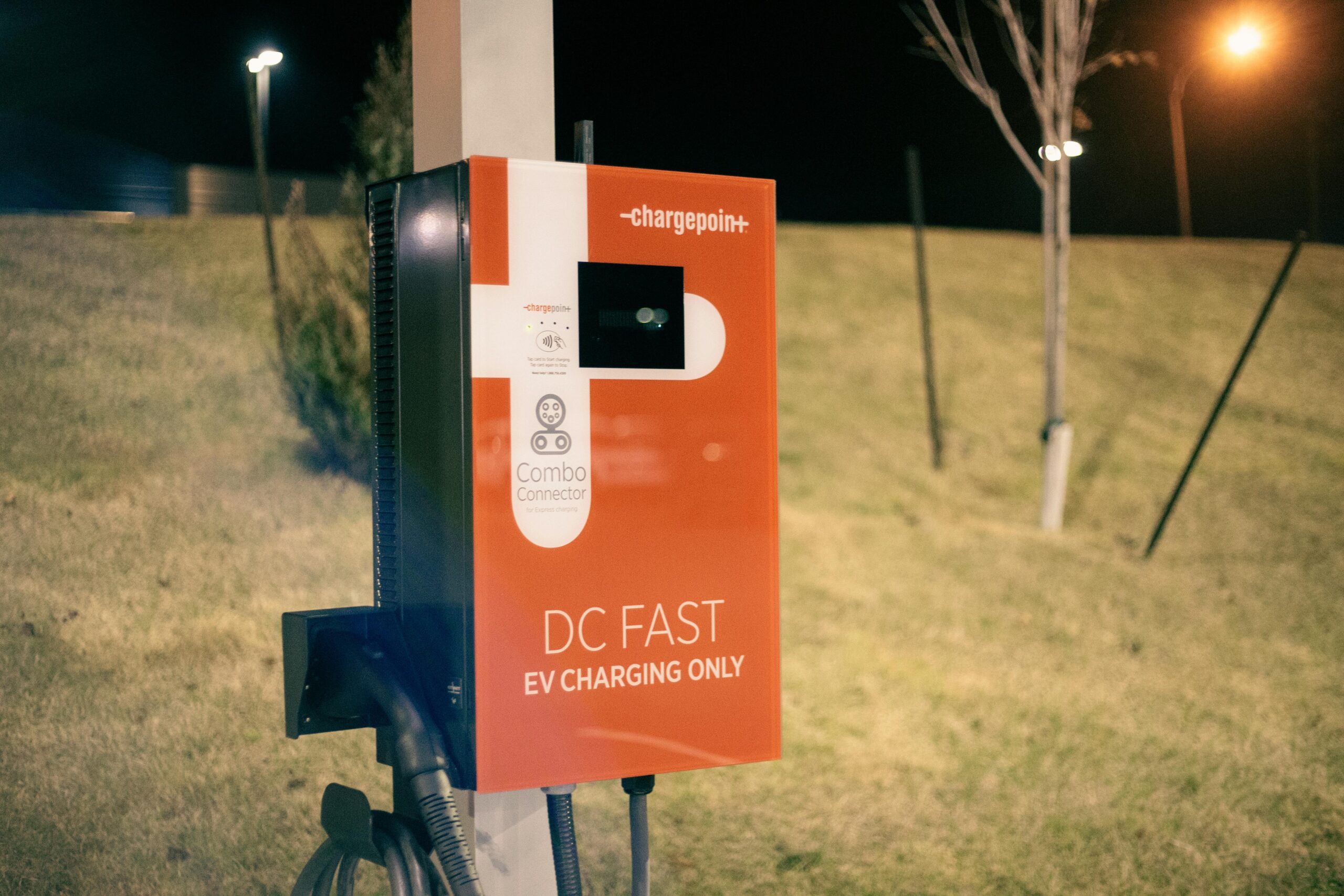
The proliferation of electric vehicles presents both challenges and opportunities for smart grids. Uncontrolled EV charging could strain distribution networks, particularly in residential neighborhoods where multiple vehicles charge simultaneously during evening hours. Smart charging systems coordinate EV charging with grid conditions, shifting load to off-peak hours when electricity is cheaper and cleaner. Vehicle-to-grid (V2G) technology enables EVs to discharge stored energy back to the grid during peak demand periods, effectively turning vehicle batteries into distributed storage assets.
🔐 Cybersecurity and Grid Resilience
The digitalization of energy infrastructure introduces new vulnerabilities that must be addressed through comprehensive cybersecurity strategies. Smart grids present attractive targets for malicious actors seeking to disrupt critical infrastructure or steal sensitive data. Utilities must implement multiple layers of security including encrypted communications, network segmentation, intrusion detection systems, and regular vulnerability assessments.
Blockchain technology shows promise for enhancing grid security through decentralized authentication and transaction verification. This approach eliminates single points of failure while providing transparent, immutable records of all grid transactions and communications. Quantum encryption techniques may soon provide virtually unbreakable security for critical grid communications.
Physical and Cyber Threat Mitigation
Beyond cyber threats, smart grids must withstand physical attacks, natural disasters, and extreme weather events that are becoming more frequent due to climate change. Microgrids provide enhanced resilience by allowing critical facilities to operate independently during grid outages. These localized networks can island themselves from the main grid during disturbances, maintaining power for hospitals, emergency services, and other essential loads.
Distributed generation and storage resources enhance overall system resilience by reducing dependence on centralized power plants and long transmission lines vulnerable to disruption. Grid hardening measures including underground cables, reinforced structures, and strategic vegetation management further improve reliability in the face of physical threats.
💰 Economic Benefits and Investment Returns
While smart grid implementation requires substantial upfront investment, the long-term economic benefits far exceed costs. Utilities realize operational savings through reduced truck rolls, improved asset utilization, and deferred capital expenditures. Enhanced system efficiency reduces energy losses during transmission and distribution, saving billions of dollars annually across global power systems.
Consumers benefit from lower bills through improved efficiency, time-of-use pricing options, and participation in demand response programs. Economic development receives a boost as reliable, high-quality power attracts businesses and enables innovation. The smart grid industry itself creates thousands of high-skilled jobs in engineering, software development, data analysis, and system integration.
🌱 Environmental Impact and Sustainability Goals
Smart grids are essential enablers of global decarbonization efforts, facilitating the transition from fossil fuels to renewable energy sources. By optimizing system operations and integrating variable renewables efficiently, these networks reduce greenhouse gas emissions while maintaining reliability. Improved energy efficiency across generation, transmission, and consumption reduces overall resource requirements and environmental impact.
Real-time emissions tracking and reporting provide transparency into the environmental characteristics of electricity consumption, enabling consumers and businesses to make informed choices about their energy use. Green energy programs allow customers to preferentially consume renewable generation, driving market demand for clean energy development.
🚀 Future Innovations on the Horizon
The evolution of smart grid technology continues at a rapid pace, with emerging innovations promising even greater capabilities. Artificial intelligence systems will evolve from reactive to proactive management, anticipating problems and optimizing operations autonomously. Digital twin technology creates virtual replicas of physical grid infrastructure, enabling simulation and testing of operational strategies without risking real-world disruptions.
Advanced materials including high-temperature superconductors and solid-state transformers will dramatically improve efficiency and reduce infrastructure footprints. Wireless power transmission technologies may eventually eliminate some physical grid infrastructure entirely, though significant technical and regulatory hurdles remain.
Policy and Regulatory Evolution
Realizing the full potential of smart grids requires supportive policy frameworks and updated regulations that accommodate new technologies and business models. Performance-based regulation incentivizes utilities to prioritize reliability and customer satisfaction over simple throughput. Interoperability standards ensure equipment from different manufacturers can communicate seamlessly, fostering competition and innovation.
International cooperation on standards and best practices accelerates technology deployment and reduces costs through economies of scale. Public-private partnerships leverage government resources and regulatory authority alongside private sector innovation and capital to accelerate smart grid implementation.
🔧 Implementation Challenges and Solutions
Despite their tremendous potential, smart grid deployments face significant obstacles including high initial costs, technical complexity, regulatory barriers, and public concerns about data privacy. Successful implementations require careful planning, stakeholder engagement, and phased rollouts that demonstrate value before requesting additional investment.
Workforce development programs ensure adequate skilled personnel to design, install, and maintain sophisticated grid technologies. Public education campaigns build understanding and support for smart grid initiatives while addressing privacy concerns through transparent data handling policies and robust security measures.
🌐 Global Smart Grid Adoption Trends
Smart grid deployment varies significantly across regions, reflecting differences in regulatory frameworks, economic conditions, and infrastructure maturity. Europe leads in distributed renewable integration and demand response programs, driven by ambitious climate goals and supportive policies. Asia-Pacific nations invest heavily in smart grid infrastructure to support rapid urbanization and economic growth, with China deploying smart meters and grid automation at unprecedented scale.
North America focuses on grid modernization and resilience, replacing aging infrastructure with intelligent systems capable of withstanding increasing extreme weather events. Developing nations increasingly leapfrog legacy systems, deploying advanced smart grid technologies from the outset rather than upgrading existing infrastructure.

⚡ Building Tomorrow’s Energy Ecosystem Today
The transformation of power infrastructure through smart grid technology represents a fundamental shift in how society generates, distributes, and consumes energy. These intelligent networks provide the foundation for a sustainable, resilient, and efficient energy future capable of meeting growing demands while addressing climate change imperatives. The integration of renewable generation, energy storage, advanced analytics, and consumer engagement creates an ecosystem where energy flows dynamically in response to real-time conditions and economic signals.
Success requires collaboration among utilities, technology providers, regulators, and consumers, all working toward shared goals of sustainability, reliability, and affordability. The investments made today in smart grid infrastructure will pay dividends for decades to come, enabling economic prosperity while protecting the environment for future generations. As technology continues advancing and costs decline, smart grids will become increasingly sophisticated and ubiquitous, fundamentally reshaping the energy landscape and powering a cleaner, more sustainable world.