Modern venues face unprecedented challenges managing large gatherings safely and efficiently. AI-powered crowd control systems combined with advanced sensor technology are revolutionizing how organizations handle mass populations in real-time.

🚀 The Evolution of Crowd Management Technology
Traditional crowd control methods relied heavily on human observation and manual intervention. Security personnel would monitor gatherings through basic surveillance cameras, making decisions based on limited visual information and personal experience. This approach often resulted in delayed responses, blind spots, and inconsistent management across different areas of a venue.
The integration of artificial intelligence and sophisticated sensor networks has fundamentally transformed this landscape. Modern systems can process thousands of data points simultaneously, identifying potential issues before they escalate into dangerous situations. These technologies work together to create a comprehensive picture of crowd dynamics, enabling proactive rather than reactive management strategies.
Organizations ranging from concert venues and sports stadiums to transportation hubs and smart cities are implementing these solutions to enhance safety, optimize flow, and improve overall visitor experiences. The combination of predictive analytics and real-time monitoring creates an unprecedented level of situational awareness.
🎯 Core Technologies Driving Intelligent Crowd Control
Artificial Intelligence and Machine Learning Algorithms
AI systems designed for crowd management utilize deep learning neural networks trained on vast datasets of human behavior patterns. These algorithms can recognize normal versus abnormal crowd movements, detect formation of dangerous bottlenecks, and predict potential stampede situations with remarkable accuracy.
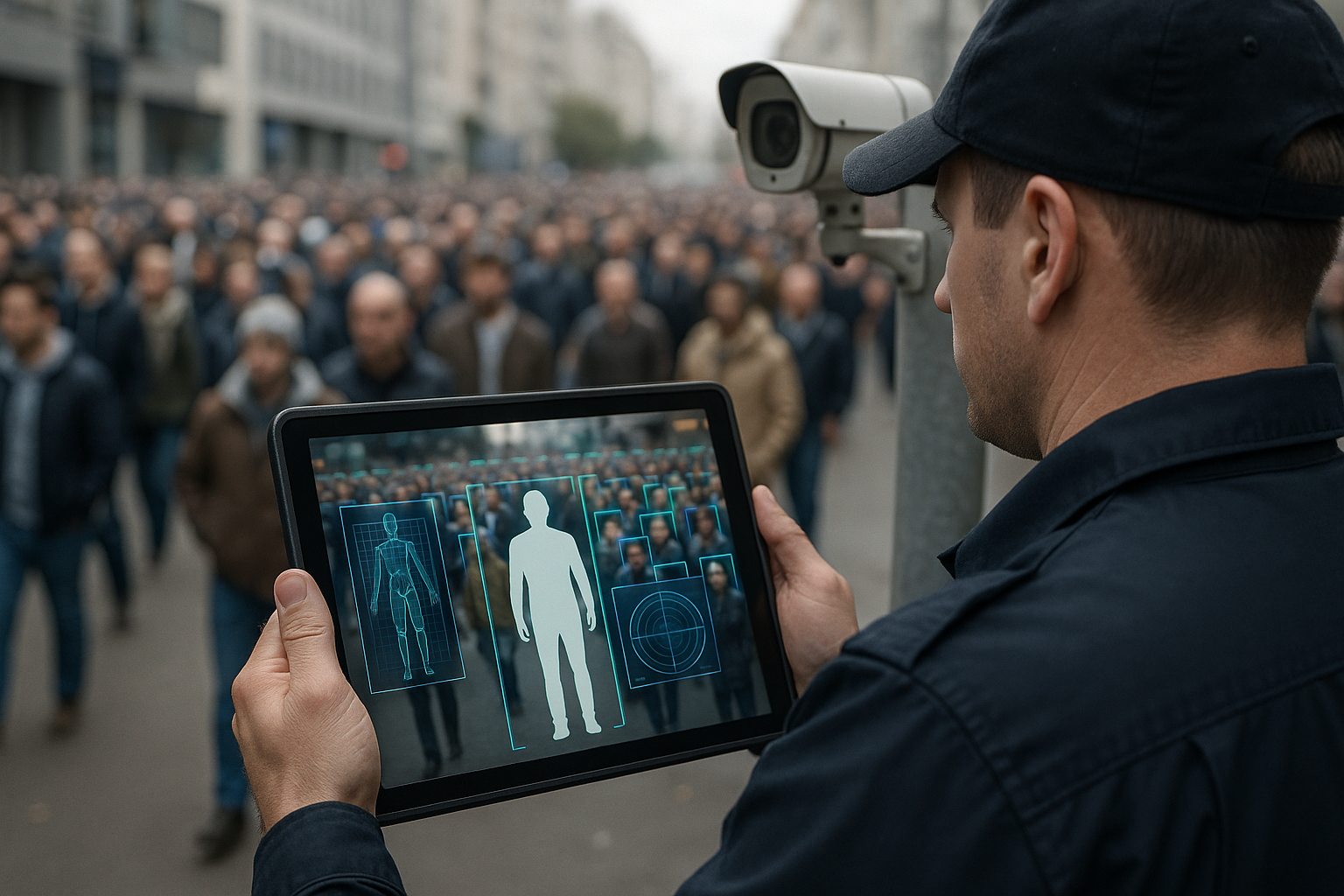
Computer vision technology analyzes video feeds in real-time, counting individuals, tracking movement patterns, and identifying behavioral anomalies. Advanced models can distinguish between different types of crowd formations, recognizing when a gathering is becoming too dense or when movement patterns suggest panic or disorder.
Natural language processing capabilities enable systems to monitor social media feeds and communication channels, identifying emerging concerns or threats before they manifest physically. This digital intelligence layer adds crucial context to physical observations, creating a more complete operational picture.
Sensor Technologies for Enhanced Detection
Modern crowd control systems employ multiple sensor types working in concert to gather comprehensive environmental data. Thermal imaging sensors detect body heat signatures, providing accurate crowd density measurements even in low-light conditions or when visual obstructions exist.
Pressure-sensitive floor sensors monitor ground-level forces, detecting unusual weight distributions that might indicate dangerous crowd surges. These sensors can trigger automatic alerts when pressure thresholds are exceeded, allowing immediate intervention.
Acoustic sensors analyze sound patterns within crowds, distinguishing between normal ambient noise and concerning sounds like screaming, breaking glass, or aggressive confrontations. This auditory intelligence complements visual monitoring systems, catching incidents that might occur outside camera ranges.
WiFi and Bluetooth tracking technologies monitor the density and movement of mobile devices throughout a venue. While respecting privacy through anonymization, these systems provide valuable data about crowd distribution and flow patterns across large areas.
📊 Real-Time Data Analytics and Predictive Modeling
The true power of AI-enhanced crowd control lies not in individual technologies but in the synthesis of multiple data streams through sophisticated analytics platforms. These systems aggregate information from all sensors and cameras, applying machine learning models to identify patterns and predict future scenarios.
Predictive analytics can forecast crowd density levels hours in advance based on historical data, weather conditions, event schedules, and ticket sales. This foresight enables proactive resource allocation, positioning security personnel and opening specific entrances or exits before congestion occurs.
Heat mapping visualization tools display crowd density across venue layouts in intuitive color-coded formats. Security teams can instantly identify areas approaching capacity limits and take preventive measures. These maps update continuously, showing real-time changes as crowds shift and move.
Anomaly detection algorithms constantly scan for deviations from expected patterns. Whether a sudden rush toward a specific area, unusual loitering behaviors, or unexpected crowd dispersal, the system flags these occurrences for human review and potential intervention.
🏟️ Practical Applications Across Different Environments
Sports Stadiums and Concert Venues
Large entertainment venues represent prime applications for intelligent crowd control systems. These facilities regularly host tens of thousands of attendees who arrive, move, and depart in concentrated time windows, creating significant management challenges.
AI systems optimize entry processes by analyzing queue lengths at different gates and dynamically directing arriving guests to less congested entrances through mobile notifications and digital signage. Inside venues, the technology monitors concourse traffic, alerting staff when specific food or merchandise locations become overcrowded.
During event conclusions, crowd management systems orchestrate phased departures, using lighting, announcements, and exit configurations to prevent dangerous bottlenecks. The technology can also coordinate with parking management systems and public transportation to streamline overall dispersal.
Transportation Hubs and Transit Systems
Airports, train stations, and bus terminals benefit enormously from AI-powered crowd analytics. These environments feature complex passenger flows with tight schedules and multiple interaction points including check-in, security, boarding, and baggage claim areas.
Intelligent systems monitor queue lengths at security checkpoints and ticket counters, providing wait time estimates to passengers and alerting managers when additional lanes should be opened. Platform monitoring prevents dangerous overcrowding during peak travel periods, triggering crowd control measures before unsafe conditions develop.
Integration with scheduling systems allows predictive modeling of crowd volumes based on incoming and departing flights or trains. This forecasting enables optimal staffing decisions and proactive space management throughout daily operational cycles.
Retail Environments and Shopping Centers
Shopping malls and large retail stores use crowd intelligence to enhance both safety and business performance. During normal operations, the technology tracks customer movement patterns, identifying popular routes and underutilized areas to optimize store placement and promotional displays.
During special events like holiday sales or product launches, crowd management systems prevent dangerous overcrowding while maximizing safe capacity utilization. Real-time monitoring ensures fire code compliance and enables rapid response to any incidents.
Retailers also leverage crowd analytics for business intelligence, understanding peak traffic periods, average dwell times in different departments, and the effectiveness of various layout configurations. This data-driven approach improves both customer experience and operational efficiency.
🛡️ Safety Enhancements and Emergency Response
The most critical benefit of AI-enhanced crowd control lies in its ability to prevent tragedies. Crowd crushes, stampedes, and related incidents have caused numerous fatalities at events worldwide. Intelligent monitoring systems provide early warning capabilities that can save lives.
Advanced algorithms detect the formation of dangerous crowd densities before they reach critical thresholds. When measurements indicate approaching danger zones, the system automatically alerts security personnel and can trigger pre-programmed interventions such as opening additional exits, halting entry to affected areas, or initiating crowd dispersal protocols.
Integration with emergency services ensures rapid coordination during critical incidents. The system can automatically transmit crowd location data, incident details, and optimal access routes to first responders, significantly reducing response times and improving emergency medical service delivery.
Post-incident analysis capabilities allow organizations to review exactly what occurred, understanding the sequence of events and crowd behaviors that led to any incident. These insights drive continuous improvement in safety protocols and system configurations.
🔐 Privacy Considerations and Ethical Implementation
The deployment of extensive surveillance and tracking technologies naturally raises important privacy concerns. Responsible implementation of crowd control systems must balance safety benefits with individual privacy rights and ethical considerations.
Modern systems increasingly utilize privacy-preserving technologies such as edge computing, where video analysis occurs locally on cameras rather than transmitting identifiable images to central servers. Anonymization techniques strip personally identifiable information while retaining useful crowd behavior data.
Transparent policies clearly communicating what data is collected, how it’s used, and how long it’s retained help build public trust. Organizations should implement strict data governance frameworks ensuring information is used solely for stated safety and operational purposes.
Regulatory compliance with data protection laws such as GDPR in Europe or various privacy statutes in other jurisdictions is essential. Legal frameworks continue evolving to address the unique challenges posed by AI-powered surveillance technologies.
💡 Integration Challenges and Implementation Strategies
Successfully deploying intelligent crowd control systems requires careful planning and integration with existing infrastructure. Organizations must consider several technical and operational factors to maximize system effectiveness.
Legacy surveillance systems can often be enhanced with AI capabilities through retrofit solutions rather than complete replacement. Smart camera attachments and cloud-based analytics platforms can bring modern intelligence to existing hardware investments, reducing implementation costs.
Network infrastructure represents a critical consideration. High-definition video streams and continuous sensor data require substantial bandwidth and reliable connectivity. Organizations must ensure their network architecture can handle these demands without compromising system performance.
Staff training is equally important as the technology itself. Security personnel and operations managers must understand system capabilities, interpret alerts correctly, and know appropriate response protocols. Regular drills and scenario training help teams develop effective reactions to system notifications.
Phased implementation approaches typically prove more successful than attempting full system deployment at once. Starting with specific high-priority areas allows organizations to demonstrate value, refine configurations, and build internal expertise before expanding coverage.
📈 Future Developments and Emerging Trends
Crowd control technology continues advancing rapidly, with several emerging capabilities poised to further enhance management effectiveness. Understanding these trends helps organizations prepare for future upgrades and capabilities.
Augmented reality interfaces will soon provide security personnel with real-time crowd data overlays visible through smart glasses or mobile devices. Officers will see density heat maps, individual tracking information, and alert notifications directly in their field of vision while moving through crowds.
Autonomous drone integration adds aerial monitoring capabilities, providing flexible coverage of outdoor events and large gathering spaces. AI-controlled drones can automatically patrol defined routes, focusing on areas where ground-level sensors detect unusual activity.
Biometric integration may enable more sophisticated tracking of specific individuals when security concerns warrant such monitoring. However, this capability must be carefully balanced against privacy considerations and implemented only with appropriate legal frameworks and oversight.
Advanced simulation capabilities will allow organizations to model various crowd scenarios virtually before events occur. These digital twins enable testing different crowd control strategies and configurations, optimizing plans before actual crowds arrive.
🌟 Measuring Success and ROI
Organizations investing in intelligent crowd control systems need clear metrics to evaluate effectiveness and justify continued investment. Multiple performance indicators demonstrate value across safety, operational, and financial dimensions.
Incident reduction rates provide the most critical success metric. Comparing frequency and severity of crowd-related incidents before and after system implementation demonstrates concrete safety improvements. Even small reductions in dangerous situations justify significant technology investments.
Operational efficiency gains appear through reduced staffing requirements for equivalent coverage levels or enhanced coverage with existing personnel. Systems enabling better resource allocation directly impact operating costs while improving service delivery.
Customer satisfaction improvements reflect the enhanced experience enabled by reduced congestion, shorter wait times, and smoother crowd flows. Surveys and feedback mechanisms can quantify these perception improvements.
Liability and insurance cost reductions often follow demonstrated safety improvements. Organizations showing proactive crowd management capabilities may negotiate favorable insurance terms and reduce exposure to litigation from crowd-related incidents.
🎓 Building Comprehensive Management Strategies
Technology represents only one component of effective crowd control. Organizations must develop comprehensive strategies integrating intelligent systems with physical infrastructure, trained personnel, and clear operational procedures.
Venue design considerations should account for technology capabilities during construction or renovation projects. Installing sensor infrastructure during building phases costs far less than retrofit installations. Proper camera placement, network cabling, and sensor integration should be architectural considerations from project inception.
Standard operating procedures must evolve to incorporate system insights and alerts. Clear protocols defining responses to different alert types ensure consistent, appropriate actions. Documentation and regular review of these procedures maintain organizational readiness.
Collaboration with local emergency services, law enforcement, and public safety officials ensures coordinated responses when serious incidents occur. Regular joint training exercises help all parties understand system capabilities and develop effective partnership protocols.
Continuous improvement processes leverage post-event analysis to refine both technology configurations and operational procedures. Regular reviews of system performance and incident reports identify opportunities for enhancement.
🔄 The Transformation of Public Safety Management
The integration of artificial intelligence and advanced sensors in crowd control represents a fundamental shift in how organizations approach public safety. These technologies enable unprecedented situational awareness and proactive management capabilities that simply weren’t possible with traditional methods.
As systems become more sophisticated and deployment costs continue decreasing, intelligent crowd control will expand from major venues and events to smaller gatherings and everyday public spaces. Smart cities are already integrating these technologies into urban infrastructure, creating safer, more efficiently managed public environments.
The ultimate goal extends beyond simply preventing incidents to creating optimized experiences where crowds flow smoothly, wait times minimize, and people feel safe and comfortable in group settings. This positive vision of crowd management, enabled by thoughtful technology deployment, represents the future of public gathering spaces.
Organizations embracing these innovations position themselves as safety leaders while delivering superior experiences to their visitors and customers. The combination of artificial intelligence, sensor networks, and human expertise creates powerful crowd management capabilities that protect lives while enabling the large-scale gatherings that define modern society.